By Grace Barker | The incredible thing about habits is that they aren’t built in a day or a single decision, but through regular rhythm and repetition.
By Dathan Kazsuk | George Smart of USModernist explains why North Carolina’s modernist homes matter, what threatens them and how preservation can keep them standing.
By Taylor Bowler | As the Triangle continues to grow, the Parade of Homes offers a rare look inside the houses, communities, and design ideas defining the future…
Fall style doesn’t have to mean choosing between polished and practical. To create these looks, we brought together men’s and women’s pieces from some of the city’s standout local vendors.
By Mike Watson | A Rougemont equine-assisted wellness practice draws inspiration from the Chinese zodiac to help women reconnect with courage, clarity and purpose.
By Dathan Kazsuk | Shelby Vaughn and Ashley Chambers combine their hair- and skin-care backgrounds in a coastal-inspired wellness retreat opening July 24.
By Grace Barker | Grocery stores may stock produce year-round, but for fruits and vegetables picked at their peak, your local farmers market is hard to beat.
By Dr. Glenn Lyle | Many individuals who have experienced rapid weight loss by using therapies like GLP-1 medications face undesired side effects such as excess loose skin.
By Dr. Sarah Maddison | Dr. Maddison explains what can cause low libido, and when it’s time to talk with a healthcare provider, and discuss treatment options.
Dr. Rebecca Tudor’s North Raleigh surgical center offers advanced care for dogs and cats in a setting designed around precision, comfort and compassion.
By Grace Barker | The average adult makes about 35,000 decisions each day, but the brain relies on habits, routines and cues to handle many of them automatically.
By Kurt Dusterberg | When the Carolina Hurricanes defeated the Vegas Golden Knights 3-0 to win the Stanley Cup on June 14, players and fans finally could exhale.
Whether you’re stressed by the overwhelming amount of to-do’s this time of year or find yourself indulging in every decadent dish and dessert during the holiday season, maintaining healthy habits can feel like an uphill battle.
But, you don’t have to sacrifice your health goals for 2 months each year. With a few mindset shifts, you can maintain healthy habits and make the most of this special time. By focusing on balance, moderation, and smart planning, you can enjoy all of the flavors and activities of the holidays, while feeling your best too!
Strike a balance
The incredible thing about habits is that they aren’t built in a day or a single decision, but through regular rhythm and repetition.
Just because you miss a day of movement, eat less protein than usual, or get fewer hours of sleep doesn’t mean your habits go completely out the window.
Find the balance that works for you during the holidays, determining what is most important, and then giving yourself the freedom to act accordingly.
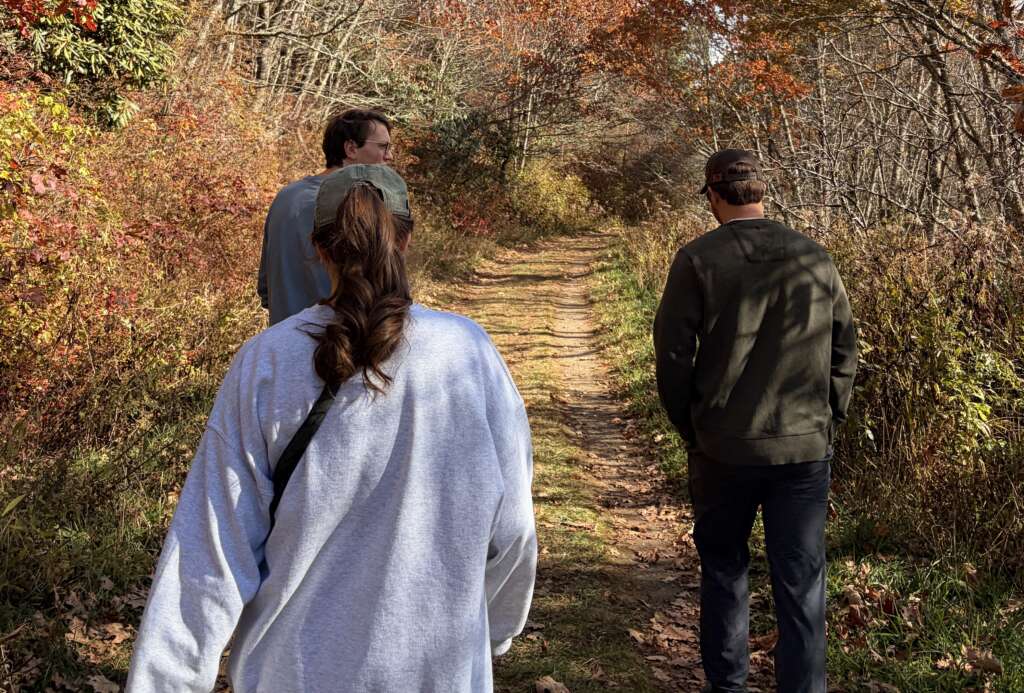
If going for a run every morning relieves stress, keep it in your regular rotation. But if your workout regimen interrupts time with long-distance family members, make the life-giving choice to skip it, or better yet invite them to join you, knowing quality time will support your mental and emotional health.
By tapping into what is most beneficial and making a few swaps as needed, you’ll strike a balance that works for you again and again.
Indulge with mindfulness
Showing up to any holiday party, you can guarantee there will be a table overflowing with an abundance of delicious options. Enjoying the seasonal flavors and sharing the delight with friends is part of the joy of the holidays.
But, just because there are 10 different desserts doesn’t mean you have to eat every single one and skip out on the fresh produce to celebrate.
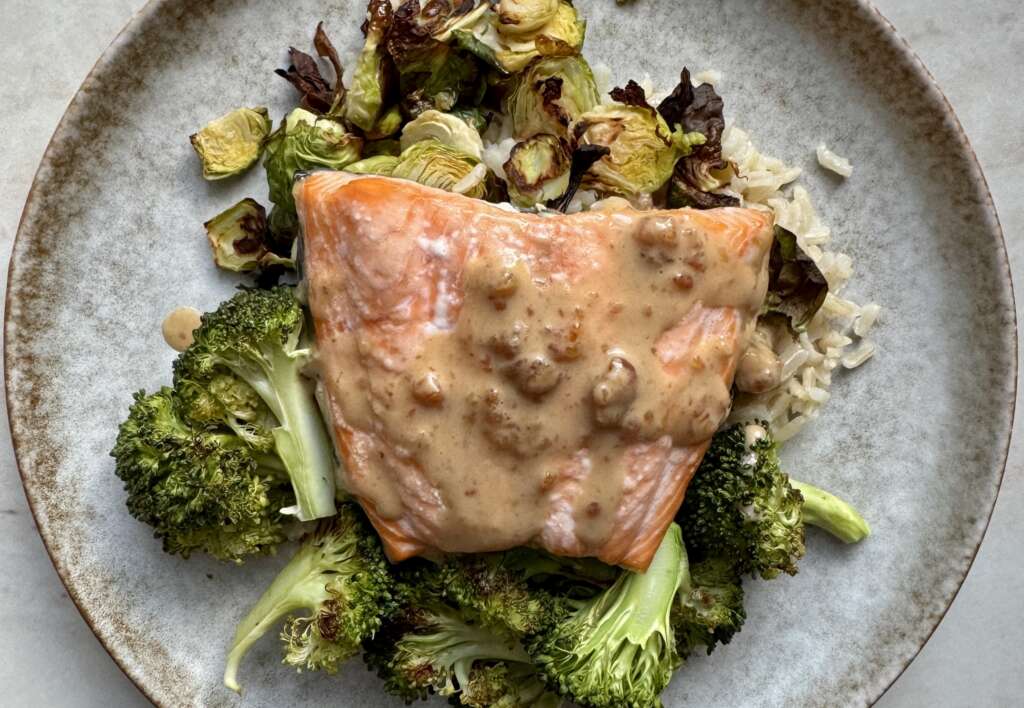
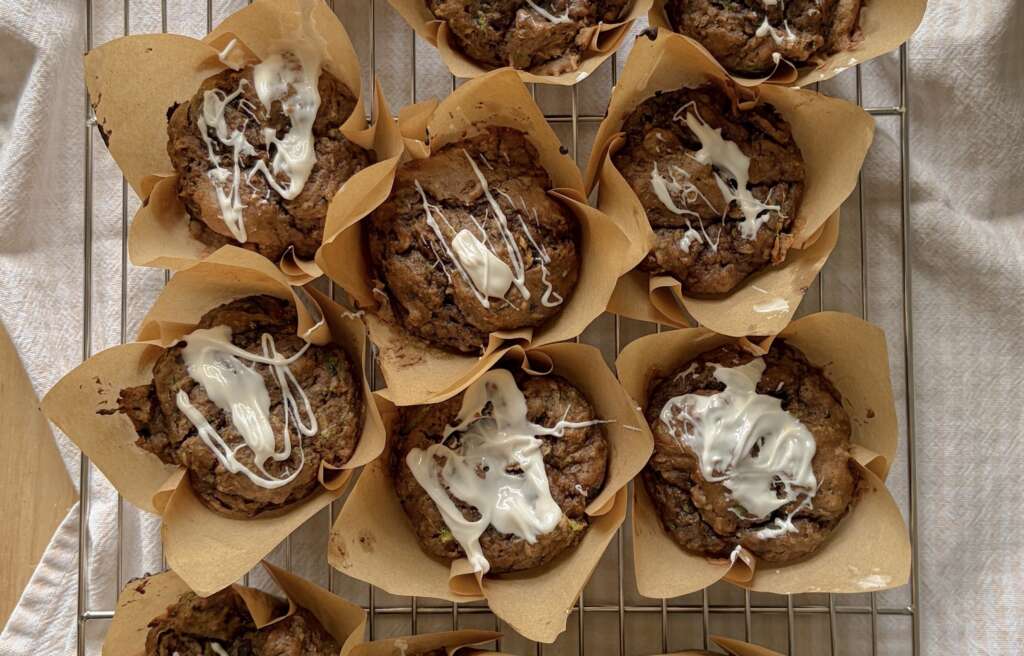
Choose the sweet that you really love, maybe the fudgey dark chocolate brownies or your grandma’s famous pumpkin muffins, and enjoy every last bite. But, when the tin of leftover cookies is being shared at work, you can pass, knowing it will do little for your enjoyment.
Instead of having an all or nothing mindset, making choices with mindfulness enables you to enjoy what makes the season special without abandoning your health goals.
Plan for your body
Only you know what’s best for your body. It might be different for your family or friends, but the more you get comfortable tapping into your needs, the better.
If you know you feel best with more than appetizers for a gathering, have a nourishing dinner beforehand so you don’t load up on cheese and crackers then feel sluggish the next day.
If you’ve chosen to stop drinking alcohol, request for mocktails at the holiday work party, so you can enjoy a refreshing beverage while enjoying the company of your co-workers.
Gone are the days where you had to choose between your health goals and enjoying the holidays! By striking a balance, mindfully indulging, and planning ahead, you can worry less about what everyone else is doing and instead make choices that support the best version of you.
Grace Barker is a holistic private chef, recipe creator, and the founder of Grace & Greens, where she shares nourishing recipes, weekly menus, and inspiration for living a well-nourished life. Through her community of 3,200+ readers, her goal is to help more people eat well and feel good.