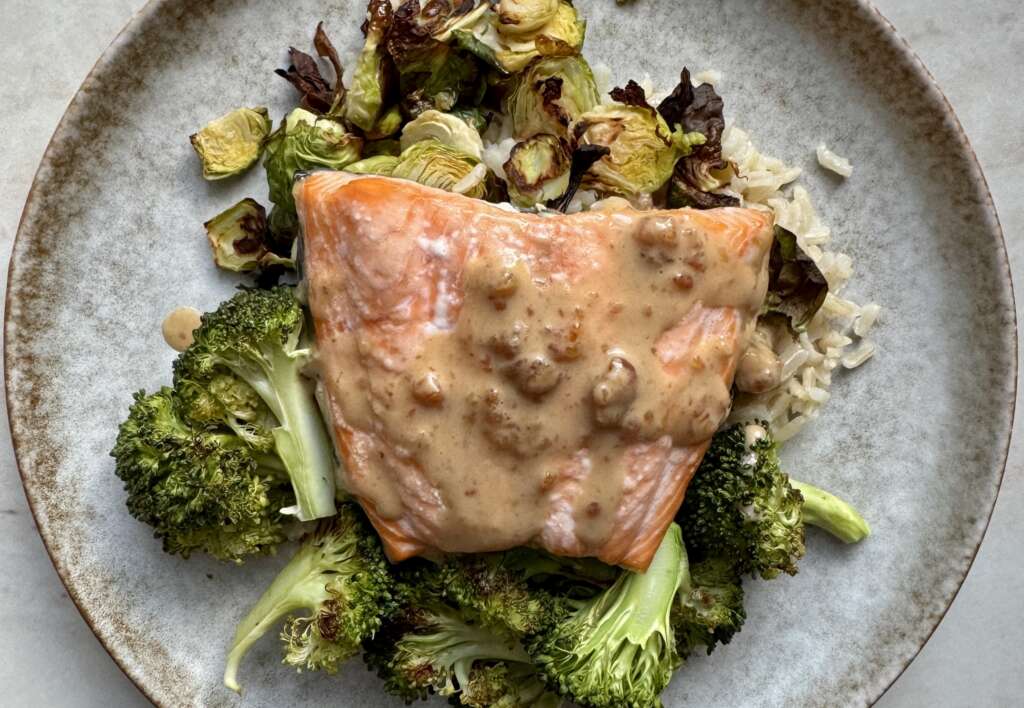
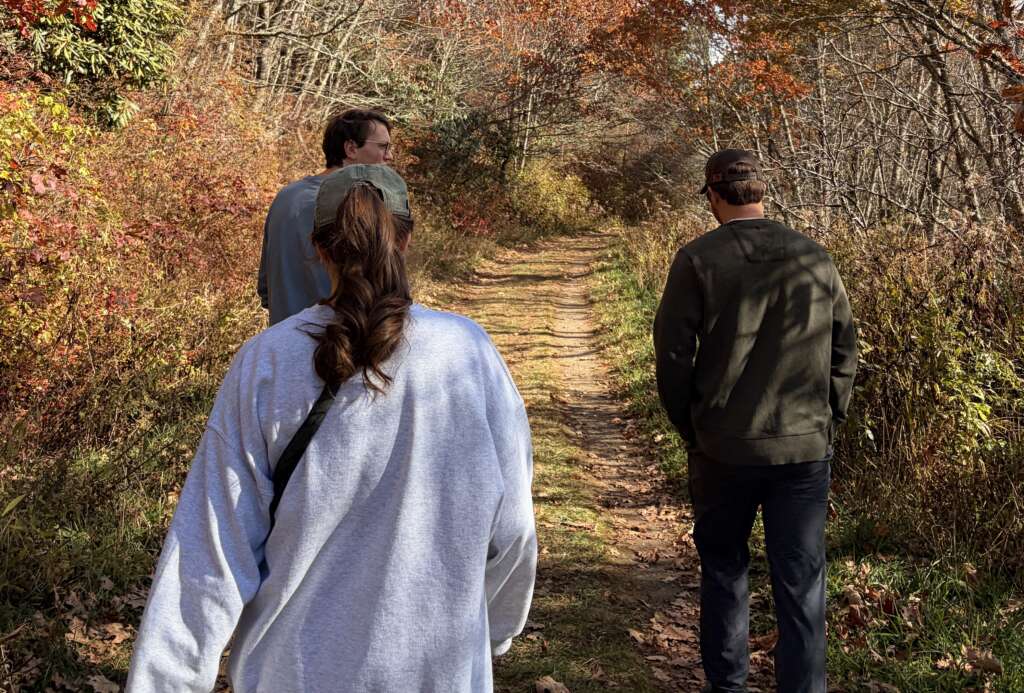
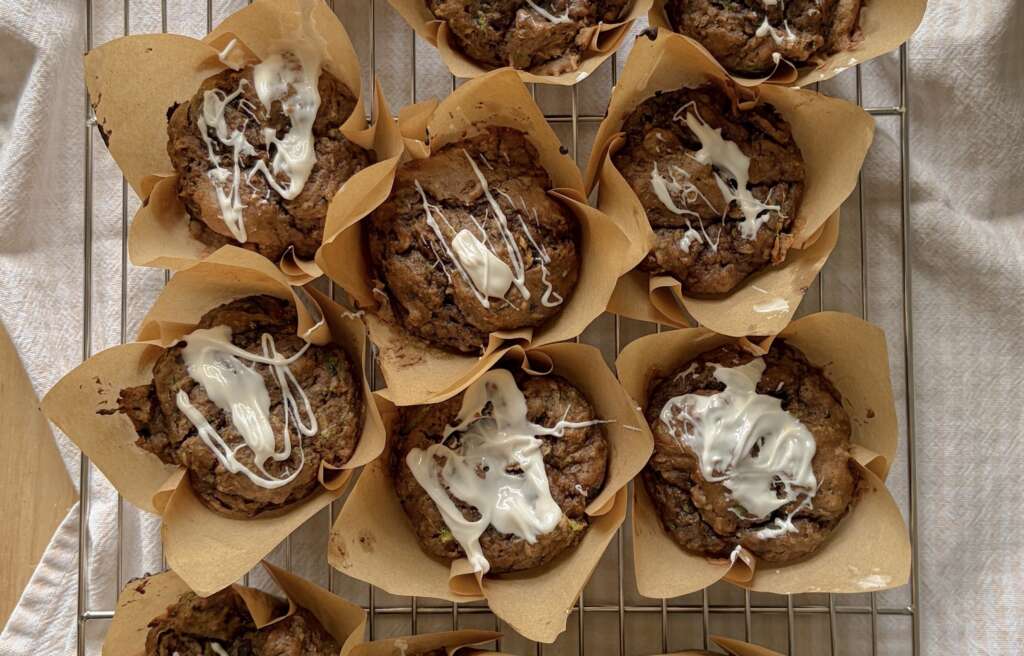
By Grace Barker | The incredible thing about habits is that they aren’t built in a day or a single decision, but through regular rhythm and repetition.
By Dathan Kazsuk | Owner Claire Calvin brings East of Texas and its mix of smoked brisket, Texas Twinkies, Tex-Mex, and margaritas to Durham’s American Tobacco Campus.
By Dathan Kazsuk | Greenville chef Luke Owens reflects on the NCRLA Chef Showdown, Eastern North Carolina cuisine, and why the state’s food story extends beyond its cities.
Thin Mints have company. Girl Scouts just revealed two new additions for the 2027 cookie season—including a first that may have your dog begging for a box.
By Dathan Kazsuk | From steaks and wine lockers to celebrity sightings and personal touches, Sullivan’s has spent decades becoming a Raleigh dining staple.
By Dathan Kazsuk | Midtown magazine teams up with Jeff’s Bagel Run in Raleigh to create two fall bagels: The Heat Check and a sweet blueberry-banana creation.
By Dathan Kazsuk | Chef Ryan Grimm’s journey from Los Angeles and Europe to Blue Jay Bistro, where local ingredients and community shape his cooking in Littleton.
By Deanna Martinez | Welcome to the heart of historic downtown Wake Forest! Black & White Coffee Roasters invites visitors to slow down and stay awhile.
By Dathan Kazsuk | Ten years ago, the NCRLA (North Carolina Restaurant & Lodging Association) Chef Showdown was supposed to be a one-night event—it’s now a decade later!
By Dathan Kazsuk | I’ve attended and covered the NCRLA Chef Showdown multiple times since its early years, and it remains one of my favorite food and beverage…
By Grace Barker | As you wander through the stalls of the farmers’ market, you’ll spot dozens of baskets overflowing with ripened peaches and vibrant green zucchini.
Dathan Kazsuk | A downtown Raleigh staycation at Tempo by Hilton, with stylish rooms, rooftop dining, craft cocktails, and plenty to explore just outside the door.
Dathan Kazsuk | Father-and-son owners Drew and Robbie Schenck are pairing wine, champagne cocktails, and craft beer with one of the best backyards in Cary.
By Dathan Kazsuk | Blake Gotliffe is bringing some of NC’s top culinary talent to Clayton for a five-event live-fire dining series benefiting the Autism Society of North…
By Dathan Kazsuk | Peregrine chef will collaborate with Kultura’s Nikko Cagalanan for a one-night-only dinner featuring South Asian, Filipino and Carolina flavors.
By Dathan Kazsuk | Timber Pizza’s Raleigh and Durham locations are playing matchmaker—except this date arrives hot, covered in cheese and ready in about 90 seconds.
Whether you’re stressed by the overwhelming amount of to-do’s this time of year or find yourself indulging in every decadent dish and dessert during the holiday season, maintaining healthy habits can feel like an uphill battle.
But, you don’t have to sacrifice your health goals for 2 months each year. With a few mindset shifts, you can maintain healthy habits and make the most of this special time. By focusing on balance, moderation, and smart planning, you can enjoy all of the flavors and activities of the holidays, while feeling your best too!
Strike a balance
The incredible thing about habits is that they aren’t built in a day or a single decision, but through regular rhythm and repetition.
Just because you miss a day of movement, eat less protein than usual, or get fewer hours of sleep doesn’t mean your habits go completely out the window.
Find the balance that works for you during the holidays, determining what is most important, and then giving yourself the freedom to act accordingly.
If going for a run every morning relieves stress, keep it in your regular rotation. But if your workout regimen interrupts time with long-distance family members, make the life-giving choice to skip it, or better yet invite them to join you, knowing quality time will support your mental and emotional health.
By tapping into what is most beneficial and making a few swaps as needed, you’ll strike a balance that works for you again and again.
Indulge with mindfulness
Showing up to any holiday party, you can guarantee there will be a table overflowing with an abundance of delicious options. Enjoying the seasonal flavors and sharing the delight with friends is part of the joy of the holidays.
But, just because there are 10 different desserts doesn’t mean you have to eat every single one and skip out on the fresh produce to celebrate.
Choose the sweet that you really love, maybe the fudgey dark chocolate brownies or your grandma’s famous pumpkin muffins, and enjoy every last bite. But, when the tin of leftover cookies is being shared at work, you can pass, knowing it will do little for your enjoyment.
Instead of having an all or nothing mindset, making choices with mindfulness enables you to enjoy what makes the season special without abandoning your health goals.
Plan for your body
Only you know what’s best for your body. It might be different for your family or friends, but the more you get comfortable tapping into your needs, the better.
If you know you feel best with more than appetizers for a gathering, have a nourishing dinner beforehand so you don’t load up on cheese and crackers then feel sluggish the next day.
If you’ve chosen to stop drinking alcohol, request for mocktails at the holiday work party, so you can enjoy a refreshing beverage while enjoying the company of your co-workers.
Gone are the days where you had to choose between your health goals and enjoying the holidays! By striking a balance, mindfully indulging, and planning ahead, you can worry less about what everyone else is doing and instead make choices that support the best version of you.
Grace Barker is a holistic private chef, recipe creator, and the founder of Grace & Greens, where she shares nourishing recipes, weekly menus, and inspiration for living a well-nourished life. Through her community of 3,200+ readers, her goal is to help more people eat well and feel good.