
Skip to content Skip to sidebar Skip to footer

A Smarter Way to Navigate Senior Care in 2026

Understanding why continuity of care for seniors is the key to a smoother recovery

By Lisa Lee, LNHA

It was 74 years this past December since the very first state-certified senior care facility in North Carolina was founded by a nurse in Durham. There were just 16 rooms and 25 beds. A lot has changed since then. Not just measured in terms of the size and number of senior care facilities available today, but, more importantly, by the many different ways families can now benefit from specialized, after-hospital senior care for their loved ones.

An Unfulfilled Promise

Although most families have heard of the many care services available for seniors, surprisingly few truly understand, or take full advantage of, the benefits those services provide. As a result, they miss out on the promise of a faster recovery and better outcomes.

The sheer number of choices in the current healthcare environment can be overwhelming, and often, critical decisions about post-discharge care are rushed during the immense stress of a hospital stay.

Post-hospital senior care isn’t a one-stop deal; it’s a journey. The major categories which make up today’s “senior care continuum” of services each have an important and distinct role to play. These services range widely, providing everything from basic daily care to specialized treatments for chronic conditions like diabetes, stroke, or Parkinson’s disease. The continuum includes everything from short-term rehabilitation and outpatient physical therapy to home care, assisted living, and round-the-clock skilled nursing supervision in a specialized facility—all serving unique patient needs throughout the recovery process.

The Bounce-Back Challenge

Perhaps one of the most difficult challenges aging seniors and their families encounter regarding their post-hospital care is the uncertainty of what and when additional services will be needed. Each patient’s medical history and recovery are different—and unpredictable. It is not unusual that a patient may bounce back and forth between the hospital, rehab, home care, and outpatient therapy or other care services numerous times.

A group of cheerful seniors enjoying breakfast in nursing home care center. Photo by Stock.Adobe.com/halfpoint.

This common “bounce-back” experience is often fraught with complications and stress. The constant switching of services involves selecting a new provider, arranging specialized medical transport, and then dealing with a mountain of paperwork for the actual transfer of the patient. More critically, this fragmented care can jeopardize the patient’s recovery, as lack of consistent oversight and communication between providers
is a major driver of preventable hospital readmissions.
For many families, coordinating appointments, ensuring consistent medications across various settings, and communicating the patient’s clinical status to multiple new teams is an impossible logistical burden. Avoiding all or most of this work is one of the significant advantages of using a provider that offers as many services as possible, starting with your choice for after-hospital rehab.
The Value of Continuity
Most hospitalized seniors require a variety of care services after their discharge from the hospital and post-hospital short-term rehabilitation. This is where strategic planning becomes vital.
The array of senior care services discussed above is clinically known as the continuum of care. When these services are provided or managed by one organization or caregiver, it is referred to as continuity of care. This continuity ensures that the patient’s medical history, treatment protocols, and specific needs are seamlessly communicated between different levels of care, thereby reducing the risk of medication error, eliminating duplicated efforts, and preventing communication breakdowns.
When used properly together, these two concepts—continuum of care and continuity of care—create a synergy proven to result in better and more lasting outcomes. Could there be any better way to get the best care than having it provided by an integrated team of expert caregivers, familiar with your needs and working together to help achieve the best possible outcome?
This coordinated approach also significantly eases the overwhelming burden on family members, who otherwise face the task of becoming full-time care managers, juggling disparate schedules, billing, and clinical questions across multiple organizations. The seamless integration of continuity of care reduces family stress and allows loved ones to focus on emotional support rather than logistical management.
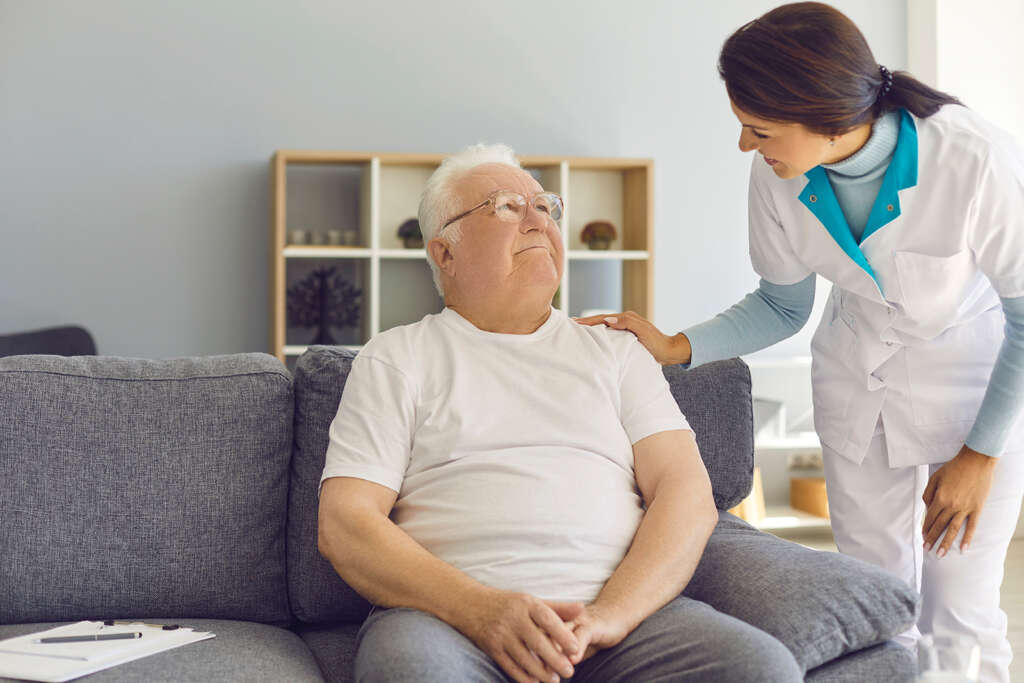
Stock.Adobe.com/Studio Romantic
A Note on Senior Care

That 74-year-old facility—the first of its kind—is still owned by the same families, still known as Hillcrest, and is operated today by the grandchildren of the founders. Today’s Hillcrest is, in many ways, a perfect reflection of the major changes in senior care over the past seven decades. The organization employs over 500 caregivers and offers patients a continuum of care that includes long-term residential care, superior short-term after-hospital rehabilitation, home care, outpatient physical therapy, and assisted living. 

This evolving landscape of specialized, after-hospital care offers seniors tremendous promise for recovery and quality of life. The key for families navigating this complexity is to understand that the goal isn’t just finding the right service; it’s finding the right system to support their loved one’s unpredictable journey. By prioritizing providers who champion continuity within the care continuum, families can avoid unnecessary stress and ensure that their loved one receives the highest level of coordinated, consistent support.

Lisa Lee, LNHA, has been the executive director at Hillcrest Raleigh for the past 10 years, helping families understand their senior care options so they can make the right decisions. If you are struggling with making care decisions for a loved one, reach out to Hillcrest Raleigh at 919.781.4900 or visit their website, hillcrestnc.com.


© 2008-2025 Midtown magazine, LLC. All rights reserved. Copyright applies to all pages on this website. | Privacy Policy

Understanding why continuity of care for seniors is the key to a smoother recovery

By Lisa Lee, LNHA

It was 74 years this past December since the very first state-certified senior care facility in North Carolina was founded by a nurse in Durham. There were just 16 rooms and 25 beds. A lot has changed since then. Not just measured in terms of the size and number of senior care facilities available today, but, more importantly, by the many different ways families can now benefit from specialized, after-hospital senior care for their loved ones.

An Unfulfilled Promise

Although most families have heard of the many care services available for seniors, surprisingly few truly understand, or take full advantage of, the benefits those services provide. As a result, they miss out on the promise of a faster recovery and better outcomes.

The sheer number of choices in the current healthcare environment can be overwhelming, and often, critical decisions about post-discharge care are rushed during the immense stress of a hospital stay.

Post-hospital senior care isn’t a one-stop deal; it’s a journey. The major categories which make up today’s “senior care continuum” of services each have an important and distinct role to play. These services range widely, providing everything from basic daily care to specialized treatments for chronic conditions like diabetes, stroke, or Parkinson’s disease. The continuum includes everything from short-term rehabilitation and outpatient physical therapy to home care, assisted living, and round-the-clock skilled nursing supervision in a specialized facility—all serving unique patient needs throughout the recovery process.

The Bounce-Back Challenge

Perhaps one of the most difficult challenges aging seniors and their families encounter regarding their post-hospital care is the uncertainty of what and when additional services will be needed. Each patient’s medical history and recovery are different—and unpredictable. It is not unusual that a patient may bounce back and forth between the hospital, rehab, home care, and outpatient therapy or other care services numerous times.

A group of cheerful seniors enjoying breakfast in nursing home care center. Photo by Stock.Adobe.com/halfpoint.

This common “bounce-back” experience is often fraught with complications and stress. The constant switching of services involves selecting a new provider, arranging specialized medical transport, and then dealing with a mountain of paperwork for the actual transfer of the patient. More critically, this fragmented care can jeopardize the patient’s recovery, as lack of consistent oversight and communication between providers
is a major driver of preventable hospital readmissions.
For many families, coordinating appointments, ensuring consistent medications across various settings, and communicating the patient’s clinical status to multiple new teams is an impossible logistical burden. Avoiding all or most of this work is one of the significant advantages of using a provider that offers as many services as possible, starting with your choice for after-hospital rehab.
The Value of Continuity
Most hospitalized seniors require a variety of care services after their discharge from the hospital and post-hospital short-term rehabilitation. This is where strategic planning becomes vital.
The array of senior care services discussed above is clinically known as the continuum of care. When these services are provided or managed by one organization or caregiver, it is referred to as continuity of care. This continuity ensures that the patient’s medical history, treatment protocols, and specific needs are seamlessly communicated between different levels of care, thereby reducing the risk of medication error, eliminating duplicated efforts, and preventing communication breakdowns.
When used properly together, these two concepts—continuum of care and continuity of care—create a synergy proven to result in better and more lasting outcomes. Could there be any better way to get the best care than having it provided by an integrated team of expert caregivers, familiar with your needs and working together to help achieve the best possible outcome?
This coordinated approach also significantly eases the overwhelming burden on family members, who otherwise face the task of becoming full-time care managers, juggling disparate schedules, billing, and clinical questions across multiple organizations. The seamless integration of continuity of care reduces family stress and allows loved ones to focus on emotional support rather than logistical management.

Stock.Adobe.com/Studio Romantic
A Note on Senior Care

That 74-year-old facility—the first of its kind—is still owned by the same families, still known as Hillcrest, and is operated today by the grandchildren of the founders. Today’s Hillcrest is, in many ways, a perfect reflection of the major changes in senior care over the past seven decades. The organization employs over 500 caregivers and offers patients a continuum of care that includes long-term residential care, superior short-term after-hospital rehabilitation, home care, outpatient physical therapy, and assisted living. 

This evolving landscape of specialized, after-hospital care offers seniors tremendous promise for recovery and quality of life. The key for families navigating this complexity is to understand that the goal isn’t just finding the right service; it’s finding the right system to support their loved one’s unpredictable journey. By prioritizing providers who champion continuity within the care continuum, families can avoid unnecessary stress and ensure that their loved one receives the highest level of coordinated, consistent support.

Lisa Lee, LNHA, has been the executive director at Hillcrest Raleigh for the past 10 years, helping families understand their senior care options so they can make the right decisions. If you are struggling with making care decisions for a loved one, reach out to Hillcrest Raleigh at 919.781.4900 or visit their website, hillcrestnc.com.

This Pop-up Is Included in the Theme
Best Choice for Creatives
Purchase Now