Skip to content Skip to sidebar Skip to footer

Kitchen Confidential – Tamasha

By Dathan Kazsuk

Every other week, we sit down with a standout Triangle chef for a quick-fire Q&A designed to give readers a taste of who they are—straight from the kitchen. Each chef answers seven exclusive questions for Midtown, and if they’re feeling bold (or, as we like to say, a little frisky), they’ll take on a second round of questions just for 5 West. So if you love this chef—or just want to dig deeper into their culinary story—don’t miss their extended Q&A over on 5 West’s website.

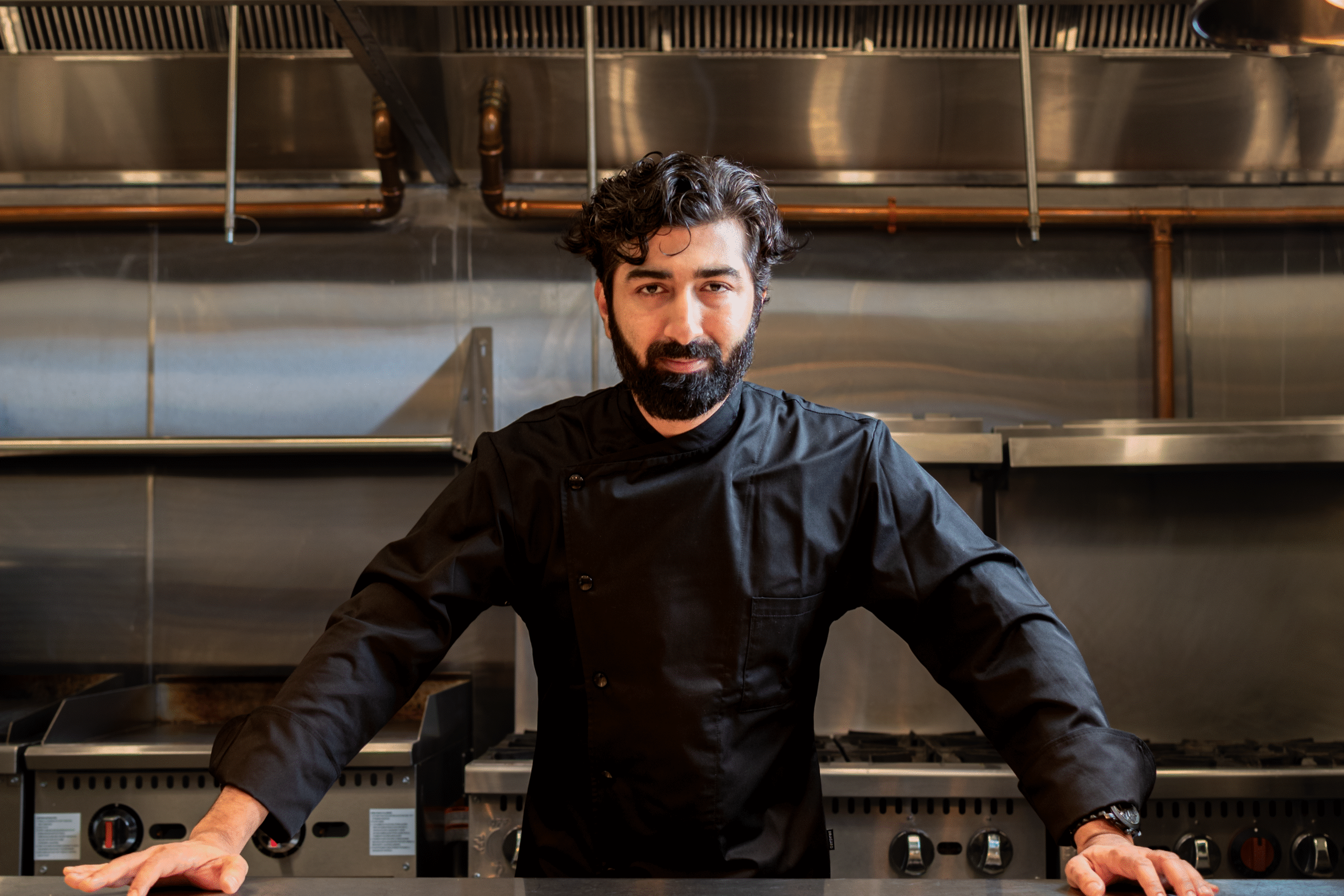
This week, we’re spotlighting a chef who has quickly turned heads well beyond Raleigh. Tamasha Modern Indian was recently named one of Esquire’s Best New Restaurants in America, cementing its place on the national culinary stage. Since opening in March 2024, executive chef Bhavin Chhatwani has led the kitchen with a clear mission: to make Tamasha a destination worth crossing town — or even state lines — for.

A 2025 James Beard Award semifinalist for Emerging Chef, Chhatwani brings a résumé that spans the two-Michelin-starred Taj Campton Place Restaurant and leadership experience at Adaa at Taj Falaknuma Palace, a three-Michelin-star luxury hotel in India. His approach treats Indian cuisine not as a boundary, but as a toolkit — balancing spice, acid, heat and regional precision into plates that feel celebratory from the first glance. That philosophy has helped Tamasha earn recognition in the Michelin Guide to the American South and land Chhatwani on The Plate Magazine’s “14 Chefs to Watch in America.”

The project reflects the vision of Indian American entrepreneurs and co-owners Mike Kathrani and Tina Vora, together with Chhatwani’s 15 years of experience and culinary vision. Together, they’ve shaped Tamasha into one of the South’s most acclaimed modern Indian kitchens — and if you haven’t experienced it yet, consider this your sign. 

What ingredient are you obsessed with right now, and how are you using it on the menu?
Garlic, because it’s simple yet universal. Whether it’s charred, raw, or used in confit, it adds depth to a dish. You’ll find it [widely used in] Tamasha’s menu, from the Tandoori Mushroom to the bold notes in Kheema Kaleji or our famous roasted garlic chutney.

What’s a food trend you wish Raleigh would embrace—and one you wish would disappear?
I’d love to see Raleigh embrace a deeper curiosity for Indian regional flavors—beyond tikka and curry. There’s a vast world of stories and ingredients from India’s coasts and farms that remain untold here.

What I could do without is overcomplicated experimentation done merely for novelty’s sake. Authenticity and innovation can coexist, but intention matters.
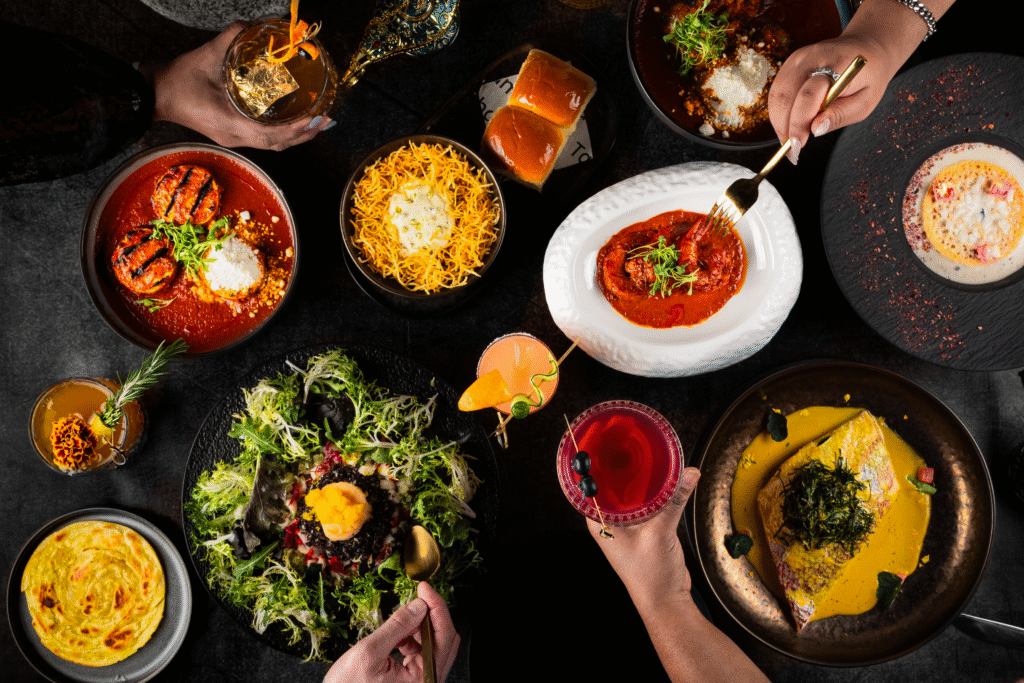
All images courtesy of Tamasha Modern Indian.

What’s the biggest mistake home cooks make when trying to recreate restaurant-level dishes?
They often rush the process. Great food isn’t about fancy equipment; it’s about patience, layering flavors, and respecting the technique. At home, if you give time to each step, you’ll taste the difference.

How has Raleigh’s dining scene changed since you first started cooking here?
It’s evolved tremendously. Diners are more adventurous now — they’re open to exploring global flavors and understanding the stories behind them. That openness has allowed chefs like me to present Indian cuisine in a refined, expressive way.

Which dish on your current menu best reflects your culinary philosophy?
Every dish on the Tamasha menu is like a page from my story—choosing one feels like picking a favorite child. But if I must, dishes like Kheema Kaleji, Pork Belly Bao, Tandoori Mushroom, and Lavender Kulfi express the philosophy I live by: local produce, global technique, and Indian soul.

What’s the biggest risk you’ve taken on a menu—and did it pay off?
Opening Tamasha itself was the biggest risk—presenting a progressive Indian concept in a region unfamiliar with that depth of the cuisine. But it paid off beautifully. We’ve not only built a loyal following, but earned recognition from the Michelin Guide as well.
Which chef or restaurant—locally or nationally—inspires your work right now, and why?
I draw inspiration from chefs who preserve tradition while pushing boundaries, like Gaggan Anand and Himanshu Saini, plus the many local chefs here who are redefining Southern cuisine through authenticity and technique. Innovation with respect to tradition—that’s the sweet spot.

Chhatwani’s ambitions stretch far beyond the pass at Tamasha. One of his dream projects is a book preserving India’s forgotten grandmother recipes—regional dishes passed down orally but rarely documented. He talks about traveling across India to collect those stories before they disappear, and he envisions future restaurant concepts that share his own story through food while giving Indian cuisine the global platform he believes it deserves. For him, the mission is simple but deeply felt: storytelling. He wants diners to feel the emotion, memory, and heritage woven into every plate, to walk away more curious than when they arrived.

His journey hasn’t been linear. The closure of the two-Michelin-star restaurant where he once worked forced him to start over in India, rebuilding his confidence as an opening chef at a five-star hotel. It was a turning point that taught him the strength of beginning again. And moving countries once more to open Tamasha tested that resilience all over again—pushing him as a leader and grounding him in purpose. If this is what he shares in seven questions, you’ll want to see where he goes next in the extended Q&A over on 5 West.


© 2008-2025 Midtown magazine, LLC. All rights reserved. Copyright applies to all pages on this website. | Privacy Policy

By Dathan Kazsuk

Every other week, we sit down with a standout Triangle chef for a quick-fire Q&A designed to give readers a taste of who they are—straight from the kitchen. Each chef answers seven exclusive questions for Midtown, and if they’re feeling bold (or, as we like to say, a little frisky), they’ll take on a second round of questions just for 5 West. So if you love this chef—or just want to dig deeper into their culinary story—don’t miss their extended Q&A over on 5 West’s website.

This week, we’re spotlighting a chef who has quickly turned heads well beyond Raleigh. Tamasha Modern Indian was recently named one of Esquire’s Best New Restaurants in America, cementing its place on the national culinary stage. Since opening in March 2024, executive chef Bhavin Chhatwani has led the kitchen with a clear mission: to make Tamasha a destination worth crossing town — or even state lines — for.

A 2025 James Beard Award semifinalist for Emerging Chef, Chhatwani brings a résumé that spans the two-Michelin-starred Taj Campton Place Restaurant and leadership experience at Adaa at Taj Falaknuma Palace, a three-Michelin-star luxury hotel in India. His approach treats Indian cuisine not as a boundary, but as a toolkit — balancing spice, acid, heat and regional precision into plates that feel celebratory from the first glance. That philosophy has helped Tamasha earn recognition in the Michelin Guide to the American South and land Chhatwani on The Plate Magazine’s “14 Chefs to Watch in America.”

The project reflects the vision of Indian American entrepreneurs and co-owners Mike Kathrani and Tina Vora, together with Chhatwani’s 15 years of experience and culinary vision. Together, they’ve shaped Tamasha into one of the South’s most acclaimed modern Indian kitchens — and if you haven’t experienced it yet, consider this your sign. 

What ingredient are you obsessed with right now, and how are you using it on the menu?
Garlic, because it’s simple yet universal. Whether it’s charred, raw, or used in confit, it adds depth to a dish. You’ll find it [widely used in] Tamasha’s menu, from the Tandoori Mushroom to the bold notes in Kheema Kaleji or our famous roasted garlic chutney.

What’s a food trend you wish Raleigh would embrace—and one you wish would disappear?
I’d love to see Raleigh embrace a deeper curiosity for Indian regional flavors—beyond tikka and curry. There’s a vast world of stories and ingredients from India’s coasts and farms that remain untold here.

What I could do without is overcomplicated experimentation done merely for novelty’s sake. Authenticity and innovation can coexist, but intention matters.

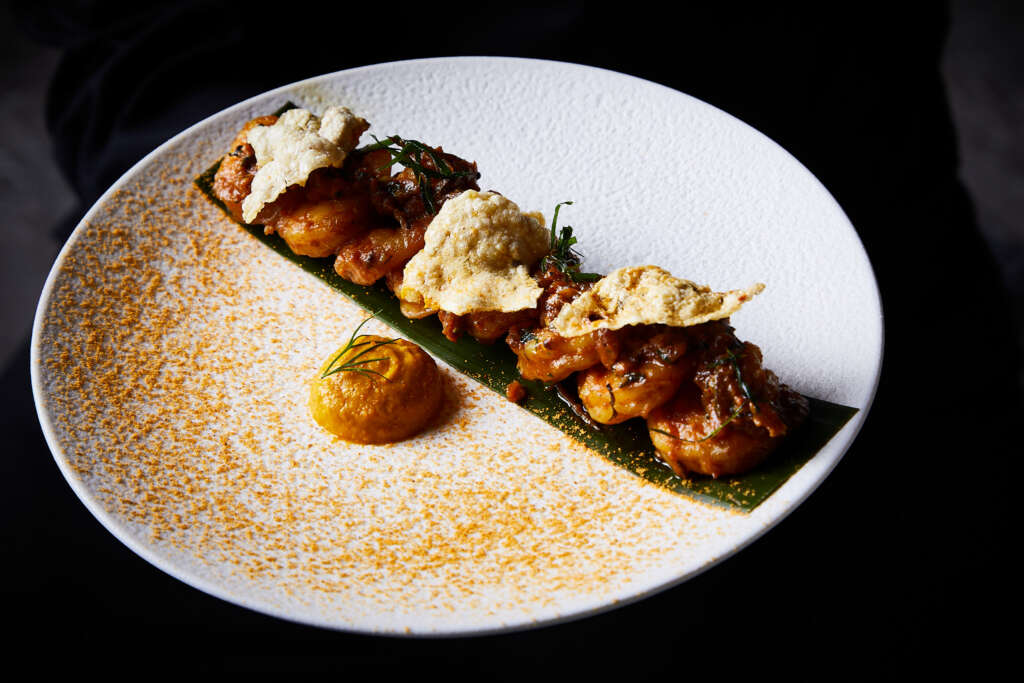
All images courtesy of Tamasha Modern Indian.

What’s the biggest mistake home cooks make when trying to recreate restaurant-level dishes?
They often rush the process. Great food isn’t about fancy equipment; it’s about patience, layering flavors, and respecting the technique. At home, if you give time to each step, you’ll taste the difference.

How has Raleigh’s dining scene changed since you first started cooking here?
It’s evolved tremendously. Diners are more adventurous now — they’re open to exploring global flavors and understanding the stories behind them. That openness has allowed chefs like me to present Indian cuisine in a refined, expressive way.

Which dish on your current menu best reflects your culinary philosophy?
Every dish on the Tamasha menu is like a page from my story—choosing one feels like picking a favorite child. But if I must, dishes like Kheema Kaleji, Pork Belly Bao, Tandoori Mushroom, and Lavender Kulfi express the philosophy I live by: local produce, global technique, and Indian soul.

What’s the biggest risk you’ve taken on a menu—and did it pay off?
Opening Tamasha itself was the biggest risk—presenting a progressive Indian concept in a region unfamiliar with that depth of the cuisine. But it paid off beautifully. We’ve not only built a loyal following, but earned recognition from the Michelin Guide as well.

Which chef or restaurant—locally or nationally—inspires your work right now, and why?
I draw inspiration from chefs who preserve tradition while pushing boundaries, like Gaggan Anand and Himanshu Saini, plus the many local chefs here who are redefining Southern cuisine through authenticity and technique. Innovation with respect to tradition—that’s the sweet spot.

Chhatwani’s ambitions stretch far beyond the pass at Tamasha. One of his dream projects is a book preserving India’s forgotten grandmother recipes—regional dishes passed down orally but rarely documented. He talks about traveling across India to collect those stories before they disappear, and he envisions future restaurant concepts that share his own story through food while giving Indian cuisine the global platform he believes it deserves. For him, the mission is simple but deeply felt: storytelling. He wants diners to feel the emotion, memory, and heritage woven into every plate, to walk away more curious than when they arrived.

His journey hasn’t been linear. The closure of the two-Michelin-star restaurant where he once worked forced him to start over in India, rebuilding his confidence as an opening chef at a five-star hotel. It was a turning point that taught him the strength of beginning again. And moving countries once more to open Tamasha tested that resilience all over again—pushing him as a leader and grounding him in purpose. If this is what he shares in seven questions, you’ll want to see where he goes next in the extended Q&A over on 5 West.

This Pop-up Is Included in the Theme
Best Choice for Creatives
Purchase Now