

Mother’s Day has come and gone, and those stories usually come wrapped in chocolate, flowers, brunch reservations, and maybe a bottle of sparkling wine.
But for some women, the idea of self-care has moved beyond spa days and a nice glass of rosé. It has become more personal, more intentional, and, in some cases, more permanent.
For Dr. Heather Levites, a Raleigh-based board-certified plastic surgeon and founder of LevityLifts, the conversation around the so-called “Mommy Makeover” has changed dramatically. Today’s patients, she says, are not always looking for a dramatic transformation. Many are looking for something quieter: to look rested, natural, and more like the version of themselves they still feel like on the inside.
That shift has expanded the conversation beyond body procedures alone. Levites says more moms are now considering facial treatments such as upper and lower blepharoplasty, brow lifts, and facial fat grafting—procedures designed to soften signs of fatigue, restore volume, and help patients feel more aligned with how they see themselves.
For one recent patient, the decision came after seeing a photo and realizing, “I don’t look like me anymore.” What followed was not a desire to become someone else, but to feel awake, refreshed, and comfortable in her own face again.
We recently spoke with Levites about how plastic surgery conversations are evolving for moms, what patients are really asking for, and why the best results are often the ones no one can quite put their finger on.

How has the idea of a “mommy makeover” changed over the last 5–10 years—and what are today’s patients really asking for?
The concept has shifted significantly from a single, dramatic “makeover” to a more refined, individualized restoration. Patients today are less interested in looking different and more interested in looking rested, natural, and aligned with how they feel internally.
More moms are including facial treatments—what’s driving that shift, and which procedures are most requested right now?
Motherhood tends to reveal itself first in the face. Even when patients feel physically strong, they often notice tired eyes, a loss of cheek volume, or heaviness in the brow. That disconnect is what drives many to explore facial rejuvenation alongside body procedures. These treatments restore soft-tissue support and brightness in a way that feels subtle yet powerful.
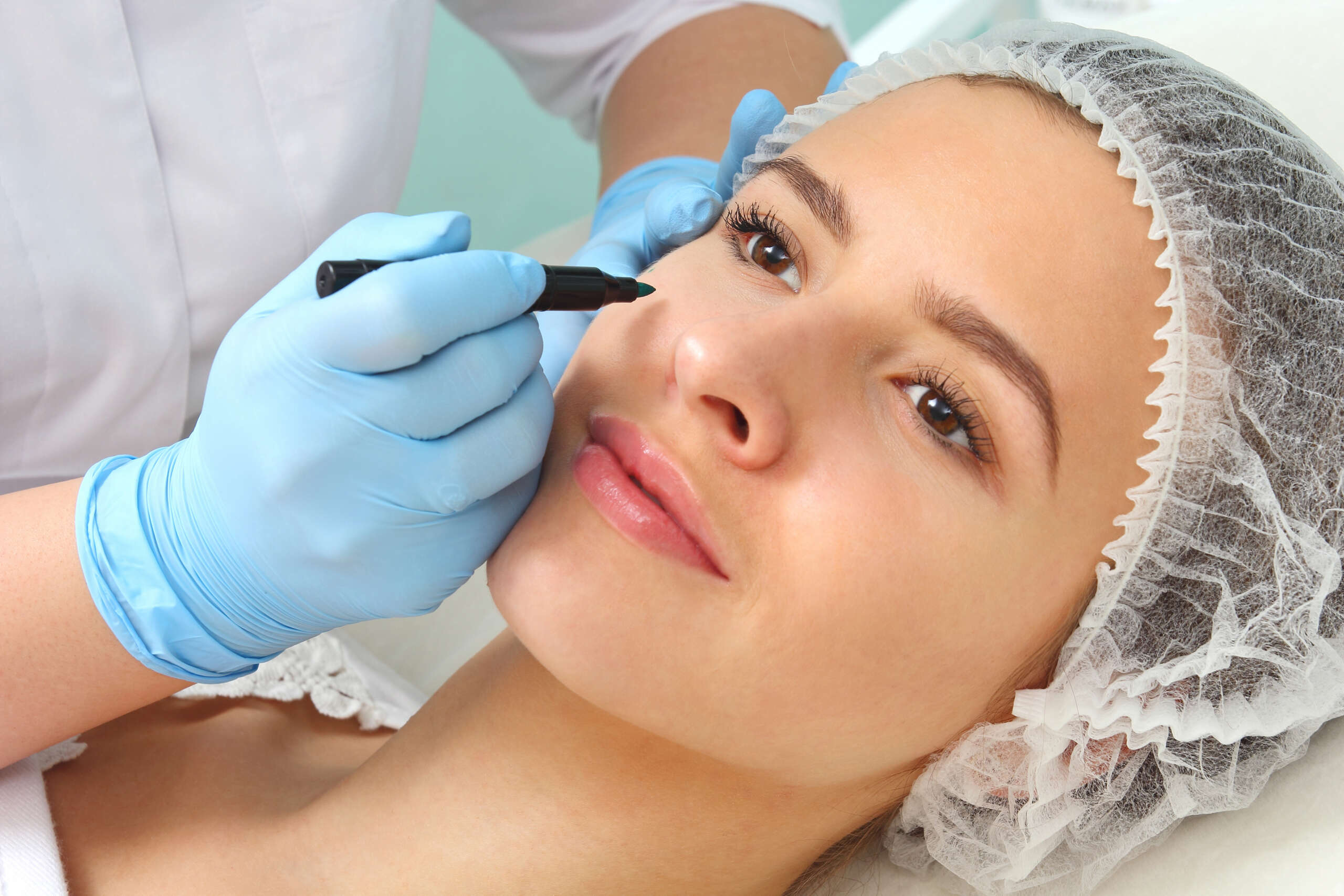
The most requested surgical treatments include upper blepharoplasties to refresh the upper eyelids, lower blepharoplasties to address under-eye fullness or hollowing, and brow lifts to open and soften the upper third of the face. Facial fat grafting has also become a cornerstone because it restores natural volume in a way that integrates beautifully with aging anatomy.
Together, these procedures are helping patients look less fatigued and more reflective of their energy, without changing their identity.
How do you balance patient expectations—especially in the age of Instagram filters and quick transformations—with what’s actually achievable?
The key is honest, visual, and grounded communication. Social media often compresses complex, multilayered changes into a filtered before-and-after moment that doesn’t reflect surgical reality or healing timelines. We spend a lot of time helping patients understand proportion, anatomy, and what creates a naturally refreshed result. For example, an upper blepharoplasty can open the eyes, but true facial rejuvenation often also involves lower blepharoplasty, brow positioning, or subtle fat grafting to restore volume balance.
When patients understand how these elements work together, expectations become more aligned with what is beautiful long-term, not just what is dramatic in a photo. The goal of good plastic surgery is always to look rested, not different.

What do your patients typically say they’re hoping to feel again after these procedures?
The most common language patients use is wanting to feel “rested” or “like myself again.” There is often an emotional component that goes beyond appearance.
With eyelid surgeries, brow lifts, and facial fat grafting in particular, patients frequently report feeling as if they no longer look tired or tense. It is not about looking different, but about seeing their own features without the heaviness or fatigue that can accumulate over time. My moms—even my young moms—don’t want to look “angry” anymore.
That psychological alignment is often just as meaningful as the physical change.
For moms considering this, when is the right time post-pregnancy—and what should they know before starting?
Timing is both physical and logistical. We generally recommend waiting at least six months after breastfeeding is complete, when hormonal fluctuations and fluid shifts have stabilized. Logistically, I recommend that my moms wait to have surgery until their youngest child is at least three, when the little ones are able to get in and out of a car seat and bed without much lifting assistance.
It’s also important that patients have realistic space in their lives for recovery. Procedures like upper and lower blepharoplasties, brow lifts, and facial fat grafting each have their own healing trajectories, and combining them with body procedures requires thoughtful planning and support.
The best results come from approaching this as a staged, strategic process rather than a single moment. A consultation allows us to build that roadmap in a way that fits both the anatomy and lifestyle of each patient, ensuring outcomes that feel natural, sustainable, and authentically aligned with each patient.
At its best, this conversation is not about chasing youth, Instagram filters, or someone else’s idea of perfection. It’s about choice.
For some moms, self-care may mean a long walk, a weekend away, a therapist, a trainer, a facial, a new dress, or finally taking one afternoon where no one asks where the soccer cleats are. For others, it may mean sitting down with a surgeon and asking what is possible, what is realistic, and what might help them feel a little more like themselves again.
Levites is clear that timing, expectations, and recovery all matter. Patients should understand the process, give themselves space to heal, and approach any procedure as a thoughtful decision—not a quick fix.
And maybe that is the larger Mother’s Day message here: Moms are allowed to invest in themselves without apology. Not because they need to be changed, corrected, or “made over,” but because feeling good in your own skin is not frivolous. It is human.
The flowers are still nice, of course. But so is letting Mom decide what confidence looks like for herself.