Skip to content Skip to sidebar Skip to footer

Vinyl Records Are Spinning Back in Raleigh

By Dathan Kazsuk

There was a time when collecting vinyl meant digging through dusty crates in dimly lit record shops, hoping your fingertips would land on something rare before somebody else got there first.

For me, those days started in Atwater, California.

A good Saturday could mean driving to Merced to hit Below Zero Records, or heading down Highway 99 to Danny’s Records in Fresno.

Back then, even the expensive stuff still felt within reach. Maybe it was a marble-colored pressing, a German import from 1984, or some other oddball artifact that felt less like merchandise and more like contraband from a better, darker universe.

Then the music business decided vinyl was dead. 


By the late 1980s and early 1990s, CDs had kicked the door in. They were cleaner, shinier, futuristic—“perfect sound forever,” or so we were told. Labels followed the money, stores made room for towers of jewel cases, and turntables slowly vanished from living rooms. For a while, records looked like they were headed for the museum.

But vinyl never fully disappeared. It just slipped underground, where formats with any real soul usually go when the mainstream gets bored. Punk kept it alive. Indie rock kept it alive. DJs kept it alive. Collectors kept it alive. And somewhere along the line, people remembered that listening to music used to feel like an event.

That ritual still matters. You pull the record from the sleeve. You study the artwork. You drop the needle. That’s a big part of why vinyl came back. The other part is simpler: After years of music becoming more invisible—compressed into phones, playlists, and monthly subscriptions—people started wanting something they could actually hold.
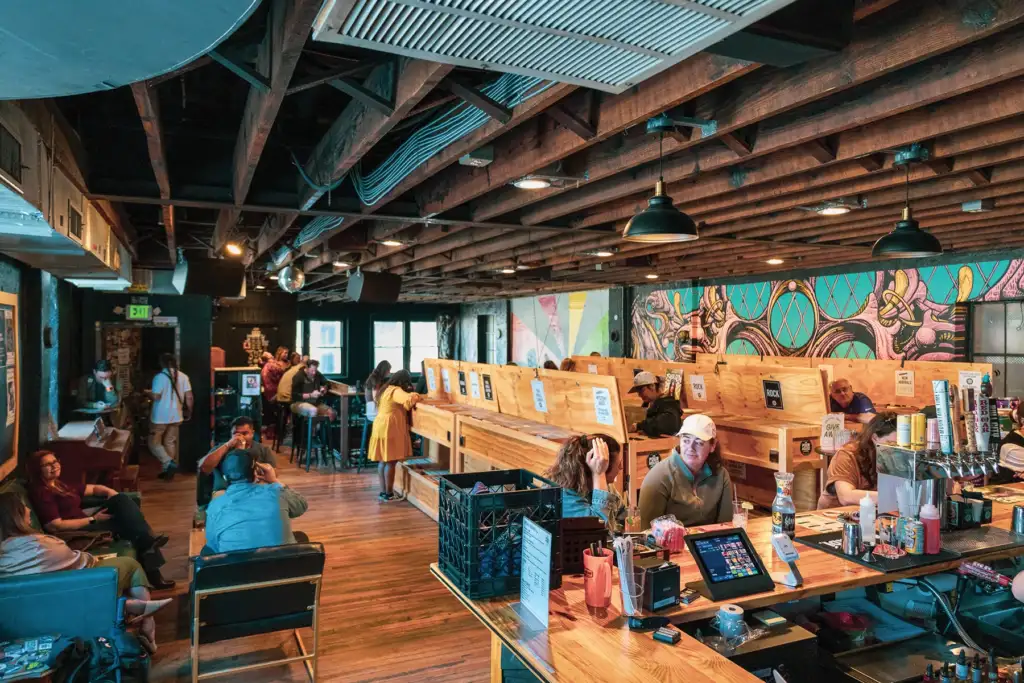
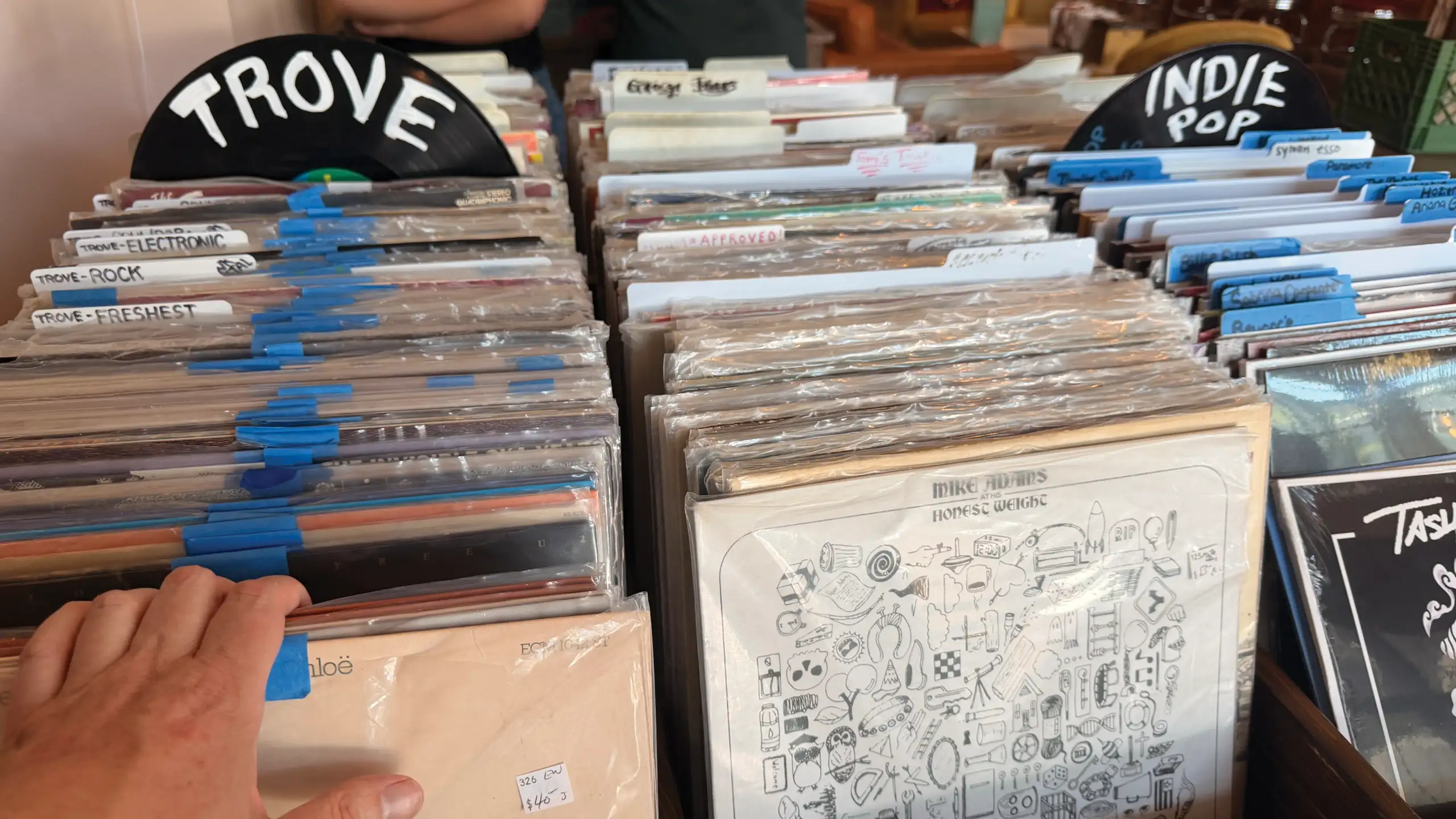
Rachel Braun, record shop manager at The Pour House Music Hall & Record Shop in Raleigh, says the resurgence has been building for years—but the pandemic gave it a major push.

“Vinyl has been trending up for the last 10 years,” Braun says. “The biggest boom being 2020, during Covid. Raleigh has always been a hub for vinyl because we have some of the best record stores in the state, and most of them are within walking distance of each other. Things started getting busier after lockdown ended—even busier than pre-Covid, because people are gravitating toward owning physical media instead of relying on digital streaming services.”

Michael Bell, owner of Hunky Dory in the Triangle, sees that same demand from behind the counter every week. “Our bins get depleted each week, and we have to order more and more from our distributors to refill them,” Bell says. “It’s a good problem to have.”

He says that demand is not just for new records and reissues, either. “The used, pre-loved, vintage side of the game has always been there and always keeps us busy to meet demand.”

And the people buying records right now are not just the old guard trying to recreate their youth. Braun put it simply when asked who is buying vinyl these days: “Everyone.” Older collectors are returning to albums they once owned, while younger listeners are using records to connect more directly with artists and push back against the disposable feel of streaming.
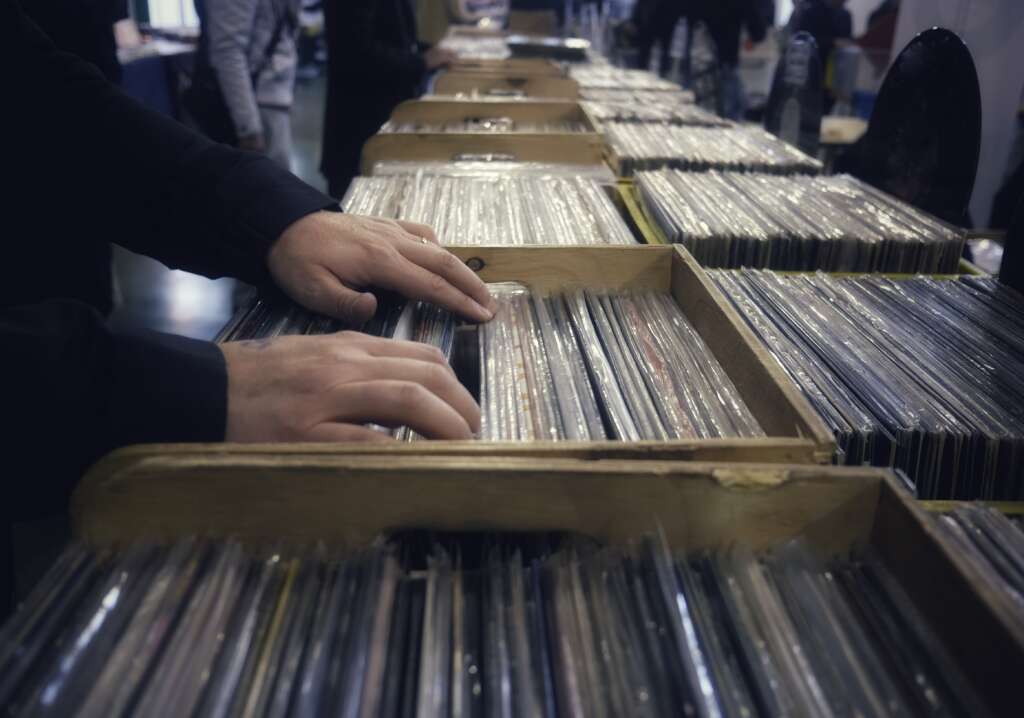
Photo by Stock.Adobe.com/robypangy.

Bell sees that mix too, describing Hunky Dory’s customer base as “a healthy mix of all sorts of cool cats,” from new kids who say “vinyls” to hardcore audiophiles inspecting a bargain-bin record like it’s sacred text.

That may be the best snapshot of the current vinyl boom. On one side, you have longtime collectors hunting first pressings and obscure imports. On the other hand, you have younger shoppers walking in for Fleetwood Mac, Pink Floyd, or Tyler, The Creator, and starting from scratch. Everybody is chasing a different version of the same feeling.

When newcomers start building a collection, Bell says the usual gateway albums still do a lot of the work. “I’d wager that Dark Side of the Moon is up there, Rumours, those heavy-hitters,” he says. “The question is: Do they want to buy the reissue on the floor, or hold out for an OG to come through?”

That question says a lot about why records still matter. Vinyl is not just about hearing an album. It’s about choosing what version of that album becomes part of your life. The clean reissue. The old copy with ring wear and somebody else’s history baked into the sleeve. The bargain-bin surprise. The expensive first pressing you swear you don’t need until it is suddenly in your hands.

Braun says younger buyers are also helping fuel the format for a practical reason: supporting musicians.

Still, the comeback comes with a catch. Vinyl isn’t cheap anymore. New LPs can easily run $30 or more, and special editions climb fast. Braun believes some of that stems from the industry pushing deluxe packaging and price points too far. “Vinyl prices are reaching a breaking point,” she says. “People are turning to CDs because they’re cheaper, and for no other reason.”
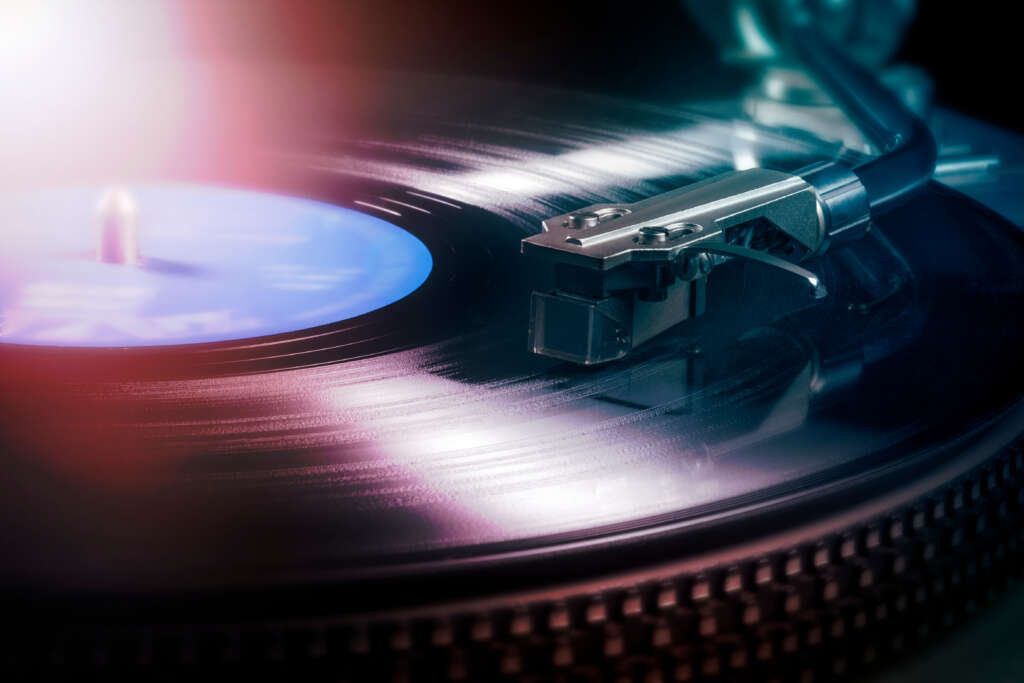
Photo by Stock.Adobe.com/danielsbfoto.

Bell agrees that people are being more careful with what they buy. “I do believe customers will always be selective on what they buy, especially if they are on the fence about it,” he says. “Things just cost a lot more these days, and everyone is making sacrifices.”

Bell recalls buying a huge collection from a wooden shed near Mebane, where the heat was brutal, and many of the records were warped. Buried in the mess were Bowie maxi-singles and entire catalogs from major bands. Then months later, while digging deeper, he found an obscure Atlanta garage-band record that turned out to be wildly valuable.

People want a place with atmosphere, conversation, and a little personality—not just a transaction. “I believe people want to go to a place that feels welcoming, that has good vibes and energy, and a strong customer base,” 
Bell says. “We spin vinyl, all day, every day. We talk music all day, every day.”

As for me, I’m still chasing older vinyl. I’m still slowly trying to gather every Skinny Puppy release I can get my hands on. Somewhere out there, I like to believe an original pressing of Too Dark Park is still hiding in a dusty bin, wedged between albums nobody wants, waiting for me to find my hidden gem.

Want more music stories from around the Triangle? Explore more Midtown music features here.
© 2008-2025 Midtown magazine, LLC. All rights reserved. Copyright applies to all pages on this website. | Privacy Policy

By Dathan Kazsuk

There was a time when collecting vinyl meant digging through dusty crates in dimly lit record shops, hoping your fingertips would land on something rare before somebody else got there first.

For me, those days started in Atwater, California.

A good Saturday could mean driving to Merced to hit Below Zero Records, or heading down Highway 99 to Danny’s Records in Fresno.

Back then, even the expensive stuff still felt within reach. Maybe it was a marble-colored pressing, a German import from 1984, or some other oddball artifact that felt less like merchandise and more like contraband from a better, darker universe.

Then the music business decided vinyl was dead. 


By the late 1980s and early 1990s, CDs had kicked the door in. They were cleaner, shinier, futuristic—“perfect sound forever,” or so we were told. Labels followed the money, stores made room for towers of jewel cases, and turntables slowly vanished from living rooms. For a while, records looked like they were headed for the museum.

But vinyl never fully disappeared. It just slipped underground, where formats with any real soul usually go when the mainstream gets bored. Punk kept it alive. Indie rock kept it alive. DJs kept it alive. Collectors kept it alive. And somewhere along the line, people remembered that listening to music used to feel like an event.

That ritual still matters. You pull the record from the sleeve. You study the artwork. You drop the needle. That’s a big part of why vinyl came back. The other part is simpler: After years of music becoming more invisible—compressed into phones, playlists, and monthly subscriptions—people started wanting something they could actually hold.

Rachel Braun, record shop manager at The Pour House Music Hall & Record Shop in Raleigh, says the resurgence has been building for years—but the pandemic gave it a major push.

“Vinyl has been trending up for the last 10 years,” Braun says. “The biggest boom being 2020, during Covid. Raleigh has always been a hub for vinyl because we have some of the best record stores in the state, and most of them are within walking distance of each other. Things started getting busier after lockdown ended—even busier than pre-Covid, because people are gravitating toward owning physical media instead of relying on digital streaming services.”

Michael Bell, owner of Hunky Dory in the Triangle, sees that same demand from behind the counter every week. “Our bins get depleted each week, and we have to order more and more from our distributors to refill them,” Bell says. “It’s a good problem to have.”

He says that demand is not just for new records and reissues, either. “The used, pre-loved, vintage side of the game has always been there and always keeps us busy to meet demand.”

And the people buying records right now are not just the old guard trying to recreate their youth. Braun put it simply when asked who is buying vinyl these days: “Everyone.” Older collectors are returning to albums they once owned, while younger listeners are using records to connect more directly with artists and push back against the disposable feel of streaming.

Photo by Stock.Adobe.com/robypangy.

Bell sees that mix too, describing Hunky Dory’s customer base as “a healthy mix of all sorts of cool cats,” from new kids who say “vinyls” to hardcore audiophiles inspecting a bargain-bin record like it’s sacred text.

That may be the best snapshot of the current vinyl boom. On one side, you have longtime collectors hunting first pressings and obscure imports. On the other hand, you have younger shoppers walking in for Fleetwood Mac, Pink Floyd, or Tyler, The Creator, and starting from scratch. Everybody is chasing a different version of the same feeling.

When newcomers start building a collection, Bell says the usual gateway albums still do a lot of the work. “I’d wager that Dark Side of the Moon is up there, Rumours, those heavy-hitters,” he says. “The question is: Do they want to buy the reissue on the floor, or hold out for an OG to come through?”

That question says a lot about why records still matter. Vinyl is not just about hearing an album. It’s about choosing what version of that album becomes part of your life. The clean reissue. The old copy with ring wear and somebody else’s history baked into the sleeve. The bargain-bin surprise. The expensive first pressing you swear you don’t need until it is suddenly in your hands.

Braun says younger buyers are also helping fuel the format for a practical reason: supporting musicians.

Still, the comeback comes with a catch. Vinyl isn’t cheap anymore. New LPs can easily run $30 or more, and special editions climb fast. Braun believes some of that stems from the industry pushing deluxe packaging and price points too far. “Vinyl prices are reaching a breaking point,” she says. “People are turning to CDs because they’re cheaper, and for no other reason.”

Photo by Stock.Adobe.com/danielsbfoto.

Bell agrees that people are being more careful with what they buy. “I do believe customers will always be selective on what they buy, especially if they are on the fence about it,” he says. “Things just cost a lot more these days, and everyone is making sacrifices.”

Bell recalls buying a huge collection from a wooden shed near Mebane, where the heat was brutal, and many of the records were warped. Buried in the mess were Bowie maxi-singles and entire catalogs from major bands. Then months later, while digging deeper, he found an obscure Atlanta garage-band record that turned out to be wildly valuable.

People want a place with atmosphere, conversation, and a little personality—not just a transaction. “I believe people want to go to a place that feels welcoming, that has good vibes and energy, and a strong customer base,” 
Bell says. “We spin vinyl, all day, every day. We talk music all day, every day.”

As for me, I’m still chasing older vinyl. I’m still slowly trying to gather every Skinny Puppy release I can get my hands on. Somewhere out there, I like to believe an original pressing of Too Dark Park is still hiding in a dusty bin, wedged between albums nobody wants, waiting for me to find my hidden gem.

Want more music stories from around the Triangle? Explore more Midtown music features here.
This Pop-up Is Included in the Theme
Best Choice for Creatives
Purchase Now