Skip to content Skip to sidebar Skip to footer

Artspace Turns 40 and Still Fuels Raleigh’s Creative Pulse

Long before downtown Raleigh became what it is today—packed sidewalks, buzzing restaurants, cranes constantly reshaping the skyline—a group of community leaders had a different vision: Bring artists in first, and the rest would follow.

Forty years later, that bet looks pretty smart.

Artspace is celebrating four decades as one of the city’s most important creative hubs, a nonprofit visual arts center that has quietly—and sometimes not so quietly—helped shape Raleigh’s cultural identity from its home in City Market.

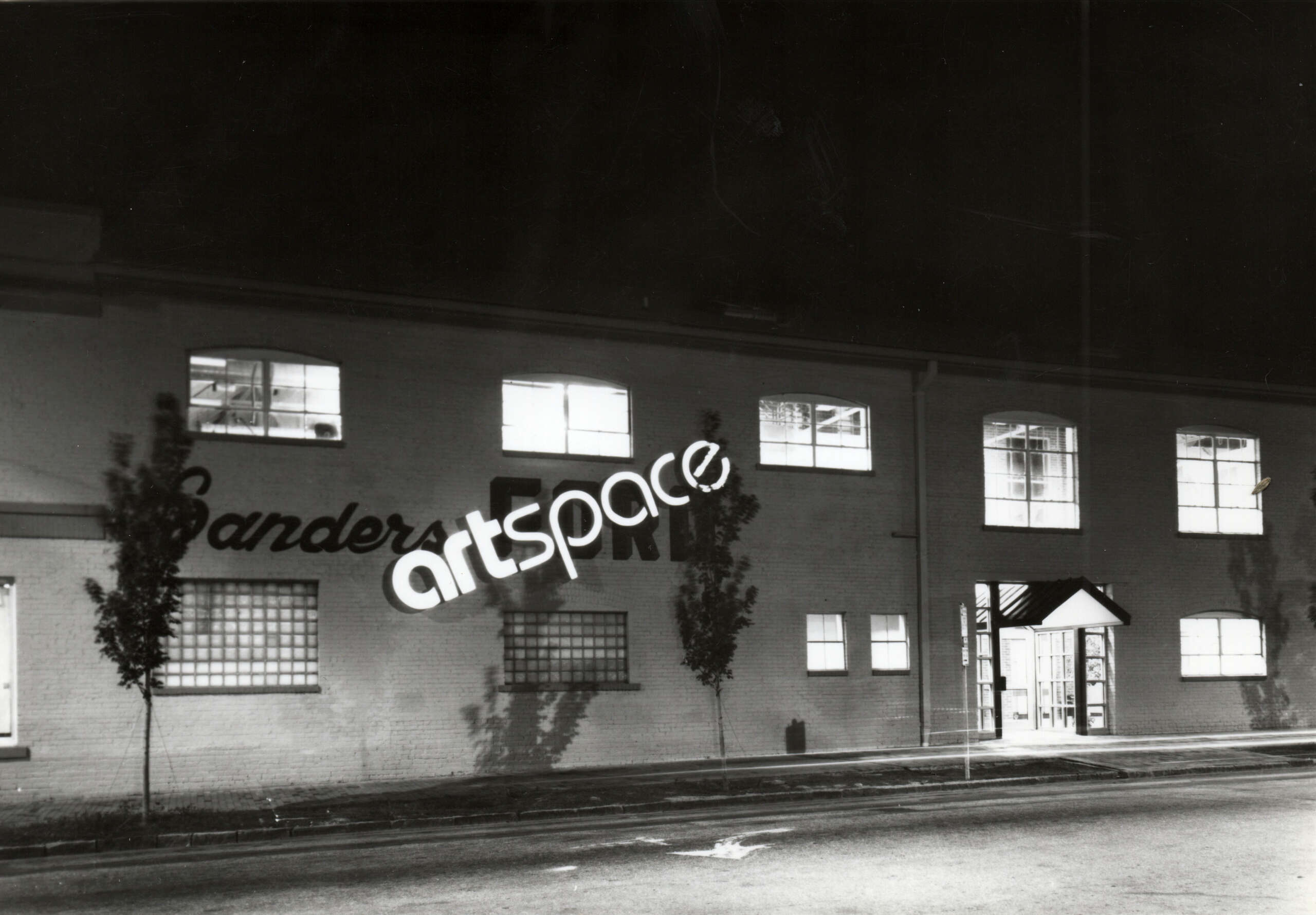
The idea started back in 1980, when local leaders approached the city about creating a downtown arts center and what they called a “cultural corridor.” The Raleigh Arts Commission backed the concept, citing the old Sanders Ford building as the ideal site and recommending the creation of a nonprofit to bring it to life. At the time, downtown Raleigh wasn’t exactly the place to be.

“The challenge, which was considerable, was to take a long-abandoned building built for automobiles and create a space and a place for art to flourish,” says artist and architect Thomas Sayre, who worked alongside the architecture firm Clearscapes to transform the building. “We faced, among other things, piles of pigeon guano, a downtown that had yet to be rediscovered, and a pack of colorful artists.”

Artspace officially opened its doors in November 1986—and in many ways, helped kickstart the downtown renaissance Raleigh enjoys today. “It was universally agreed that the arts were the magnet that would bring people downtown,” says Sally Bates, Artspace’s first executive director. “If the artists came, the people would come.”
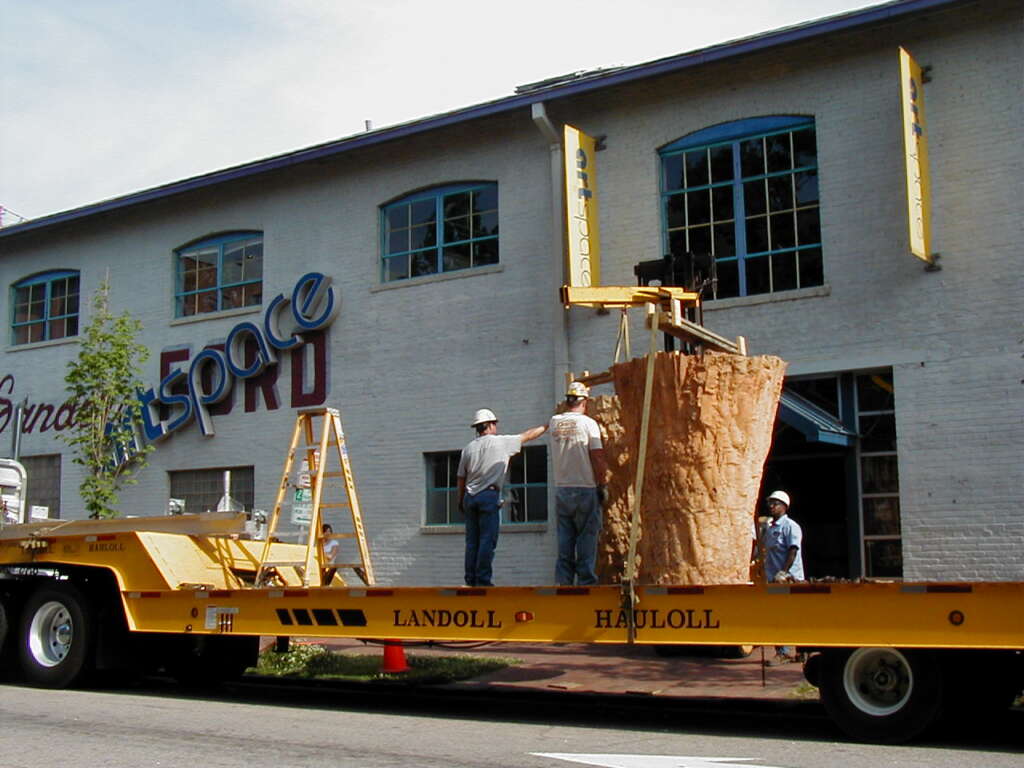
Photo courtesy of Artspace.

Turns out, they did.

Over the years, Artspace has grown from informal classes and meetups into a cornerstone of the city’s arts ecosystem—offering affordable studio space for working artists, rotating exhibitions, educational programs, and free events that invite the public to engage with art hands-on. It also played a role in launching one of Raleigh’s most enduring traditions: First Friday, the monthly event that still draws crowds into downtown galleries, shops, and studios.

Education has remained a major focus as well. The Summer Arts Program, launched in 1990, continues to provide weeklong classes for young artists, while scholarships help ensure access for families who might not otherwise be able to participate. More recently, Artspace expanded its reach beyond its walls with “Artspace on the Go,” a mobile program bringing artist-led experiences to schools, community centers, and festivals across the Triangle.

In 2005, Artspace secured its future in a rapidly growing city, purchasing its building from the city through a capital campaign led by then-president and CEO Mary Poole and the board. Now, as Raleigh continues to evolve, Artspace is still doing what it set out to do—connect artists and community.

“Forty years ago, community leaders made a bold investment in contemporary art, working artists, and accessible art education as a catalyst for downtown Raleigh,” says current president and CEO Carly Jones. “Today, Artspace advances that vision by inviting the public into direct engagement with contemporary art and the artists who create it.”

The 40th anniversary isn’t just a look back—it’s also an invitation. Throughout the year, Artspace is collecting stories from the community—artists, visitors, and families who have been impacted by the space over the decades.

Because if the last 40 years have proven anything, it’s this: Raleigh didn’t just grow around Artspace—Artspace helped build it.

Check out more features on music and the arts here!

© 2008-2025 Midtown magazine, LLC. All rights reserved. Copyright applies to all pages on this website. | Privacy Policy

Long before downtown Raleigh became what it is today—packed sidewalks, buzzing restaurants, cranes constantly reshaping the skyline—a group of community leaders had a different vision: Bring artists in first, and the rest would follow.

Forty years later, that bet looks pretty smart.

Artspace is celebrating four decades as one of the city’s most important creative hubs, a nonprofit visual arts center that has quietly—and sometimes not so quietly—helped shape Raleigh’s cultural identity from its home in City Market.

The idea started back in 1980, when local leaders approached the city about creating a downtown arts center and what they called a “cultural corridor.” The Raleigh Arts Commission backed the concept, citing the old Sanders Ford building as the ideal site and recommending the creation of a nonprofit to bring it to life. At the time, downtown Raleigh wasn’t exactly the place to be.

“The challenge, which was considerable, was to take a long-abandoned building built for automobiles and create a space and a place for art to flourish,” says artist and architect Thomas Sayre, who worked alongside the architecture firm Clearscapes to transform the building. “We faced, among other things, piles of pigeon guano, a downtown that had yet to be rediscovered, and a pack of colorful artists.”

Artspace officially opened its doors in November 1986—and in many ways, helped kickstart the downtown renaissance Raleigh enjoys today. “It was universally agreed that the arts were the magnet that would bring people downtown,” says Sally Bates, Artspace’s first executive director. “If the artists came, the people would come.”

Photo courtesy of Artspace.

Turns out, they did.

Over the years, Artspace has grown from informal classes and meetups into a cornerstone of the city’s arts ecosystem—offering affordable studio space for working artists, rotating exhibitions, educational programs, and free events that invite the public to engage with art hands-on. It also played a role in launching one of Raleigh’s most enduring traditions: First Friday, the monthly event that still draws crowds into downtown galleries, shops, and studios.

Education has remained a major focus as well. The Summer Arts Program, launched in 1990, continues to provide weeklong classes for young artists, while scholarships help ensure access for families who might not otherwise be able to participate. More recently, Artspace expanded its reach beyond its walls with “Artspace on the Go,” a mobile program bringing artist-led experiences to schools, community centers, and festivals across the Triangle.

In 2005, Artspace secured its future in a rapidly growing city, purchasing its building from the city through a capital campaign led by then-president and CEO Mary Poole and the board. Now, as Raleigh continues to evolve, Artspace is still doing what it set out to do—connect artists and community.

“Forty years ago, community leaders made a bold investment in contemporary art, working artists, and accessible art education as a catalyst for downtown Raleigh,” says current president and CEO Carly Jones. “Today, Artspace advances that vision by inviting the public into direct engagement with contemporary art and the artists who create it.”

The 40th anniversary isn’t just a look back—it’s also an invitation. Throughout the year, Artspace is collecting stories from the community—artists, visitors, and families who have been impacted by the space over the decades.

Because if the last 40 years have proven anything, it’s this: Raleigh didn’t just grow around Artspace—Artspace helped build it.
Check out more features on music and the arts here!

This Pop-up Is Included in the Theme
Best Choice for Creatives
Purchase Now