
Skip to content Skip to sidebar Skip to footer

The HRT Reset: Separating Fact from Fear with Dr. Maddison

The Wellness Edit: Navigating Women’s Health with Dr. Maddison Welcome to our new recurring series dedicated to the complexities of the female body. In a world of “wellness” hype and conflicting online advice, we are partnering with local expert Dr. Sarah Maddison to bring you clear, evidence-based, and personable insights into the health topics that matter most to our readers. From hormonal shifts to preventative care, consider this your go-to resource for navigating every life stage with confidence and clarity.

By Kyle Marie McMahon and Dr. Sarah Maddison

For decades, the conversation around hormone replacement therapy has been whispered in hushed tones, usually accompanied by a side of outdated fear-mongering and a “just deal with it” attitude toward aging. We’ve been told that hot flashes, brain fog, and the sudden disappearance of our libido are just the tax we pay for living a long life. But if you’ve spent any time looking into recent shifts in women’s medicine, you know the narrative is finally changing—and it’s about time.

The problem is that when you go looking for clarity on HRT, you often find yourself caught between terrifying headlines from 20 years ago and modern “wellness” influencers trying to sell you a miracle cream. It’s enough to make anyone just close their laptop and keep suffering in silence.

In this installment of The Wellness Edit, we’re taking the gloves off and looking at the science of hormones. I’ve asked Dr. Sarah Maddison to help us dismantle the myths surrounding HRT so we can understand what it actually does for the female body. No fluff, no fear-based rhetoric—just a straight-up look at how we can reclaim our vitality without the guesswork.
There is a lot of lingering fear regarding HRT; how has the modern medical view shifted in terms of safety and benefits?

Hormone replacement therapy (HRT) carries a lot of baggage, largely thanks to early reports from the Women’s Health Initiative in the early 2000s that suggested increased risks. What’s become clearer over the past two decades is that those results were often overgeneralized. Many of the women in that study were in their 60s—well past the typical age when therapy would begin today. Consequently, on November 10, 2025, the U.S. Food & Drug Administration announced that it would begin removing the long-standing “black box” warnings from menopausal hormone therapy products containing estrogen.

Modern research shows that for healthy women under 60 or within about 10 years of menopause, HRT can be both safe and highly effective for treating symptoms like hot flashes, sleep disruption, and mood changes. It may also provide benefits for bone health and possibly cardiovascular health when started at the right time.
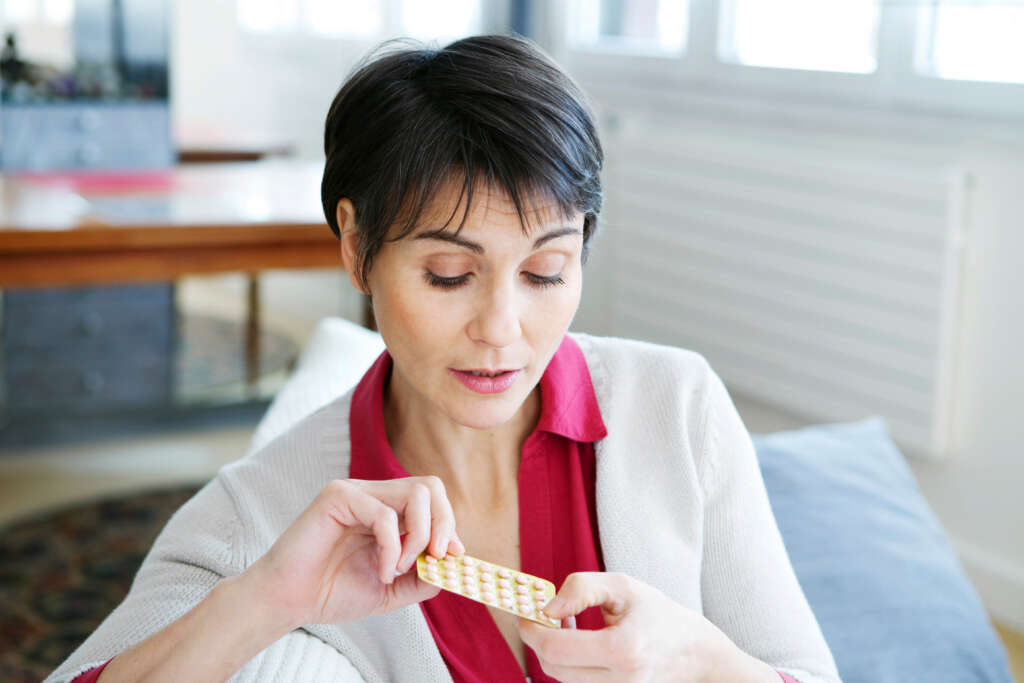
Photo by Stock.Adobe.com/Dream@do.

Today, the approach is much more individualized—considering age, health history, and symptom severity. Rather than a one-size-fits-all risk, HRT is now viewed as an important tool that, when used thoughtfully, can significantly improve quality of life for many women.

Which symptoms—like brain fog or joint pain—respond most effectively to HRT, and which might require a different approach?

Hormone therapy is particularly effective for symptoms that are directly driven by estrogen decline. The clearest responders are hot flashes, night sweats, sleep disruption, and vaginal or urinary symptoms. Many women also notice meaningful improvement in mood stability and brain fog, largely because better sleep and more stable hormone levels support cognitive function. Joint aches and stiffness can improve as well for some women, since estrogen has anti-inflammatory effects and plays a role in joint and connective tissue health.

That said, not every symptom of midlife responds fully to hormones. Persistent brain fog, fatigue, or weight changes may also involve sleep quality, stress, thyroid issues, nutrition, or metabolic changes. Joint pain, for example, can improve with hormone therapy but often benefits from strength training, anti-inflammatory nutrition, and physical therapy as well.

In practice, the most successful approach is often multifactorial—using hormone therapy to address the hormonal component while also supporting sleep, mental health, metabolic health, and musculoskeletal strength.
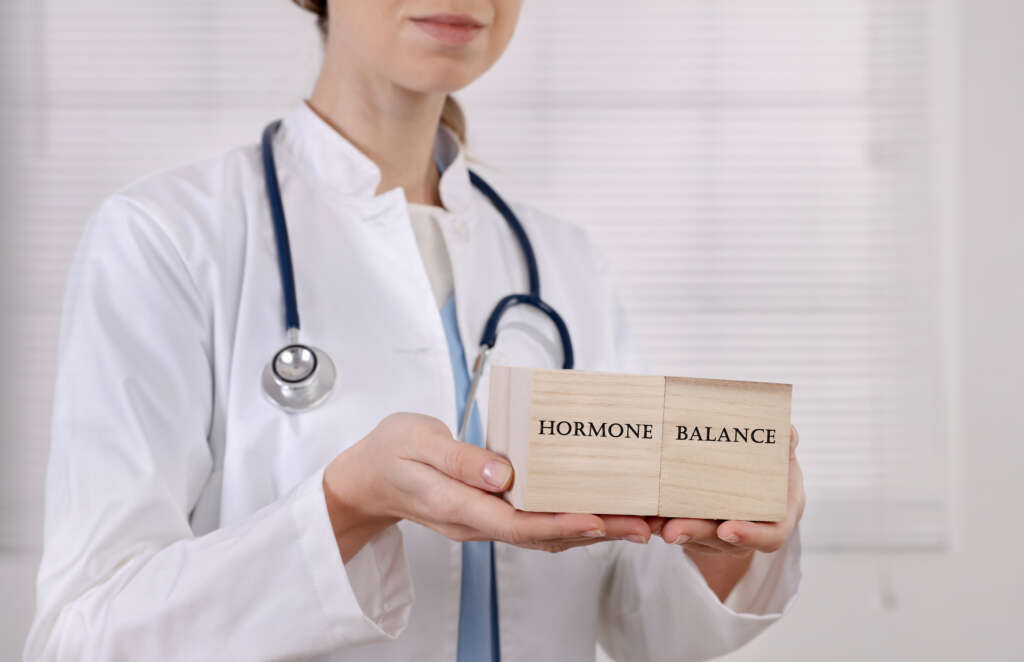
Photo by Stock.Adobe.com/Sebra.

Can you break down the pros and cons of the different delivery methods, such as patches, pills, or pellets?

Estrogen therapy comes in a few delivery styles, and choosing one is a bit like picking your coffee order—same goal, different route. Pills are the classic option. They’re convenient and familiar, but because they pass through the liver first, they can slightly increase risks like blood clots for some women. Patches, gels, and sprays deliver estrogen through the skin, bypassing the liver entirely. That tends to create steadier hormone levels and a lower clot risk, which is why many clinicians consider transdermal options the modern favorite. The trade-off? You have to remember to change a patch or apply the gel regularly, and occasionally, skin irritation makes an appearance. 

Pellets are tiny implants placed under the skin that release hormones for a few months. Convenient, yes, but doses can’t be adjusted once they’re in, so if you have a complication like abnormal bleeding or breast cancer, they cannot be removed. Also, they’re not FDA-approved for menopause therapy, which means the agency has not reviewed it for safety, efficacy, or quality, posing potential risks of unknown ingredients, dangerous side effects, or ineffective treatment. It does not necessarily mean the drug is dangerous, but rather that its safety and manufacturing consistency have not been verified by the Food & Drug Administration. Unlike FDA-approved hormones, which are typically covered by your insurance, if you go the pellet route, you’ll be paying out of pocket. As always, the best option is the one tailored to the individual.

For those who cannot or choose not to use hormones, what are the most effective nonhormonal alternatives available today?

For women who prefer to skip hormones—or can’t take them—there are actually more options than many people realize. Lifestyle tweaks are the unsung heroes: regular exercise, good sleep habits, and limiting alcohol can noticeably reduce hot flashes and improve mood.

Certain antidepressants (like SSRIs or SNRIs) in low doses are often prescribed to calm hot flashes and night sweats. Newer nonhormonal medications, such as Veozah and Lynkuet, work by targeting the brain’s temperature-regulation center and can significantly reduce vasomotor symptoms. For vaginal dryness or urinary symptoms, localized moisturizing treatments such as hyaluronic acid suppositories are available without a prescription and can help restore comfort. Some women also explore cognitive behavioral therapy for sleep or mindfulness practices to steady the stress response.

Supplements get a lot of attention, but the evidence is mixed—so it’s wise to discuss those with a clinician first. A company named Bonafide sells many nonhormonal products online and in select Target stores without a prescription, and is a reputable source that I trust. In other words, hormones aren’t the only tool in the toolbox; they’re just one of several ways to help women feel like themselves again.
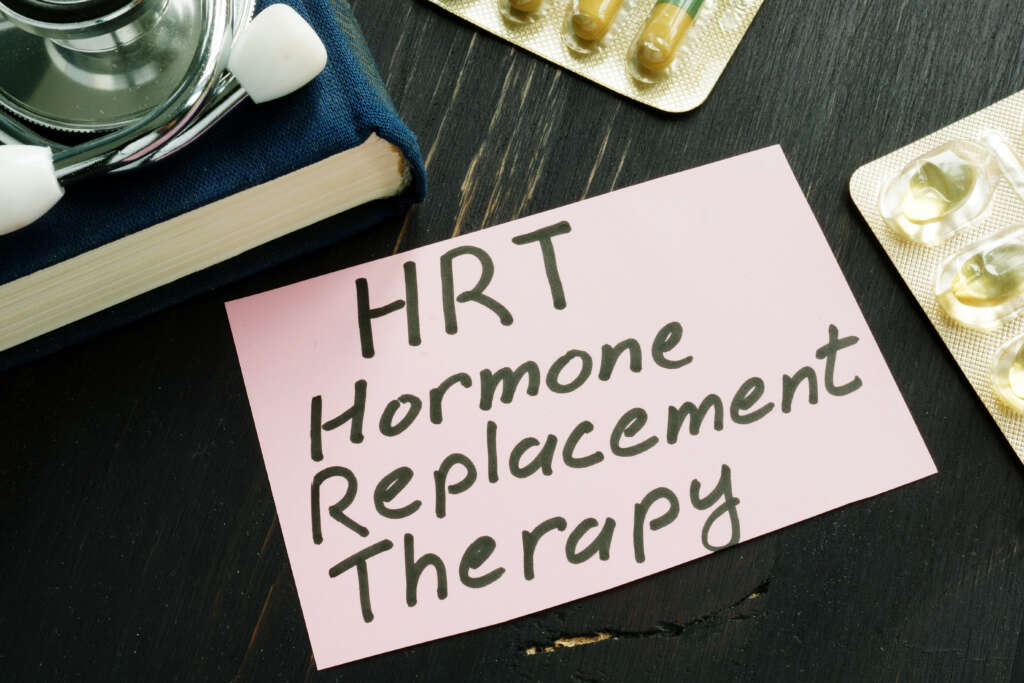
Photo by Stock.Adobe.com/RFBSIP.

Is HRT a “forever” commitment, or is it something used only to bridge the most difficult years of the transition?

Hormone replacement therapy isn’t automatically a lifelong prescription—it’s more of a personalized timeline. Traditionally, many clinicians recommended using HRT for the shortest time needed to control symptoms, often a few years during the most intense phase of hot flashes, sleep disruption, and other perimenopausal symptoms. For many women, that ends up being 3–5 years.

However, modern thinking has become more nuanced. Some women choose to stay on estrogen longer because it continues to support bone health, quality sleep, and overall quality of life, particularly if symptoms return when they stop. Current guidance from organizations like the North American Menopause Society suggests there is no mandatory stop date as long as a woman is healthy, benefits from therapy, and reviews risks with her clinician periodically.

In practice, some women use HRT as a temporary bridge, while others continue longer with careful monitoring. The key is individualized decision-making rather than a fixed expiration date. Current data suggest that starting hormones early in the menopause transition has the highest potential for preventing dementia or cardiovascular disease, but the length of time a woman should use them for maximum benefit has yet to be determined.


© 2008-2025 Midtown magazine, LLC. All rights reserved. Copyright applies to all pages on this website. | Privacy Policy

The Wellness Edit: Navigating Women’s Health with Dr. Maddison Welcome to our new recurring series dedicated to the complexities of the female body. In a world of “wellness” hype and conflicting online advice, we are partnering with local expert Dr. Sarah Maddison to bring you clear, evidence-based, and personable insights into the health topics that matter most to our readers. From hormonal shifts to preventative care, consider this your go-to resource for navigating every life stage with confidence and clarity.

By Kyle Marie McMahon and Dr. Sarah Maddison

For decades, the conversation around hormone replacement therapy has been whispered in hushed tones, usually accompanied by a side of outdated fear-mongering and a “just deal with it” attitude toward aging. We’ve been told that hot flashes, brain fog, and the sudden disappearance of our libido are just the tax we pay for living a long life. But if you’ve spent any time looking into recent shifts in women’s medicine, you know the narrative is finally changing—and it’s about time.

The problem is that when you go looking for clarity on HRT, you often find yourself caught between terrifying headlines from 20 years ago and modern “wellness” influencers trying to sell you a miracle cream. It’s enough to make anyone just close their laptop and keep suffering in silence.

In this installment of The Wellness Edit, we’re taking the gloves off and looking at the science of hormones. I’ve asked Dr. Sarah Maddison to help us dismantle the myths surrounding HRT so we can understand what it actually does for the female body. No fluff, no fear-based rhetoric—just a straight-up look at how we can reclaim our vitality without the guesswork.
There is a lot of lingering fear regarding HRT; how has the modern medical view shifted in terms of safety and benefits?

Hormone replacement therapy (HRT) carries a lot of baggage, largely thanks to early reports from the Women’s Health Initiative in the early 2000s that suggested increased risks. What’s become clearer over the past two decades is that those results were often overgeneralized. Many of the women in that study were in their 60s—well past the typical age when therapy would begin today. Consequently, on November 10, 2025, the U.S. Food & Drug Administration announced that it would begin removing the long-standing “black box” warnings from menopausal hormone therapy products containing estrogen.

Modern research shows that for healthy women under 60 or within about 10 years of menopause, HRT can be both safe and highly effective for treating symptoms like hot flashes, sleep disruption, and mood changes. It may also provide benefits for bone health and possibly cardiovascular health when started at the right time.

Photo by Stock.Adobe.com/Dream@do.

Today, the approach is much more individualized—considering age, health history, and symptom severity. Rather than a one-size-fits-all risk, HRT is now viewed as an important tool that, when used thoughtfully, can significantly improve quality of life for many women.

Which symptoms—like brain fog or joint pain—respond most effectively to HRT, and which might require a different approach?

Hormone therapy is particularly effective for symptoms that are directly driven by estrogen decline. The clearest responders are hot flashes, night sweats, sleep disruption, and vaginal or urinary symptoms. Many women also notice meaningful improvement in mood stability and brain fog, largely because better sleep and more stable hormone levels support cognitive function. Joint aches and stiffness can improve as well for some women, since estrogen has anti-inflammatory effects and plays a role in joint and connective tissue health.

That said, not every symptom of midlife responds fully to hormones. Persistent brain fog, fatigue, or weight changes may also involve sleep quality, stress, thyroid issues, nutrition, or metabolic changes. Joint pain, for example, can improve with hormone therapy but often benefits from strength training, anti-inflammatory nutrition, and physical therapy as well.

In practice, the most successful approach is often multifactorial—using hormone therapy to address the hormonal component while also supporting sleep, mental health, metabolic health, and musculoskeletal strength.

Photo by Stock.Adobe.com/Sebra.

Can you break down the pros and cons of the different delivery methods, such as patches, pills, or pellets?

Estrogen therapy comes in a few delivery styles, and choosing one is a bit like picking your coffee order—same goal, different route. Pills are the classic option. They’re convenient and familiar, but because they pass through the liver first, they can slightly increase risks like blood clots for some women. Patches, gels, and sprays deliver estrogen through the skin, bypassing the liver entirely. That tends to create steadier hormone levels and a lower clot risk, which is why many clinicians consider transdermal options the modern favorite. The trade-off? You have to remember to change a patch or apply the gel regularly, and occasionally, skin irritation makes an appearance. 

Pellets are tiny implants placed under the skin that release hormones for a few months. Convenient, yes, but doses can’t be adjusted once they’re in, so if you have a complication like abnormal bleeding or breast cancer, they cannot be removed. Also, they’re not FDA-approved for menopause therapy, which means the agency has not reviewed it for safety, efficacy, or quality, posing potential risks of unknown ingredients, dangerous side effects, or ineffective treatment. It does not necessarily mean the drug is dangerous, but rather that its safety and manufacturing consistency have not been verified by the Food & Drug Administration. Unlike FDA-approved hormones, which are typically covered by your insurance, if you go the pellet route, you’ll be paying out of pocket. As always, the best option is the one tailored to the individual.

For those who cannot or choose not to use hormones, what are the most effective nonhormonal alternatives available today?

For women who prefer to skip hormones—or can’t take them—there are actually more options than many people realize. Lifestyle tweaks are the unsung heroes: regular exercise, good sleep habits, and limiting alcohol can noticeably reduce hot flashes and improve mood.

Certain antidepressants (like SSRIs or SNRIs) in low doses are often prescribed to calm hot flashes and night sweats. Newer nonhormonal medications, such as Veozah and Lynkuet, work by targeting the brain’s temperature-regulation center and can significantly reduce vasomotor symptoms. For vaginal dryness or urinary symptoms, localized moisturizing treatments such as hyaluronic acid suppositories are available without a prescription and can help restore comfort. Some women also explore cognitive behavioral therapy for sleep or mindfulness practices to steady the stress response.

Supplements get a lot of attention, but the evidence is mixed—so it’s wise to discuss those with a clinician first. A company named Bonafide sells many nonhormonal products online and in select Target stores without a prescription, and is a reputable source that I trust. In other words, hormones aren’t the only tool in the toolbox; they’re just one of several ways to help women feel like themselves again.

Photo by Stock.Adobe.com/RFBSIP.

Is HRT a “forever” commitment, or is it something used only to bridge the most difficult years of the transition?

Hormone replacement therapy isn’t automatically a lifelong prescription—it’s more of a personalized timeline. Traditionally, many clinicians recommended using HRT for the shortest time needed to control symptoms, often a few years during the most intense phase of hot flashes, sleep disruption, and other perimenopausal symptoms. For many women, that ends up being 3–5 years.

However, modern thinking has become more nuanced. Some women choose to stay on estrogen longer because it continues to support bone health, quality sleep, and overall quality of life, particularly if symptoms return when they stop. Current guidance from organizations like the North American Menopause Society suggests there is no mandatory stop date as long as a woman is healthy, benefits from therapy, and reviews risks with her clinician periodically.

In practice, some women use HRT as a temporary bridge, while others continue longer with careful monitoring. The key is individualized decision-making rather than a fixed expiration date. Current data suggest that starting hormones early in the menopause transition has the highest potential for preventing dementia or cardiovascular disease, but the length of time a woman should use them for maximum benefit has yet to be determined.

This Pop-up Is Included in the Theme
Best Choice for Creatives
Purchase Now