
Skip to content Skip to sidebar Skip to footer

Why characters and identity matter more than technology

By Dr. Alan Hahn

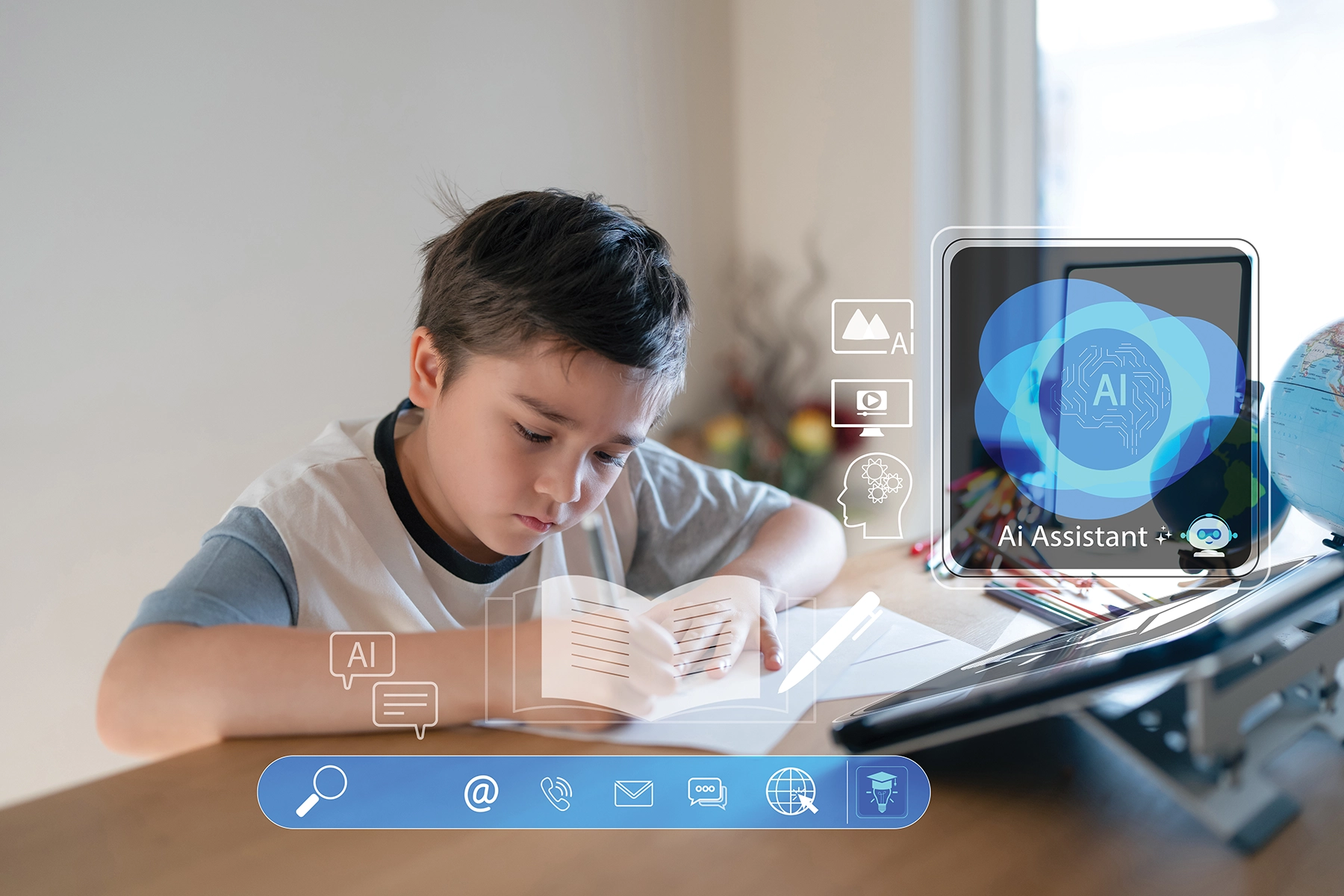
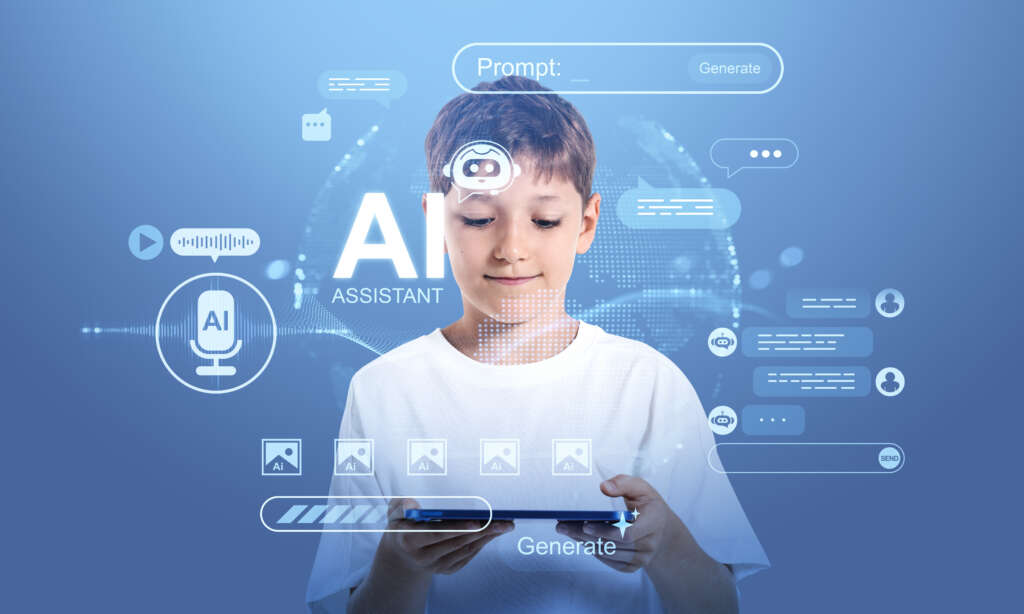
Artificial intelligence is advancing so quickly that the world our children will inherit is changing even as we write. In the coming months—not just years—AI will perform many tasks once thought uniquely human, from writing and coding to diagnosing illnesses and creating art.

As machines grow more capable, the most important question for parents may no longer be what skills will our children learn—but what kind of people will they become.

This raises a deeper question: How do we prepare our children for a world where AI and machines will do so much?

The answer may surprise us. The best preparation for an AI-dominated future may not be more technology. It will be stronger families, clearer identity, and deeper character formation. Identity Before Skills
Technology will change rapidly, but identity endures. Young people flourish when they understand who they are and what kind of people they are called to become.

At Iron Academy, we use a framework called ForgePoint, which forms students through a set of shared identity statements—ten powerful declarations of the kind of people we are committed to becoming, such as: We are people who leave people and places better than we found them.

When students make mistakes—as all of us do—we don’t punish behavior. Instead, we call them back to the kind of people they are learning to become. An older student might respond to a younger student’s snide remark about the slightly quirky student, “That’s not who we are here. We are people who build others up.”

Correction, especially from an older student, becomes an invitation back to identity. The goal isn’t shame—it’s formation.
Parents can practice this at home as well. Consider writing three to five identity statements for your family, such as:

• We are people who tell the truth.

• We are people who serve others.

• We are people who finish hard things.

Stock.Adobe.com/Family Stock.

In a world shaped by artificial intelligence, identity will matter more than ever.

Machines can process information and reveal new possibilities, but only humans can live with transcendent moral purpose.

Skills AI Cannot Replace

AI will outperform humans in many technical tasks. But several human capacities will become even more valuable. These include:

• Judgment and wisdom

• Moral courage

• Interpersonal communication

• Teamwork and leadership

• Empathy

These abilities grow primarily through real human interaction, not screens.

So what can parents do?

Start at home. Invite your children to debate ideas at the dinner table, present their thoughts clearly, and work through disagreements with civility and honor—learning to disagree without treating others as enemies.

Let them wrestle with problems, make decisions, and learn to think instead of immediately outsourcing the hard work of thinking to devices.

The future will reward those who can think clearly, communicate persuasively, live wisely, and lead others well—abilities no algorithm can fully replicate.

Stock.Adobe.com/cherdchai.
Protect Attention

Ironically, the more powerful AI becomes, the more important it will be to protect human attention.

Many families are rediscovering the power of intentional “no-tech rhythms,” such as:

• Device-free dinners

• Weekly tech-free evenings

• Vacations where phones stay behind

• Outdoor adventures that demand presence

Children who grow up learning to focus, listen, and engage deeply with others will possess a rare advantage in a distracted world.

Reinforce these habits through significant outdoor experiences that require teamwork, resilience, and real-world problem solving.

At Iron Academy, freshmen hike a section of the Appalachian Trail, learning perseverance and brotherhood in the mountains. Juniors undertake a nine-day canoe expedition from Jordan Lake to Wilmington, navigating rivers, cooking meals, and solving problems as a team.

Experiences like these cultivate judgment, leadership, and grit that technology cannot replicate. But families do not need a school program or a major expedition to begin.

A weekend camping trip, a daylong hike, a paddling excursion on a local river, or even a backyard campfire where phones are put away can become powerful formation moments. Small adventures repeated over time shape character.
Stock.Adobe.com/ImageFlow.
Joy, Encouragement, Correction

Children do not develop character by accident. They grow best in homes where joy, encouragement, and loving correction are practiced consistently.

Joy matters more than many parents realize. Children are deeply shaped by whether they feel that the adults in their lives are genuinely glad to be with them. When a child regularly sees delight in a parent’s face, they feel a sense of security and openness to growth.

Encouragement then strengthens identity. Parents might say things like, “You handled that with maturity” or “That was kind of you to include him.” Over time, these moments reinforce the kind of person a child is becoming.

Healthy correction works the same way. Instead of shaming a child, wise parents call them back to their identity: “That’s not who we are. In our family, we tell the truth.”

The goal is not perfection—it is formation. Parents who consistently say things like “We are the kind of family who keeps our word” or “We take responsibility when we make mistakes” are shaping a powerful culture.

Over time, children begin to internalize those values as part of their identity. The Formed Will Lead Artificial intelligence will undoubtedly transform the economy, education, and daily life. Yet the deepest human questions will remain unchanged.

What kind of people will we become? What kind of families will we build? What kind of character will guide our decisions? The future will belong not simply to those who understand technology, but to those who are wise enough to love and lead well in an AI-dominated world.

In a world increasingly shaped by AI, the greatest advantage may simply be raising deeply human children—men and women who will live with wisdom, courage, honor, and love.


Dr. Alan Hahn is the founder and CEO of Iron Academy, a private, all-male Christian school serving students in grades 6–12 in Raleigh. Learn more at ironacademy.org.

© 2008-2025 Midtown magazine, LLC. All rights reserved. Copyright applies to all pages on this website. | Privacy Policy

By Dr. Alan Hahn

Artificial intelligence is advancing so quickly that the world our children will inherit is changing even as we write. In the coming months—not just years—AI will perform many tasks once thought uniquely human, from writing and coding to diagnosing illnesses and creating art.

As machines grow more capable, the most important question for parents may no longer be what skills will our children learn—but what kind of people will they become.

This raises a deeper question: How do we prepare our children for a world where AI and machines will do so much?

The answer may surprise us. The best preparation for an AI-dominated future may not be more technology. It will be stronger families, clearer identity, and deeper character formation. Identity Before Skills
Technology will change rapidly, but identity endures. Young people flourish when they understand who they are and what kind of people they are called to become.

At Iron Academy, we use a framework called ForgePoint, which forms students through a set of shared identity statements—ten powerful declarations of the kind of people we are committed to becoming, such as: We are people who leave people and places better than we found them.

When students make mistakes—as all of us do—we don’t punish behavior. Instead, we call them back to the kind of people they are learning to become. An older student might respond to a younger student’s snide remark about the slightly quirky student, “That’s not who we are here. We are people who build others up.”

Correction, especially from an older student, becomes an invitation back to identity. The goal isn’t shame—it’s formation.
Parents can practice this at home as well. Consider writing three to five identity statements for your family, such as:

• We are people who tell the truth.

• We are people who serve others.

• We are people who finish hard things.

Stock.Adobe.com/Family Stock.

In a world shaped by artificial intelligence, identity will matter more than ever.

Machines can process information and reveal new possibilities, but only humans can live with transcendent moral purpose.

Skills AI Cannot Replace

AI will outperform humans in many technical tasks. But several human capacities will become even more valuable. These include:

• Judgment and wisdom

• Moral courage

• Interpersonal communication

• Teamwork and leadership

• Empathy

These abilities grow primarily through real human interaction, not screens.

So what can parents do?

Start at home. Invite your children to debate ideas at the dinner table, present their thoughts clearly, and work through disagreements with civility and honor—learning to disagree without treating others as enemies.

Let them wrestle with problems, make decisions, and learn to think instead of immediately outsourcing the hard work of thinking to devices.

The future will reward those who can think clearly, communicate persuasively, live wisely, and lead others well—abilities no algorithm can fully replicate.

Stock.Adobe.com/cherdchai.
Protect Attention

Ironically, the more powerful AI becomes, the more important it will be to protect human attention.

Many families are rediscovering the power of intentional “no-tech rhythms,” such as:

• Device-free dinners

• Weekly tech-free evenings

• Vacations where phones stay behind

• Outdoor adventures that demand presence

Children who grow up learning to focus, listen, and engage deeply with others will possess a rare advantage in a distracted world.

Reinforce these habits through significant outdoor experiences that require teamwork, resilience, and real-world problem solving.

At Iron Academy, freshmen hike a section of the Appalachian Trail, learning perseverance and brotherhood in the mountains. Juniors undertake a nine-day canoe expedition from Jordan Lake to Wilmington, navigating rivers, cooking meals, and solving problems as a team.

Experiences like these cultivate judgment, leadership, and grit that technology cannot replicate. But families do not need a school program or a major expedition to begin.

A weekend camping trip, a daylong hike, a paddling excursion on a local river, or even a backyard campfire where phones are put away can become powerful formation moments. Small adventures repeated over time shape character.

Stock.Adobe.com/ImageFlow.
Joy, Encouragement, Correction

Children do not develop character by accident. They grow best in homes where joy, encouragement, and loving correction are practiced consistently.

Joy matters more than many parents realize. Children are deeply shaped by whether they feel that the adults in their lives are genuinely glad to be with them. When a child regularly sees delight in a parent’s face, they feel a sense of security and openness to growth.

Encouragement then strengthens identity. Parents might say things like, “You handled that with maturity” or “That was kind of you to include him.” Over time, these moments reinforce the kind of person a child is becoming.

Healthy correction works the same way. Instead of shaming a child, wise parents call them back to their identity: “That’s not who we are. In our family, we tell the truth.”

The goal is not perfection—it is formation. Parents who consistently say things like “We are the kind of family who keeps our word” or “We take responsibility when we make mistakes” are shaping a powerful culture.

Over time, children begin to internalize those values as part of their identity. The Formed Will Lead Artificial intelligence will undoubtedly transform the economy, education, and daily life. Yet the deepest human questions will remain unchanged.

What kind of people will we become? What kind of families will we build? What kind of character will guide our decisions? The future will belong not simply to those who understand technology, but to those who are wise enough to love and lead well in an AI-dominated world.

In a world increasingly shaped by AI, the greatest advantage may simply be raising deeply human children—men and women who will live with wisdom, courage, honor, and love.

Dr. Alan Hahn is the founder and CEO of Iron Academy, a private, all-male Christian school serving students in grades 6–12 in Raleigh. Learn more at ironacademy.org.

This Pop-up Is Included in the Theme
Best Choice for Creatives
Purchase Now