By Beverly Hurley
The story of the poinsettia (Euphorbia pulcherrima) goes back to the ancient Aztecs, but it wasn’t until 1825 that it was introduced to the United States by Joel Roberts Poinsett, a Charleston native and U.S. ambassador to Mexico. The plant was named for him. Later, the Ecke family, pioneers in California’s flower industry, gained fame growing poinsettias in their fields in Carlsbad (near San Diego) and marketing these for indoor Christmas use, making the plant a holiday staple in the U.S. The rest is history.
There is no doubt that the poinsettia is the signature plant of the holiday season, but have you considered other festive plants for your yuletide décor?
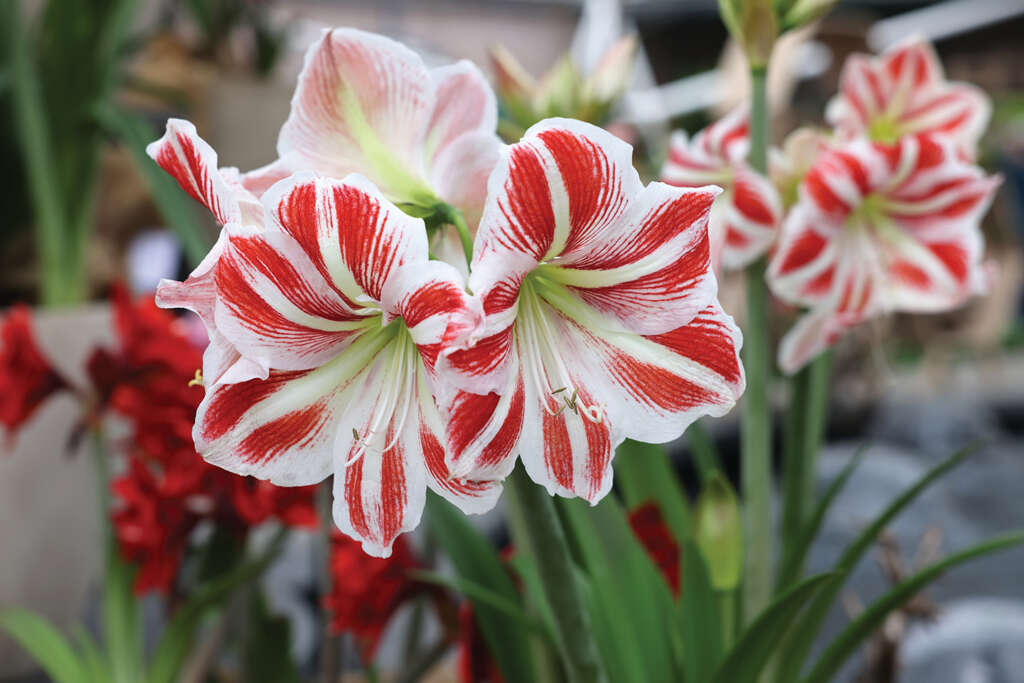
Amaryllis
Many shy away from growing amaryllis for the holidays, concerned that they’re too finicky or that the bulb must be tossed once the bloom fades. But amaryllis are easy to grow and can be enjoyed for years in your home or garden. While traditional red or white varieties are beautiful, look for unusual types with stripes or double flowers. Local tip: Amaryllis are hardy in the Triangle, so plant these outside in spring and enjoy them for years.
Christmas Cactus
With vibrant blooms and easy-care charm, Christmas cactus brings warmth and color to your home during the holidays. Give it bright, indirect light, don’t overwater, and enjoy its beautiful flowers throughout the season. Christmas cactus can live and bloom for decades, so identify who will inherit your plant when you are gone.
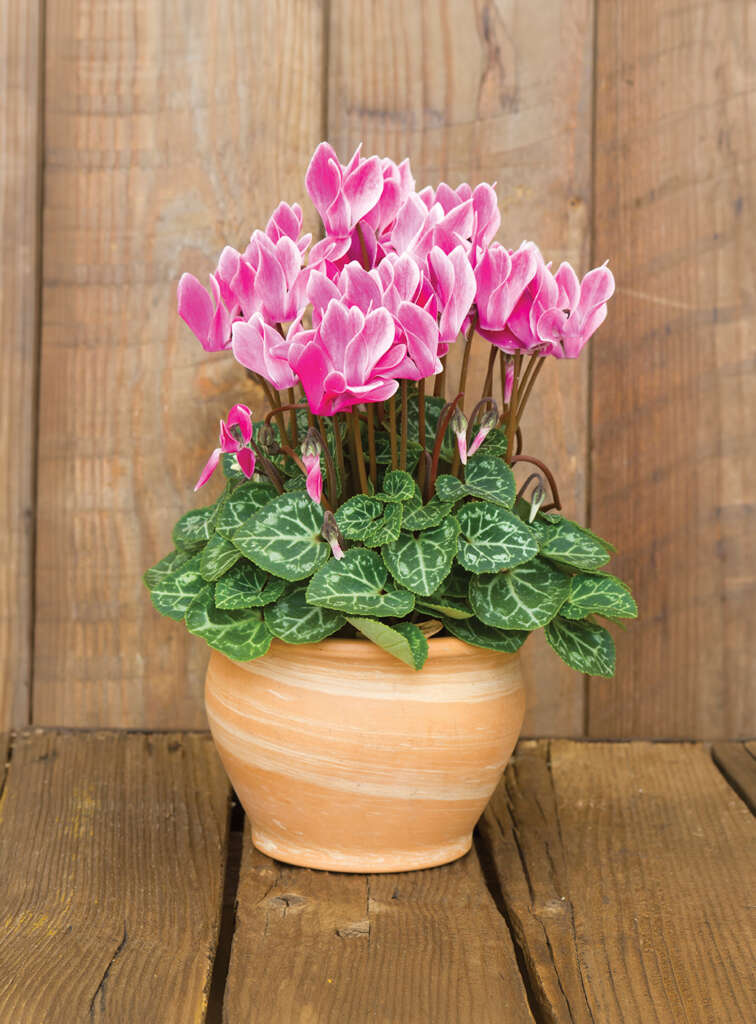
Cyclamen
Cyclamen may look like fussy houseplants, but they’re relatively easy to grow and have a long bloom time, often flowering through winter and into mid-spring. To keep them thriving, water from the bottom by pouring water into the saucer rather than directly onto the plant’s crown, which can be prone to rot. They prefer cooler indoor temperatures, around 68 degrees, and bright, indirect light. Keep them away from household heater vents.

Paperwhites
Paperwhites are among the easiest bulbs to force indoors for the holidays. Almost any container without drainage holes will work. Add two to three inches of pebbles, glass beads, or marbles, then place three bulbs, root-side down, on top. Use more bulbs for larger containers. Add room-temperature water until it reaches just below the base of the bulbs and replenish as needed. In about four weeks, fragrant blossoms will fill your home.
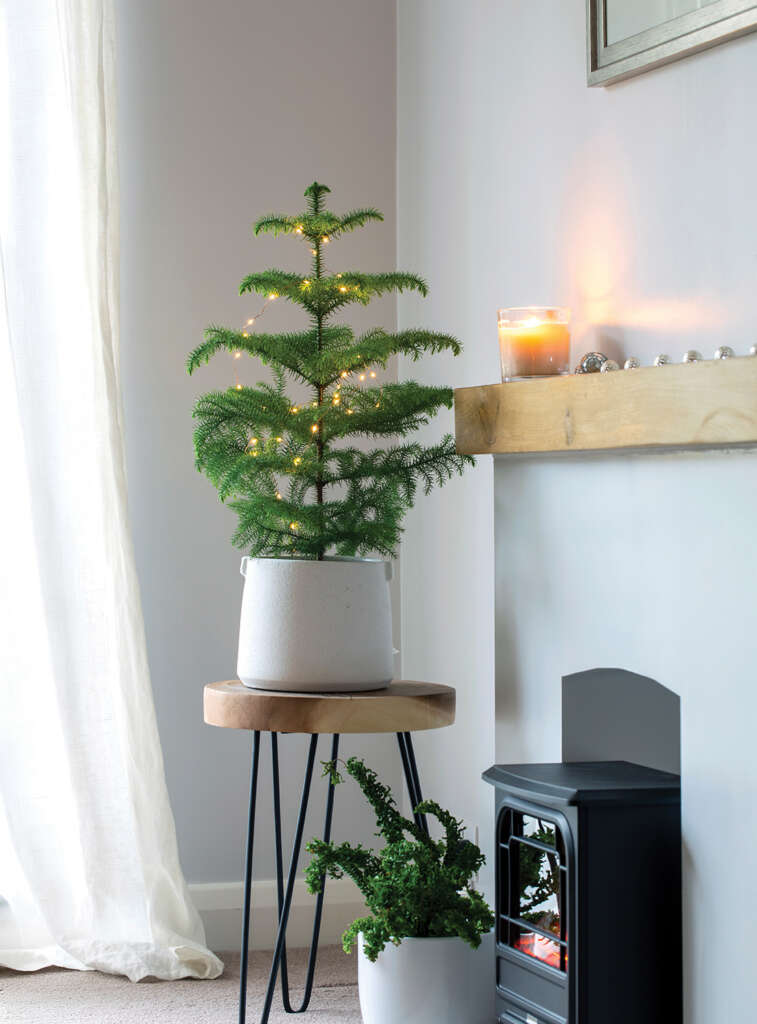
Norfolk Island Pines
Bring holiday greenery indoors with a Norfolk Island Pine. Its soft, symmetrical branches give it the look of a miniature Christmas tree. Place it in bright, indirect light, keep the soil lightly moist, and avoid drafts. With proper care, it will stay green long after Christmas. A potted rosemary plant is another option, offering fragrant greenery indoors before moving it to the garden in spring.
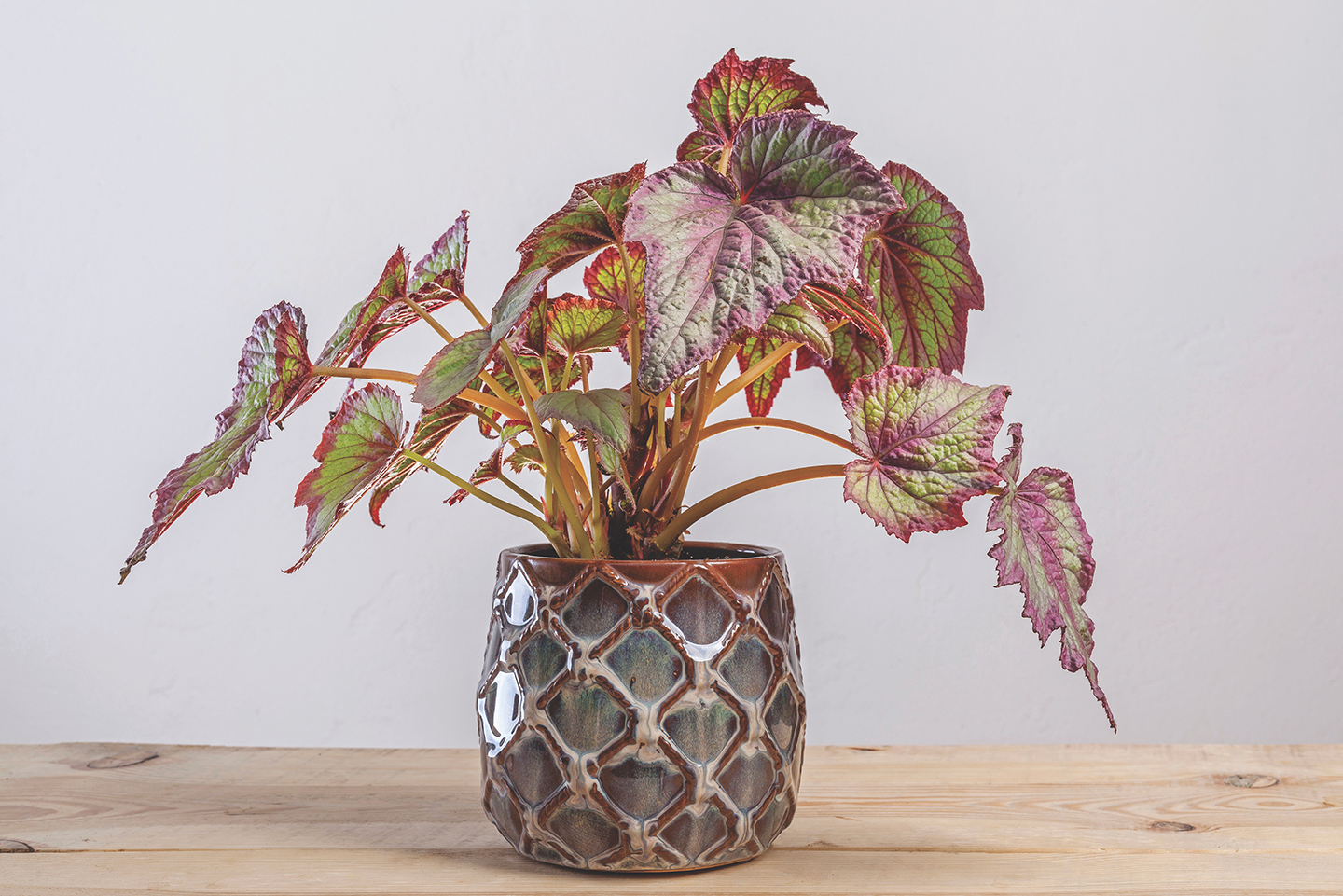
Rex Begonia
These beauties have it all—color, texture, shape, and patterns. Your biggest challenge may be choosing just one. Rex begonias do best in bright, filtered light, warm temperatures, and high humidity. Place them on a pebble tray with water to increase humidity, and allow the soil to dry between waterings.
DIY Arrangement
I use a favorite blue-and-white ceramic container to create my own holiday arrangement. I combine holly snipped from trees in my yard, evergreen branches, white hellebore flowers blooming in my garden, white and green mums, and red or white roses from the grocery store, and any other festive plants I can find.
Or you can browse the houseplant section of your local garden center to make an arrangement. Add colorful ornaments and holiday bows to transform almost any houseplant into a festive centerpiece.
And if your heart is set on a poinsettia, there’s no need to settle for traditional red. Today’s poinsettias come in a rainbow of colors and styles, including varieties with stripes, speckles, dots, and unusual colors that are sure to make your holiday décor stand out.
Beverly Hurley is the editor of Triangle Gardener and the website gardendestinations.com.