

By Sarah Merritt Ryan
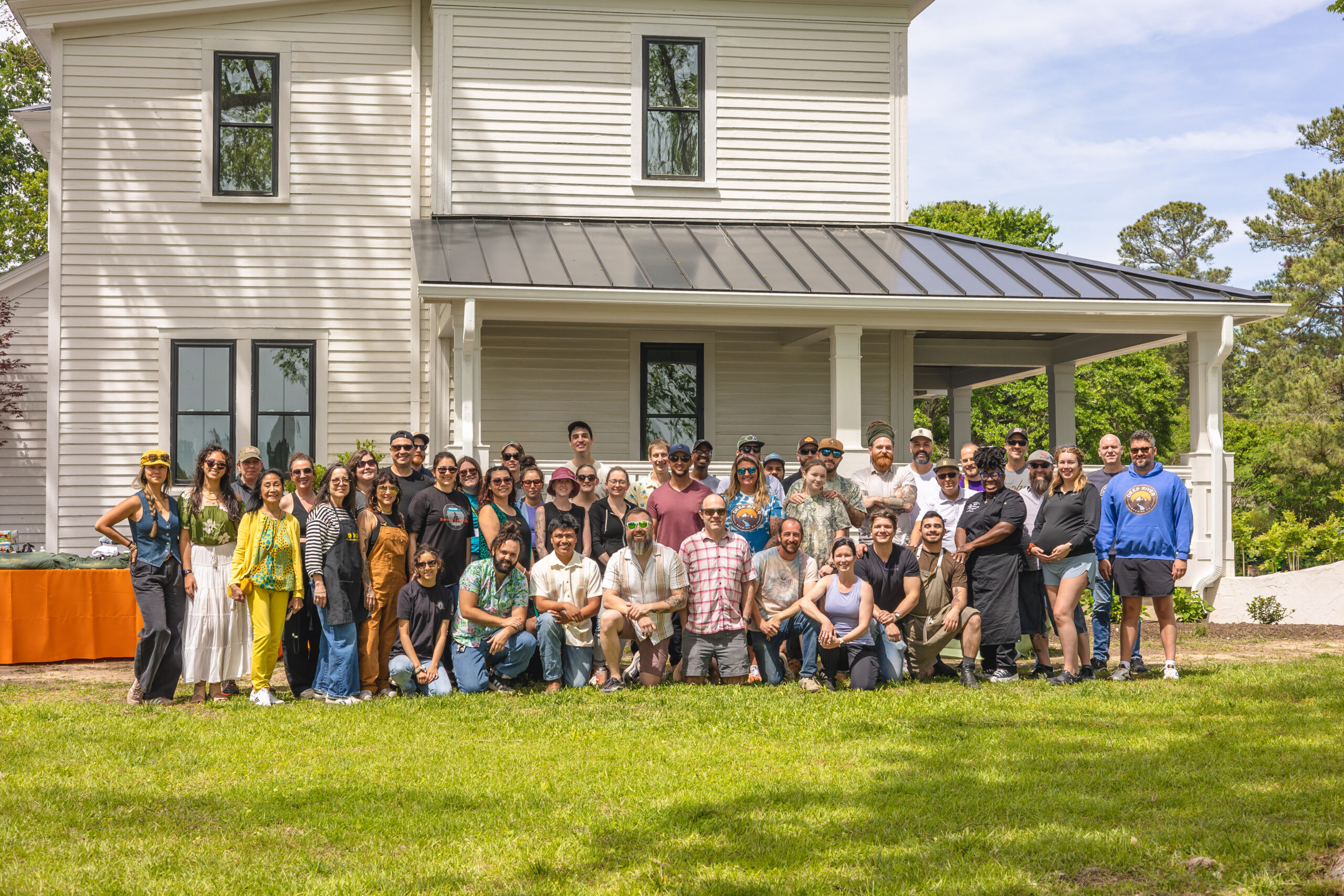
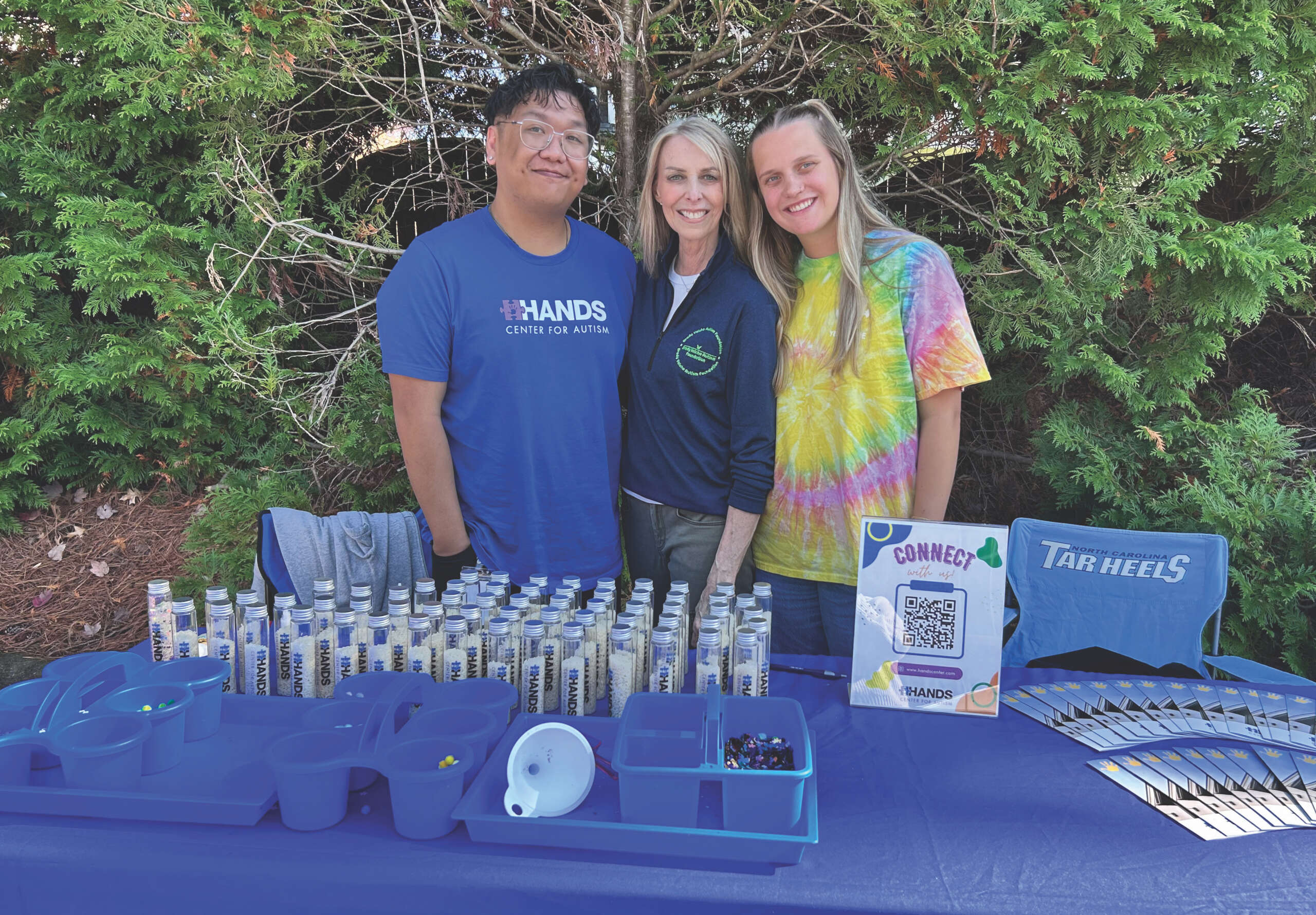
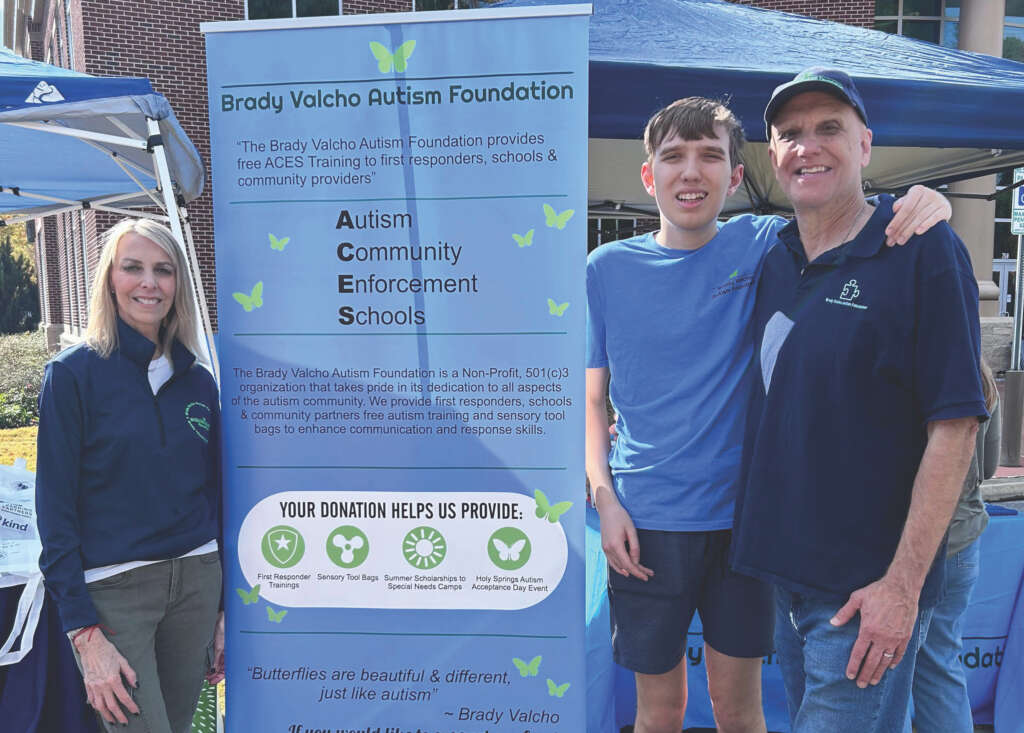
After moving from Florida to Holly Springs in 2016, Gaile Valcho saw a gap in autism resources—and in helping families navigate the ones that already existed. She and her husband, Matt, co-founded the Brady Valcho Autism Foundation, a nonprofit that now serves autistic individuals and their families throughout Wake County. Its signature event, Autism Acceptance Day, draws families from across the 5 West region and returns for its 10th year on November 7, 2026, at Sugg Farm at Bass Lake. We caught up with Gaile to discuss the work of turning awareness into acceptance.
You are highly connected with every autism organization in North Carolina and wear many hats in the 5 West community. What is your “why”?
We moved here when Brady was 8 years old. Brady is a high academic achiever but has challenging behaviors that required a person to help him navigate his day at school. This accommodation he needs has never been a problem before, so I was shocked that the school he was districted to slid his whole file back to me without meeting him and said they don’t have a placement for him. I called our doctor, and he referred us to a family navigator who helped place Brady at Holly Ridge Elementary.
Along with having difficulty finding therapies, I’ve identified something in my community that was lacking: families not being able to find resources for their autistic children and loved ones.
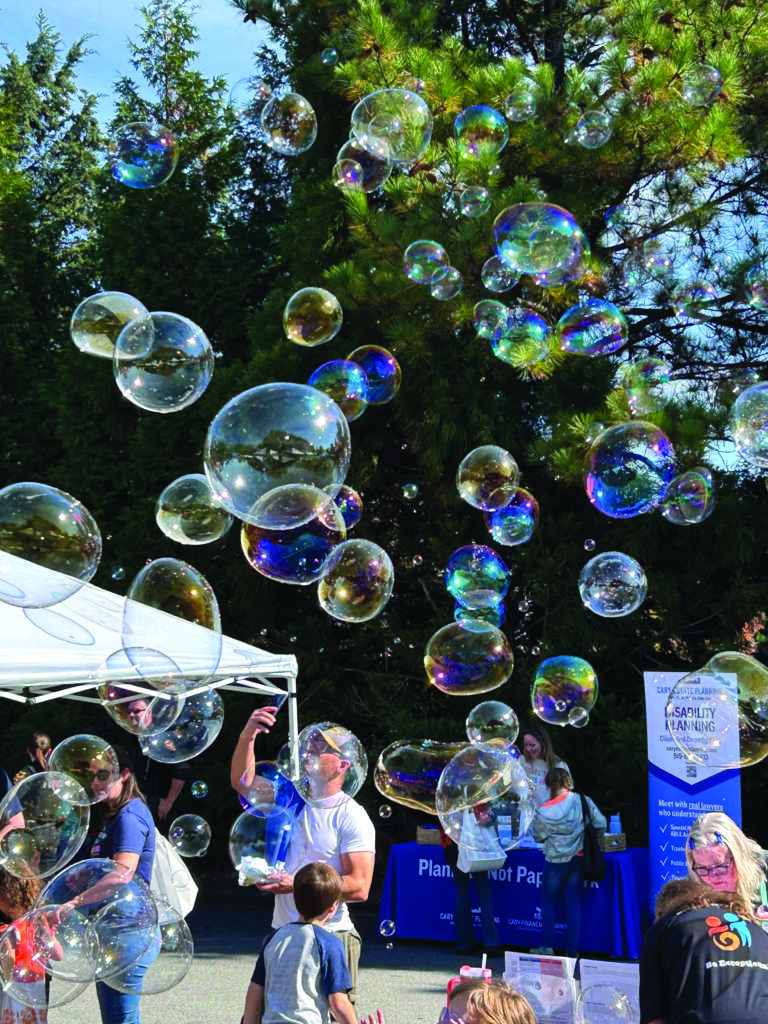
Tell us about Autism Acceptance Day and how it came to be.
I was part of the Holly Springs Run Club and met Captain Patterson, now retired from the Holly Springs Police Department. I suggested an event or community day. He said that he would like to be more involved with the autistic community and families, but they just don’t know how. He ran the idea of my community day by the Chief, and he loved it. He said we could have the event in their facility.
Explain the program you’ve developed to train police officers on sensitivity, understanding and accommodations for individuals with autism.
I also asked him about the existing police training on how to understand and accommodate autism. I now perform a two-hour training seminar to police through a slide presentation and videos. I’m not a psychologist, clinician, or in law enforcement, but I try to go into more depth about the sensory system. To me, the five senses are very connected to autism and behaviors.
I believe that in these two hours, officers will come away with some good pieces of information. My goal is that police will be able to identify signs and behaviors reflective of autism and employ deescalation techniques like shutting the lights off, lowering the sirens, lowering the temperature of the situation, and utilizing sensory bags.
How does the foundation function as a reliable knowledge base of available resources, and why is that so important?
Our foundation has become a really well-known resource fair in the community, where people can come and rely on good information and good community partners who I vet personally. I interview all tables to ensure our event gives good access and good information to families and that every vendor is there for the right reasons.
We host a variety of resources, including but not limited to: how to enroll in Medicaid, intervention resources and evaluations, camps, schools, therapies, psychologists, mental health facilities, and recreational organizations.
What is the most rewarding feedback to hear about your event?
I love when parents say something like the following: “Oh, are you Gaile? This is my son’s favorite thing to do. It’s on his calendar. We all come no matter what’s going on. He wants to come because this is his thing. This is his event, and he knows this is for him.”
Why do individuals with autism find this event meaningful?
I think they finally feel seen and included. The title of the event says acceptance, and I put it there for a reason instead of awareness. Us parents have enough awareness. We’re totally aware, all day, every day, but it’s really acceptance that we want. We want our children to be accepted.
Why should Autism Acceptance Day be every day?
It shouldn’t be one day, right? It should be every day. Autistic people live here, they work here, and they belong here. My event is more a celebration of them being a vital part of the community.
For more information or to donate, go to bva.foundation or email .