By Dathan Kazsuk | Wendell Cigar Co. pairs boutique cigars, rare finds, and local tobacco history inside a historic Third Street building in downtown Wendell.
A new shop in downtown Wendell is betting that premium cigars are entering a craft era
By Dathan Kazsuk
There is a moment inside Wendell Cigar Co. when you realize this isn’t designed to be the kind of cigar store where you simply walk in, point at a familiar label, and walk back out.
Jason Stegall would rather you ask questions.
What do you normally smoke? Do you want something mild or full-bodied? Are you interested in a cigar from one of the industry’s established names, or something made by a smaller producer you may have never heard of?
Because for Stegall, the latter is where things are getting interesting.
“Cigars are going through what craft beer and craft bourbon did 10, 15 years ago,” Stegall says. “Now you’re seeing what they call boutique brands or craft brands.”
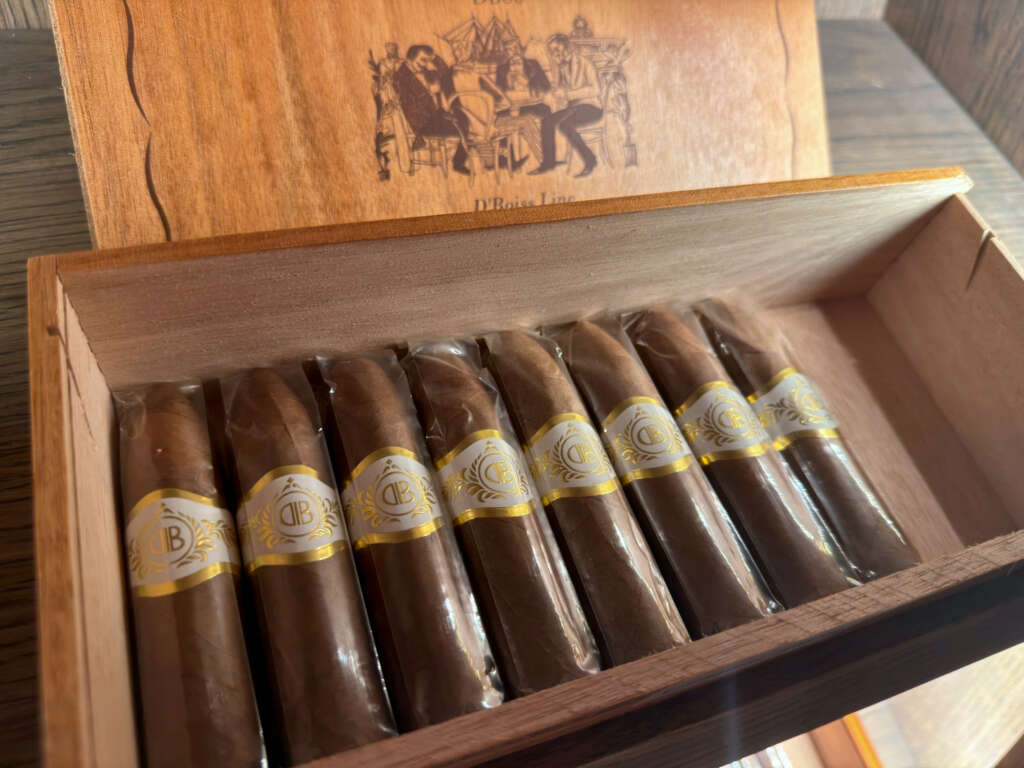
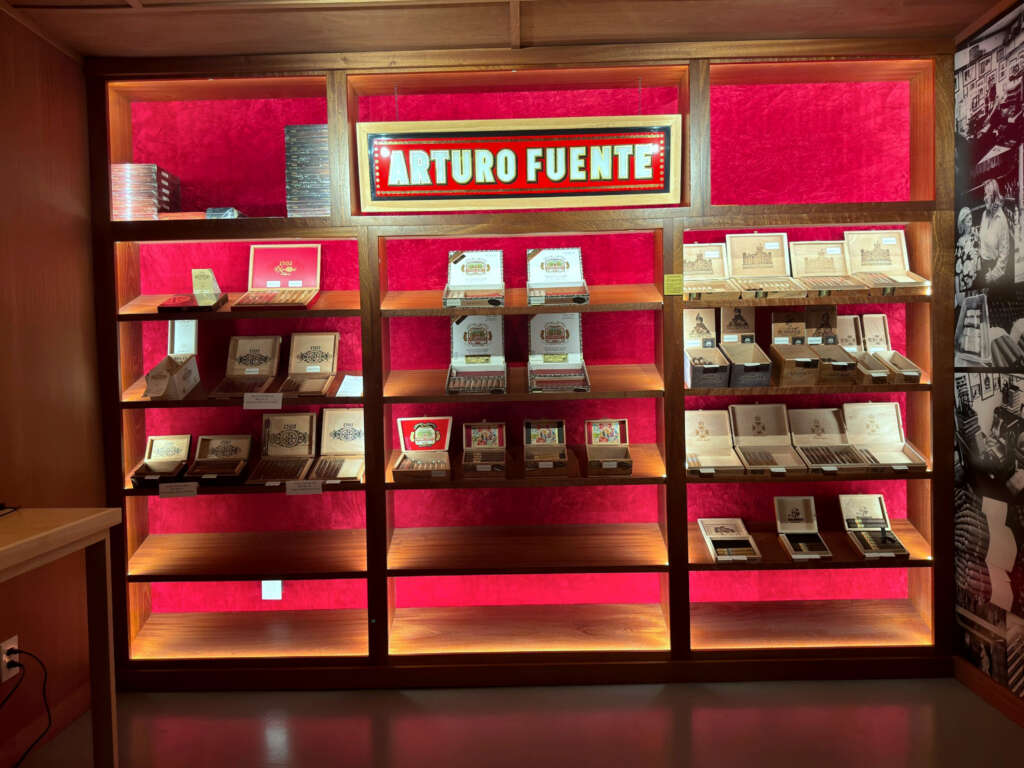
That philosophy largely defines Wendell Cigar Co., located at 209 E. Third St. in downtown Wendell. The shop describes itself as a boutique and rare cigar specialist, concentrating on small-batch producers, respected factories, and cigars selected for craftsmanship rather than simply filling the humidor with as many labels as possible.
“We bring in about two brands a month, not to overwhelm it,” he says. “More cigars don’t necessarily mean more sales. It’s kind of the quality.”
The Craft-Beer Approach to Cigars
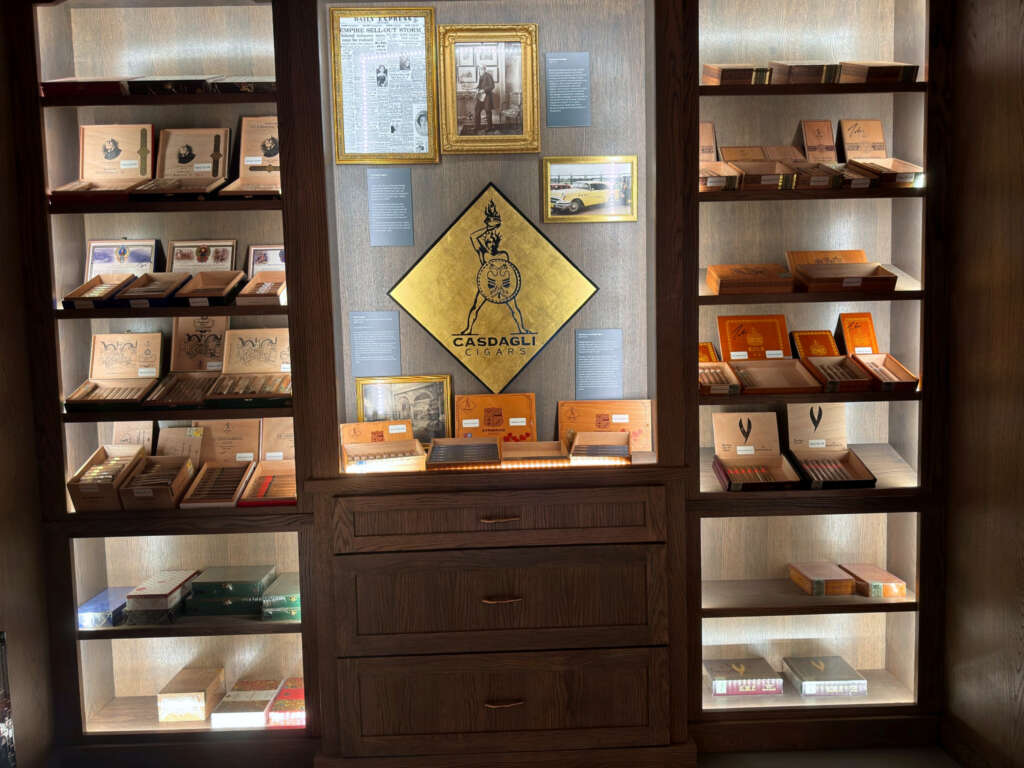
Walking through the humidor, Stegall can tell you who owns many of the companies, where their cigars are produced and, in some cases, who blended them.
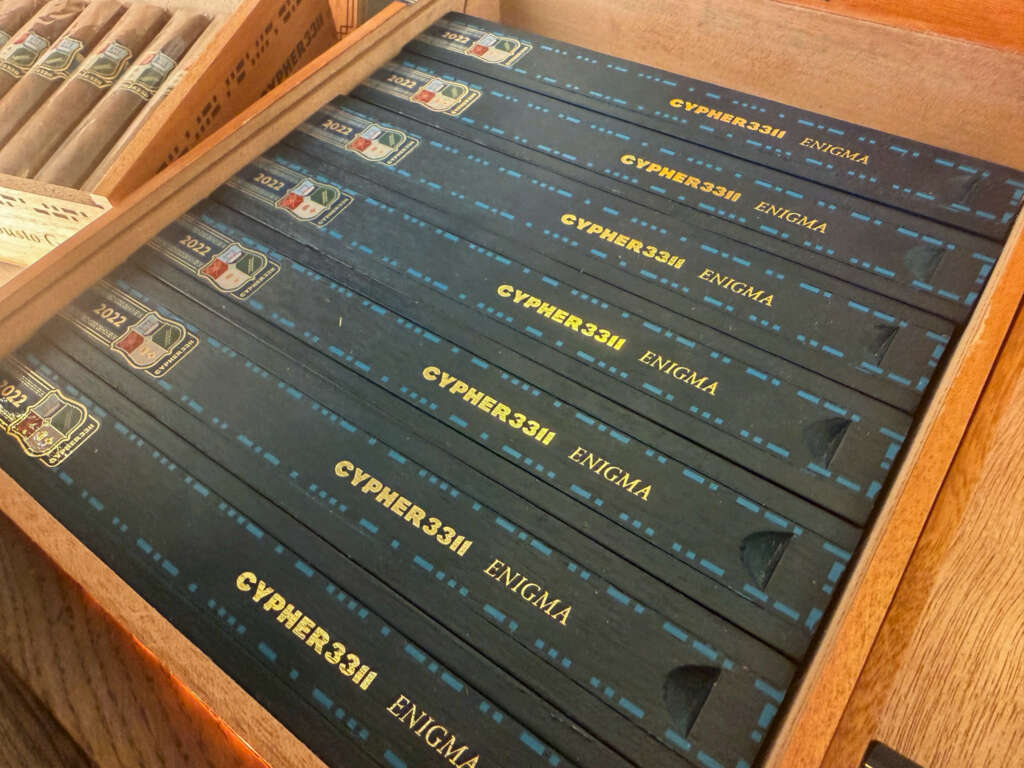
Among the boutique brands he pointed out during our visit were Warped, Avowed, Foundation and Valacari, alongside producers such as Plasencia. The shop also works with cigar makers on limited releases and exclusive sizes that customers may not find elsewhere.
That’s part of an industry, Stegall says, that has become increasingly entrepreneurial.
Instead of cigar making being dominated solely by a handful of legacy companies, smaller brand owners are traveling to Nicaragua, the Dominican Republic, and other tobacco-growing regions, working with established factories and master blenders to create their own products.
“People have figured out how to do it,” Stegall says. “People are now going, ‘Who is their blender? Where are they getting their leaves?'”
It is not that different, he says, from what consumers have already experienced with wine, beer and spirits: Interest eventually moves beyond the recognizable label toward the people making the product and how it was made.
Wendell Cigar Co.’s website reflects that approach, describing its inventory as a curated collection of boutique factories and small-batch producers rather than an attempt to stock every available brand.
More Than Picking a Label
Stegall also wants the shop to eliminate some of the intimidation that can come with walking into a specialty cigar retailer for the first time.
A premium cigar, he explains, isn’t simply one tobacco leaf rolled into a cylinder. Different leaves can play different roles in flavor, strength and combustion, with a blender adjusting the recipe until the cigar performs the way it should.
“A lot of people misunderstand cigars,” Stegall says. “They think it’s just one leaf rolled up. It’s actually a blend of a lot of different leaves for combustion, for flavor, for all kinds of different things.”
That’s why having a tobacconist nearby matters, he says.
Someone who says they prefer a milder cigar may receive an entirely different recommendation from someone looking for something bold and Nicaraguan. Some cigars may improve after additional time in proper storage; others are intentionally blended to be smoked relatively young.
“You kind of have to know,” Stegall says. “And that’s where tobacconists like us come in to kind of educate.”
Building a Cigar Community
The education doesn’t stop at the counter.
Wendell Cigar Co. has been developing events that bring cigar-company owners and representatives into the shop, allowing customers to meet the people behind the brands. Its website also lists curated experiences and a private room built around limited and rare cigars.
Stegall says those personal connections are particularly important in the boutique cigar world.
“When we do this once a month, for cigar people, it’s like your time to get in front of him,” Stegall says of visiting cigar makers. “You can meet the owner, ask him questions about his brands.”
And eventually, Stegall wants one of the most interesting cigars in the humidor to come from considerably closer to home.
Wendell Cigar Co. has been experimenting with locally grown Wake County flue-cured tobacco, harvested by hand and cured using older methods before being sent to the Dominican Republic for fermentation and experimentation in a cigar blend.
Stegall readily acknowledges that flue-cured tobacco isn’t traditionally used as cigar tobacco, making the project as much experiment as product development.
“We thought it’d be cool to do something with a local farmer,” he says.
That experiment also connects Wendell Cigar Co. to something much larger than what’s sitting in its humidor.
The shop occupies a building tied to Wendell’s tobacco history, in a town where the leaf once powered much of the local economy.
And that story is every bit as important to Stegall as the cigars themselves.
“We’ve got to do something to pay respect to the tobacco history,” he says.
At Wendell Cigar Co., that respect comes with a modern twist: part retail shop, part classroom, part gathering space and part reminder that “craft” existed in tobacco long before the word became a marketing term.