
Skip to content Skip to sidebar Skip to footer

Beyond the Scale: What to Know About GLP-1 Weight Loss

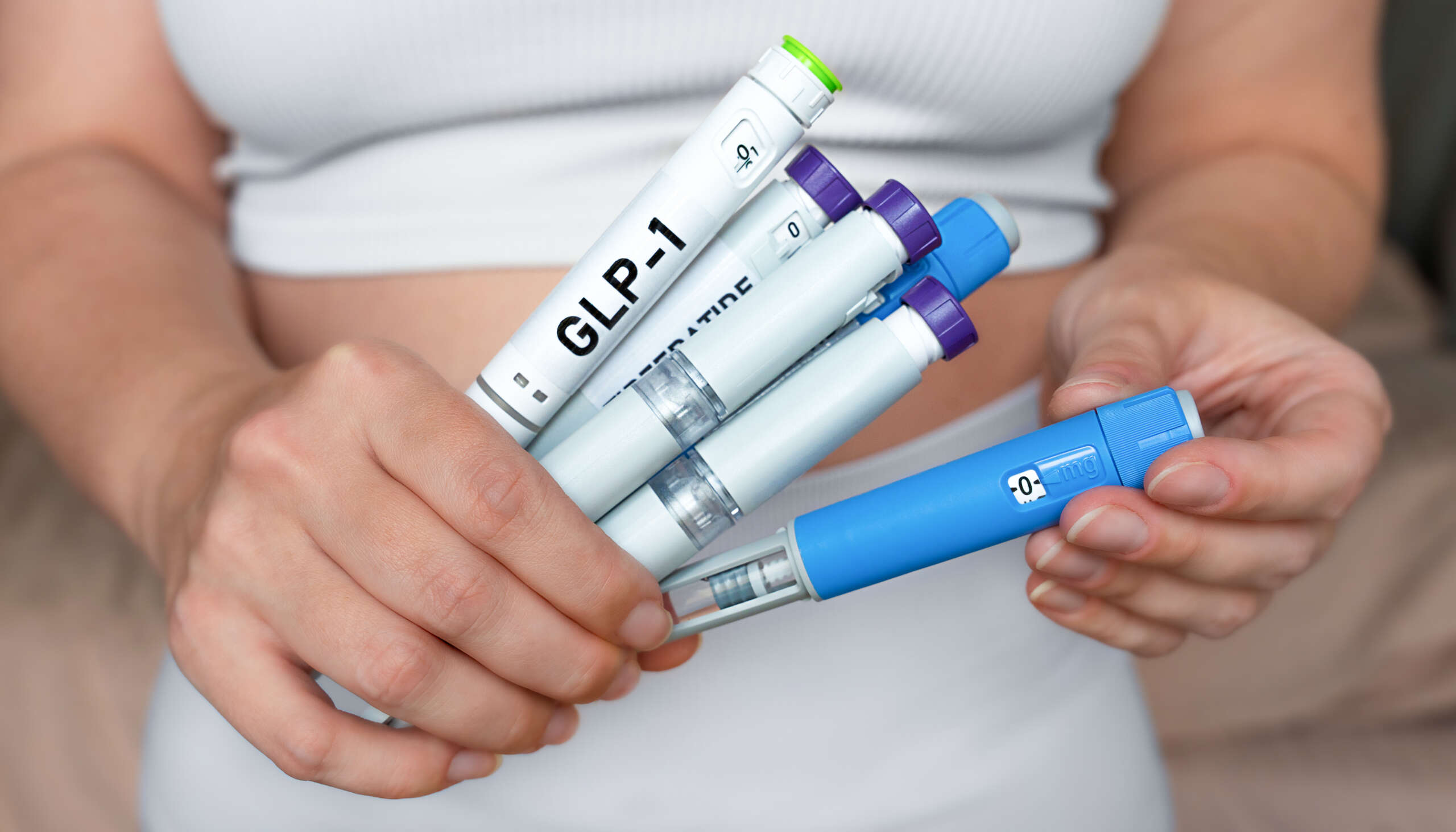
Woman holding several GLP-1 injectors

By Dr. Sarah Maddison

In this recurring Midtown column on the complexities of the female body, we have partnered with local expert Dr. Sarah Maddison of MidCarolina OB/GYN to bring readers clear, evidence-based, and personable insight into health topics that too often get brushed aside.

From celebrity headlines to social media conversations, GLP-1 medications such as Ozempic and Wegovy have become some of the most talked-about weight-management treatments. But beyond the promise of shedding pounds, important questions remain about safety, long-term effectiveness, and what happens when patients stop taking them.

This month, Dr. Maddison breaks down how these medications work, who may benefit most, the potential risks, and why maintaining healthy habits matters as much as the number on the scale. She also addresses one of the biggest concerns surrounding GLP-1 treatments: keeping the weight off for good.

How do GLP-1 medications (like Ozempic or Wegovy) work in the body to help with weight loss? Are there long-term side effects?

GLP-1 medications work by mimicking a naturally occurring hormone called glucagon-like peptide-1. This hormone helps regulate blood sugar, slows how quickly food leaves the stomach, and signals the brain that the body is full. In practical terms, many patients feel satisfied sooner, experience fewer cravings, and think about food less frequently throughout the day.
Related Story: The Real Cause of Low Libido in Women

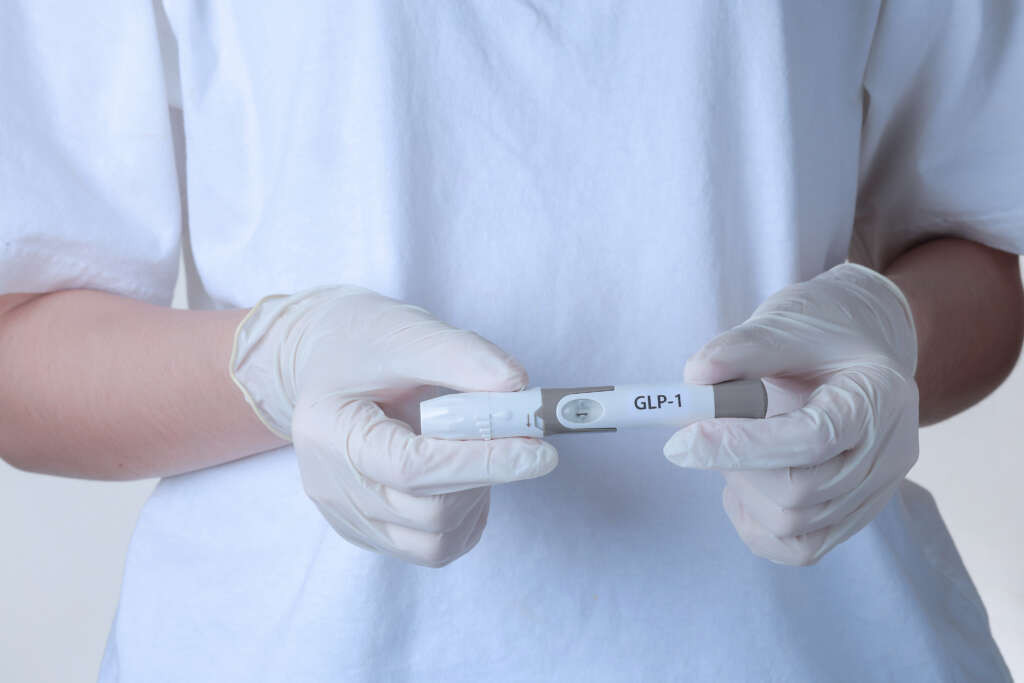
Medical professional holds GLP-1 injection pen confidently supporting patient on hopeful weight loss journey through modern clinical treatment
Stock.Adobe.com/Love Employee.

These medications can be highly effective for both weight loss and metabolic health, but they are not entirely free of side effects. The most common issues are gastrointestinal—nausea, constipation, bloating, reflux, or diarrhea—especially when first starting treatment or increasing the dose. Less commonly, patients may experience problems with gallstones and pancreatitis; however, these are not as much side effects in my opinion, as they are consequences of the medication working. Muscle loss from rapid weight reduction or nutritional deficiencies can be seen if overall nutrition is poor, especially if protein intake becomes inadequate. I recommend that my patients partner with a nutritionist, like Nourish, at least early in their weight-loss journey. The risk of medullary thyroid cancer is extremely low, but we do not recommend that people with family histories or genetic mutations at increased risk of this specific type of cancer use GLP-1 medications. Obesity is a risk factor for almost every type of cancer, so weight loss is one of the best ways to reduce your overall risks.

Long-term research is still evolving, but so far, GLP-1 medications appear promising when appropriately prescribed and medically monitored. If you’re overweight and considering the risks and benefits of weight loss with GLP-1s, don’t forget to consider the considerable health risks that may come from doing nothing.

Who is the “ideal” candidate for these medications, and who should probably avoid them?

The ideal candidate is typically someone with obesity (BMI greater than or equal to 30) or overweight (BMI greater than or equal to 27) with a weight-related medical condition who has struggled to achieve sustainable results through lifestyle changes alone. These medications can be particularly beneficial for individuals with insulin resistance, prediabetes, type 2 diabetes, sleep apnea, fatty liver disease, high blood pressure, or elevated cardiovascular risk.

However, they are not appropriate for everyone. Patients with a personal or family history of medullary thyroid cancer or MEN2 syndrome are generally advised to avoid GLP-1 medications. Caution is also warranted in individuals with a history of pancreatitis, severe gastrointestinal disorders, certain eating disorders, or significant malnutrition concerns.
Related Story: A Modern Guide to The Hormonal Shift

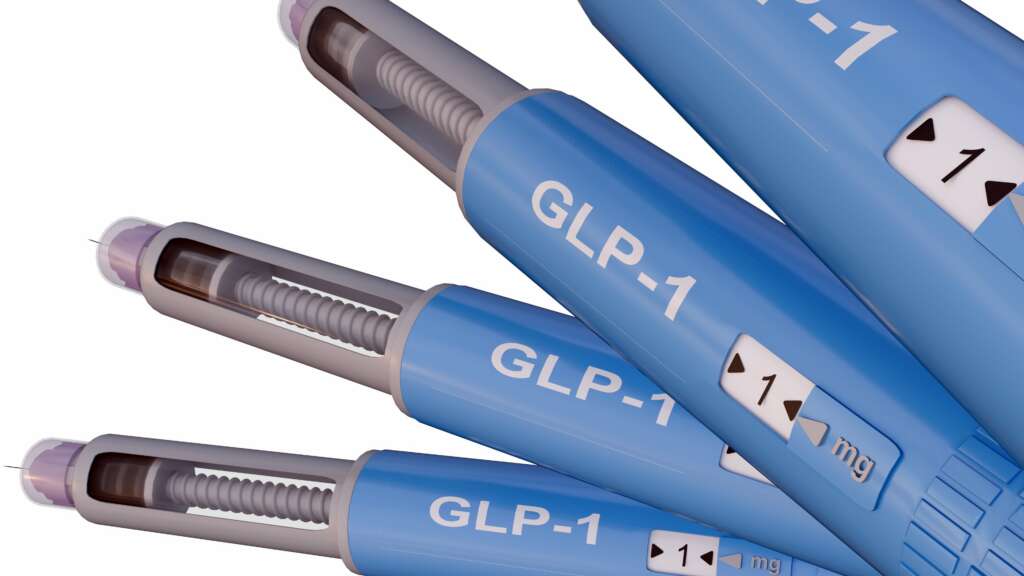
A 3D render of blue injectable medication pens. Each pen clearly displays the text "GLP-1". A prominent class of medications designed to mimic natural incretin hormones.
Stock.Adobe.com/Piya W.

What lifestyle habits are most important to maintain while on these medications to ensure sustainable results?

The medications can be powerful tools, but long-term success still depends heavily on daily habits. One of the most important priorities is maintaining adequate protein intake and strength training to preserve muscle mass during weight loss. Rapid weight reduction without resistance exercise can lead to significant muscle loss, which may negatively affect metabolism over time.

Sleep, hydration, stress management, and consistent movement also remain essential. Many patients naturally eat less on GLP-1 medications, but the goal is not simply “eating as little as possible.” Sustainable results come from building healthier eating patterns, improving food quality, and creating routines that can continue long after the medication is stopped or reduced.

The patients who tend to do best long term are those who use the medication as a tool to support lifestyle change—not as a replacement for it.

How do these treatments impact hormonal balance and metabolic health beyond just the number on the scale?

One of the most exciting aspects of GLP-1 therapy is that its benefits often extend far beyond weight loss. These medications can improve insulin sensitivity, reduce inflammation, lower blood sugar levels, improve cholesterol and blood pressure, and decrease visceral fat—the deep abdominal fat linked to cardiovascular disease and metabolic dysfunction.

For many women, weight loss and improved insulin regulation can also positively affect hormonal conditions such as PCOS, irregular cycles, and fertility challenges. Patients also frequently report improvements in energy, sleep quality, joint pain, mobility, and overall quality of life.

In many ways, the goal is not simply becoming “smaller,” but becoming metabolically healthier. The scale may reflect part of that progress, but it is far from the full story. The goal is long-term health, sustainability, and improved quality of life—not perfection.

What is your advice for someone worried about the “rebound” weight gain after stopping a GLP-1?

That concern is very valid—and very common. GLP-1 medications help regulate appetite and hunger signals, so when you stop them abruptly, appetite often increases again. Without a strong foundation of sustainable habits, weight regain is likely. Obesity and overweight are chronic medical conditions, and the key is to view these medications similarly to other chronic disease treatments: they are tools that support long-term health, not short-term crash diets. GLP medications work best when used as part of a broader, medically supervised approach to sustained metabolic health and are recommended for long-term use.

Studies show that when patients stop medication, two-thirds return to their original weight within a year. Repeated cycles of weight loss and regain, known as weight cycling, can negatively affect health. Weight regain often consists of a higher proportion of body fat and less muscle, which may lower metabolism and make future weight loss more difficult. Weight cycling has also been associated with increased abdominal fat, poorer metabolic health, and a higher risk of cardiovascular disease, highlighting the importance of sustainable long-term weight management.


© 2008-2025 Midtown magazine, LLC. All rights reserved. Copyright applies to all pages on this website. | Privacy Policy

By Dr. Sarah Maddison

In this recurring Midtown column on the complexities of the female body, we have partnered with local expert Dr. Sarah Maddison of MidCarolina OB/GYN to bring readers clear, evidence-based, and personable insight into health topics that too often get brushed aside.

From celebrity headlines to social media conversations, GLP-1 medications such as Ozempic and Wegovy have become some of the most talked-about weight-management treatments. But beyond the promise of shedding pounds, important questions remain about safety, long-term effectiveness, and what happens when patients stop taking them.

This month, Dr. Maddison breaks down how these medications work, who may benefit most, the potential risks, and why maintaining healthy habits matters as much as the number on the scale. She also addresses one of the biggest concerns surrounding GLP-1 treatments: keeping the weight off for good.

How do GLP-1 medications (like Ozempic or Wegovy) work in the body to help with weight loss? Are there long-term side effects?

GLP-1 medications work by mimicking a naturally occurring hormone called glucagon-like peptide-1. This hormone helps regulate blood sugar, slows how quickly food leaves the stomach, and signals the brain that the body is full. In practical terms, many patients feel satisfied sooner, experience fewer cravings, and think about food less frequently throughout the day.

Related Story: The Real Cause of Low Libido in Women

Medical professional holds GLP-1 injection pen confidently supporting patient on hopeful weight loss journey through modern clinical treatment
Stock.Adobe.com/Love Employee.

These medications can be highly effective for both weight loss and metabolic health, but they are not entirely free of side effects. The most common issues are gastrointestinal—nausea, constipation, bloating, reflux, or diarrhea—especially when first starting treatment or increasing the dose. Less commonly, patients may experience problems with gallstones and pancreatitis; however, these are not as much side effects in my opinion, as they are consequences of the medication working. Muscle loss from rapid weight reduction or nutritional deficiencies can be seen if overall nutrition is poor, especially if protein intake becomes inadequate. I recommend that my patients partner with a nutritionist, like Nourish, at least early in their weight-loss journey. The risk of medullary thyroid cancer is extremely low, but we do not recommend that people with family histories or genetic mutations at increased risk of this specific type of cancer use GLP-1 medications. Obesity is a risk factor for almost every type of cancer, so weight loss is one of the best ways to reduce your overall risks.

Long-term research is still evolving, but so far, GLP-1 medications appear promising when appropriately prescribed and medically monitored. If you’re overweight and considering the risks and benefits of weight loss with GLP-1s, don’t forget to consider the considerable health risks that may come from doing nothing.

Who is the “ideal” candidate for these medications, and who should probably avoid them?

The ideal candidate is typically someone with obesity (BMI greater than or equal to 30) or overweight (BMI greater than or equal to 27) with a weight-related medical condition who has struggled to achieve sustainable results through lifestyle changes alone. These medications can be particularly beneficial for individuals with insulin resistance, prediabetes, type 2 diabetes, sleep apnea, fatty liver disease, high blood pressure, or elevated cardiovascular risk.

However, they are not appropriate for everyone. Patients with a personal or family history of medullary thyroid cancer or MEN2 syndrome are generally advised to avoid GLP-1 medications. Caution is also warranted in individuals with a history of pancreatitis, severe gastrointestinal disorders, certain eating disorders, or significant malnutrition concerns.

Related Story: A Modern Guide to The Hormonal Shift

A 3D render of blue injectable medication pens. Each pen clearly displays the text "GLP-1". A prominent class of medications designed to mimic natural incretin hormones.
Stock.Adobe.com/Piya W.

What lifestyle habits are most important to maintain while on these medications to ensure sustainable results?

The medications can be powerful tools, but long-term success still depends heavily on daily habits. One of the most important priorities is maintaining adequate protein intake and strength training to preserve muscle mass during weight loss. Rapid weight reduction without resistance exercise can lead to significant muscle loss, which may negatively affect metabolism over time.

Sleep, hydration, stress management, and consistent movement also remain essential. Many patients naturally eat less on GLP-1 medications, but the goal is not simply “eating as little as possible.” Sustainable results come from building healthier eating patterns, improving food quality, and creating routines that can continue long after the medication is stopped or reduced.

The patients who tend to do best long term are those who use the medication as a tool to support lifestyle change—not as a replacement for it.

How do these treatments impact hormonal balance and metabolic health beyond just the number on the scale?

One of the most exciting aspects of GLP-1 therapy is that its benefits often extend far beyond weight loss. These medications can improve insulin sensitivity, reduce inflammation, lower blood sugar levels, improve cholesterol and blood pressure, and decrease visceral fat—the deep abdominal fat linked to cardiovascular disease and metabolic dysfunction.

For many women, weight loss and improved insulin regulation can also positively affect hormonal conditions such as PCOS, irregular cycles, and fertility challenges. Patients also frequently report improvements in energy, sleep quality, joint pain, mobility, and overall quality of life.

In many ways, the goal is not simply becoming “smaller,” but becoming metabolically healthier. The scale may reflect part of that progress, but it is far from the full story. The goal is long-term health, sustainability, and improved quality of life—not perfection.

What is your advice for someone worried about the “rebound” weight gain after stopping a GLP-1?

That concern is very valid—and very common. GLP-1 medications help regulate appetite and hunger signals, so when you stop them abruptly, appetite often increases again. Without a strong foundation of sustainable habits, weight regain is likely. Obesity and overweight are chronic medical conditions, and the key is to view these medications similarly to other chronic disease treatments: they are tools that support long-term health, not short-term crash diets. GLP medications work best when used as part of a broader, medically supervised approach to sustained metabolic health and are recommended for long-term use.

Studies show that when patients stop medication, two-thirds return to their original weight within a year. Repeated cycles of weight loss and regain, known as weight cycling, can negatively affect health. Weight regain often consists of a higher proportion of body fat and less muscle, which may lower metabolism and make future weight loss more difficult. Weight cycling has also been associated with increased abdominal fat, poorer metabolic health, and a higher risk of cardiovascular disease, highlighting the importance of sustainable long-term weight management.

This Pop-up Is Included in the Theme
Best Choice for Creatives
Purchase Now