Skip to content Skip to sidebar Skip to footer

Fall Food Hazards and Halloween Safety for Your Pets

As the air turns crisp and pumpkins line front porches, fall brings more than just cozy sweaters and Halloween candy—it also brings hidden dangers for our pets. From bowls of chocolate left unattended to the sweet but toxic presence of xylitol in gum and baked goods, this season’s treats can spell trouble for curious cats and dogs. Add in holiday feasts, falling leaves, and unpredictable outdoor hazards, and autumn quickly becomes one of the busiest times of the year for veterinarians.
 
Before you let your pup sneak a slice of pie or watch your cat bat around a stray candy wrapper, it’s worth knowing which foods and fall traditions pose the greatest risks. Local experts at Bahama Road Veterinary Hospital share what every pet owner should keep in mind this season—because keeping our four-legged friends safe is one tradition worth honoring year after year.
 
With Halloween around the corner, what should pet owners know about candy and treat safety? Are there any dangers that are often overlooked? Ingestion of candy can lead to problems, including upset stomach, chocolate toxicity, and even gastrointestinal obstruction. Another increasing concern is xylitol, a sugar alcohol alternative sweetener that can cause toxicity in dogs. While most candy will be packed full of good old-fashioned sugar, xylitol is often found in chewing gum and seems to be finding its way into more food products every day. 
Dr. Max Jones, DVM
 
What are some common fall foods that can be dangerous for pets? Veterinarians are often busy in the days following the holidays, treating gastrointestinal upset. While many of us see our pets as family, it’s best that they don’t partake in the holiday feast. Special care should be taken to avoid fatty foods, like ham. 
Dr. Max Jones, DVM
 
We often see, particularly in the fall and after the holidays, that people feed their pets something they shouldn’t. Cooked bones are often a culprit as they can splinter and are high in fat content, often causing GI upset and irritation, or even blockage. Food that is pumpkin-flavored should also be off the table for your pets. 
 
Pumpkin is a safe item for pets to ingest, but things such as pumpkin pie have sweeteners that can be harmful to pets. One additional item to be careful with is peanut butter. Peanut butter alone is safe, but be sure to pay special attention to ensure it is not sweetened with xylitol. Xylitol is a sugar substitute that can be toxic to dogs.
Kayla Pendergraft, Veterinary Assistant
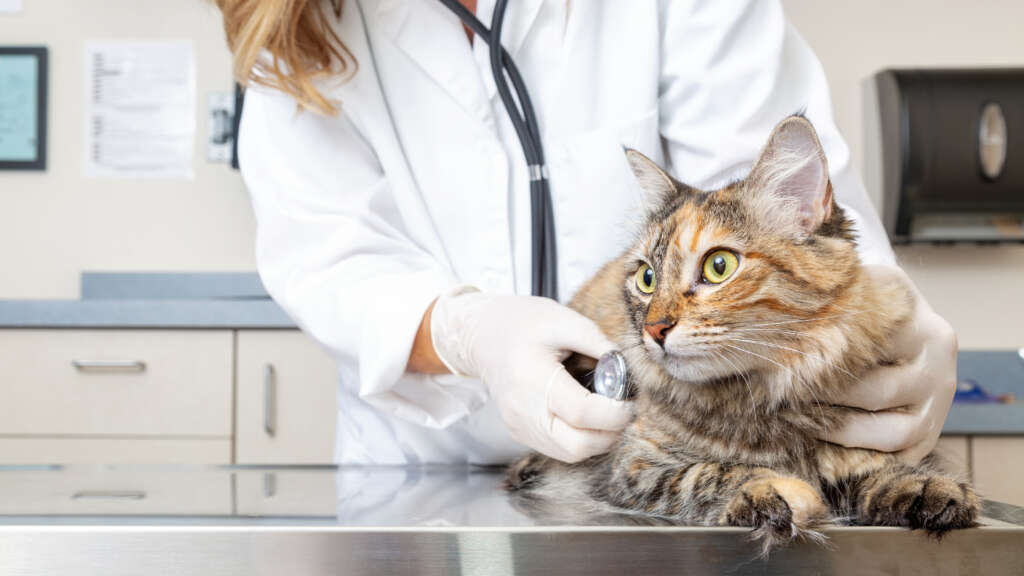
Photo by Stock.Adobe.com/adogslifephoto
Seasonal Allergies
What are the most common fall allergens that affect dogs or cats? The most common fall allergies we see pets react to in North Carolina include pollen, fleas, dust mites, and mold spores. Pollen and mold spores are airborne outdoors, while dust mites thrive indoors. Mold spores are prevalent in the fall due to the decaying leaves that our pets may very well be nosing through. Fleas are most prevalent in the fall, and many pets that are allergic to fleas can have a reaction from as little as a single bite. Dust mites tend to affect our pets, and us, when we turn on our heating systems. 
Kayla Pendergraft, Veterinary Assistant
How can pet owners tell if their pet is experiencing seasonal allergies rather than something else? Determining the cause of itching can be difficult and frustrating for both pet owners and veterinary professionals. Allergy testing exists, but it is expensive and imperfect. Most often, a systematic and methodical approach will allow us to narrow down our suspicions, but it can take time. I advise owners to maintain good flea prevention and monitor for seasonal patterns.
Dr. Max Jones, DVM
What treatment options are available to help pets manage fall allergies? Over-the-counter antihistamines, such as Benadryl or Zyrtec, can help control allergies in some patients, but many do not respond completely. Your veterinarian can discuss treatments, including medications such as Apoquel and Zenrelia, monthly injections of the monoclonal antibody Cytopoint, or even customized immunotherapy based on allergy testing.
– Dr. Max Jones, DVM
Bathing your pet can also help with allergies by washing off topical irritants (pollens, dust, etc). If you feel your pet is dealing with allergies, it is best to work with your veterinarian to ensure the best treatment plan for your pet. 
Kayla Pendergraft, Veterinary Assistant
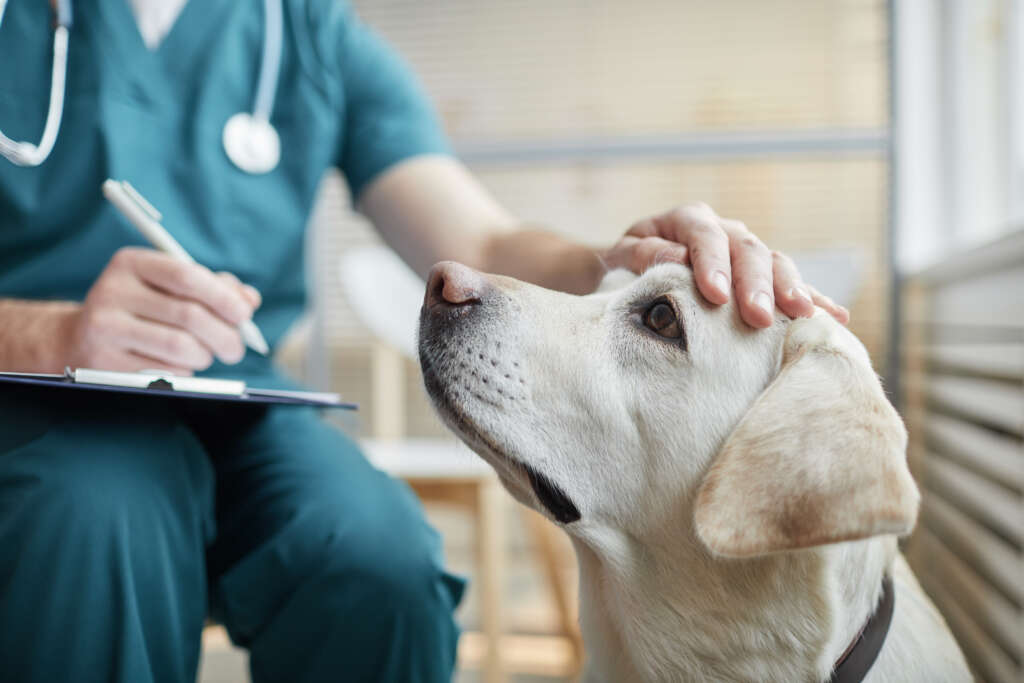
Photo by Stock.Adobe.com/seventyfour
Outdoor Risks
Why are acorns and wild mushrooms potentially dangerous to pets, and how can owners keep their animals safe? While the majority of wild mushrooms are nontoxic or would only cause gastrointestinal upset, certain common mushrooms can have devastating effects, even causing life-threatening liver failure. Others can be psychotropic and lead your dog on an unintended “trip” for hours. 
Dr. Max Jones, DVM
Acorns can be potentially dangerous, as they contain tannins. Tannins can cause GI upset, and if ingested in larger volumes they can affect the liver and kidneys. Something I wouldn’t believe if I hadn’t seen it was that we removed a large acorn from a very small Yorkie one time for a GI obstruction. It was nuts! (Pun intended) 
Kayla Pendergraft, Veterinary Assistant
What should a pet owner do if their dog eats something suspicious during a walk or in the backyard? Contact your vet! Prompt decontamination can often avert serious toxicity. You and your veterinarian can also work with a toxicologist at ASPCA Poison Control to ensure an optimized treatment plan. 
Dr. Max Jones, DVM
Even though it’s cooler outside, are fleas and ticks still a threat in the fall? While there is definitely increased flea and tick activity in the warmer months, here in North Carolina our temperatures rarely get low enough to be truly protective. Ticks can be active any time the temperature is above 35° Fahrenheit. 
Dr. Max Jones, DVM
Photo by Stock.Adobe.com/Elnur
Preparing for Cooler Weather
Is it okay to continue walking or exercising pets outdoors as the weather cools? Any precautions to take? Definitely! It is important to be aware of the items mentioned in this article, such as allergies, hazardous items including mushrooms and acorns, and fleas and ticks. Many pets enjoy the cooler weather as summer can often restrict their outdoor activities. As always, ensure your pet has proper identification in case they happen to get lost when taking advantage of the beautiful outdoors. 
Kayla Pendergraft, Veterinary Assistant
Do pets with shorter fur or smaller breeds need extra protection in the fall? The fall typically doesn’t have temperatures low enough to warrant concern in smaller breeds or those with shorter fur, but always pay attention to your pet. If you notice that they are reluctant to spend time outdoors, it may benefit them to have an extra layer of protection. You can also watch to see if your pet seeks out warm areas. For example, they may try to lay by the fireplace or by an air vent to be close to the heat. The best thing you can do is be mindful of your pet and trust your gut! You know them best, and if they seem cold, you can certainly see if they enjoy a jacket. 
Kayla Pendergraft, Veterinary Assistant

© 2008-2025 Midtown magazine, LLC. All rights reserved. Copyright applies to all pages on this website. | Privacy Policy

As the air turns crisp and pumpkins line front porches, fall brings more than just cozy sweaters and Halloween candy—it also brings hidden dangers for our pets. From bowls of chocolate left unattended to the sweet but toxic presence of xylitol in gum and baked goods, this season’s treats can spell trouble for curious cats and dogs. Add in holiday feasts, falling leaves, and unpredictable outdoor hazards, and autumn quickly becomes one of the busiest times of the year for veterinarians.
 
Before you let your pup sneak a slice of pie or watch your cat bat around a stray candy wrapper, it’s worth knowing which foods and fall traditions pose the greatest risks. Local experts at Bahama Road Veterinary Hospital share what every pet owner should keep in mind this season—because keeping our four-legged friends safe is one tradition worth honoring year after year.
 
With Halloween around the corner, what should pet owners know about candy and treat safety? Are there any dangers that are often overlooked? Ingestion of candy can lead to problems, including upset stomach, chocolate toxicity, and even gastrointestinal obstruction. Another increasing concern is xylitol, a sugar alcohol alternative sweetener that can cause toxicity in dogs. While most candy will be packed full of good old-fashioned sugar, xylitol is often found in chewing gum and seems to be finding its way into more food products every day. 
Dr. Max Jones, DVM
 
What are some common fall foods that can be dangerous for pets? Veterinarians are often busy in the days following the holidays, treating gastrointestinal upset. While many of us see our pets as family, it’s best that they don’t partake in the holiday feast. Special care should be taken to avoid fatty foods, like ham. 
Dr. Max Jones, DVM
 
We often see, particularly in the fall and after the holidays, that people feed their pets something they shouldn’t. Cooked bones are often a culprit as they can splinter and are high in fat content, often causing GI upset and irritation, or even blockage. Food that is pumpkin-flavored should also be off the table for your pets. 
 
Pumpkin is a safe item for pets to ingest, but things such as pumpkin pie have sweeteners that can be harmful to pets. One additional item to be careful with is peanut butter. Peanut butter alone is safe, but be sure to pay special attention to ensure it is not sweetened with xylitol. Xylitol is a sugar substitute that can be toxic to dogs.
Kayla Pendergraft, Veterinary Assistant
Photo by Stock.Adobe.com/adogslifephoto
Seasonal Allergies
What are the most common fall allergens that affect dogs or cats? The most common fall allergies we see pets react to in North Carolina include pollen, fleas, dust mites, and mold spores. Pollen and mold spores are airborne outdoors, while dust mites thrive indoors. Mold spores are prevalent in the fall due to the decaying leaves that our pets may very well be nosing through. Fleas are most prevalent in the fall, and many pets that are allergic to fleas can have a reaction from as little as a single bite. Dust mites tend to affect our pets, and us, when we turn on our heating systems. 
Kayla Pendergraft, Veterinary Assistant
How can pet owners tell if their pet is experiencing seasonal allergies rather than something else? Determining the cause of itching can be difficult and frustrating for both pet owners and veterinary professionals. Allergy testing exists, but it is expensive and imperfect. Most often, a systematic and methodical approach will allow us to narrow down our suspicions, but it can take time. I advise owners to maintain good flea prevention and monitor for seasonal patterns.
Dr. Max Jones, DVM
What treatment options are available to help pets manage fall allergies? Over-the-counter antihistamines, such as Benadryl or Zyrtec, can help control allergies in some patients, but many do not respond completely. Your veterinarian can discuss treatments, including medications such as Apoquel and Zenrelia, monthly injections of the monoclonal antibody Cytopoint, or even customized immunotherapy based on allergy testing.
– Dr. Max Jones, DVM
Bathing your pet can also help with allergies by washing off topical irritants (pollens, dust, etc). If you feel your pet is dealing with allergies, it is best to work with your veterinarian to ensure the best treatment plan for your pet. 
Kayla Pendergraft, Veterinary Assistant
Photo by Stock.Adobe.com/seventyfour
Outdoor Risks
Why are acorns and wild mushrooms potentially dangerous to pets, and how can owners keep their animals safe? While the majority of wild mushrooms are nontoxic or would only cause gastrointestinal upset, certain common mushrooms can have devastating effects, even causing life-threatening liver failure. Others can be psychotropic and lead your dog on an unintended “trip” for hours. 
Dr. Max Jones, DVM
Acorns can be potentially dangerous, as they contain tannins. Tannins can cause GI upset, and if ingested in larger volumes they can affect the liver and kidneys. Something I wouldn’t believe if I hadn’t seen it was that we removed a large acorn from a very small Yorkie one time for a GI obstruction. It was nuts! (Pun intended) 
Kayla Pendergraft, Veterinary Assistant
What should a pet owner do if their dog eats something suspicious during a walk or in the backyard? Contact your vet! Prompt decontamination can often avert serious toxicity. You and your veterinarian can also work with a toxicologist at ASPCA Poison Control to ensure an optimized treatment plan. 
Dr. Max Jones, DVM
Even though it’s cooler outside, are fleas and ticks still a threat in the fall? While there is definitely increased flea and tick activity in the warmer months, here in North Carolina our temperatures rarely get low enough to be truly protective. Ticks can be active any time the temperature is above 35° Fahrenheit. 
Dr. Max Jones, DVM
Photo by Stock.Adobe.com/Elnur
Preparing for Cooler Weather
Is it okay to continue walking or exercising pets outdoors as the weather cools? Any precautions to take? Definitely! It is important to be aware of the items mentioned in this article, such as allergies, hazardous items including mushrooms and acorns, and fleas and ticks. Many pets enjoy the cooler weather as summer can often restrict their outdoor activities. As always, ensure your pet has proper identification in case they happen to get lost when taking advantage of the beautiful outdoors. 
Kayla Pendergraft, Veterinary Assistant
Do pets with shorter fur or smaller breeds need extra protection in the fall? The fall typically doesn’t have temperatures low enough to warrant concern in smaller breeds or those with shorter fur, but always pay attention to your pet. If you notice that they are reluctant to spend time outdoors, it may benefit them to have an extra layer of protection. You can also watch to see if your pet seeks out warm areas. For example, they may try to lay by the fireplace or by an air vent to be close to the heat. The best thing you can do is be mindful of your pet and trust your gut! You know them best, and if they seem cold, you can certainly see if they enjoy a jacket. 
Kayla Pendergraft, Veterinary Assistant
This Pop-up Is Included in the Theme
Best Choice for Creatives
Purchase Now