FOSTERING COMMUNITY AND RAISING AWARENESS
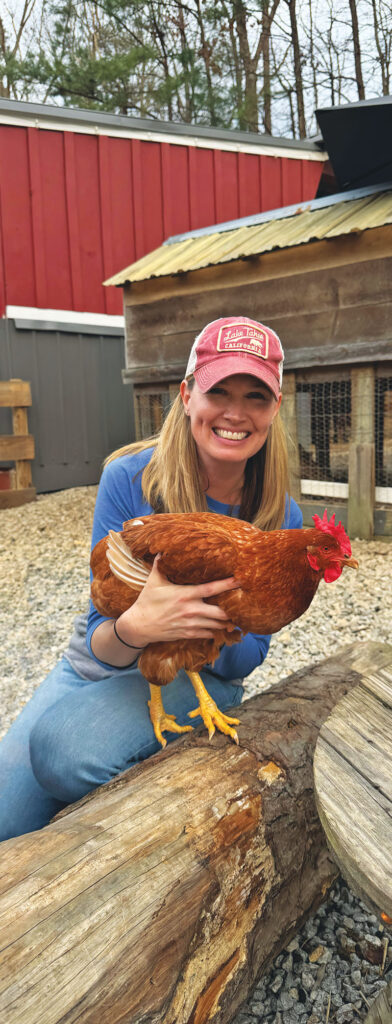
Stoney Acres NC, a farm rooted not just in the earth, but in the ethos of sustainability as well, embodies the spirit of community and education in Wake County. Emily Tischer, who operates Stoney Acres alongside her husband, laments that so few people realize how “agriculture is the biggest industry in North Carolina.” Because of this, Tischer and her family are on a mission to educate local communities about the industry’s importance, as well as the need for more local options.
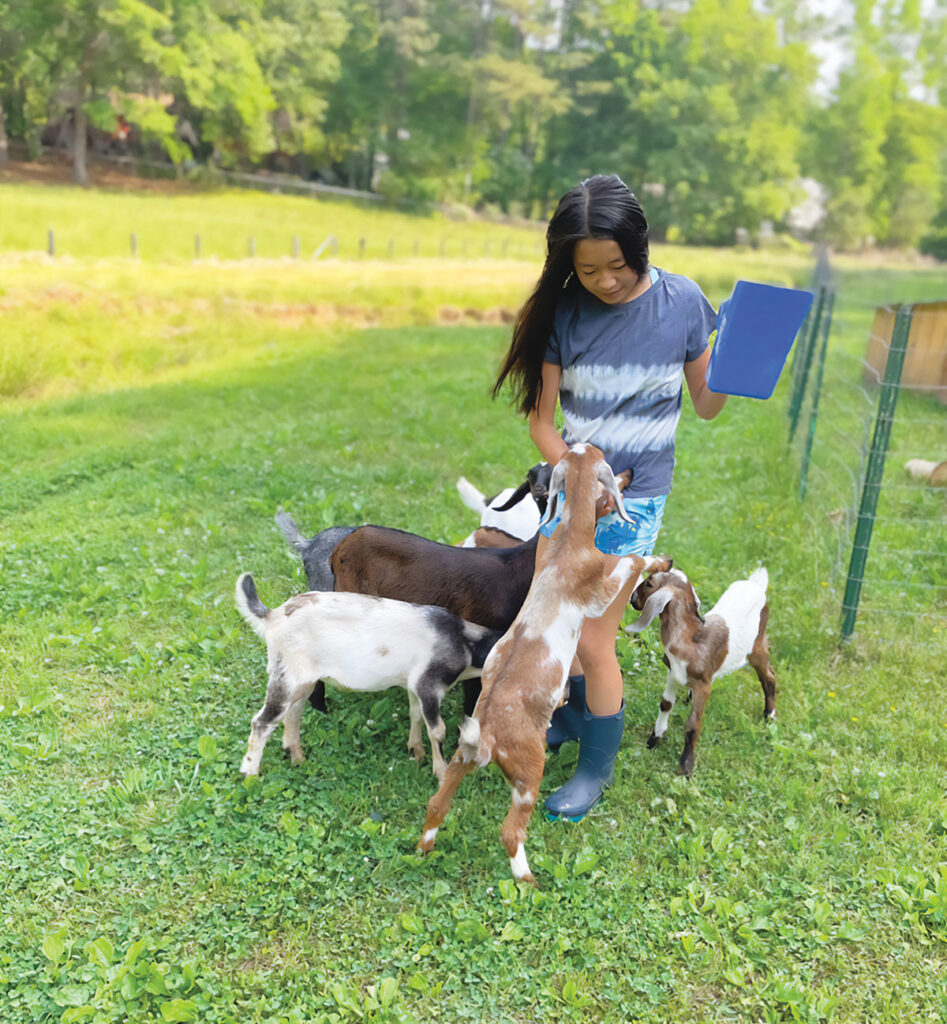
With its three foundational pillars—education, partnership and community—Stoney Acres is more than a plot of land. It’s a classroom without walls and a hub for communal bonds, offering storytimes for children, helpful Instagram videos and more. “We even have field trips here at the farm, and a lot of what we do is teaching moms and women about agriculture,” explains Tischer. “I feel like people are dying to get back to a sustainable world.”
The farm’s approach is hands-on, especially for mothers, who are increasingly seeking to instill sustainability into their families’ roots. Stoney Acres opens its doors every Sunday afternoon, inviting people to its farm stand, where the produce is as pure as the intention behind it—free from sprays, rich in nutrition, and sourced sustainably. Stoney Acres offers an expanse of different goods, all made available through its partnerships with other local farms. From beef sourced by multi-generational local farmers, like those in Cedar Grove, to meat rubs from Clayton, lumber from Selma and goat milk soap from Ruffin, Stoney Acres aims to educate its clientele on the importance of shopping locally.
This enclave of sustainable agriculture on 4.5 acres demonstrates a profound truth: “People want to support local business, but they don’t always know where to go, and they don’t have time. So we want to bring ‘local’ to the people and make it easy,” Tischer explains. Stoney Acres does just that, making local sustainable agriculture a priority, echoing the sentiment that if such practices are not nurtured, they could wither away.
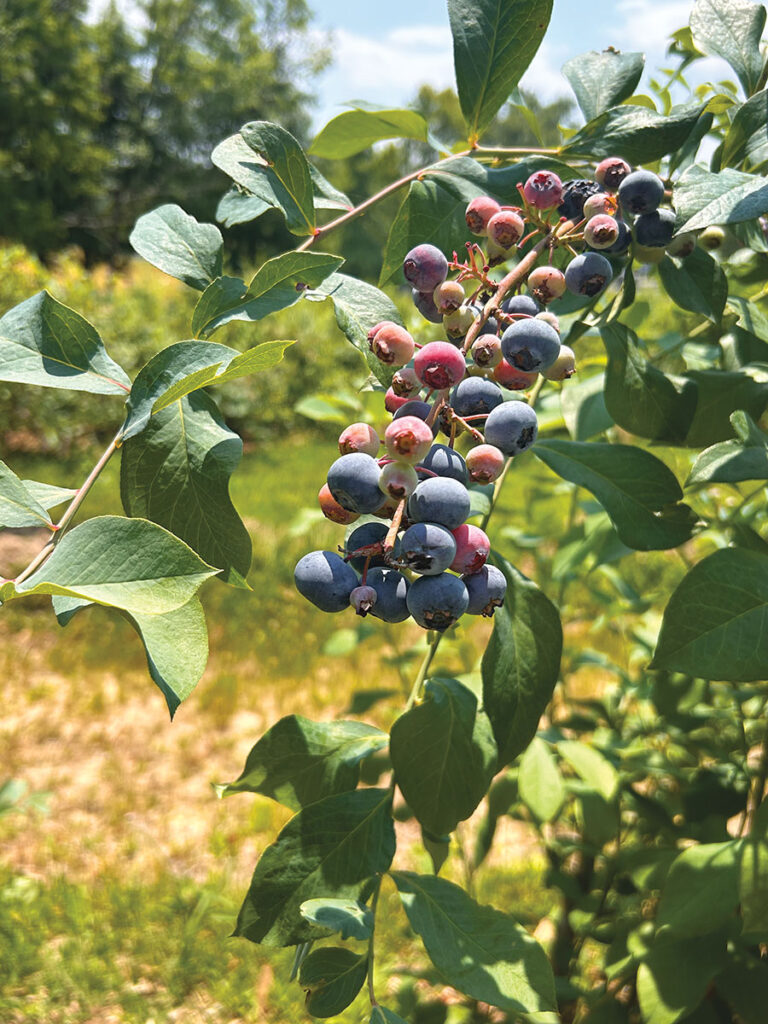
Similarly, Pack House Farm in Apex reflects the attitudes prevalent among female-led farms in North Carolina. Beth Pugh Farrell, who operates the blueberry-picking farm, champions the philosophy that people need to forge connections with the land to understand the origins of their food. In an interview with the North Carolina Department of Agriculture, Farrell expresses a profound affinity for the land, stating, “I love being connected to the land … I love that we can bring folks to our farms so they can see how their food is grown.” This sentiment is a cornerstone of her farming practice, emphasizing the importance of experiencing where and how food is cultivated, countering the disconnect many have in a world where supermarkets are the face of food sources. Pack House Farm is not only a place for harvesting blueberries, but also a place for sowing the seeds of agricultural knowledge and appreciation among visitors, reinforcing the idea that local farms are more than food production sites—they are educational grounds fostering a deeper understanding of food’s journey from soil to plate.
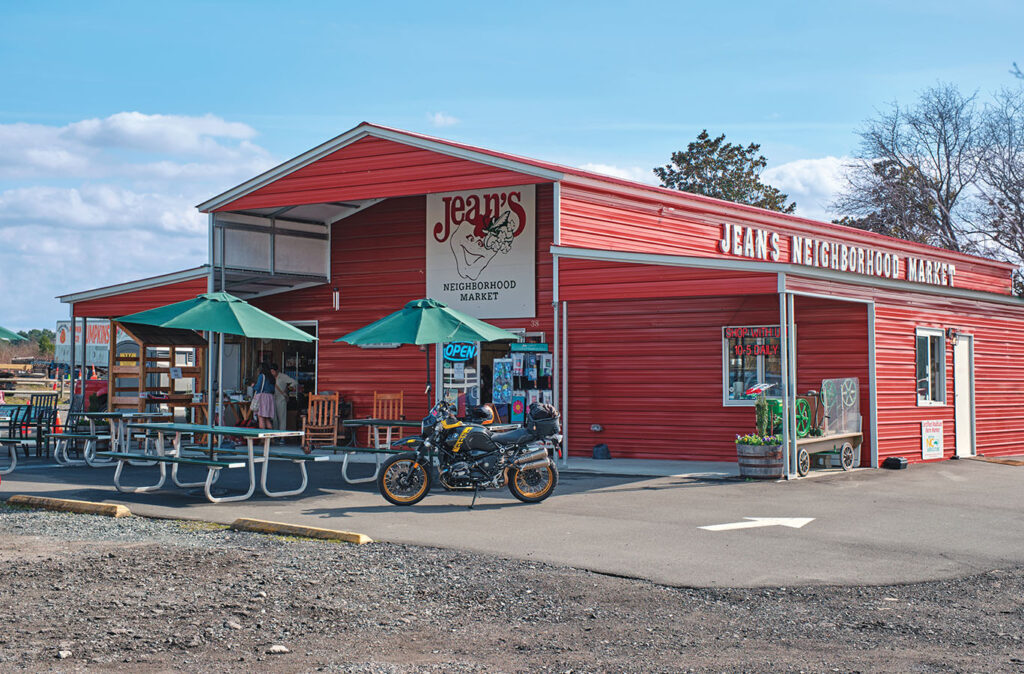
Also in Apex, Jean’s Neighborhood Market and Ragan & Holly’s Pumpkin Patch are quintessential examples of how local farms can foster community connections and encourage local shopping. From its origin as a seasonal pick-your-own strawberry patch in 1980, Jean’s Berry Patch has grown into a multifaceted family venture. Transitioning into Jean’s Neighborhood Market, they have expanded their offerings to include fresh produce throughout the summer months, further strengthening the bridge between the farm and the local community. This year-round venture not only provides family-friendly experiences, but also unique retail gift items, integrating local shopping with the charm of farm life.
“It is our hope and desire to continue providing a family-friendly pumpkin patch each fall, and to offer fresh produce and unique retail gift items year-round,” explains Lisa Copeland, Jean’s daughter-in-law, who helps run the market with her husband, Will. “We continue striving to serve our community well, encouraging you to shop locally.”
Jean’s Neighborhood Market is a testament to the family’s hope and desire to continue nurturing a space that’s not just about transactions, but also about traditions, experiences and education. It’s a place where families can come together to learn the importance of supporting local agriculture and discover unique produce and gifts. The mission is in the motto: “There’s something for everyone!” and the market serves as a physical reminder of the community’s roots in sustainable living and the joys of seasonal festivities.