

Raleigh wine director Jeff Bramwell spent five years traveling, cooking, and listening to the people behind one of Italy’s great food-and-wine regions.
By Dathan Kazsuk
Some books are designed to sit quietly on a shelf. Jeff Bramwell’s latest project practically requires its own table.
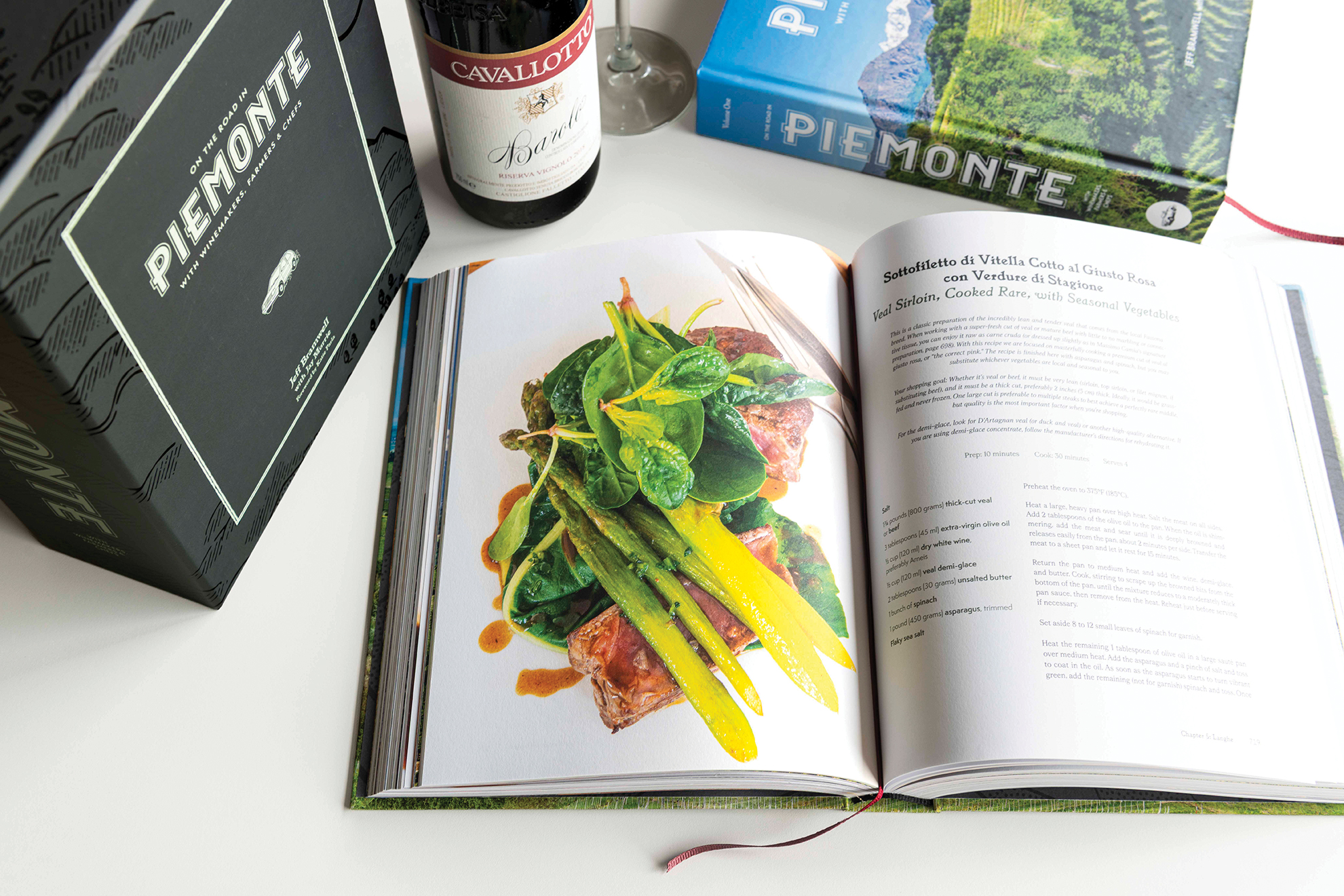
At 1,008 pages, “On the Road in Piemonte: With Winemakers, Farmers & Chefs” is a two-volume journey through the vineyards, kitchens, villages, and culinary traditions of Piemonte, the northern Italian region known in English as Piedmont. Packaged in a slipcase and printed in Milan, the set includes more than 85 recipes alongside Bramwell’s photography and stories from the people who grow, cook, and preserve the region’s food and wine. Bramwell wrote the book with longtime wine importer Jay Murrie and included a foreword by food and travel writer Katie Parla.
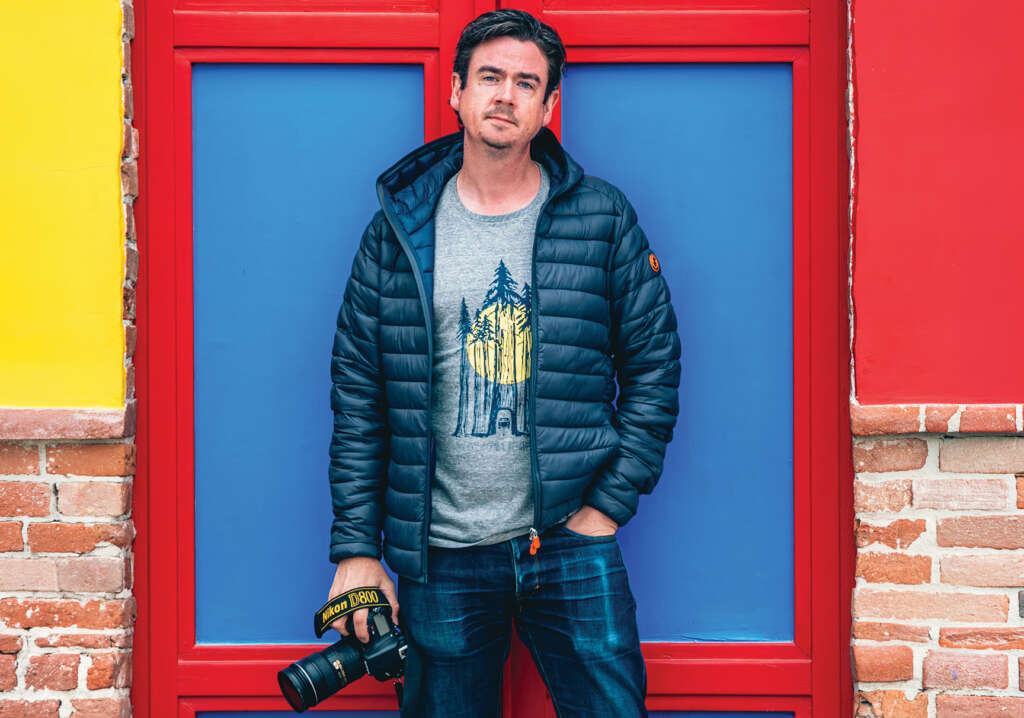
For Bramwell, the book is the culmination of more than 20 years spent working throughout the wine industry. After studying photography in high school and film production in college, he pursued music before a part-time job at an Atlanta wine shop in 2004 redirected his career. He went on to work in wine retail and wholesale, helped open The Raleigh Wine Shop, and managed wine programs for several Triangle restaurants. Photography eventually became his preferred way to tell the stories of winemakers, chefs, and artisans.
Today, Bramwell is the wine director at Figulina in downtown Raleigh, where his Italian-focused selections complement chef and owner David Ellis’ handmade pasta and ingredient-driven cooking.
I spoke with Bramwell about the trip that started his fascination, the unexpected generosity of Piemontese chefs, and why he believes he has only scratched the surface.
When did your fascination with Piemonte begin?
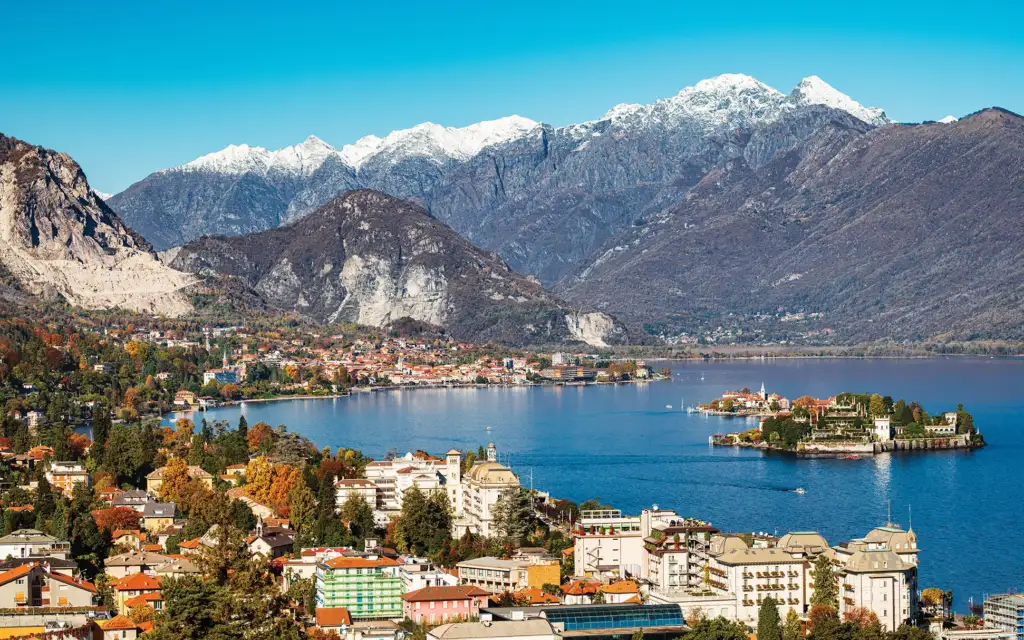
I took my first trip there in 2012. We had opened The Raleigh Wine Shop a couple of years earlier, and it was the first thing I had always wanted to do. Once I arrived, met the people, and began learning more about the wines, food, and regional culture, I left even more convinced I wanted to understand this area. I returned the following year on a supplier trip, which only reinforced that feeling.
How did photography become part of the way you approached wine?
In 2016, I traveled through eastern France with Vintage ’59 Imports. It wasn’t a photography trip, but I brought a camera and began realizing that photography was how I preferred to help tell the story of wine. By late 2017, I had begun giving photography all of my time.
You later returned to restaurant wine programs. How did that affect the project?
In 2019, Chef Matt Kelly called to ask whether I would be interested in running the wine program at Mothers & Sons in Durham. I eventually took on Mateo and Saint James as well.
That pushed photography further onto the back burner than I intended. Then the pandemic arrived, and suddenly I could not do restaurant work or travel photography. After six or seven months at home, I needed something to work on. That’s when the book began to take shape. By the spring of 2021, I had talked myself into doing it. When travel restrictions lifted, I returned to Italy that July.
Did you imagine from the beginning that it would become a 1,008-page book?
Absolutely not. I originally thought it might be 350 or 400 pages. One of the biggest reasons it expanded was the amount of cooperation I received from restaurants. I had connections in Piemonte, but to many of these restaurants, I was simply some random American asking for their recipes. I didn’t expect them to hand those over freely. Instead, they were incredibly generous. They invited me into their kitchens, showed me how they prepared dishes, and shared recipes that had real meaning to them.
What was involved in adapting those recipes for the book?
Sometimes a restaurant would email me a recipe with hilariously little detail. I had to fill in the gaps based on my experience eating the dish and what I observed in the kitchen. Other recipes were more complete but written for restaurant-sized quantities, so I had to scale them down to four to six servings for the home cook. About 75% of the food photography was done on location in Piemonte. I photographed the rest in my kitchen after recreating and testing the dishes at home.
How long did the complete process take?
The concentrated research lasted around two to two and a half years. The writing also took about two to two and a half years, with quite a bit of overlap.
Piemonte is most famous for Barolo and Barbaresco. How much did you want to explore beyond those wines?
Nebbiolo and Barbera receive much of the attention, but Piemonte has an enormous number of lesser-known grapes and regional expressions. There is Grignolino, Ruchè, Pelaverga, and many others. Even Nebbiolo can be dramatically different depending on where it is grown. Someone whose only reference point is Barolo may expect Nebbiolo to be powerful, tannic, and highly structured. But in other parts of Piemonte, it can be remarkably light, fragrant, and elegant.
How did your current role at Figulina develop while you were finishing the book?
I met David Ellis when he and his team held a pop-up in December 2023. I was very impressed with what he cooked, so I asked whether he had contacted anyone about running the wine program for the restaurant he was planning. He had spent years with the Ashley Christensen restaurant group, but he didn’t have a dedicated wine director in place. We immediately hit it off. I began helping in early 2024, and Figulina opened that February. Everyone there understood that once the book was released, it would have to be my top priority. They have been extremely supportive.
What did Jay Murrie bring to the project?
Jay and I have worked together in different capacities for years. When I began working professionally as a photographer, I traveled with him and photographed many of the producers he represented. Jay is also a great writer. When I had the idea for this book, I knew I wanted him in my corner.
Why was it important to have the book printed in Italy?
It needed to be an Italian-made book. It was printed in Milan, and the initial release began in Piemonte while copies were traveling across the ocean to the United States. That gave me a chance to learn whether Italian readers would be interested in hearing an American talk about their region.
After spending five years and more than 1,000 pages on Piemonte, do you feel you’ve covered the region?
Even at this size, the book is only scratching the surface. That speaks to how much I love the region. Every answer leads to another person, another place, another grape, or another story.
About the Book
“On the Road in Piemonte: With Winemakers, Farmers & Chefs” is a 1,008-page hardcover set presented in two volumes and a slipcase. The English-language book includes more than 85 recipes, original photography by Bramwell, and stories from winemakers, farmers, chefs, and artisans throughout Piemonte. It costs $125 and is available directly through PiemonteBook.com and participating independent retailers.