Skip to content Skip to sidebar Skip to footer

Music

Where Love for Wine Meets Love for Metal

By Dathan Kazsuk  |    |   October isn’t just about pumpkin spice lattes and spooky movies—it’s the month when shadows grow a little longer, music gets a bit louder, and strange…

From Durham to Salzburg: The Sound of Music at DPAC

By Dathan Kazsuk  |    |   Durham might not have the Alps, but this October the hills—well, stages—will definitely be alive with music. From October 7–12, The Sound of Music…

A Night with the Pixies: Nostalgia, Noise, and New Memories

| By Dathan Kazsuk  |  | It’s not every Tuesday night that you get transported back 15 years. But that’s what happened when I caught the Pixies and Spoon live at Raleigh’s Red Hat…

Nile Brings Brutal Metal & Ancient Egyptian Fury to Raleigh

By Dathan Kazsuk  |  . Death metal is not for the faint of heart. It’s loud. It’s unrelenting. It’s the kind of music that rattles your bones and leaves your ears…

© 2008-2025 Midtown magazine, LLC. All rights reserved. Copyright applies to all pages on this website. | Privacy Policy

By Kurt Dusterberg

Harry Wayne Casey is relaxing at his home in Miami, reflecting at age 74 on his successful life in music.

Most people don’t recognize him by his full name, but in the world of pop music, he is the “KC” of KC and the Sunshine Band, the singer and songwriter for one of the most successful and influential bands of the 1970s. From 1975 to 1979, the group brought a dose of funk to the disco era with a remarkable string of No. 1 hits: “Get Down Tonight” (1975); “That’s the Way (I Like It)” (1975); “(Shake, Shake, Shake) Shake Your Booty” (1976); “I’m Your Boogie Man” (1977); and “Please Don’t Go” (1979).

“It’s crazy, right? I think it’s pretty amazing,” KC says, sounding a bit amused 50 years later.

The band’s high-energy dance music shifted the sound of popular music halfway through the decade, but what happened later proved more remarkable. The Sunshine Band vibe never left the public consciousness. Even today, the songs show up in commercials, at sports arenas, and everywhere that calls for a bit of retro fun.

And here’s a fun twist. While KC has always called Miami home, he has spent the past 30 years quietly breezing in and out of the Triangle, where he has a second home. The connection has a bittersweet beginning, but North Carolina has always held a special place in his heart, in both good times and bad.

In March, he will be back in town—but it won’t be a secret. He brings his band to the Durham Performing Arts Center for a concert on Saturday, March 14.

Midtown: So I know you are from Miami and you still live there, but I’ve always heard that you have a home here in the Triangle. Is that true?

KC: Yes, I have a home there. In 1995, I came to Duke to go to drug rehab, and I just fell in love with the place. Although I was born in Miami, my dad’s family was from Georgia, and we always spent our summers going up to Maggie Valley [in western North Carolina] and up in Asheville and those places. So when I was in rehab, I was there for three months. I think I was paying like $59 a day for my room. I stayed across the street from the facility. Then I got an apartment. Then I thought, what are houses like out here? I looked at a bunch of houses, and nothing appealed to me. One day, the real estate agent said, “I think I’ve got a place for you.” We drove down this gravel road, and sitting in the middle of this property was this New England–style house. And I said, “I’m here.” So I bought it, and I’ve been there since 1995, off and on.

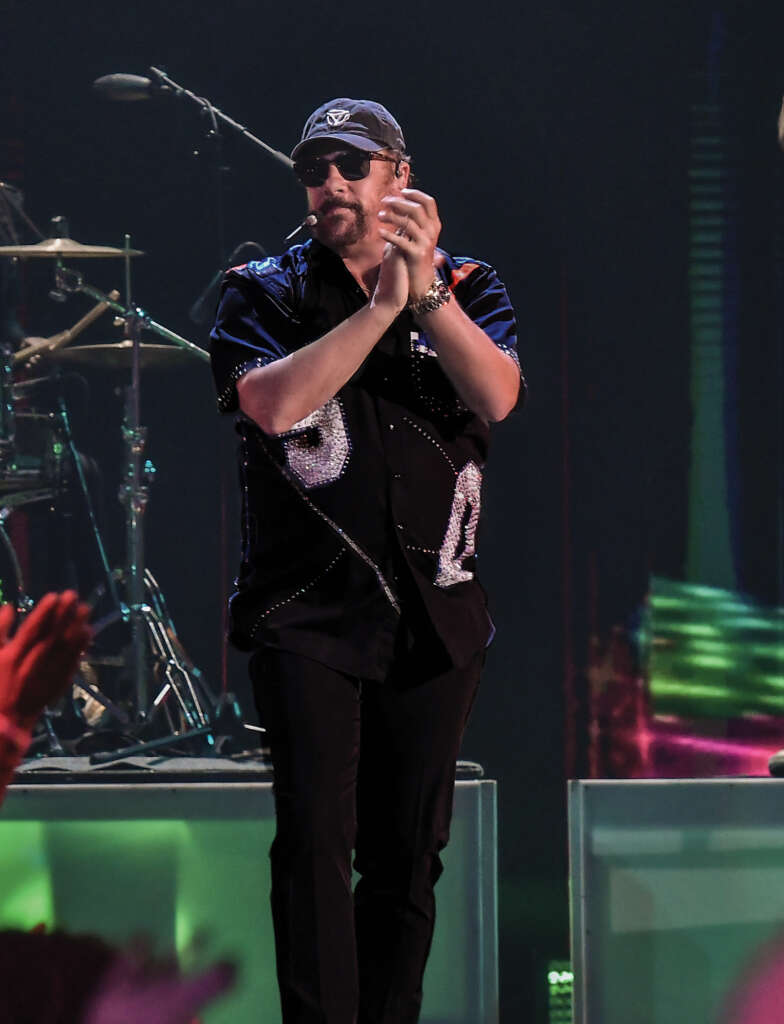
Harry Wayne Casey, KC and the Sunshine Band. Photo courtesy of Harry Wayne Casey.

Let’s talk about your music. Lots of artists have had a handful of No. 1 songs, but what strikes me about yours is that many of them have stayed in the public consciousness for 50 years.

You know, back in the day, a lot of the critics dismissed the music and stuff. I created this music to bring a certain energy into music, to bring happiness to people, and I’m so thankful that it’s done what I wanted it to do and still continues to do that through many generations. How many people can say that?

It’s been quite a blessing, I say. What do you remember about writing the hits? I know you wanted to write high-energy songs. Lyrically, you had a knack for simple, catchy phrasing and the hits all had a groove.

This is all I ever wanted to do, the only thing I ever thought of doing. It’s hard to explain how it developed into all these thoughts, all these lyrics I was writing. I had no idea what I was ever going to do with it. I’m more of a commercial songwriter. When The Beatles started, their songs were more commercial, more repetitive. Like, “love, love me do…” and “she loves you, yeah, yeah, yeah.” When I was working in a record [store], people would come in and say, “Do you have that new song? It goes like this…” And I thought, if I’m going to write these songs, I’m going to make sure people know the names of them when they come in to buy them.

Where did your performance gene come from? Back in the day, you were pretty energetic and charismatic.

I have pictures of my grandfather—he’s from Italy—playing the mandolin. He was a lover of music. My mother was a lover of music, and she always had music playing in the house and she loved to dance. She was always encouraging me to dance. And I grew up in the Pentecostal church, so there was always music in church. My aunts always played something, and my cousins. I was never without music around me. Every Sunday we would gather at one of the aunt’s houses, sit around the piano, and everyone would sing. That’s kind of how I grew up.

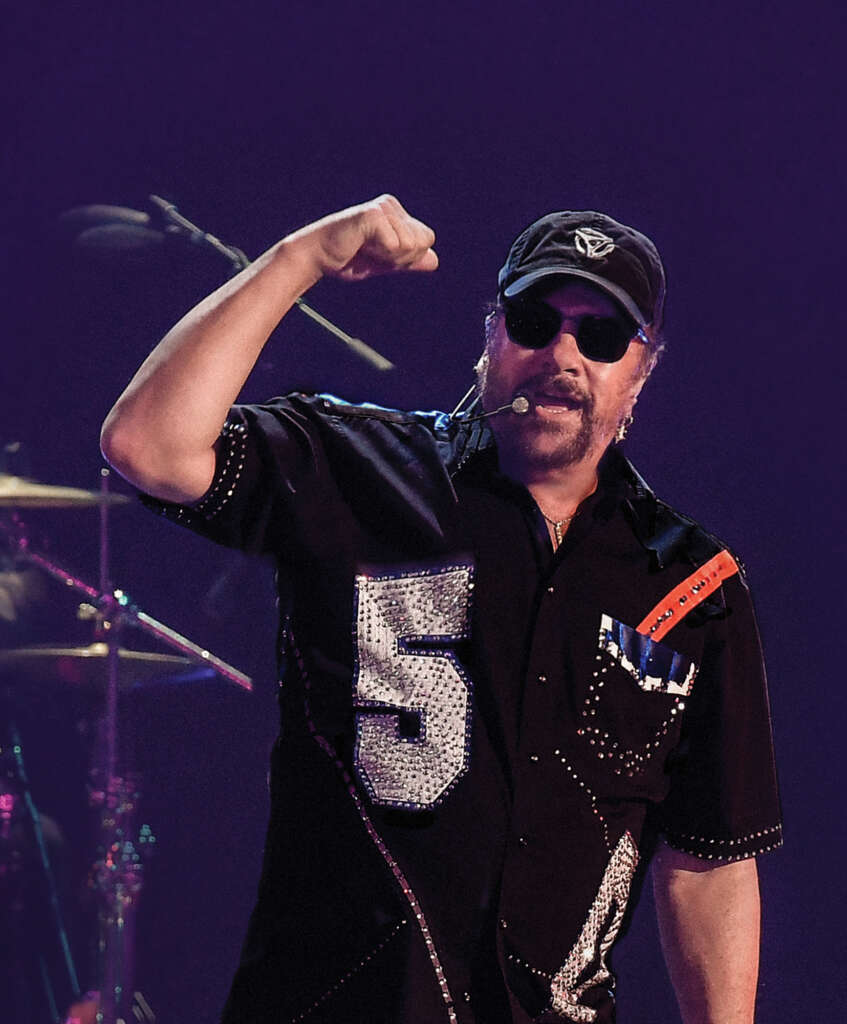
Harry Wayne Casey, KC and the Sunshine Band. Photo courtesy of Harry Wayne Casey.

Even today, your music is played everywhere: sporting events, commercials, elevators. What’s the strangest place you’ve ever heard one of your songs?

I am surprised when I hear one that wasn’t a major hit. My musical just premiered in London in September. I was sitting in this bar with my family and some friends after the premier, and all of a sudden, I heard this song that I wrote. And I thought, oh my God, I wrote that song, but it wasn’t me singing it. So those moments I have are when it’s a really obscure song, something unexpected. You’re 74 years old. I’m guessing a lot of people who remember you in your twenties wouldn’t immediately recognize you today. Have you ever heard your music playing in public and had the urge to tell people that you’re the guy—you’re KC?

I wouldn’t do that [he laughs]. But it’s very interesting when I’m out somewhere and they’re playing one of my songs, and I say to myself, “If they only knew, I’m sitting two feet away from them.

Is playing live still as much fun for you?

Oh yeah. My happiest moment is when on stage. You know, I didn’t tour a whole lot back then. From the early 80s up until 1995, I was partying a lot. I started doing shows when I was still getting high, and I thought, something’s got to give. So I decided, let me quit the drugs and do the shows, because that’s what I love doing. I’m just having the time of my life now. I’m not under pressure to record anything. It’s my one connection with the fans that I have for two hours. There’s nothing greater than to be there singing and dancing with people and everybody having a good time. It’s just an amazing feeling. Your success was concentrated in one particular era, and the songs were major hits.

When you look back at what happened 50 years ago, does it sort of feel like your golden age?

That was a different part of my life. That part of my life was very lonely. Although it was the greatest years of my life career-wise, personally, it wasn’t such a great time. That’s why I feel this is my golden age.

You have an impressive resume. Yet despite having five No. 1 hits, KC and the Sunshine Band is not in the Rock & Roll Hall of Fame, while other artists with less hits are included. Is that disappointing?

I still don’t get that credit. We influenced a lot of people. I read an article where ABBA said a song I wrote—“Rock Your Baby”—influenced them to write the song “Dancing Queen.” John Lennon said one of my songs influenced him to write a song called “Whatever Gets You Thru the Night.” Dr. Hook’s “When You’re in Love With a Beautiful Woman” was totally influenced by “Rock Your Baby.” There’s a lot of stuff, and I know that my influence has been felt in a lot of different places. But for some reason, we’ve just been dismissed. I don’t understand it, but it is what it is.

What else is going on in your life today?

I’m excited about the musical [Get Down Tonight: The KC and the Sunshine Band Musical]. It finished up on November 15 in London, and we’re talking about bringing it to the United States this year. It’s not so much about KC and the Sunshine Band as much as it is about a personal time of my life. It’s an emotional journey for me because it’s about me and some dear friends of mine, two of them who have passed on. It’s about us growing up in Miami.

It’s been quite a journey. And you’re on tour. You’re visiting your second home when you play at the Durham Performing Arts Center on March 14.

I’ve been excited about playing there. We used to play every now and then at Walnut Creek, and we haven’t been there in ages. I can’t wait to be there with everyone.


This Pop-up Is Included in the Theme
Best Choice for Creatives
Purchase Now