Skip to content Skip to sidebar Skip to footer

Fenton Collaboration Puts Local Honey on Tap

By Dathan Kazsuk

There are worse ways to spend an afternoon than standing near a few bee hives at Fenton, listening to a beekeeper talk about honey, community, and the strange miracle of thousands of tiny winged workers somehow doing a better job organizing themselves than most board meetings.

From there, we walked to Brewery Bhavana, where the story got even better: the honey from those hives had found its way into a beer called Hive, a collaboration between Brewery Bhavana and Buddha Bee Apiary. And yes, we tried it. That’s journalism. Someone has to do the difficult work.

Justin Maness, founder of Buddha Bee Apiary, has worked with Fenton for several years through its apiary program. His team manages the hives on-site, cares for the bees, and produces honey that has the rare advantage of being both hyper-local and strangely glamorous.

For Maness, collaborations are not just a marketing gimmick. They are part of the fun.
“Reaching across the table to other businesses, if it’s a different type of business or another beekeeping type of business, honestly, that’s my happy space,” Maness said. “Collaborating with your community is just a valuable piece of it all.”

That idea became Hive, a honey saison brewed by Brewery Bhavana using honey from Buddha Bee Apiary. It is the kind of project that sounds simple on paper—local honey, local beer, local collaboration—but like most good things, it takes trust.
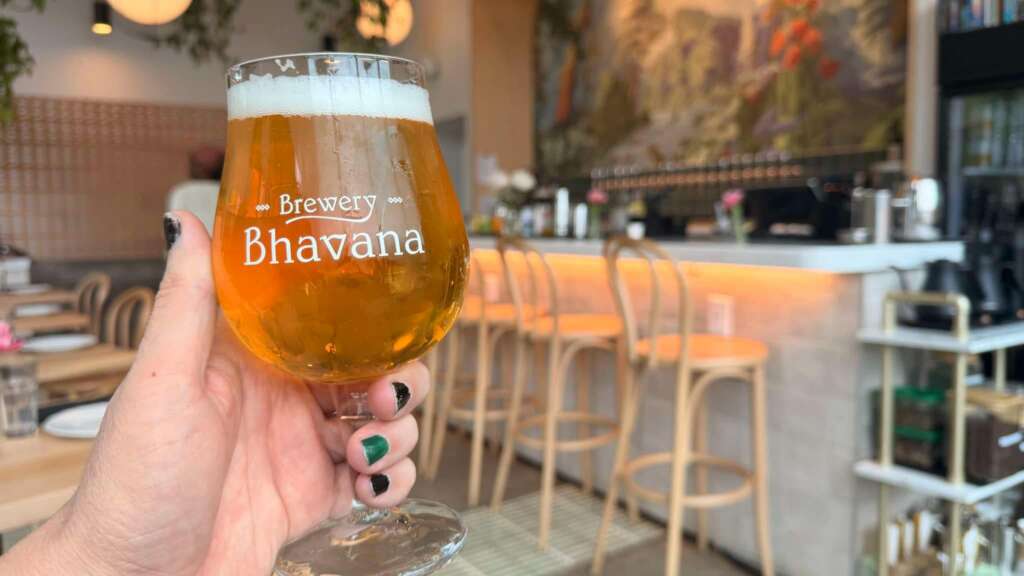
Hive, a honey saison by Brewery Bhavana, has the slight taste of honey and Chamomile. Photo by Dathan Kazsuk.

Maness said he did not try to pretend he was the brewer in the room. He knew honey. Brewery Bhavana knew beer. The smartest thing he could do was let each side do what it does best.

“I told them from the get-go, this is y’all’s expertise,” Maness said. “I knew once that ball was passed, it was going to be in good hands.”

For Brewery Bhavana, Hive appears to have struck a chord. According to the conversation, the beer had already been well received, with only a small amount of cases and kegs remaining at the time we spoke. The collaboration helped get attention, but the beer still had to deliver.

“At the end of the day, in my opinion, the beer, the product shines,” Katie Eells, brewery production manager of Brewery Bhavana said. “If the product wasn’t good, people recognize that, whether they know it or not.”

“Quality matters,” Eells said. “There was a big boom in the brewing industry, and I think there’s maybe an oversaturation that happened. Now it’s sort of the folks that are able to adjust to the market.”
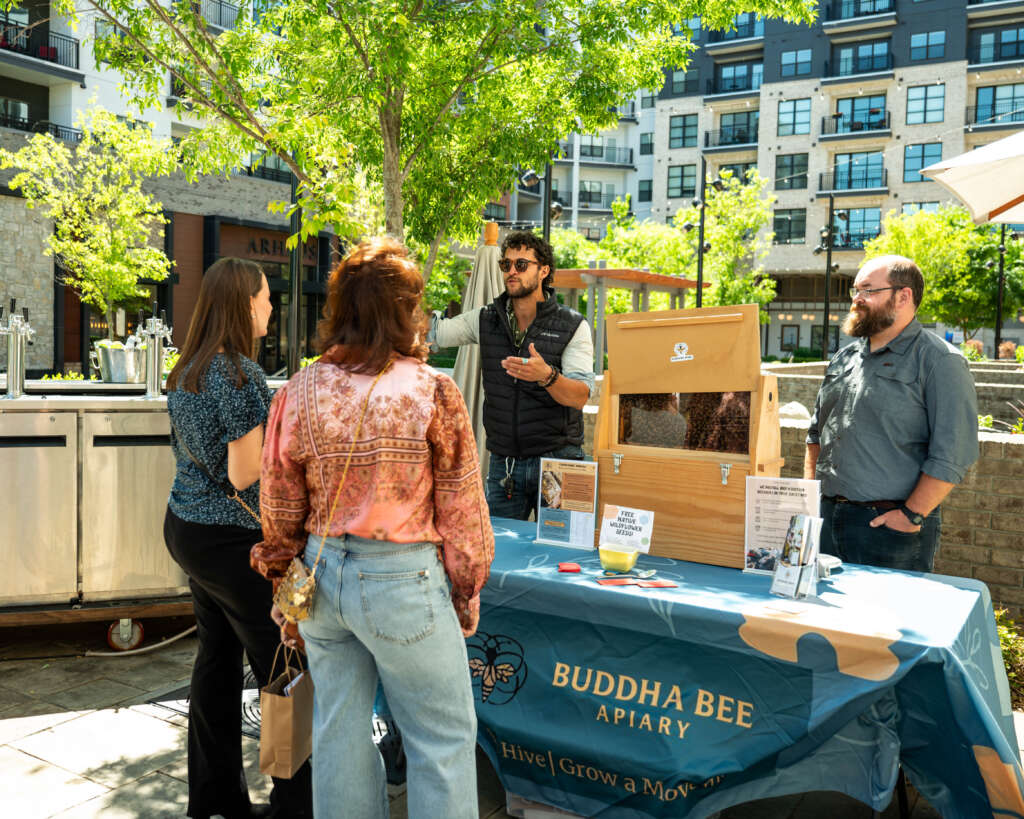
Buddha Bee Apiary and Brewery Bhavana hosted a media event where guests were able to sample the new beer. Photo by Molly DuBois Photo.

That may be the simplest truth in the craft beverage world right now. The novelty gets people in the door. The liquid determines whether they come back.

Maness has seen this before. Buddha Bee Apiary has collaborated with other businesses, including Peregrine in North Hills, which used honey in cocktails and desserts. Those projects, he said, let honey do more than sit politely in a jar waiting for someone to make tea.

“You get a chance to really make the honey shine in a way that it definitely could do on its own in a jar, but it’s just something a little bit even more special,” Maness said.

That is the bigger idea here. Local honey can become beer. It can become a dessert. It can become a cocktail. It can become part of a dinner, a market, a class, a tasting, or whatever other slightly ridiculous but brilliant idea someone decides to pitch next.

And Fenton seems built for that kind of thing. With restaurants, shops, bars, and events already pulling people into the district, the possibilities are sitting right there. A bakery could use the honey. A cocktail bar could build a drink around it. A chef could work it into a dish. A retailer could host a tasting. Suddenly, the bees are not just part of the landscaping—they are part of the local economy.
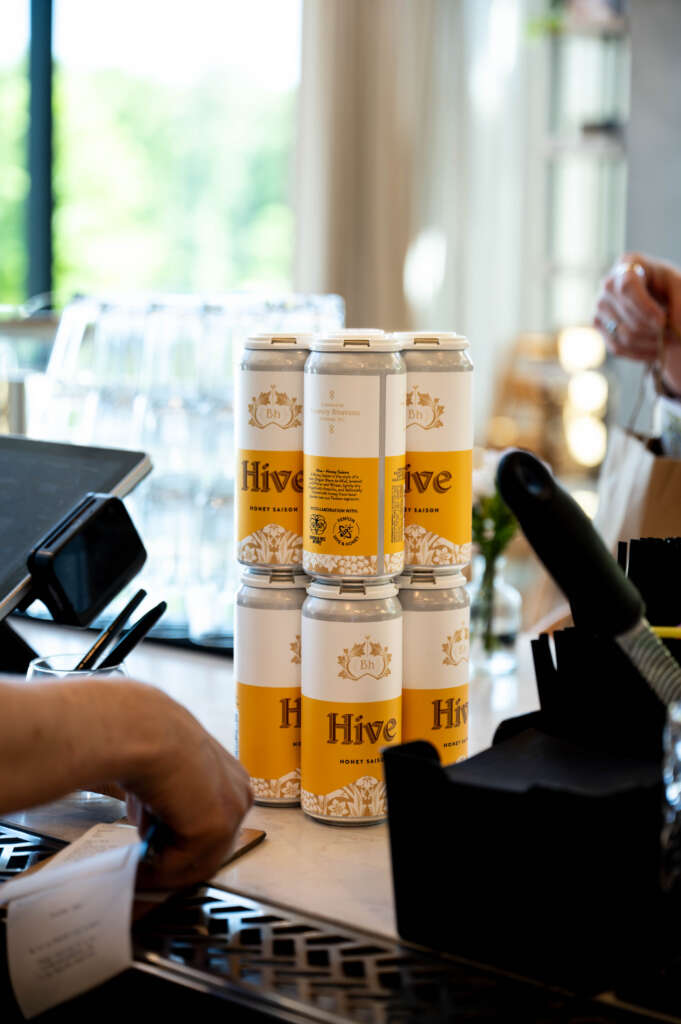
Photo by Molly DuBois Photo.

Maness said that support matters, especially for a small operation like Buddha Bee Apiary.

“We’re a small business,” he said. “We have like five people on our team. We don’t have a marketing side or a sales side. It’s just me running around trying to do a little bit of everything.”

That makes partnerships even more meaningful. For him, Fenton has not treated the apiary as a cute side feature or a nice sustainability talking point. It has given the business room to be creative.

“When we pitch them ideas, they’re like, ‘Sure, what do you need?’” Maness said. “That’s kind of in that spirit of collaboration that came here.”

That spirit is what makes Hive worth writing about. Not just because it is a beer with local honey, though that certainly helps. Not just because it gave us an excuse to visit the hives, walk back to the brewery, and drink beer in the name of research, though again, no complaints.
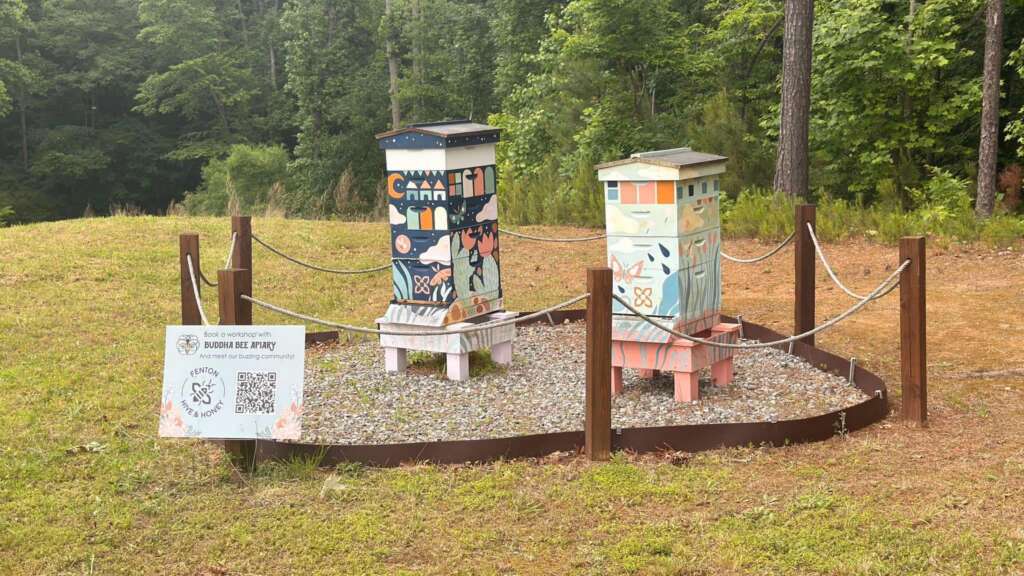
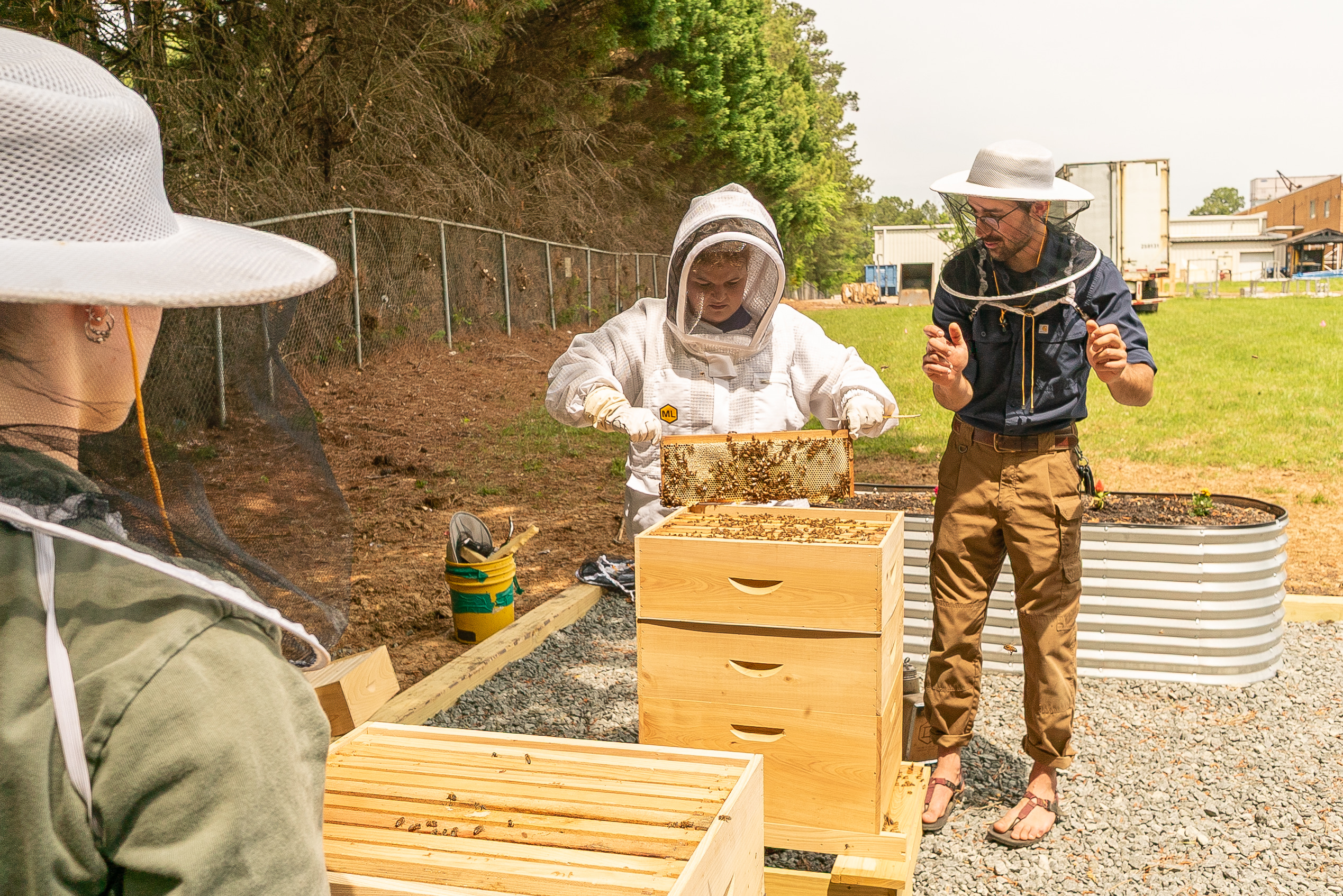
On the outskirts of Fenton, you'll find these two hives, maintained by Buddha Bee Apiary. Photo by Dathan Kazsuk.

It matters because it shows how interesting a place can become when its businesses stop acting like separate storefronts and start acting like neighbors.

The Triangle does not need more manufactured “experiences” that feel like they were assembled in a corporate conference room under fluorescent lighting and mild despair. It needs more of this: real local businesses, real ingredients, real collaboration, and a finished product people actually want to drink.

Hive is the kind of small project that points to a much bigger idea. When the right people are in the same place, cool things can happen.

Sometimes, they even come with bees.
Be sure to subscribe to our weekly newsletter!

© 2008-2025 Midtown magazine, LLC. All rights reserved. Copyright applies to all pages on this website. | Privacy Policy

By Dathan Kazsuk

There are worse ways to spend an afternoon than standing near a few bee hives at Fenton, listening to a beekeeper talk about honey, community, and the strange miracle of thousands of tiny winged workers somehow doing a better job organizing themselves than most board meetings.

From there, we walked to Brewery Bhavana, where the story got even better: the honey from those hives had found its way into a beer called Hive, a collaboration between Brewery Bhavana and Buddha Bee Apiary. And yes, we tried it. That’s journalism. Someone has to do the difficult work.

Justin Maness, founder of Buddha Bee Apiary, has worked with Fenton for several years through its apiary program. His team manages the hives on-site, cares for the bees, and produces honey that has the rare advantage of being both hyper-local and strangely glamorous.

For Maness, collaborations are not just a marketing gimmick. They are part of the fun.
“Reaching across the table to other businesses, if it’s a different type of business or another beekeeping type of business, honestly, that’s my happy space,” Maness said. “Collaborating with your community is just a valuable piece of it all.”

That idea became Hive, a honey saison brewed by Brewery Bhavana using honey from Buddha Bee Apiary. It is the kind of project that sounds simple on paper—local honey, local beer, local collaboration—but like most good things, it takes trust.

Hive, a honey saison by Brewery Bhavana, has the slight taste of honey and Chamomile. Photo by Dathan Kazsuk.

Maness said he did not try to pretend he was the brewer in the room. He knew honey. Brewery Bhavana knew beer. The smartest thing he could do was let each side do what it does best.

“I told them from the get-go, this is y’all’s expertise,” Maness said. “I knew once that ball was passed, it was going to be in good hands.”

For Brewery Bhavana, Hive appears to have struck a chord. According to the conversation, the beer had already been well received, with only a small amount of cases and kegs remaining at the time we spoke. The collaboration helped get attention, but the beer still had to deliver.

“At the end of the day, in my opinion, the beer, the product shines,” Katie Eells, brewery production manager of Brewery Bhavana said. “If the product wasn’t good, people recognize that, whether they know it or not.”

“Quality matters,” Eells said. “There was a big boom in the brewing industry, and I think there’s maybe an oversaturation that happened. Now it’s sort of the folks that are able to adjust to the market.”

Buddha Bee Apiary and Brewery Bhavana hosted a media event where guests were able to sample the new beer. Photo by Molly DuBois Photo.

That may be the simplest truth in the craft beverage world right now. The novelty gets people in the door. The liquid determines whether they come back.

Maness has seen this before. Buddha Bee Apiary has collaborated with other businesses, including Peregrine in North Hills, which used honey in cocktails and desserts. Those projects, he said, let honey do more than sit politely in a jar waiting for someone to make tea.

“You get a chance to really make the honey shine in a way that it definitely could do on its own in a jar, but it’s just something a little bit even more special,” Maness said.

That is the bigger idea here. Local honey can become beer. It can become a dessert. It can become a cocktail. It can become part of a dinner, a market, a class, a tasting, or whatever other slightly ridiculous but brilliant idea someone decides to pitch next.

And Fenton seems built for that kind of thing. With restaurants, shops, bars, and events already pulling people into the district, the possibilities are sitting right there. A bakery could use the honey. A cocktail bar could build a drink around it. A chef could work it into a dish. A retailer could host a tasting. Suddenly, the bees are not just part of the landscaping—they are part of the local economy.

Photo by Molly DuBois Photo.

Maness said that support matters, especially for a small operation like Buddha Bee Apiary.

“We’re a small business,” he said. “We have like five people on our team. We don’t have a marketing side or a sales side. It’s just me running around trying to do a little bit of everything.”

That makes partnerships even more meaningful. For him, Fenton has not treated the apiary as a cute side feature or a nice sustainability talking point. It has given the business room to be creative.

“When we pitch them ideas, they’re like, ‘Sure, what do you need?’” Maness said. “That’s kind of in that spirit of collaboration that came here.”

That spirit is what makes Hive worth writing about. Not just because it is a beer with local honey, though that certainly helps. Not just because it gave us an excuse to visit the hives, walk back to the brewery, and drink beer in the name of research, though again, no complaints.

On the outskirts of Fenton, you'll find these two hives, maintained by Buddha Bee Apiary. Photo by Dathan Kazsuk.

It matters because it shows how interesting a place can become when its businesses stop acting like separate storefronts and start acting like neighbors.

The Triangle does not need more manufactured “experiences” that feel like they were assembled in a corporate conference room under fluorescent lighting and mild despair. It needs more of this: real local businesses, real ingredients, real collaboration, and a finished product people actually want to drink.

Hive is the kind of small project that points to a much bigger idea. When the right people are in the same place, cool things can happen.

Sometimes, they even come with bees.

Be sure to subscribe to our weekly newsletter!

This Pop-up Is Included in the Theme
Best Choice for Creatives
Purchase Now