Skip to content Skip to sidebar Skip to footer

Why Women Wake Up at 3 A.M. During Perimenopause

Perimenopause Insominia Women

By Dr. Sarah Maddison

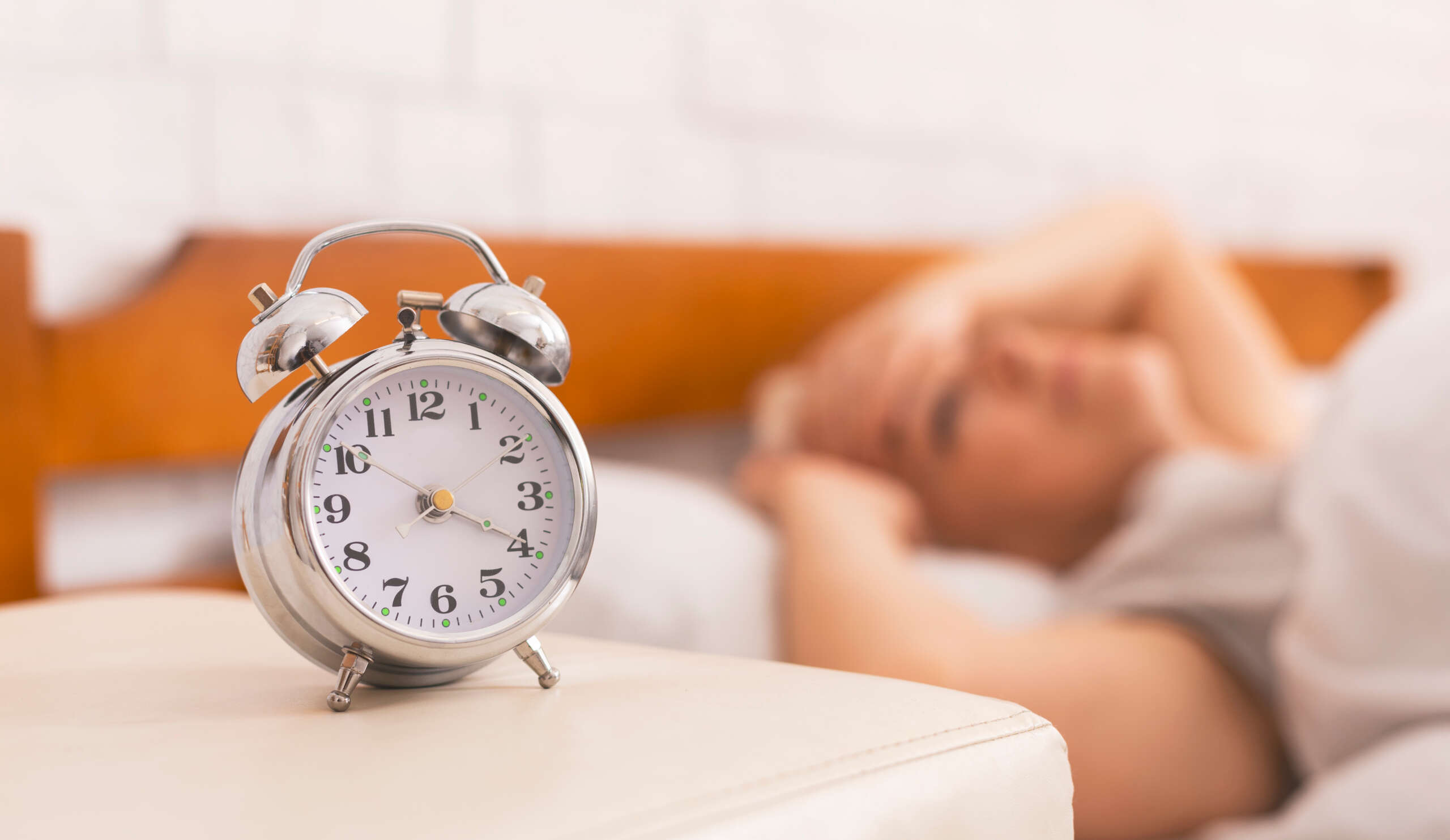
For many women, sleep changes seem to arrive without much warning. One day, getting a full night’s rest feels routine. Then suddenly you’re staring at the clock at 3 a.m., throwing off the covers because you’re too hot, or lying awake while your brain runs through tomorrow’s to-do list. And while stress certainly plays a role, hormonal changes during perimenopause and menopause can have a significant impact on how deeply—and how consistently—women sleep.

Dr. Sarah D. Maddison with MidCarolina ObGyn in Raleigh breaks down why those middle-of-the-night wake-ups become so common, how to tell the difference between stress-driven and hormonal insomnia, and when it may be time to look beyond another cup of chamomile tea.

Why do so many women suddenly start waking up at 3:00 a.m. once they hit their late 30s or 40s?

Many women notice that sleep suddenly becomes lighter, more fragmented, and frustratingly unpredictable during their late 30s and 40s—and hormones are often a major reason why. As estrogen and progesterone levels begin fluctuating during perimenopause, the brain’s sleep regulation becomes more sensitive. Progesterone, in particular, has calming and sedating properties, so declining levels can make it harder to stay asleep through the night.

At the same time, stress hormones like cortisol may become more disruptive, especially in women juggling careers, caregiving, parenting, and mental overload. The classic “3:00 a.m. wake-up” often comes from a mix of hormonal shifts, stress physiology, and lighter sleep architecture.

The important thing to know is that many women assume they suddenly became “bad sleepers,” when in reality there is often a very real biological explanation behind the change.

How do night sweats impact sleep quality, and what can be done to manage them beyond just “turning up the AC”?

Night sweats do far more than simply make someone uncomfortable—they repeatedly disrupt the body’s ability to reach deep, restorative sleep. Even brief overheating episodes can trigger micro-awakenings throughout the night, leaving women feeling exhausted despite technically being “in bed” for eight hours.

Cooling the room certainly helps, but management usually requires a broader approach. Breathable bedding, moisture-wicking sleepwear, limiting alcohol before bed, and reducing heavy evening meals can all decrease nighttime temperature fluctuations. Stress reduction is also important because cortisol surges can worsen vasomotor symptoms.

For women with moderate to severe night sweats, hormone therapy is often the most effective treatment when medically appropriate. Non-hormonal medications, newer prescription therapies targeting the neurons that control temperature-regulation pathways in the brain, and cognitive behavioral therapy for insomnia can also provide meaningful relief.

Depression Women Sleep
Photo by Stock.Adobe.com/auremar.

What is the difference between “racing brain” insomnia and hormonal insomnia, and how do you treat them differently?

While they often overlap, “racing brain” insomnia and hormonal insomnia tend to have different patterns. Racing-brain insomnia is usually driven more by stress, anxiety, mental overload, or hypervigilance. These women often feel physically tired but mentally “stuck on.” Their brain continues problem-solving, replaying conversations, or mentally organizing tomorrow’s to-do list at midnight.

Hormonal insomnia, on the other hand, is more commonly associated with night sweats, sudden awakenings, lighter sleep, or waking consistently around the same time each night despite feeling mentally calm. Hormonal fluctuations can directly affect body temperature regulation, neurotransmitters, and sleep stability.

Treatment depends on the underlying driver. Racing-brain insomnia often responds well to stress management, cognitive behavioral therapy for insomnia (CBT-I), mindfulness strategies, nervous system regulation, and improved sleep hygiene. Hormonal insomnia may improve with hormone therapy, targeted symptom management, or treatments addressing vasomotor symptoms and sleep disruption directly. Sleep disruptions are also a common symptom of depression and anxiety. Please be sure your provider provides screening for mood disorders before simply chalking sleeplessness, fatigue, and brain fog up to menopause.
Sleeping Women

Are natural aids like Magnesium or Melatonin enough, or when is it time to consider a stronger intervention?

Natural sleep aids can absolutely be helpful for some women, particularly when symptoms are mild or situational. Magnesium glycinate may support muscle relaxation and nervous system regulation, while melatonin can help support circadian rhythm—especially for difficulty falling asleep.

One of my favorite over-the-counter products is Noctera, a hormone-free, melatonin-free sleep supplement that contains magnesium glycinate, GABA (gamma-aminobutyric acid), L-theanine, and SAMe (S-adenosyl-L-methionine). These ingredients work together to promote relaxation, support the body’s natural sleep processes, and help reduce nighttime awakenings by calming the nervous system and supporting neurotransmitter pathways involved in healthy sleep, particularly for women experiencing menopause-related sleep disturbances.

Some women also benefit from calming nighttime routines, limiting blue light exposure, and improving sleep consistency.

However, if insomnia becomes chronic, significantly impacts daytime functioning, or persists despite lifestyle adjustments, it may be time for a more comprehensive evaluation. Persistent sleep disruption can affect mood, metabolism, cardiovascular health, cognition, and overall quality of life.

In some cases, addressing the root cause—whether hormonal shifts, anxiety, sleep apnea, depression, thyroid dysfunction, or menopause symptoms—is far more effective than repeatedly trying over-the-counter remedies alone.

How can women use sleep data from wearables (like an Oura ring or Apple Watch) to better inform their care?

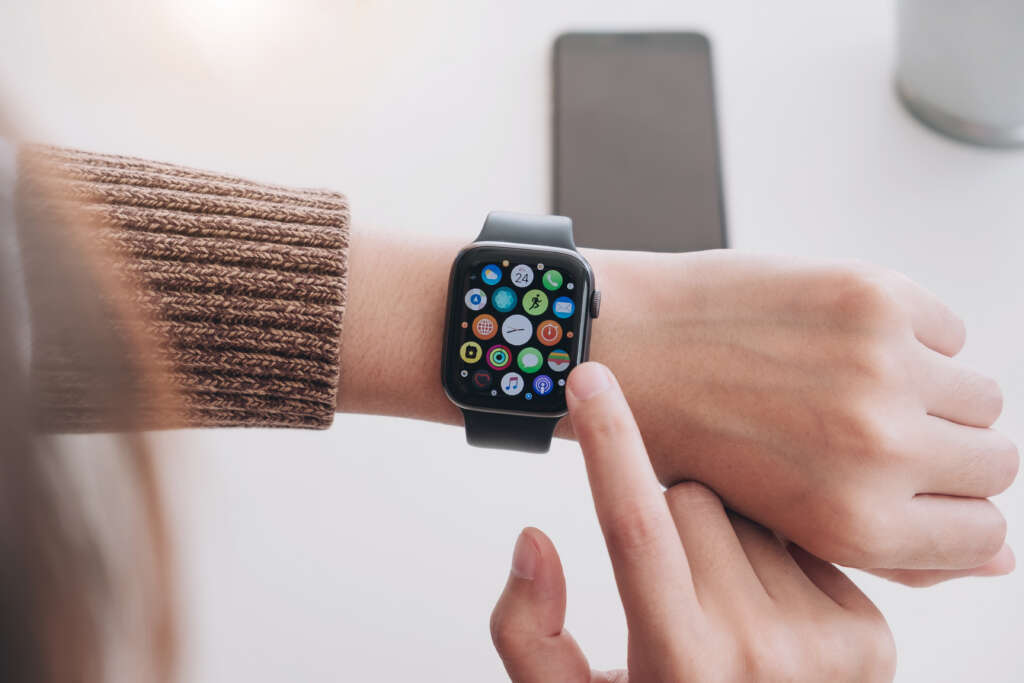
Wearables can provide helpful insight into sleep patterns, recovery, heart rate trends, and nighttime disturbances, especially when viewed over time rather than obsessing over a single “bad score.” Trends such as elevated resting heart rate, increased nighttime awakenings, reduced deep sleep, or disrupted temperature patterns can help women identify connections between sleep quality, stress, alcohol intake, exercise timing, or hormonal fluctuations.

That said, the data should be used as a guide—not a source of anxiety. Some people become so focused on optimizing their sleep scores that the tracking itself increases stress and worsens sleep quality, a phenomenon sometimes called “orthosomnia.”

When used thoughtfully, wearable data can be extremely useful during medical consultations because it helps provide objective patterns rather than vague descriptions like “I’m sleeping terribly.” It can help patients and clinicians better identify trends and tailor treatment approaches.


© 2008-2025 Midtown magazine, LLC. All rights reserved. Copyright applies to all pages on this website. | Privacy Policy

By Dr. Sarah Maddison

For many women, sleep changes seem to arrive without much warning. One day, getting a full night’s rest feels routine. Then suddenly you’re staring at the clock at 3 a.m., throwing off the covers because you’re too hot, or lying awake while your brain runs through tomorrow’s to-do list. And while stress certainly plays a role, hormonal changes during perimenopause and menopause can have a significant impact on how deeply—and how consistently—women sleep.

Dr. Sarah D. Maddison with MidCarolina ObGyn in Raleigh breaks down why those middle-of-the-night wake-ups become so common, how to tell the difference between stress-driven and hormonal insomnia, and when it may be time to look beyond another cup of chamomile tea.

Why do so many women suddenly start waking up at 3:00 a.m. once they hit their late 30s or 40s?

Many women notice that sleep suddenly becomes lighter, more fragmented, and frustratingly unpredictable during their late 30s and 40s—and hormones are often a major reason why. As estrogen and progesterone levels begin fluctuating during perimenopause, the brain’s sleep regulation becomes more sensitive. Progesterone, in particular, has calming and sedating properties, so declining levels can make it harder to stay asleep through the night.

At the same time, stress hormones like cortisol may become more disruptive, especially in women juggling careers, caregiving, parenting, and mental overload. The classic “3:00 a.m. wake-up” often comes from a mix of hormonal shifts, stress physiology, and lighter sleep architecture.

The important thing to know is that many women assume they suddenly became “bad sleepers,” when in reality there is often a very real biological explanation behind the change.

How do night sweats impact sleep quality, and what can be done to manage them beyond just “turning up the AC”?

Night sweats do far more than simply make someone uncomfortable—they repeatedly disrupt the body’s ability to reach deep, restorative sleep. Even brief overheating episodes can trigger micro-awakenings throughout the night, leaving women feeling exhausted despite technically being “in bed” for eight hours.

Cooling the room certainly helps, but management usually requires a broader approach. Breathable bedding, moisture-wicking sleepwear, limiting alcohol before bed, and reducing heavy evening meals can all decrease nighttime temperature fluctuations. Stress reduction is also important because cortisol surges can worsen vasomotor symptoms.

For women with moderate to severe night sweats, hormone therapy is often the most effective treatment when medically appropriate. Non-hormonal medications, newer prescription therapies targeting the neurons that control temperature-regulation pathways in the brain, and cognitive behavioral therapy for insomnia can also provide meaningful relief.

Depression Women Sleep
Photo by Stock.Adobe.com/auremar.

What is the difference between “racing brain” insomnia and hormonal insomnia, and how do you treat them differently?

While they often overlap, “racing brain” insomnia and hormonal insomnia tend to have different patterns. Racing-brain insomnia is usually driven more by stress, anxiety, mental overload, or hypervigilance. These women often feel physically tired but mentally “stuck on.” Their brain continues problem-solving, replaying conversations, or mentally organizing tomorrow’s to-do list at midnight.

Hormonal insomnia, on the other hand, is more commonly associated with night sweats, sudden awakenings, lighter sleep, or waking consistently around the same time each night despite feeling mentally calm. Hormonal fluctuations can directly affect body temperature regulation, neurotransmitters, and sleep stability.

Treatment depends on the underlying driver. Racing-brain insomnia often responds well to stress management, cognitive behavioral therapy for insomnia (CBT-I), mindfulness strategies, nervous system regulation, and improved sleep hygiene. Hormonal insomnia may improve with hormone therapy, targeted symptom management, or treatments addressing vasomotor symptoms and sleep disruption directly. Sleep disruptions are also a common symptom of depression and anxiety. Please be sure your provider provides screening for mood disorders before simply chalking sleeplessness, fatigue, and brain fog up to menopause.

Sleeping Women

Are natural aids like Magnesium or Melatonin enough, or when is it time to consider a stronger intervention?

Natural sleep aids can absolutely be helpful for some women, particularly when symptoms are mild or situational. Magnesium glycinate may support muscle relaxation and nervous system regulation, while melatonin can help support circadian rhythm—especially for difficulty falling asleep.

One of my favorite over-the-counter products is Noctera, a hormone-free, melatonin-free sleep supplement that contains magnesium glycinate, GABA (gamma-aminobutyric acid), L-theanine, and SAMe (S-adenosyl-L-methionine). These ingredients work together to promote relaxation, support the body’s natural sleep processes, and help reduce nighttime awakenings by calming the nervous system and supporting neurotransmitter pathways involved in healthy sleep, particularly for women experiencing menopause-related sleep disturbances.

Some women also benefit from calming nighttime routines, limiting blue light exposure, and improving sleep consistency.

However, if insomnia becomes chronic, significantly impacts daytime functioning, or persists despite lifestyle adjustments, it may be time for a more comprehensive evaluation. Persistent sleep disruption can affect mood, metabolism, cardiovascular health, cognition, and overall quality of life.

In some cases, addressing the root cause—whether hormonal shifts, anxiety, sleep apnea, depression, thyroid dysfunction, or menopause symptoms—is far more effective than repeatedly trying over-the-counter remedies alone.

How can women use sleep data from wearables (like an Oura ring or Apple Watch) to better inform their care?

Wearables can provide helpful insight into sleep patterns, recovery, heart rate trends, and nighttime disturbances, especially when viewed over time rather than obsessing over a single “bad score.” Trends such as elevated resting heart rate, increased nighttime awakenings, reduced deep sleep, or disrupted temperature patterns can help women identify connections between sleep quality, stress, alcohol intake, exercise timing, or hormonal fluctuations.

That said, the data should be used as a guide—not a source of anxiety. Some people become so focused on optimizing their sleep scores that the tracking itself increases stress and worsens sleep quality, a phenomenon sometimes called “orthosomnia.”

When used thoughtfully, wearable data can be extremely useful during medical consultations because it helps provide objective patterns rather than vague descriptions like “I’m sleeping terribly.” It can help patients and clinicians better identify trends and tailor treatment approaches.

This Pop-up Is Included in the Theme
Best Choice for Creatives
Purchase Now