

By Dathan Kazsuk
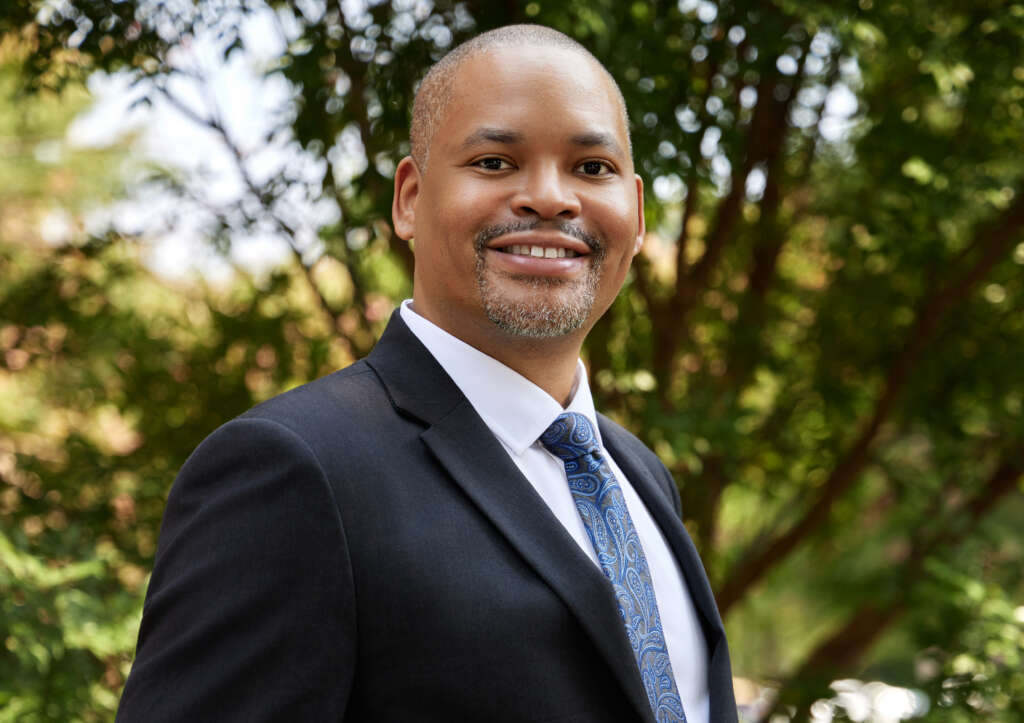
For Dr. Benjamin Petty, basketball was never just a game. It was the dream that brought him to NC State, the challenge that tested his discipline and, eventually, helped lead him into medicine.
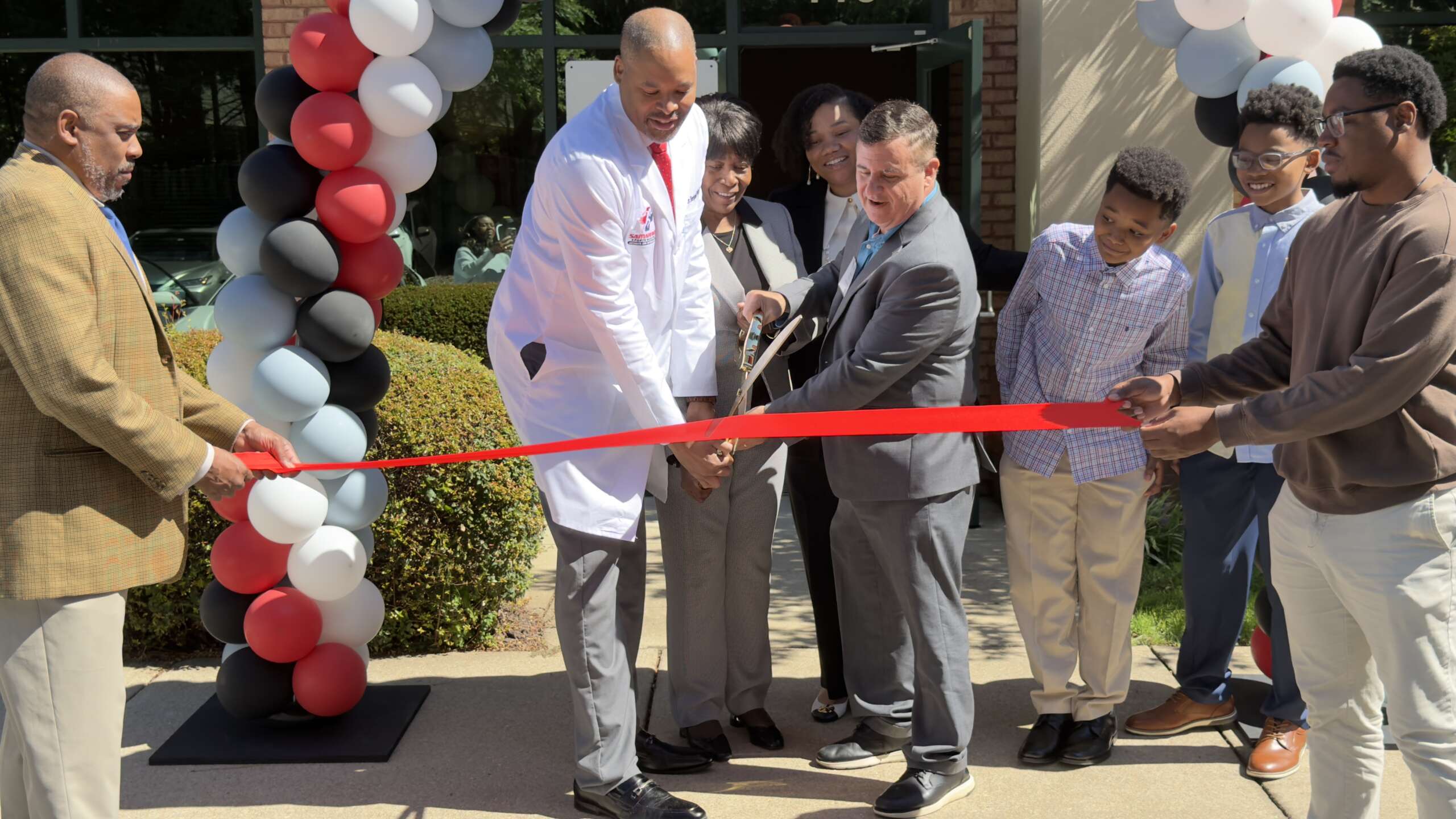
Today, the former Wolfpack forward is on a different kind of team. As founder of Samaritan Sports Medicine in North Raleigh, Petty helps everyone from young athletes to older adults dealing with stubborn knees, aching shoulders, and injuries that refuse to go away. And despite what the name might suggest, his practice is not just for people who wear a jersey.
“Almost 85% of everything that walks through the door doesn’t need surgery,” Petty says, referring to the patients he sees. The goal, he explains, is to find out what is wrong early and explore appropriate ways to treat it before surgery becomes necessary.
A Wolfpack Foundation
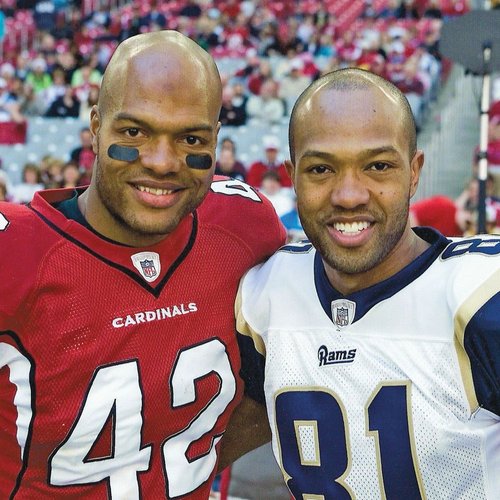
Growing up an NC State fan, Petty dreamed of playing for the Wolfpack. When that chance came, he discovered that balancing Division I basketball with pre-med studies was almost a sport in itself. Practices, weightlifting sessions, classes, and road trips included opportunities to play in Puerto Rico and Italy.
Petty shared the court with a name many Wolfpack fans have been hearing a lot lately—the new head coach for the men’s basketball team, Justin Gainey. Petty still supports the program and attends alumni activities, keeping close to the school where his professional path first began to take shape.
Injuries were part of his playing days, too. Watching team physicians, trainers, and physical therapists care for him and his teammates showed him how much difference the right support could make. His mother was a nurse, and medicine had always interested him. Although he initially considered ophthalmology, medical school helped him find a way to bring together his two passions: health care and sports.
That experience still shapes the way he treats patients.
Petty knows an injury can sideline more than an athlete’s body. It can affect confidence, mood, and a sense of identity. Having lived through the pressure to get back on the court, he tries to address the emotional side of recovery along with the physical one.
More Options, Fewer Operating Rooms
Before opening Samaritan Sports Medicine, Petty worked with Cape Fear Valley Orthopedics and Sports Medicine and EmergeOrtho, where he directed an orthobiologics program. He also serves as adjunct faculty with Campbell University’s sports medicine fellowship and medical school, and completed graduate studies at Duke Divinity School focused on theology, health care, and culture.
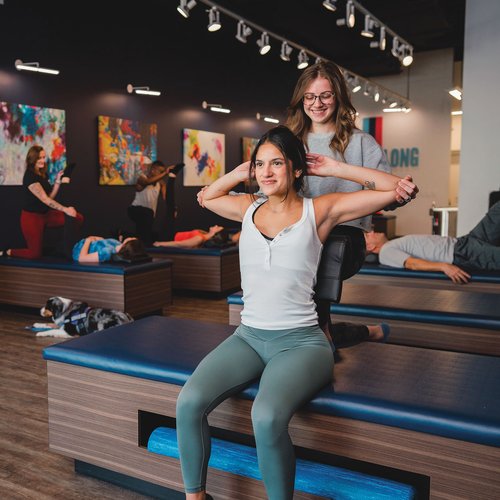
His Raleigh practice focuses on diagnosing and treating musculoskeletal problems without surgery when appropriate. High-resolution ultrasound helps him evaluate tendons, muscles, ligaments, and joints, often while guiding treatment to a specific area.
Some of Samaritan’s packages include platelet-rich plasma injections; hyaluronic acid injections for certain joint complaints; and minimally invasive procedures that remove damaged tendon tissue. They also offer bone marrow aspirate concentrate and other interventions.
One approach Petty discussed is extracorporeal shockwave therapy, which delivers pulses of energy to painful tissue. He uses it for some stubborn tendon problems and conditions such as plantar fasciitis. He says a typical course might involve three or four visits over several weeks, generally with little downtime.
Still, the first step is not choosing a procedure. It is getting the right diagnosis—and recognizing when a surgical specialist is the better option.
His Advice: Don’t Wait for an Injury to Get Worse
For adults returning to tennis, golf, pickleball, or running, Petty says one of the biggest mistakes is doing too much, too quickly. Going straight from the couch into an ambitious exercise routine is a fast track to overuse injuries.
Instead, he recommends building up gradually and paying attention when something feels wrong. A little rest may be enough for minor soreness, but persistent pain deserves attention.
“If you have a pain that doesn’t go away after a couple of days,” he says, “then likely you might need to get checked out.” A sudden pop or other concerning symptom also warrants prompt evaluation.
Mixing up your workouts is one of Petty’s tips. Runners should make time for strength training, and weightlifters should include cardiovascular activity. That balance helps support the body rather than repeatedly stressing the same muscles and joints.
It is a message Petty carries from his days in a Wolfpack uniform to his exam room today: staying in the game means knowing when to push, when to recover, and when to ask for help.
Samaritan Sports Medicine is at 8300 Falls of Neuse Road, Suite 110, Raleigh. Learn more at samaritansportsmedicine.net.