
Skip to content Skip to sidebar Skip to footer

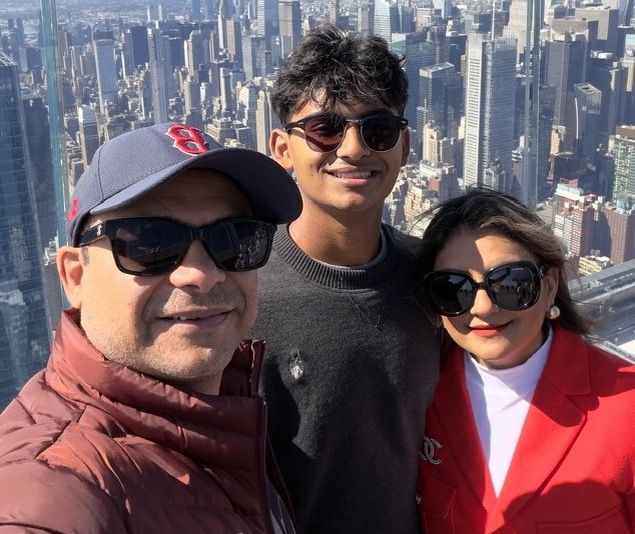
Inside the Family Spirit Behind Tamasha Modern Indian

Tamasha Raleigh Mike Kathrani

Earlier this spring, Midtown spotlighted Tina Vora of Tamasha Modern Indian and how motherhood, design, and hospitality come together in the way she shapes one of Raleigh’s most talked-about dining experiences.

Now, we’re turning the tables slightly.

Because behind every restaurant with that much style, flavor, and energy, there is usually another story happening away from the dining room. It is not always about the plating, the cocktails, the lighting, or that first “wow” moment when guests walk through the door. Sometimes, it is about what happens before the restaurant opens, after the last table leaves, and in those rare quiet hours when family gets to come first.

For Mike Kathrani of Tamasha Modern Indian, the connection between home and hospitality is not hard to find.

“Being present matters more than anything,” Kathrani says.

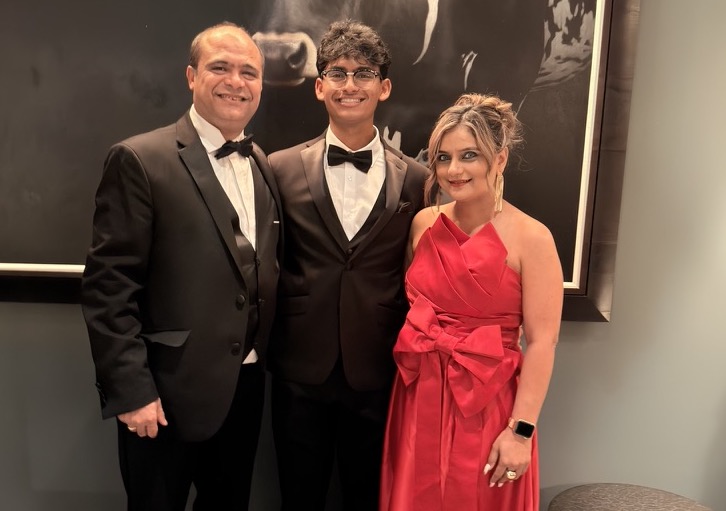
That idea runs through the way he talks about family, leadership, and the demanding world of restaurant life. It is not just about being a business owner or helping guide a restaurant. It is about creating a culture where people feel supported, respected, and valued.
Tamasha Raleigh Mike Kathrani

In other words, hospitality does not begin when a guest sits down. It starts much earlier.

Kathrani says fatherhood has shaped the way he leads. At home, that means nurturing, supporting, and leading by example. At work, it means trying to be someone his team can rely on.

“You lead from the front, you treat people with respect, and you create an environment where everyone feels valued,” he says.

That matters in a restaurant like Tamasha, where the experience is built on more than just food. Guests come for modern Indian cuisine, but the full experience includes atmosphere, service, storytelling, and a sense of welcome. The same care Tina Vora described in her earlier Midtown Q&A — the warmth, intention, and emotional connection behind hospitality — shows up in the way Kathrani talks about leadership.

Related story: Mother’s Day Q&A: Tina Vora of Tamasha Modern Indian

Restaurant life, of course, is not exactly known for its easy hours. Anyone who has worked in or around hospitality knows the industry has a way of taking over nights, weekends, and everything in between. Kathrani does not pretend balance is perfect. He describes it as something that is always evolving.

For him, the answer comes down to systems, trust, and delegation.

“I try to set clear boundaries — family time is family time, and work time is work time,” he says.
Tamasha Raleigh

That does not mean the phone never rings or the restaurant never needs attention. But Kathrani says the goal is to build a team strong enough that the business can run without him needing to be everywhere at once.

“My team appreciates the help when I am there, but they ideally don’t need me there to run the show,” he says. “I am always there if they need me.”

That may be one of the less glamorous parts of hospitality, but it is also one of the most important. A restaurant can have beautiful food and a stunning room, but if the team does not feel supported, guests eventually feel that, too.

At home, food is still part of the story, but the pace changes.

Kathrani says he enjoys cooking vegetarian meals for his family, whether they come from family recipes or simply what everyone is craving that day. He and his wife also cook together, experimenting, refining dishes, and recreating Indian street food at home.

And he still makes his son’s favorite breakfast when asked: French toast or pancakes with mixed berry compote and scrambled eggs. He also says they continue to prepare and drop off a fresh lunch for him at school each day, making sure he has a hot meal.

There is something wonderfully old-school and deeply human about that. In a world that keeps speeding up, there is still something to be said for showing up with lunch.

“There will be a time for independence,” Kathrani says, “but for now, it’s about showing up in those everyday ways.”

That idea — showing up — may be the thread that ties all of this together.

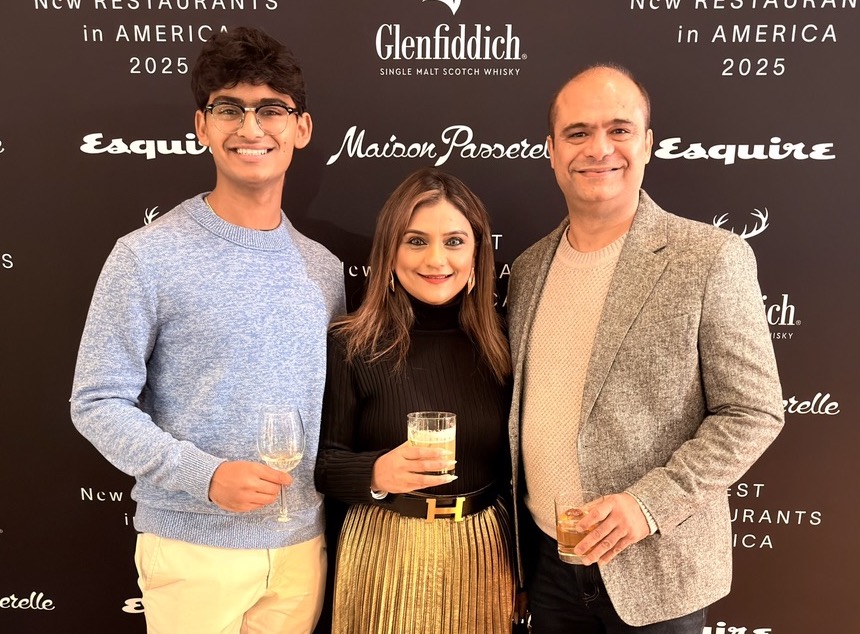
The Kathrani family moved to Raleigh from Boston when their son was six, and the change gave them something they did not take for granted: more time outdoors. Kathrani says the quality of life in the Raleigh area has been incredible for their family, with parks and lakes, beaches, and mountains all within reach.

And maybe that is why this story does not need a holiday to work.

Father’s Day, Mother’s Day, and all those calendar moments give us a reason to pause, but the better story is often what happens the rest of the year. It is the daily rhythm behind the restaurant. The family meals. The school lunches. The quiet brunches. The team culture. The attempt—sometimes successful, sometimes messy—to build something meaningful without losing sight of the people closest to you.


© 2008-2025 Midtown magazine, LLC. All rights reserved. Copyright applies to all pages on this website. | Privacy Policy

Earlier this spring, Midtown spotlighted Tina Vora of Tamasha Modern Indian and how motherhood, design, and hospitality come together in the way she shapes one of Raleigh’s most talked-about dining experiences.

Now, we’re turning the tables slightly.

Because behind every restaurant with that much style, flavor, and energy, there is usually another story happening away from the dining room. It is not always about the plating, the cocktails, the lighting, or that first “wow” moment when guests walk through the door. Sometimes, it is about what happens before the restaurant opens, after the last table leaves, and in those rare quiet hours when family gets to come first.

For Mike Kathrani of Tamasha Modern Indian, the connection between home and hospitality is not hard to find.

“Being present matters more than anything,” Kathrani says.

That idea runs through the way he talks about family, leadership, and the demanding world of restaurant life. It is not just about being a business owner or helping guide a restaurant. It is about creating a culture where people feel supported, respected, and valued.

Tamasha Raleigh Mike Kathrani

In other words, hospitality does not begin when a guest sits down. It starts much earlier.

Kathrani says fatherhood has shaped the way he leads. At home, that means nurturing, supporting, and leading by example. At work, it means trying to be someone his team can rely on.

“You lead from the front, you treat people with respect, and you create an environment where everyone feels valued,” he says.

That matters in a restaurant like Tamasha, where the experience is built on more than just food. Guests come for modern Indian cuisine, but the full experience includes atmosphere, service, storytelling, and a sense of welcome. The same care Tina Vora described in her earlier Midtown Q&A — the warmth, intention, and emotional connection behind hospitality — shows up in the way Kathrani talks about leadership.

Related story: Mother’s Day Q&A: Tina Vora of Tamasha Modern Indian

Restaurant life, of course, is not exactly known for its easy hours. Anyone who has worked in or around hospitality knows the industry has a way of taking over nights, weekends, and everything in between. Kathrani does not pretend balance is perfect. He describes it as something that is always evolving.

For him, the answer comes down to systems, trust, and delegation.

“I try to set clear boundaries — family time is family time, and work time is work time,” he says.

Tamasha Raleigh

That does not mean the phone never rings or the restaurant never needs attention. But Kathrani says the goal is to build a team strong enough that the business can run without him needing to be everywhere at once.

“My team appreciates the help when I am there, but they ideally don’t need me there to run the show,” he says. “I am always there if they need me.”

That may be one of the less glamorous parts of hospitality, but it is also one of the most important. A restaurant can have beautiful food and a stunning room, but if the team does not feel supported, guests eventually feel that, too.

At home, food is still part of the story, but the pace changes.

Kathrani says he enjoys cooking vegetarian meals for his family, whether they come from family recipes or simply what everyone is craving that day. He and his wife also cook together, experimenting, refining dishes, and recreating Indian street food at home.

And he still makes his son’s favorite breakfast when asked: French toast or pancakes with mixed berry compote and scrambled eggs. He also says they continue to prepare and drop off a fresh lunch for him at school each day, making sure he has a hot meal.

There is something wonderfully old-school and deeply human about that. In a world that keeps speeding up, there is still something to be said for showing up with lunch.

“There will be a time for independence,” Kathrani says, “but for now, it’s about showing up in those everyday ways.”

That idea — showing up — may be the thread that ties all of this together.

The Kathrani family moved to Raleigh from Boston when their son was six, and the change gave them something they did not take for granted: more time outdoors. Kathrani says the quality of life in the Raleigh area has been incredible for their family, with parks and lakes, beaches, and mountains all within reach.

And maybe that is why this story does not need a holiday to work.

Father’s Day, Mother’s Day, and all those calendar moments give us a reason to pause, but the better story is often what happens the rest of the year. It is the daily rhythm behind the restaurant. The family meals. The school lunches. The quiet brunches. The team culture. The attempt—sometimes successful, sometimes messy—to build something meaningful without losing sight of the people closest to you.

This Pop-up Is Included in the Theme
Best Choice for Creatives
Purchase Now