By Dathan Kazsuk | The newly announced James Beard Award semifinalists make one thing clear: This state isn’t asking to be part of the national culinary conversation anymore.
The newly announced James Beard Award semifinalists make one thing clear: This state isn’t asking to be part of the national culinary conversation anymore. It’s already in it. With chefs and restaurants across Raleigh, Cary, Charlotte, Wilmington, and beyond earning recognition in some of the James Beard Foundation’s most competitive categories, this year feels less like a breakthrough and more like confirmation.
If there’s a geographic center to North Carolina’s momentum this year, it’s right here in the Triangle. Raleigh and Cary alone account for multiple semifinalists, each representing a different idea of what excellence looks like right now.
At Ajja, chef Cheetie Kumar continues to cook with the kind of confidence that can’t be faked. A Best Chef Southeast semifinalist, Kumar’s food draws from Indian, Middle Eastern, and global influences, layered with intention and boldness. Ajja doesn’t chase trends or soften flavors for broader appeal—it trusts the diner to keep up.
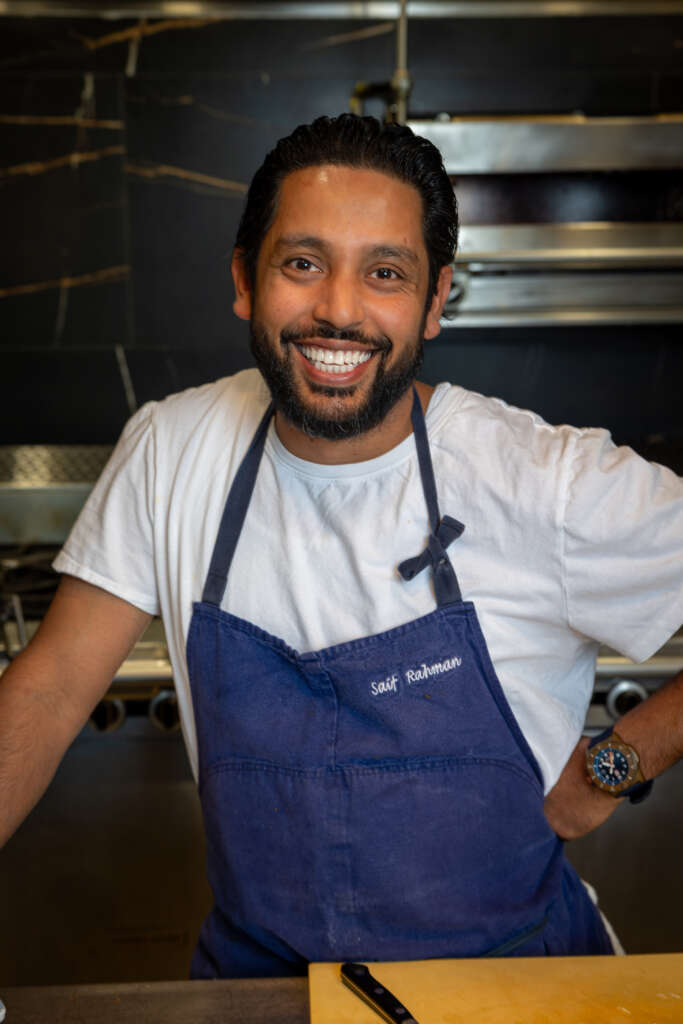
Chef Saif Rahman's Peregrine is up for Best New Restaurant. Photo courtesy of Peregrine.
A short drive away in Cary, chef Steven Devereaux Greene represents the other side of the Triangle’s culinary personality. At Herons, inside The Umstead Hotel and Spa, Greene’s Best Chef Southeast semifinalist recognition reflects years of disciplined, refined cooking. Herons has long been one of North Carolina’s most respected dining rooms, and this nod reinforces that technical precision and consistency still matter in a moment increasingly crowded with flash.
Then there’s Peregrine, one of the city’s most talked-about recent openings. Chef Saif Rahman earned a Best New Restaurant semifinalist nod for a deeply personal interpretation of American food—one shaped by his Bengali heritage and two decades in professional kitchens. “As a Bengali chef, cooking for 20 years and finally sharing what American food means to me, I’m overwhelmed by the support,” Rahman says. “My first thought was of my father … We have dreamed of this, my team and I.”
Together, Ajja, Herons, and Peregrine tell a complete Triangle story—fearless flavor, classical excellence, and a new generation stepping confidently into its own voice.
Chef Robin Anthony with Omakase Experience by Prime Fish. Photo courtesy of Andrew Colacchio.
Beyond the Triangle, the rest of the state reinforces that this momentum isn’t isolated. In Charlotte, chef Robin Anthony earned a Best Chef Southeast semifinalist nod for his work at Omakase Experience by Prime Fish, alongside Prime Fish and the newly opened Prime Fish Cellar. His approach—quietly disciplined and deeply focused—has helped reposition Charlotte as a serious destination for high-level sushi.
“This recognition belongs to my team—our chefs, managers, sommeliers, and the entire Prime Fish team, who show up every day with discipline, humility, and pride in our craft,” Anthony says. “We’ll keep our heads down and keep cooking.”
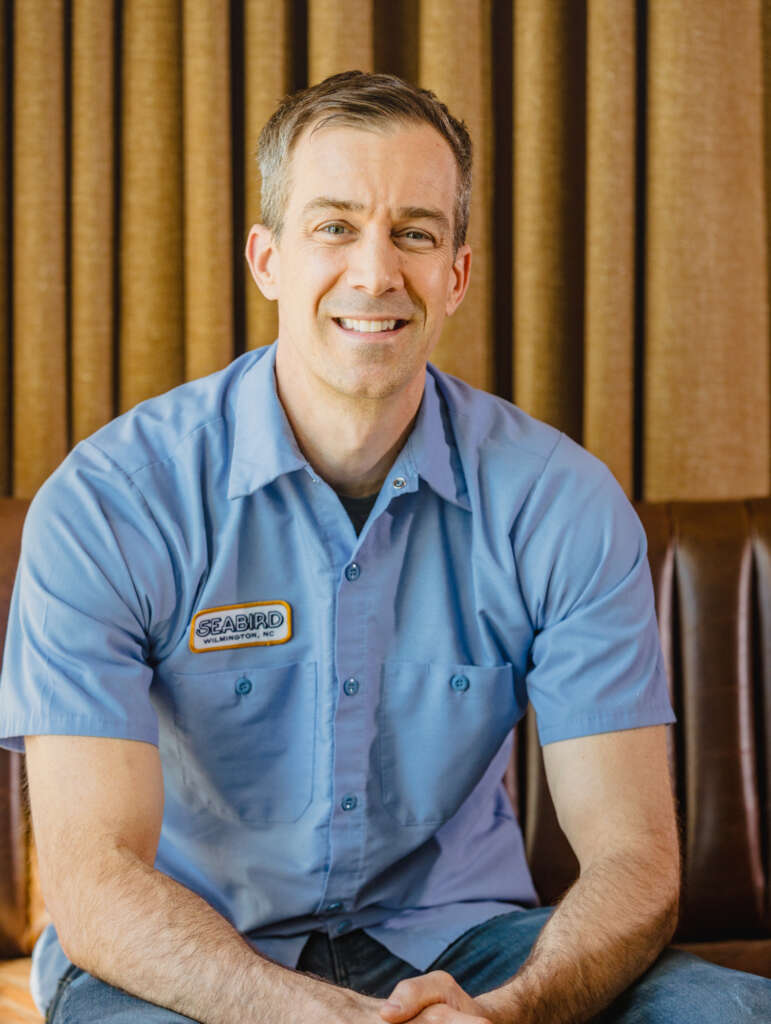
Chef Dean Neff of Seabird and Zora's Market and Kitchen. Photo courtesy of Baxter Miller.
On the coast, Wilmington’s Dean Neff was named an Outstanding Chef semifinalist for his work at Seabird and Zora’s Market and Kitchen. Neff’s recognition reflects a broader shift toward chefs who think beyond the plate—connecting diners to fishermen, sustainability, and the systems that make seafood possible. “This kind of recognition gives us more reach. We’re able to have these conversations on a larger level.”
Add in semifinalists from Asheville and western North Carolina, along with an Outstanding Restaurateur nod for the Chai Pani Restaurant Group, and North Carolina tallies at least seven major semifinalist appearances this year alone—spread across multiple regions and categories.
That’s the real takeaway. This isn’t a one-city story. It’s not a one-style moment. North Carolina’s chefs aren’t cooking for validation anymore—they’re cooking with confidence, clarity, and purpose. The James Beard Foundation is watching closely now.
And if this year’s semifinalist list is any indication, hearing North Carolina’s name called is quickly becoming less of a surprise—and more of an expectation.