Skip to content Skip to sidebar Skip to footer

Inside the 2026 Triangle Parade of Homes

As the Triangle continues to grow, the Parade of Homes offers a rare look inside the houses, communities, and design ideas defining the future of the region

By Taylor Bowler

For home lovers, design enthusiasts, and anyone who loves to peek inside a beautifully built house, the Triangle Parade of Homes is one of the region’s most anticipated annual events. What began decades ago as a showcase for local builders has grown into North Carolina’s largest open house, drawing thousands of visitors eager to explore the newest homes, communities, technologies, and design ideas shaping the future of Triangle living. The event, which celebrated its 60th anniversary in 2025, is a testament to the remarkable growth of our region.
From innovative floor plans and energy-efficient features to the finishes, materials, and lifestyle trends influencing today’s buyers, the homes on this year’s tour reveal how one of America’s fastest-growing regions is evolving.
In the pages ahead, we’ll talk with the builders behind some of the tour’s most compelling homes, explore the history of the Parade itself, and unpack the design trends you’ll see this year—and likely for years to come. It’s also a chance to appreciate something we sometimes overlook: the incredible talent, creativity, and craftsmanship being produced right here in the Triangle. If the Parade is any indication, our region isn’t just growing. It’s building a reputation worth noticing.

MEET THE BUILDERS
Blueprints tell you how a home is built. Builders tell you why. We caught up with the experts leading the way in six distinct areas

By Taylor Bowler | Photos courtesy of the builders
Luxury Living: AR Homes Raleigh Monterey Bay

In the past six years, an influx of high-income buyers has transformed the Triangle’s luxury housing market. Realtor.com reports that million-dollar listings in Raleigh‑Cary grew 23.8% year over year, reflecting a broader shift in what buyers are seeking. Many buyers relocating from more expensive housing markets are bringing greater purchasing power—and new expectations for design, technology, and personalization.

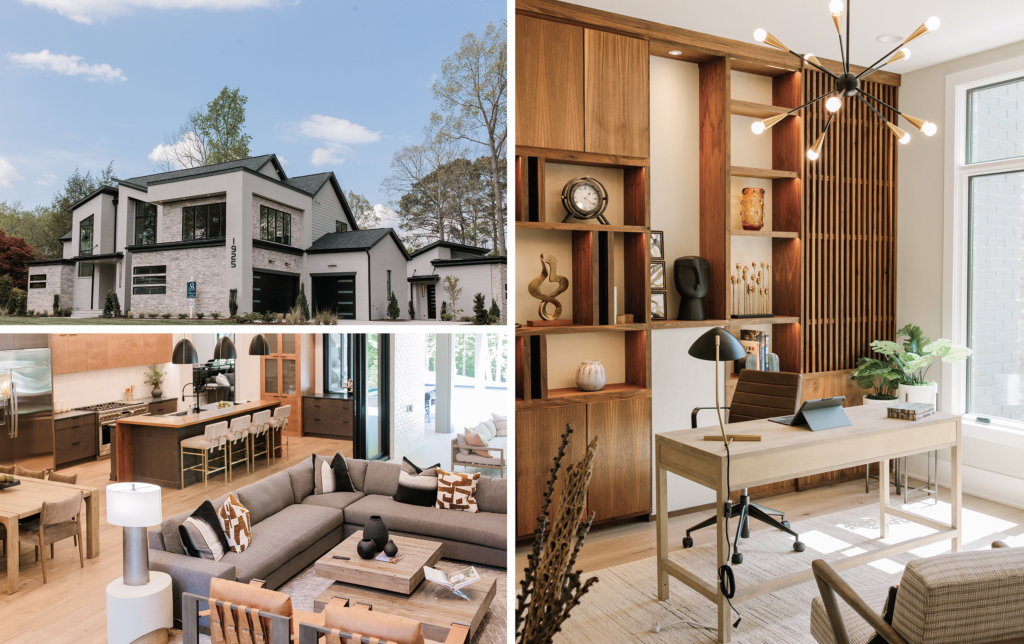
That shift has fueled demand for custom residences, and AR Homes Raleigh Monterey Bay specializes in those spaces. The team creates luxury homes ranging from $2 million to $6 million, with a portfolio spanning communities including Brixley, Summit Terrace, North Ridge Country Club, and Midtown.

“Almost every new homeowner wants a downstairs primary suite and guest suite,” says Samantha Wagaman, sales and marketing associate for AR Homes Raleigh Monterey Bay. “That’s a standard feature now, along with a well-appointed office—and sometimes two offices in the home. A four-car garage with solar and car chargers are becoming more prominent features as well.”

Architecturally, she says, elevation choices are broader than they were pre-COVID, with more modern and transitional architectural styles versus traditional brick homes. Of all the changes Wagaman has seen in luxury home design over the past decade, outdoor living has undergone the biggest transformation.

“It’s not just the pool, but ceiling heaters, motorized screens, a spa, and maybe a pavilion or kitchen by the pool,” she says. “Outdoor living has become the fourth important area of the home after kitchens, bedrooms, and the entertaining areas.”
Infill Innovation: McNeill Burbank Homes

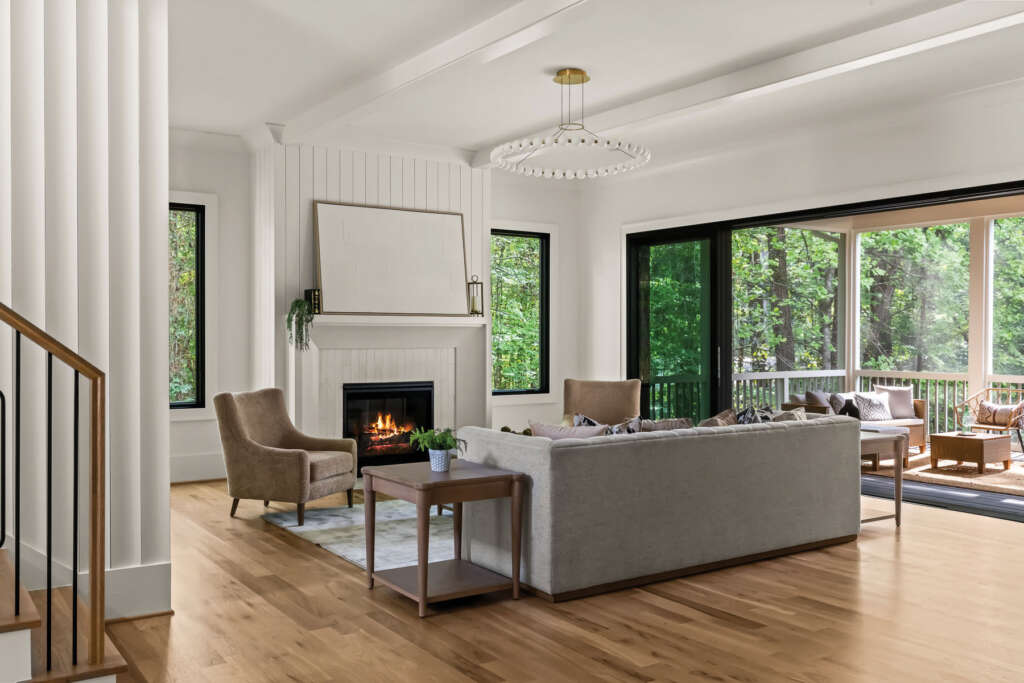
An “infill home” may not be a term you hear every day, but the concept is simple: building a new home on a vacant or underused lot within an established neighborhood. Rather than expanding into undeveloped land, infill construction creates new housing where communities already exist, blending fresh design with familiar streetscapes.

“To us, an infill home is about creating something new that honors what already exists,” says Tanya Matzen, vice president and general manager of McNeill Burbank Homes. “It’s a way for homeowners to enjoy the best of both worlds: the charm and sense of place found in mature communities with the quality and comfort of new construction.”

Since 1989, McNeill Burbank has built a portfolio spanning single-family homes, luxury townhomes, and custom residences across the Triangle, from the $300,000s to custom properties exceeding $2.6 million. The builder’s infill expertise is especially evident in established neighborhoods like Five Points, Hayes Barton, and North Hills, where new homes complement the character of their surroundings. McNeill Burbank will showcase three Parade homes this year, ranging from approximately 2,200 to 4,500 square feet.

As the Triangle continues to grow, infill housing is becoming an increasingly important part of the region’s future. A recent city survey found that 83% of respondents see benefits in residential infill, citing reduced sprawl and better use of existing infrastructure as key advantages.

“We see an opportunity to create homes that respect the history and architectural fabric of a neighborhood while introducing the craftsmanship, efficiency, and livability today’s homeowners expect,” Matzen says. “Ten years ago, buyers were primarily focused on square footage and open floor plans. Today, they’re asking how a home will support the way they actually live.”
Attainable Design: True Homes

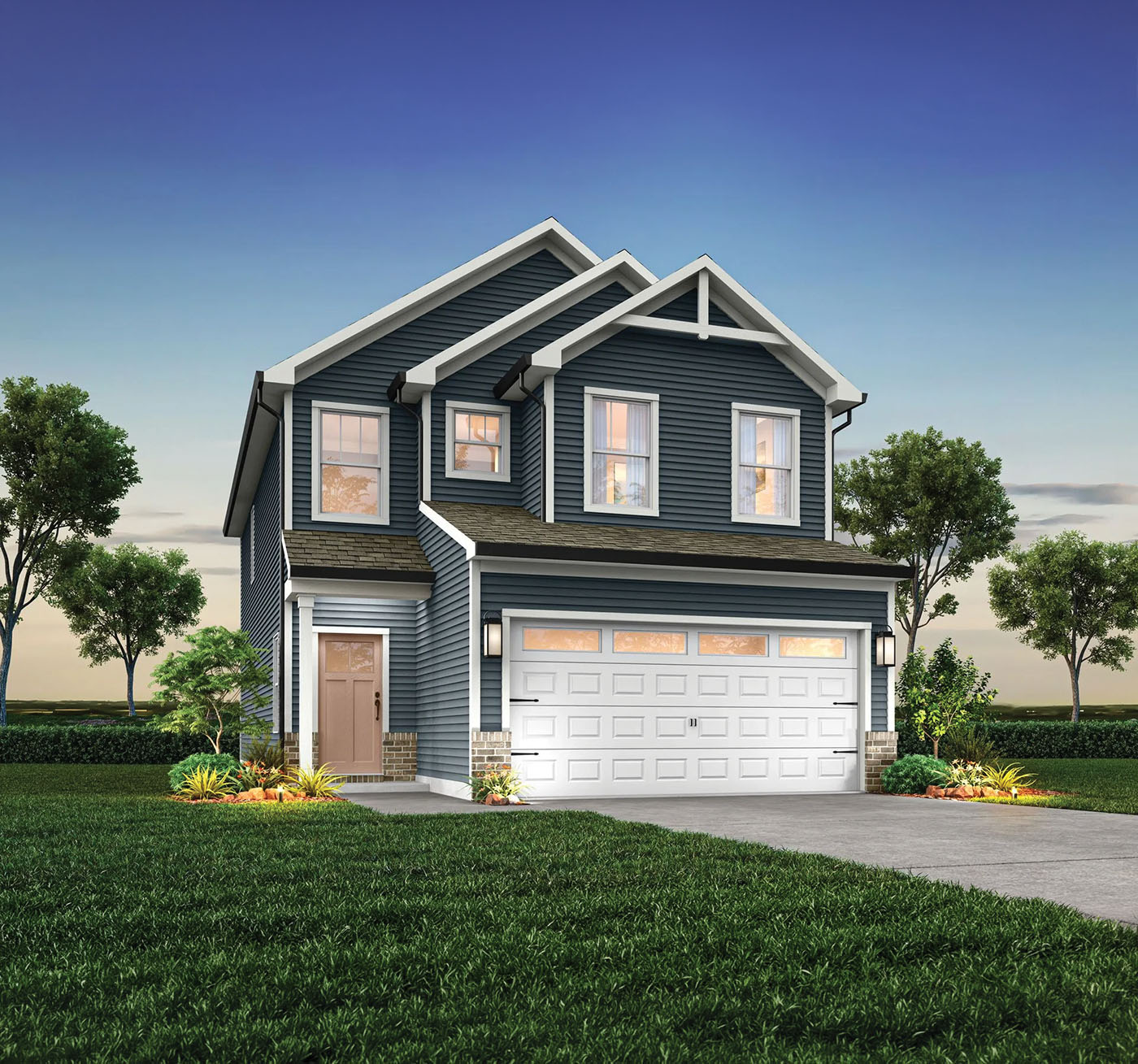
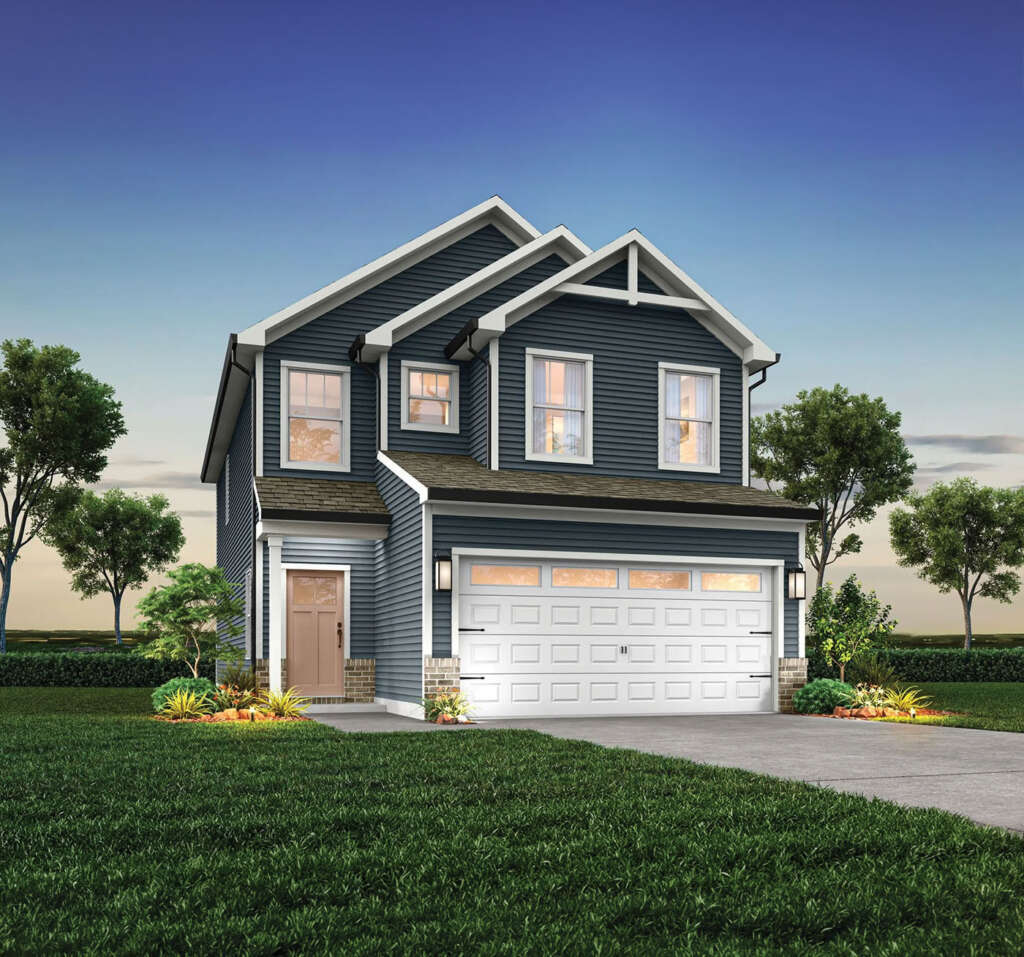
Over the past five years, the median price of a home in the Triangle has climbed from roughly $300,000 to more than $425,000—a jump of more than 40%—forcing many first-time buyers and downsizing empty nesters to rethink what their next home looks like. That’s where builders like True Homes see an opportunity. They’re not asking buyers to lower their expectations. They’re redefining what attainable design can be.

Unlike many national builders, its team lives and works in the same communities as its customers, giving them firsthand insight into what today’s buyers are really looking for. And increasingly, it’s about much more than square footage. Homeowners want spaces that support the way they live now while offering long-term value through energy efficiency, affordability, flexibility, and a strong sense of community.

“It’s about designing smarter, not bigger,” says Nick Chapman, market partner at True Homes. “Open‑concept floor plans, abundant natural light, higher ceilings, flexible living spaces, and thoughtful storage solutions make every square foot work harder. We focus on creating homes that live larger than their footprint while delivering the features today’s families value most.”
Bespoke Builds: ICG Homes

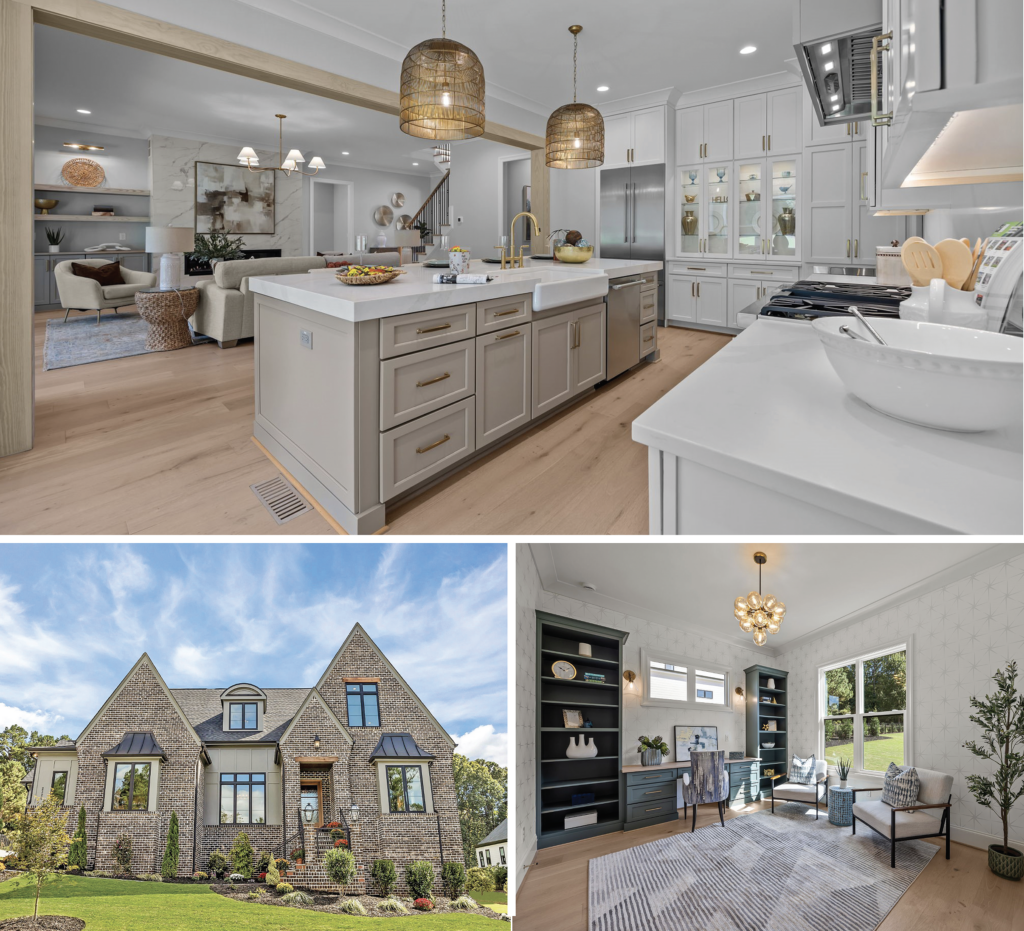
The post-pandemic years have transformed homeowners’ priorities. Instead of designing with resale in mind, they’re investing in spaces tailored to the way they actually live. The result is an increased demand for features like dedicated fitness rooms, golf simulators, and guest suites that can serve multiple purposes over time.

“We’re seeing buyers prioritize features that match their lifestyle, whether that’s a prep kitchen, a wine room, a whiskey lounge, or other spaces tailored to their interests,” says ICG Homes CEO Ryan Perry.

With four homes featured in this year’s Parade, ICG Homes brings a portfolio that stretches across Chatham, Franklin, Harnett, Johnston, and Wake counties. Its custom residences range from approximately $1.275 million to $4.85 million, reflecting a shift toward homes designed around the personalities and lifestyles of the people who live in them. One of Perry’s favorite examples? Hidden rooms disguised behind custom bookcases and secret doors—details that transform a home from beautiful to unforgettable.

He says a first-floor primary suite is now a top priority, and many clients request a secondary guest suite on the main level for visiting family or aging parents. If budget weren’t a factor, Perry would put an elevator in every home.

“An elevator makes everyday life more convenient, whether you’re carrying groceries, moving luggage, or simply getting from one floor to another,” he says. “More importantly, it allows homeowners to age in place and enjoy their home comfortably for years to come. It’s one of those features that many people don’t think they need, until they have it.”
Flex Spaces: Homes by Dickerson

Home has taken on new meaning since the pandemic.

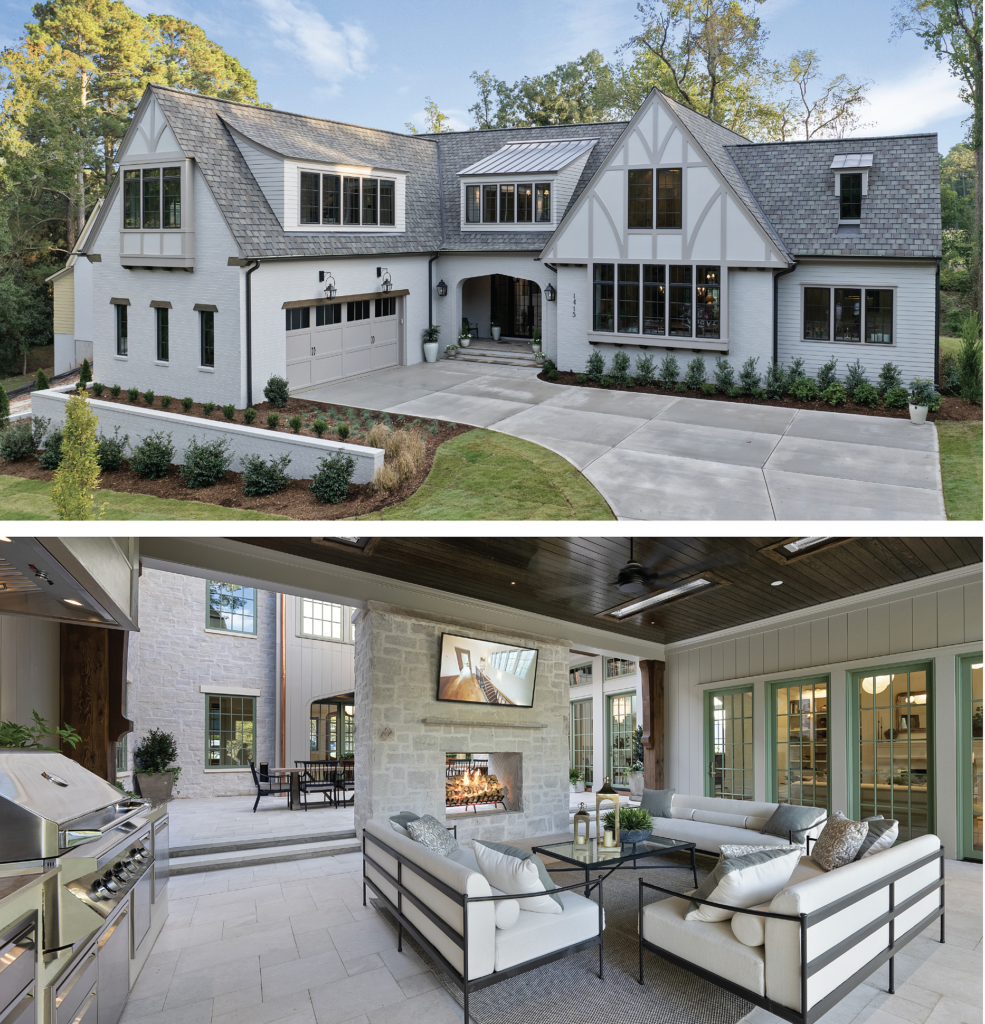
As kitchens became offices and spare bedrooms became classrooms, homeowners began asking more from the spaces they live in. Homes by Dickerson has embraced that change by designing homes with highly personalized flex spaces that reflect the way people live today. Beyond the home office, buyers are incorporating features like private home theaters, hidden speakeasies, sculleries that keep the main kitchen clutter-free, and even dedicated dog-wash stations.

“I think we’ll start seeing more of what we’re calling ‘the family ready room,’” says Jon Showalter, COO of Homes by Dickerson. “Think of a laundry room or mudroom with a rear entry off the garage that’s more like the size of a bedroom. You’ve got built-in cabinetry around your washer and dryer, a small island with some work counter space … maybe that’s where you wrap your Christmas presents. All the kids’ soccer gear goes there. It’s where the dog leashes are. We’ll see more of that creep into floor plans, and into more affordable housing.”

Homes by Dickerson will showcase eight homes in this year’s Parade, with Showalter serving as the 2026 Parade of Homes chair. After nearly five decades of participation, he’s come to believe the most memorable homes aren’t defined by a single showstopping feature, but by the life they invite homeowners to imagine.

“You want the house to tell a story,” he says. “You want people to think, I see my family gathering in this courtyard. I’m going to entertain here. They see their friends and family gathered around a table and six bottles of half-empty wine. People are buying that story.”
The Connected Home: Tri Pointe Homes

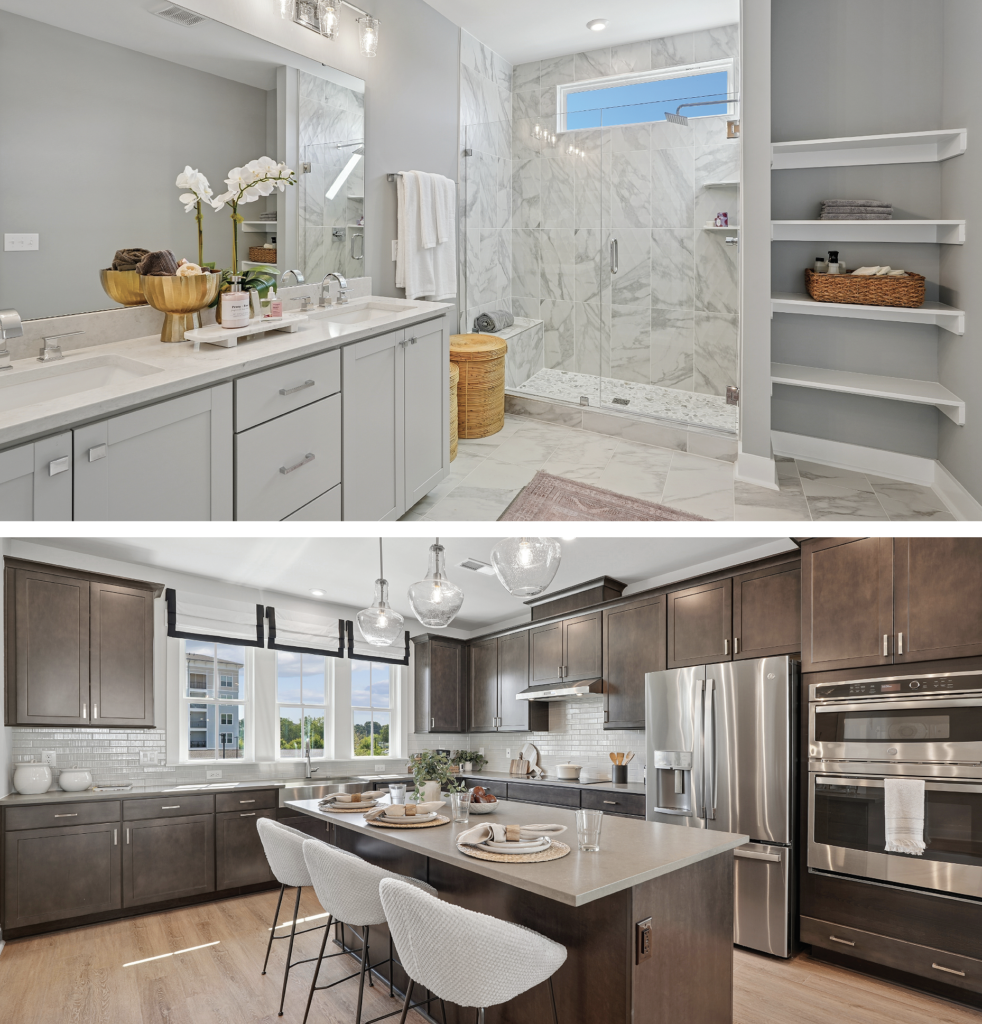
A decade ago, smart thermostats were a novelty, and saving water often meant accepting lower-flow fixtures that didn’t deliver the same experience. Today, advances in technology and design have made efficiency a seamless part of everyday life. According to industry research, more than 70% of U.S. households now use at least one smart home device, from connected thermostats and lighting to security systems and appliances.

Tri Pointe Homes is showcasing that evolution with five homes in the 2026 Triangle Parade of Homes, including contemporary townhomes, ranch-style homes designed for the 55 and older market, and entry-level single-family homes in amenity-rich communities.

“Now people expect a Wi-Fi mesh system so you have coverage everywhere,” says James Flanagan, vice president of community experience at Tri Pointe Homes. “Something as simple as your garage door opener is tied to Wi-Fi. Buyers look for electric car plug-ins for the garage. Those used to be optional; now they’re just part of homes today.”

Beyond convenience, buyers are paying closer attention to what they can’t always see. Indoor air quality has become a priority, with features like MERV 13 air filters that help remove pollen and allergens. Energy‑efficient appliances, windows, and HVAC systems are also becoming standard expectations rather than upgrades. For buyers considering an older home, Flanagan offers one piece of advice: Don’t overlook the systems behind the walls. An aging HVAC system or inefficient windows may not be the most exciting features, but they can have a major impact on long-term comfort and ownership costs.
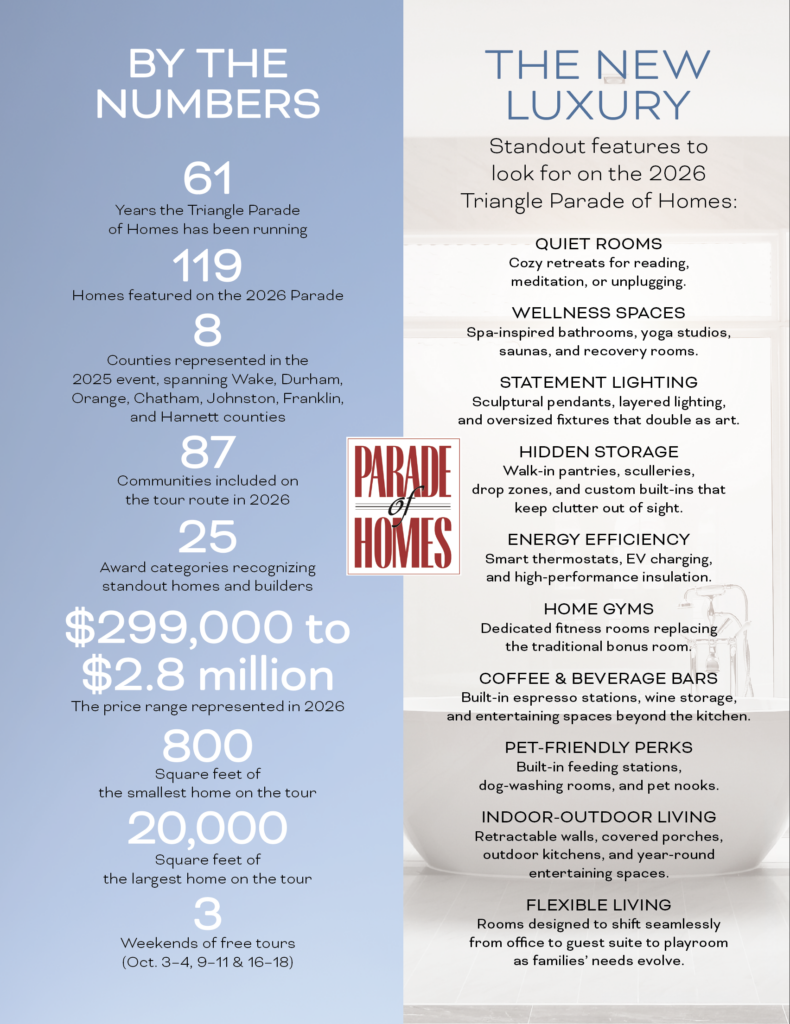

Photo courtesy of Speight Built Custom Homes

BUILDER SPOTLIGHT
A conversation with Ryan Speight, founder and owner of Speight Built Custom Homes

As the Triangle continues to attract more residents, a new generation of builders is helping define what home looks like in the region. Among them is Ryan Speight of Speight Built Custom Homes, whose attention to craftsmanship and thoughtful design has made him a builder to watch in this year’s Parade of Homes. Speight launched his custom homebuilding career in Wake County in 2007 and has been a Parade of Homes participant ever since. “As a builder, the Parade of Homes is a unique opportunity to showcase the quality and detail of the homes that we build,” he says. “It’s hands down our best marketing opportunity each year.”

We caught up with Speight to get his thoughts on what today’s homeowners want, the details that define a well-built home, and what keeps him excited about the craft nearly two decades into his career.

— Taylor Bowler

What goes into participating in this event?

Similar to a sporting event, we apply tremendous pressure to ourselves to dream up creative designs and bring them to life while hitting the deadline for the start of the Parade each year. It’s a rewarding experience to hear positive feedback from the public walking through the completed home and to speak with guests about their favorite aspects.

What design details do you obsess over that most homeowners may never notice?

Everything from a home’s position on the lot, water management for our homeowner and neighbors, and proper acclimation of all materials prior to installation all play a very important role in how a home will age. This is something that, unfortunately, can be hard for buyers to understand. However, this becomes apparent as homes age.

How have your clients’ priorities changed over the last six years?

Clients now, more than ever, want to ensure they are getting a good value for their dollar. I believe there is a feeling that homes are overpriced, especially since COVID. Since this is not the case, we work hard to provide extreme transparency to our clients so they can make intelligent decisions as we construct their home.

What detail are you most excited for people to discover this year?

My excitement always lies in the overall feel of the home. A home can have one or two nice features, but it’s far more important for it to feel cohesive both inside and out. When clients notice this and comment on it we know we’ve hit the mark.

Quick-Hit Questions:

Most underrated room in a house?

The foyer. It’s the first room that any guest sees when entering the home. Thoughtfully planning this room creates a larger impact than most people realize.

A design trend you’re loving right now?

Funky wallpaper selections and tile designs.

A trend you’re ready to retire?

The color gray. It used to be all the rage, but it can be very difficult to pair selections with.

Favorite building material to work with?

Natural slabs for countertops, backsplashes, and fireplace walls.

One feature every custom home should have?

A scullery. This room allows homeowners to store their countertop appliances and other items that would usually be left in the main kitchen, giving the kitchen a cleaner look.

Biggest misconception about building a custom home?

The volume of decisions that need to be made.

If budget were no object, what’s the one upgrade you’d put in every home?

A well thought-out pool and grilling area.

Photo courtesy of Bill Smith

BEHIND THE PARADE

Industry veteran Bill Smith takes us inside the annual homebuilders showcase

By Dathan Kazsuk

Few people know the Triangle Parade of Homes from as many angles as Bill Smith, who recently founded Violet Rose Realty LLC after years in residential real estate, including a tenure with Coldwell Banker HPW. He also served as division president for a local homebuilder and was president of the Johnston County Home Builders Association in 2022 and 2023.

The Parade of Homes began in 1965 with 14 homes. By 2025, the event featured more than 250 across 178 new-home communities. The showcase spans roughly nine counties in the Triangle region, including Wake, Franklin, Johnston, Orange, Chatham, and Harnett.

Part inspiration, part open house, the Parade of Homes offers an inside look at the region’s most impressive new residences. Visitors crisscross the Triangle in search of dream kitchens, spa-worthy bathrooms, fresh design inspiration, and the occasional home that makes them rethink everything they thought they wanted in a house.

Homes are open across three weekends, usually the last weekend in September and the first two weekends in October, with some properties getting as many as 5,000 visitors. Builders such as John Rufty, Rex Bost, Lloyd Builders, and Sage Built often use the event to showcase new materials, finishes, and floor plans.

“You have so many different price ranges,” Smith says. “You have people that have done amazing things with little townhomes, 1,500 or 1,600 square feet, and then you go to some of those top-end builders and look at some of the products. They’re cutting-edge products that people maybe haven’t even seen yet.”

And that’s part of the fun. You don’t have to be shopping for a new house to enjoy it. Plenty of people pick a handful of homes, map out a route, and come away with ideas for their own project. Maybe it’s a kitchen layout, a wine cellar attached to the kitchen, a porch with a built-in smoker, or some tile that suddenly makes your current floors feel deeply inadequate.

“You go through and say, ‘Oh my God, I’ve never seen a tile or a luxury vinyl plank that looks so much like real wood,’” Smith says. “It is an incredible place for the suppliers of products to showcase their materials.”

Builders enter the showcase through the Home Builders Association. Each property is listed in a Parade of Homes book with photos, square footage, pricing, bedrooms, special features, and often floor plans. Homes can also be judged by category, based on price range and square footage. Winners receive gold, silver, or bronze awards, which are announced at a banquet before the final weekend.

Many of the homes on the tour are for sale. Others serve as models for buyers who may want to build something similar in that community. Smith says that exposure is a huge benefit for builders, and it also helps people discover parts of the Triangle they might not have explored yet.

“There’s really no downside to it,” Smith says. “It’s all plus.”

For longtime residents, the Parade of Homes is a chance to see what’s changing. For newcomers, it can be a crash course in Triangle towns, neighborhoods, builders, and lifestyles. For the rest of us, it’s just a really good excuse to walk through beautiful homes and quietly say, “Can we afford to do this to our house?”

Check out more Real Estate features in our lifestyle section!

 

© 2008-2025 Midtown magazine, LLC. All rights reserved. Copyright applies to all pages on this website. | Privacy Policy

As the Triangle continues to grow, the Parade of Homes offers a rare look inside the houses, communities, and design ideas defining the future of the region

By Taylor Bowler

For home lovers, design enthusiasts, and anyone who loves to peek inside a beautifully built house, the Triangle Parade of Homes is one of the region’s most anticipated annual events. What began decades ago as a showcase for local builders has grown into North Carolina’s largest open house, drawing thousands of visitors eager to explore the newest homes, communities, technologies, and design ideas shaping the future of Triangle living. The event, which celebrated its 60th anniversary in 2025, is a testament to the remarkable growth of our region.
From innovative floor plans and energy-efficient features to the finishes, materials, and lifestyle trends influencing today’s buyers, the homes on this year’s tour reveal how one of America’s fastest-growing regions is evolving.
In the pages ahead, we’ll talk with the builders behind some of the tour’s most compelling homes, explore the history of the Parade itself, and unpack the design trends you’ll see this year—and likely for years to come. It’s also a chance to appreciate something we sometimes overlook: the incredible talent, creativity, and craftsmanship being produced right here in the Triangle. If the Parade is any indication, our region isn’t just growing. It’s building a reputation worth noticing.

MEET THE BUILDERS
Blueprints tell you how a home is built. Builders tell you why. We caught up with the experts leading the way in six distinct areas

By Taylor Bowler | Photos courtesy of the builders

Luxury Living: AR Homes Raleigh Monterey Bay

In the past six years, an influx of high-income buyers has transformed the Triangle’s luxury housing market. Realtor.com reports that million-dollar listings in Raleigh‑Cary grew 23.8% year over year, reflecting a broader shift in what buyers are seeking. Many buyers relocating from more expensive housing markets are bringing greater purchasing power—and new expectations for design, technology, and personalization.

That shift has fueled demand for custom residences, and AR Homes Raleigh Monterey Bay specializes in those spaces. The team creates luxury homes ranging from $2 million to $6 million, with a portfolio spanning communities including Brixley, Summit Terrace, North Ridge Country Club, and Midtown.

“Almost every new homeowner wants a downstairs primary suite and guest suite,” says Samantha Wagaman, sales and marketing associate for AR Homes Raleigh Monterey Bay. “That’s a standard feature now, along with a well-appointed office—and sometimes two offices in the home. A four-car garage with solar and car chargers are becoming more prominent features as well.”

Architecturally, she says, elevation choices are broader than they were pre-COVID, with more modern and transitional architectural styles versus traditional brick homes. Of all the changes Wagaman has seen in luxury home design over the past decade, outdoor living has undergone the biggest transformation.

“It’s not just the pool, but ceiling heaters, motorized screens, a spa, and maybe a pavilion or kitchen by the pool,” she says. “Outdoor living has become the fourth important area of the home after kitchens, bedrooms, and the entertaining areas.”

Infill Innovation: McNeill Burbank Homes

An “infill home” may not be a term you hear every day, but the concept is simple: building a new home on a vacant or underused lot within an established neighborhood. Rather than expanding into undeveloped land, infill construction creates new housing where communities already exist, blending fresh design with familiar streetscapes.

“To us, an infill home is about creating something new that honors what already exists,” says Tanya Matzen, vice president and general manager of McNeill Burbank Homes. “It’s a way for homeowners to enjoy the best of both worlds: the charm and sense of place found in mature communities with the quality and comfort of new construction.”

Since 1989, McNeill Burbank has built a portfolio spanning single-family homes, luxury townhomes, and custom residences across the Triangle, from the $300,000s to custom properties exceeding $2.6 million. The builder’s infill expertise is especially evident in established neighborhoods like Five Points, Hayes Barton, and North Hills, where new homes complement the character of their surroundings. McNeill Burbank will showcase three Parade homes this year, ranging from approximately 2,200 to 4,500 square feet.

As the Triangle continues to grow, infill housing is becoming an increasingly important part of the region’s future. A recent city survey found that 83% of respondents see benefits in residential infill, citing reduced sprawl and better use of existing infrastructure as key advantages.

“We see an opportunity to create homes that respect the history and architectural fabric of a neighborhood while introducing the craftsmanship, efficiency, and livability today’s homeowners expect,” Matzen says. “Ten years ago, buyers were primarily focused on square footage and open floor plans. Today, they’re asking how a home will support the way they actually live.”

Attainable Design: True Homes

Over the past five years, the median price of a home in the Triangle has climbed from roughly $300,000 to more than $425,000—a jump of more than 40%—forcing many first-time buyers and downsizing empty nesters to rethink what their next home looks like. That’s where builders like True Homes see an opportunity. They’re not asking buyers to lower their expectations. They’re redefining what attainable design can be.

Unlike many national builders, its team lives and works in the same communities as its customers, giving them firsthand insight into what today’s buyers are really looking for. And increasingly, it’s about much more than square footage. Homeowners want spaces that support the way they live now while offering long-term value through energy efficiency, affordability, flexibility, and a strong sense of community.

“It’s about designing smarter, not bigger,” says Nick Chapman, market partner at True Homes. “Open‑concept floor plans, abundant natural light, higher ceilings, flexible living spaces, and thoughtful storage solutions make every square foot work harder. We focus on creating homes that live larger than their footprint while delivering the features today’s families value most.”

Bespoke Builds: ICG Homes

The post-pandemic years have transformed homeowners’ priorities. Instead of designing with resale in mind, they’re investing in spaces tailored to the way they actually live. The result is an increased demand for features like dedicated fitness rooms, golf simulators, and guest suites that can serve multiple purposes over time.

“We’re seeing buyers prioritize features that match their lifestyle, whether that’s a prep kitchen, a wine room, a whiskey lounge, or other spaces tailored to their interests,” says ICG Homes CEO Ryan Perry.

With four homes featured in this year’s Parade, ICG Homes brings a portfolio that stretches across Chatham, Franklin, Harnett, Johnston, and Wake counties. Its custom residences range from approximately $1.275 million to $4.85 million, reflecting a shift toward homes designed around the personalities and lifestyles of the people who live in them. One of Perry’s favorite examples? Hidden rooms disguised behind custom bookcases and secret doors—details that transform a home from beautiful to unforgettable.

He says a first-floor primary suite is now a top priority, and many clients request a secondary guest suite on the main level for visiting family or aging parents. If budget weren’t a factor, Perry would put an elevator in every home.

“An elevator makes everyday life more convenient, whether you’re carrying groceries, moving luggage, or simply getting from one floor to another,” he says. “More importantly, it allows homeowners to age in place and enjoy their home comfortably for years to come. It’s one of those features that many people don’t think they need, until they have it.”

Flex Spaces: Homes by Dickerson

Home has taken on new meaning since the pandemic.

As kitchens became offices and spare bedrooms became classrooms, homeowners began asking more from the spaces they live in. Homes by Dickerson has embraced that change by designing homes with highly personalized flex spaces that reflect the way people live today. Beyond the home office, buyers are incorporating features like private home theaters, hidden speakeasies, sculleries that keep the main kitchen clutter-free, and even dedicated dog-wash stations.

“I think we’ll start seeing more of what we’re calling ‘the family ready room,’” says Jon Showalter, COO of Homes by Dickerson. “Think of a laundry room or mudroom with a rear entry off the garage that’s more like the size of a bedroom. You’ve got built-in cabinetry around your washer and dryer, a small island with some work counter space … maybe that’s where you wrap your Christmas presents. All the kids’ soccer gear goes there. It’s where the dog leashes are. We’ll see more of that creep into floor plans, and into more affordable housing.”

Homes by Dickerson will showcase eight homes in this year’s Parade, with Showalter serving as the 2026 Parade of Homes chair. After nearly five decades of participation, he’s come to believe the most memorable homes aren’t defined by a single showstopping feature, but by the life they invite homeowners to imagine.

“You want the house to tell a story,” he says. “You want people to think, I see my family gathering in this courtyard. I’m going to entertain here. They see their friends and family gathered around a table and six bottles of half-empty wine. People are buying that story.”

The Connected Home: Tri Pointe Homes

A decade ago, smart thermostats were a novelty, and saving water often meant accepting lower-flow fixtures that didn’t deliver the same experience. Today, advances in technology and design have made efficiency a seamless part of everyday life. According to industry research, more than 70% of U.S. households now use at least one smart home device, from connected thermostats and lighting to security systems and appliances.

Tri Pointe Homes is showcasing that evolution with five homes in the 2026 Triangle Parade of Homes, including contemporary townhomes, ranch-style homes designed for the 55 and older market, and entry-level single-family homes in amenity-rich communities.

“Now people expect a Wi-Fi mesh system so you have coverage everywhere,” says James Flanagan, vice president of community experience at Tri Pointe Homes. “Something as simple as your garage door opener is tied to Wi-Fi. Buyers look for electric car plug-ins for the garage. Those used to be optional; now they’re just part of homes today.”

Beyond convenience, buyers are paying closer attention to what they can’t always see. Indoor air quality has become a priority, with features like MERV 13 air filters that help remove pollen and allergens. Energy‑efficient appliances, windows, and HVAC systems are also becoming standard expectations rather than upgrades. For buyers considering an older home, Flanagan offers one piece of advice: Don’t overlook the systems behind the walls. An aging HVAC system or inefficient windows may not be the most exciting features, but they can have a major impact on long-term comfort and ownership costs.

Photo courtesy of Speight Built Custom Homes

BUILDER SPOTLIGHT
A conversation with Ryan Speight, founder and owner of Speight Built Custom Homes

As the Triangle continues to attract more residents, a new generation of builders is helping define what home looks like in the region. Among them is Ryan Speight of Speight Built Custom Homes, whose attention to craftsmanship and thoughtful design has made him a builder to watch in this year’s Parade of Homes. Speight launched his custom homebuilding career in Wake County in 2007 and has been a Parade of Homes participant ever since. “As a builder, the Parade of Homes is a unique opportunity to showcase the quality and detail of the homes that we build,” he says. “It’s hands down our best marketing opportunity each year.”

We caught up with Speight to get his thoughts on what today’s homeowners want, the details that define a well-built home, and what keeps him excited about the craft nearly two decades into his career.

— Taylor Bowler

What goes into participating in this event?

Similar to a sporting event, we apply tremendous pressure to ourselves to dream up creative designs and bring them to life while hitting the deadline for the start of the Parade each year. It’s a rewarding experience to hear positive feedback from the public walking through the completed home and to speak with guests about their favorite aspects.

What design details do you obsess over that most homeowners may never notice?

Everything from a home’s position on the lot, water management for our homeowner and neighbors, and proper acclimation of all materials prior to installation all play a very important role in how a home will age. This is something that, unfortunately, can be hard for buyers to understand. However, this becomes apparent as homes age.

How have your clients’ priorities changed over the last six years?

Clients now, more than ever, want to ensure they are getting a good value for their dollar. I believe there is a feeling that homes are overpriced, especially since COVID. Since this is not the case, we work hard to provide extreme transparency to our clients so they can make intelligent decisions as we construct their home.

What detail are you most excited for people to discover this year?

My excitement always lies in the overall feel of the home. A home can have one or two nice features, but it’s far more important for it to feel cohesive both inside and out. When clients notice this and comment on it we know we’ve hit the mark.

Quick-Hit Questions:

Most underrated room in a house?

The foyer. It’s the first room that any guest sees when entering the home. Thoughtfully planning this room creates a larger impact than most people realize.

A design trend you’re loving right now?

Funky wallpaper selections and tile designs.

A trend you’re ready to retire?

The color gray. It used to be all the rage, but it can be very difficult to pair selections with.

Favorite building material to work with?

Natural slabs for countertops, backsplashes, and fireplace walls.

One feature every custom home should have?

A scullery. This room allows homeowners to store their countertop appliances and other items that would usually be left in the main kitchen, giving the kitchen a cleaner look.

Biggest misconception about building a custom home?

The volume of decisions that need to be made.

If budget were no object, what’s the one upgrade you’d put in every home?

A well thought-out pool and grilling area.

Photo courtesy of Bill Smith

BEHIND THE PARADE

Industry veteran Bill Smith takes us inside the annual homebuilders showcase

By Dathan Kazsuk

Few people know the Triangle Parade of Homes from as many angles as Bill Smith, who recently founded Violet Rose Realty LLC after years in residential real estate, including a tenure with Coldwell Banker HPW. He also served as division president for a local homebuilder and was president of the Johnston County Home Builders Association in 2022 and 2023.

The Parade of Homes began in 1965 with 14 homes. By 2025, the event featured more than 250 across 178 new-home communities. The showcase spans roughly nine counties in the Triangle region, including Wake, Franklin, Johnston, Orange, Chatham, and Harnett.

Part inspiration, part open house, the Parade of Homes offers an inside look at the region’s most impressive new residences. Visitors crisscross the Triangle in search of dream kitchens, spa-worthy bathrooms, fresh design inspiration, and the occasional home that makes them rethink everything they thought they wanted in a house.

Homes are open across three weekends, usually the last weekend in September and the first two weekends in October, with some properties getting as many as 5,000 visitors. Builders such as John Rufty, Rex Bost, Lloyd Builders, and Sage Built often use the event to showcase new materials, finishes, and floor plans.

“You have so many different price ranges,” Smith says. “You have people that have done amazing things with little townhomes, 1,500 or 1,600 square feet, and then you go to some of those top-end builders and look at some of the products. They’re cutting-edge products that people maybe haven’t even seen yet.”

And that’s part of the fun. You don’t have to be shopping for a new house to enjoy it. Plenty of people pick a handful of homes, map out a route, and come away with ideas for their own project. Maybe it’s a kitchen layout, a wine cellar attached to the kitchen, a porch with a built-in smoker, or some tile that suddenly makes your current floors feel deeply inadequate.

“You go through and say, ‘Oh my God, I’ve never seen a tile or a luxury vinyl plank that looks so much like real wood,’” Smith says. “It is an incredible place for the suppliers of products to showcase their materials.”

Builders enter the showcase through the Home Builders Association. Each property is listed in a Parade of Homes book with photos, square footage, pricing, bedrooms, special features, and often floor plans. Homes can also be judged by category, based on price range and square footage. Winners receive gold, silver, or bronze awards, which are announced at a banquet before the final weekend.

Many of the homes on the tour are for sale. Others serve as models for buyers who may want to build something similar in that community. Smith says that exposure is a huge benefit for builders, and it also helps people discover parts of the Triangle they might not have explored yet.

“There’s really no downside to it,” Smith says. “It’s all plus.”

For longtime residents, the Parade of Homes is a chance to see what’s changing. For newcomers, it can be a crash course in Triangle towns, neighborhoods, builders, and lifestyles. For the rest of us, it’s just a really good excuse to walk through beautiful homes and quietly say, “Can we afford to do this to our house?”

Check out more Real Estate features in our lifestyle section!
 

This Pop-up Is Included in the Theme
Best Choice for Creatives
Purchase Now