

The Houses That Looked Like the Future
Story by Dathan Kazsuk | Photos by Jessica Bratton
I ‘ll admit it: Before I sat down with George Smart at his Durham home, I didn’t know much about modernist houses.
I knew the look, at least in the loose way most people do. Flat roofs. Big glass. Sharp lines. The kind of house you drive past and think someone with better taste than the rest of us must live there. But the deeper story behind them—why they matter, why North Carolina has so many of them, and why people like Smart have spent years trying to keep them from disappearing—was still a mystery to me.
That changed quickly.
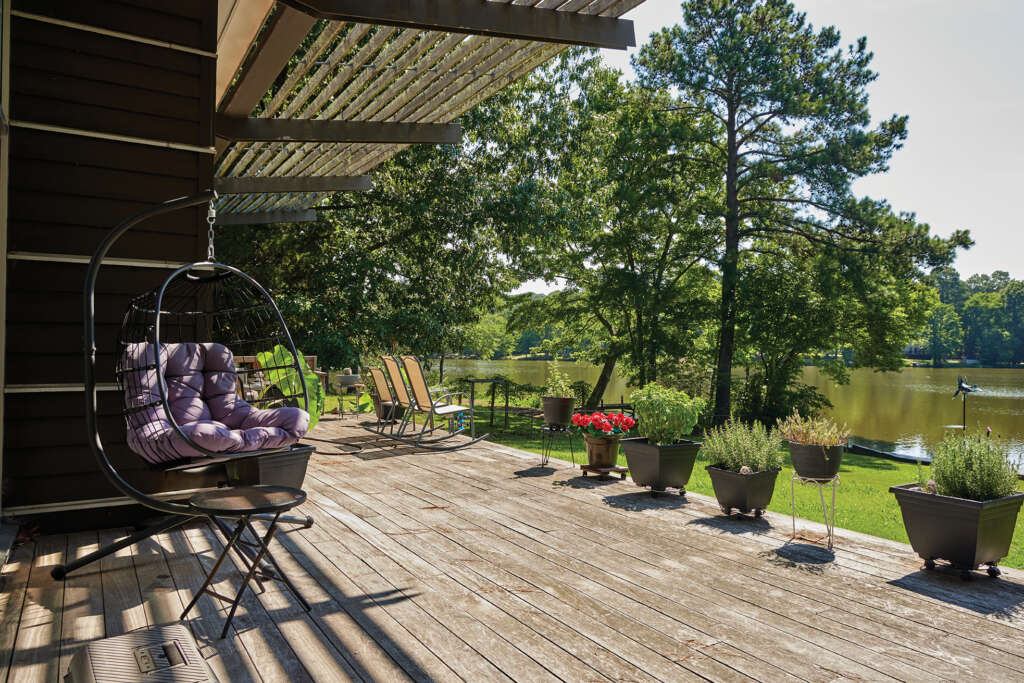
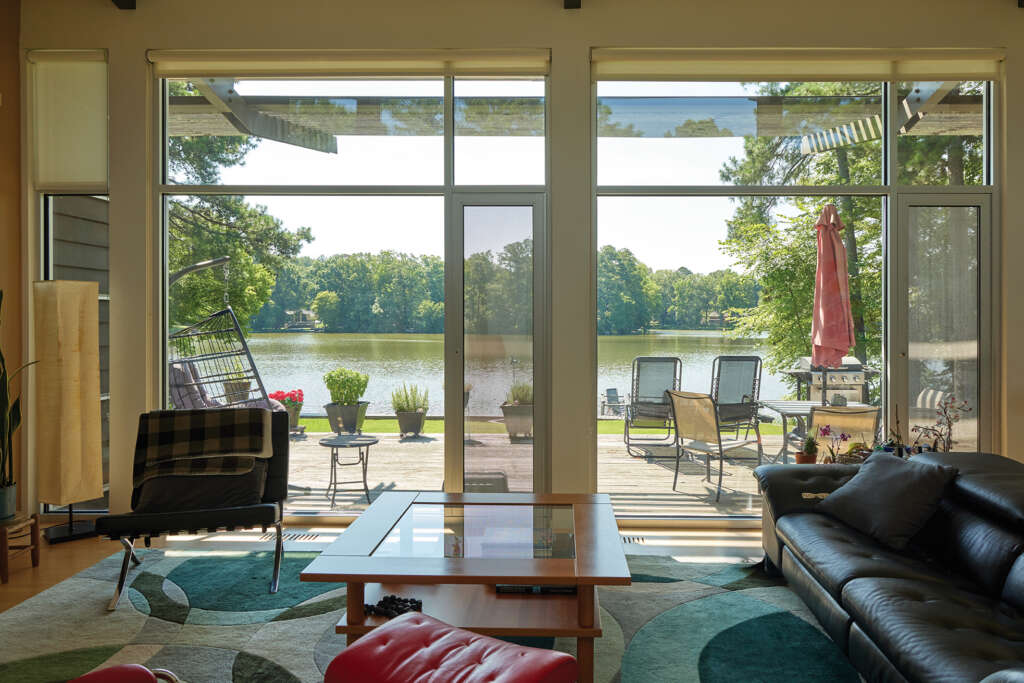
We sat in his backyard on the kind of afternoon that feels staged for a good interview. A slight breeze moved through the trees, and the lake just beyond the patio—maybe 30 yards out—gave the setting the kind of calm that made it easy to stay awhile. As I told Smart, I wasn’t an architecture expert. I was a storyteller. And the more we talked, the more I realized this was never just a story about houses. It was a story about memory, preservation, and what a place loses when people stop paying attention.

Smart is the founder and CEO of USModernist, the world’s largest nonprofit educational archive dedicated to documenting, preserving, and promoting modernist residential design. Over the years, he’s become one of the country’s most recognizable advocates for these homes, helping build an archive that includes thousands of houses and millions of pages of architecture magazines, while also turning his passion into tours, talks, and events that bring people directly inside the work.
So what exactly makes a house modernist?
“Modernism was a response in the early part of the 20th century to a desire to improve the way people live,” he tells me.
Before modernism, homes were largely broken into smaller rooms. You heated one room at a time. You needed windows positioned for ventilation, because central air and heat were not yet the norm. Building materials had their limits.
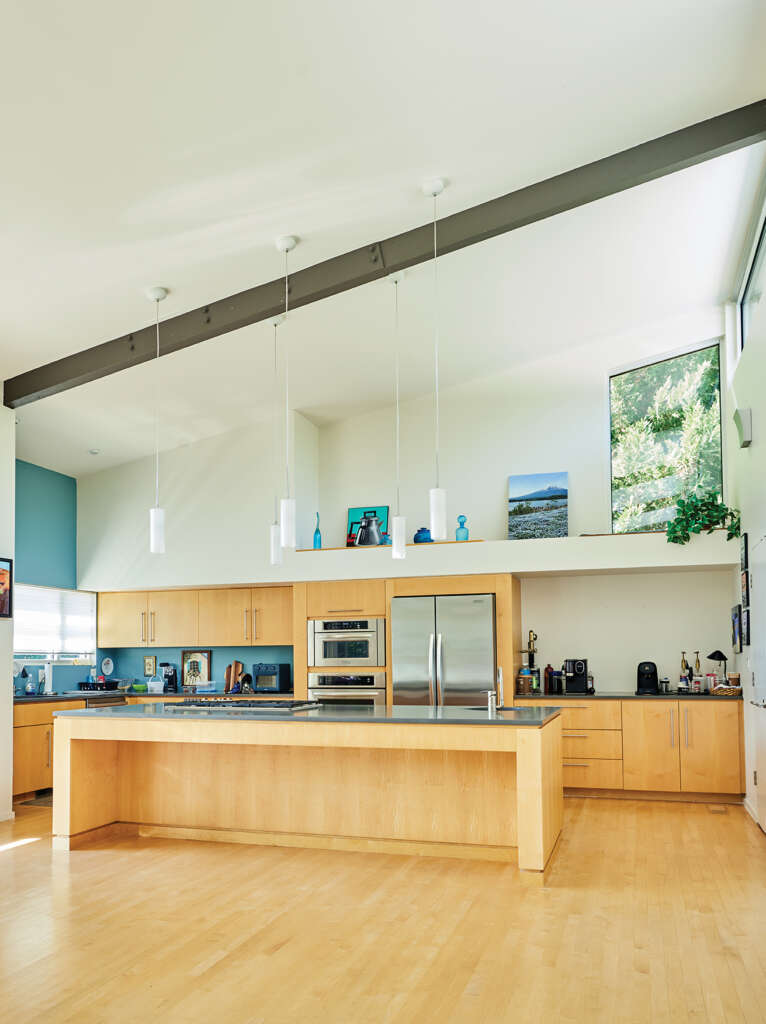
But then design began to evolve with steel, glass, and new ways of thinking about space. Houses opened up. Light became part of the design. Rooms began to flow into one another instead of being boxed off from daily life. “One great legacy of modernism that has affected everybody is the open floor plan,” Smart says.
People may think of modernist homes as something rare or niche, but one of their biggest ideas became standard American living. The wide-open living room, dining room, and kitchen setup that now feels mandatory in new construction owes plenty to the modernist mindset.
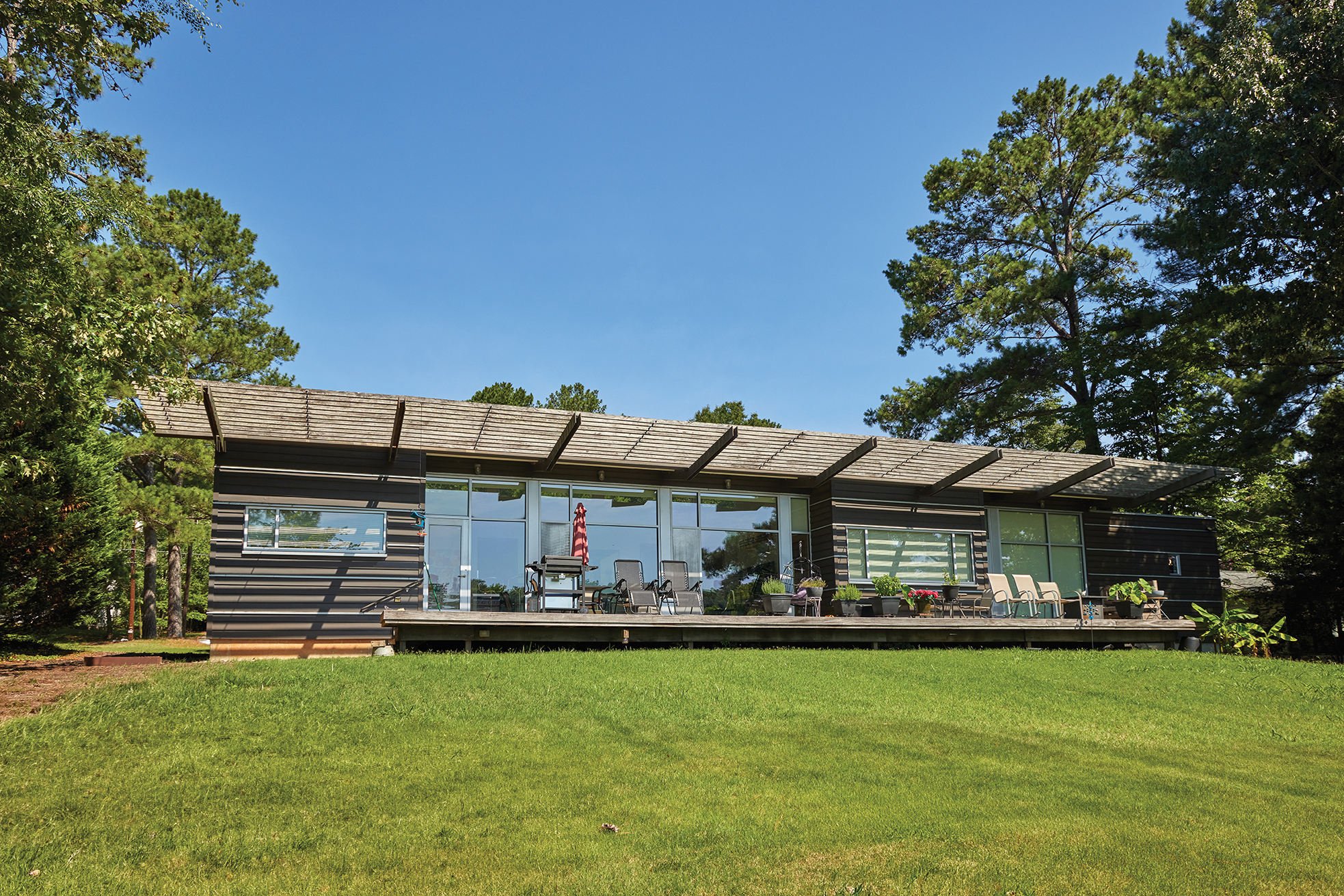
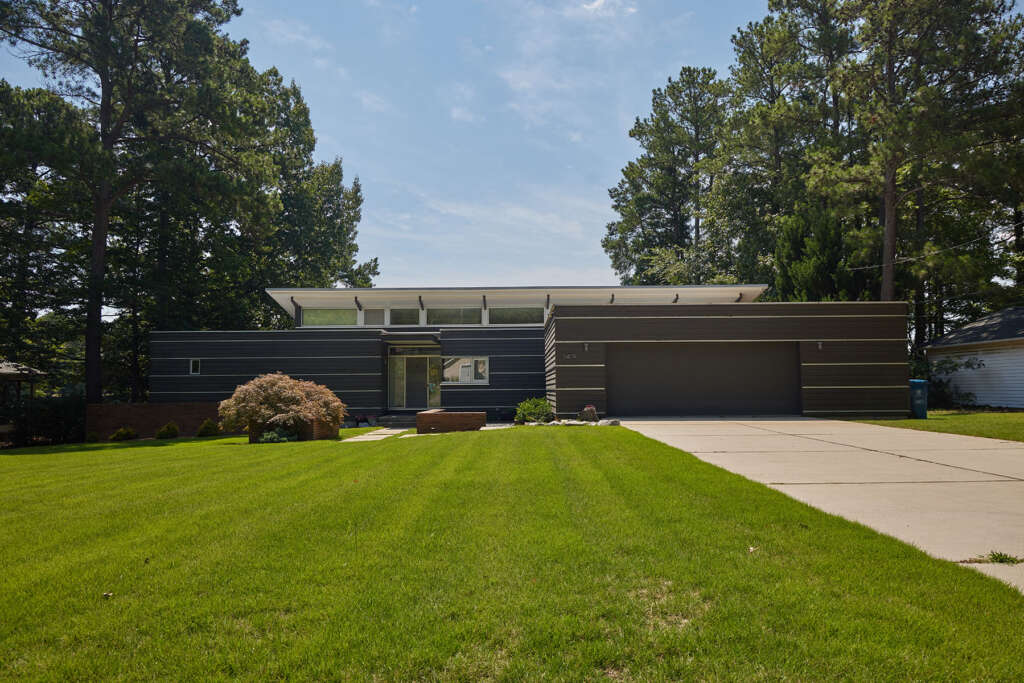
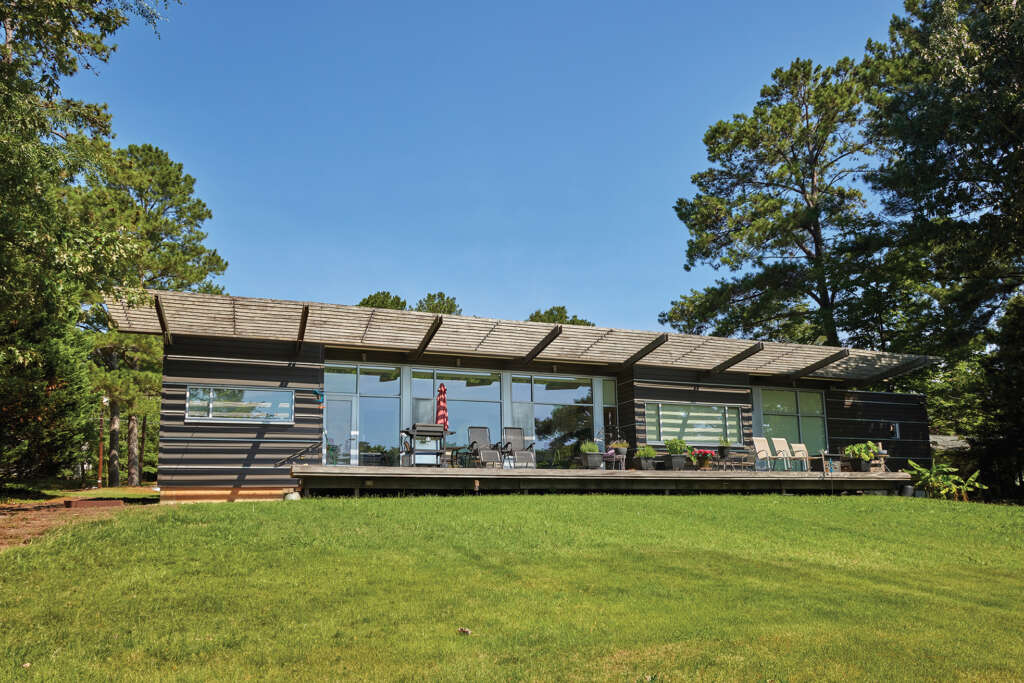
Smart points out three other defining traits beyond that open flow. First, you usually have a flat or low-pitched roof. Second, there are abundant light sources—big windows, skylights, courtyards, or atriums—all intended to connect the indoors to nature. Third, the geometry tends to break away from the simple box. Put all those elements together, he says, and very few homes in America qualify as modernist.
It also explains why these homes tend to stick in people’s minds. Some become so distinctive they get nicknames. In Florida, there is the Jetsons House. In Raleigh, the late Eduardo Catalano’s famous home, known as the Potato Chip House, was noted for its dramatic swooping roof. The USModernist archive notes that the Catalano House was also known as the Raleigh House and became one of the best-known examples of North Carolina modernism before it was demolished in 2001.

The House That Changed Everything
Smart didn’t grow up dreaming of floor plans and drafting tables. He actually disliked architecture when he was younger, especially after spending summers in his father’s Raleigh office duplicating blueprints on an old machine and inhaling ammonia fumes. He went into management consulting instead. Then, years after his father died, something changed.
That turning point came in 2007, late at night, while he was thinking about building a house of his own. During his online search, he came across the Catalano House. “When I found this house, it was like, you know, this is an amazing house,” he says. “And I learned it was gone. It had been torn down in 2001 … How could people let this happen?”
For Smart, that discovery wasn’t just architectural curiosity. It became personal. He was a Raleigh native. His father had been an architect. And somehow one of the most striking houses ever built in the city had come and gone without him fully understanding what had been lost. Later, he realized he had actually been to the house as a child, which made it hit even harder.
That late-night rabbit hole became a list of Raleigh homes. The list became a website. The website became NCModernist, then USModernist. Today, Smart’s own speaker bio calls him “The Accidental Archivist,” which feels about right for a man who stumbled into this world and then helped build one of its most important archives.
His work matters—especially in North Carolina—because, as Smart puts it, the state has one of the largest concentrations of modernist houses in the country. He credits much of that to Henry Kamphoefner, the influential dean recruited to NC State in 1948 to reshape its architecture program. Under Kamphoefner, the school became a magnet for major modernist talent and ideas, helping spread that design language across Raleigh, Durham, Charlotte, Asheville, Wilmington, and smaller towns that don’t usually come up in casual architecture conversations.
A Race Against Time
For all the beauty and idealism wrapped up in these houses, Smart is refreshingly blunt when the conversation turns to preservation. “Preservation is really about keeping some of the great houses from the ’50s from being destroyed,” he says.
He also makes something very clear: Owners of important homes often get bad information. They’re told that putting a house on the National Register of Historic Places will protect it. It won’t. They’re told that a local or state historic designation will automatically save it. Also not true. They’re told that if a house was designed by a famous architect, that fact alone will stop someone from tearing it down. Again, no. Those assumptions may sound comforting, but Smart says they don’t legally solve the problem. According to him, there are really only two practical ways to protect a house.
The first is a deed restriction. In simple terms, it’s a document filed with the county register of deeds stating that whoever buys the property cannot tear it down for a set period—say, 10 years. It’s not glamorous, but Smart says it’s effective because it becomes a condition of the sale. Anyone interested in buying the house has to know up front that demolition is off the table for that period. In Smart’s view, that alone weeds out developers and buyers who promise to keep the home standing while secretly planning otherwise.
The second option is a preservation easement, which typically requires a trustee and spells out specific things future owners can and cannot do to the property. Smart says this is especially useful for houses with unusually important interior features or highly significant historical details. The point isn’t to freeze a house in amber. Bathrooms and kitchens change. Technology changes. Families change. But a preservation easement can help ensure additions and updates respect the original design, instead of turning a significant modernist home into a patchwork of competing styles.
Just as important, Smart points out what doesn’t work. “If you wait until the house is sold, and a demolition permit has been pulled, and the bulldozers [are] coming down the street, these 11th-hour rescues never work,” he says.
That may be the most sobering thing he says all afternoon. By the time the panic hits, the real opportunity has usually passed. Smart believes intervention has to happen earlier—when a longtime owner dies, when heirs are deciding what to do, when a house first becomes vacant, when there’s still time to put real protections in place before land value wins.
Lost Landmarks
Smart mentions the Zimmerman House, a 1950 Craig Ellwood–designed modernist home in Brentwood, California, that was demolished by Chris Pratt and Katherine Schwarzenegger to make way for a new mansion. The demolition drew widespread criticism from preservationists and architecture fans, becoming a public reminder that even architecturally important homes can disappear when someone values the lot more than the legacy.
And it’s not the only example.
On Long Island, Marcel Breuer’s Geller House I—one of the architect’s best-known residential works—was demolished in January 2022. Reports say the site was cleared to make way for a larger home and a tennis court, which is the kind of detail that sounds too cynical to be true until you realize it is.
Another case came in Beverly Hills with John Lautner’s 1951 Shusett House. Preservationists fought to save it, but the owner wanted it demolished to build a new residence. The house was ultimately lost, and later, the Los Angeles Times noted that Beverly Hills’ preservation ordinance was written in response to demolitions, including the Shusett House. Sometimes, it seems, a place only becomes important once it’s gone.
For Smart, losses like the Zimmerman House reinforce the same point he’s been making for years in North Carolina: Once a significant modernist house is torn down, the conversation shifts from preservation to regret. The archive can preserve the memory. The photographs can preserve the lines. But the house itself is gone for good.
Opening the Doors
If the archive is one side of Smart’s mission, Modapalooza may be the most public-facing proof that people will care about modernist homes once they have the chance to experience them.
NCModernist’s Modapalooza tours have become a signature event, taking roughly 150 architecture fans by bus through private modernist homes across North Carolina. Marketed as a way to experience both new and classic houses without the hassle of navigating yourself, the tours continue each spring and fall. Smart has been leading them for more than a decade.
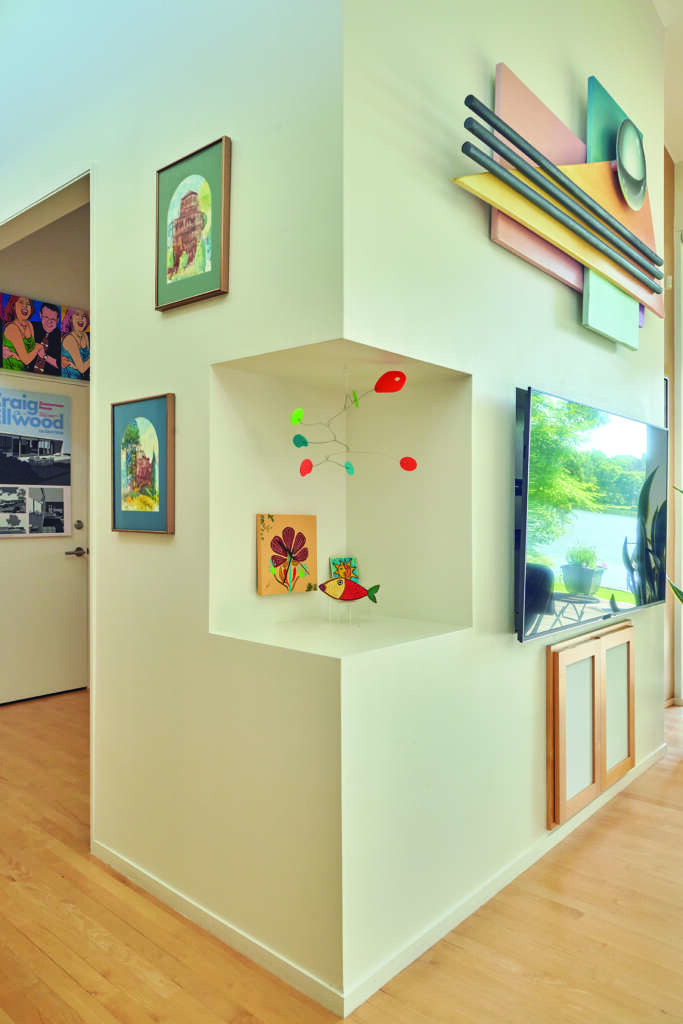
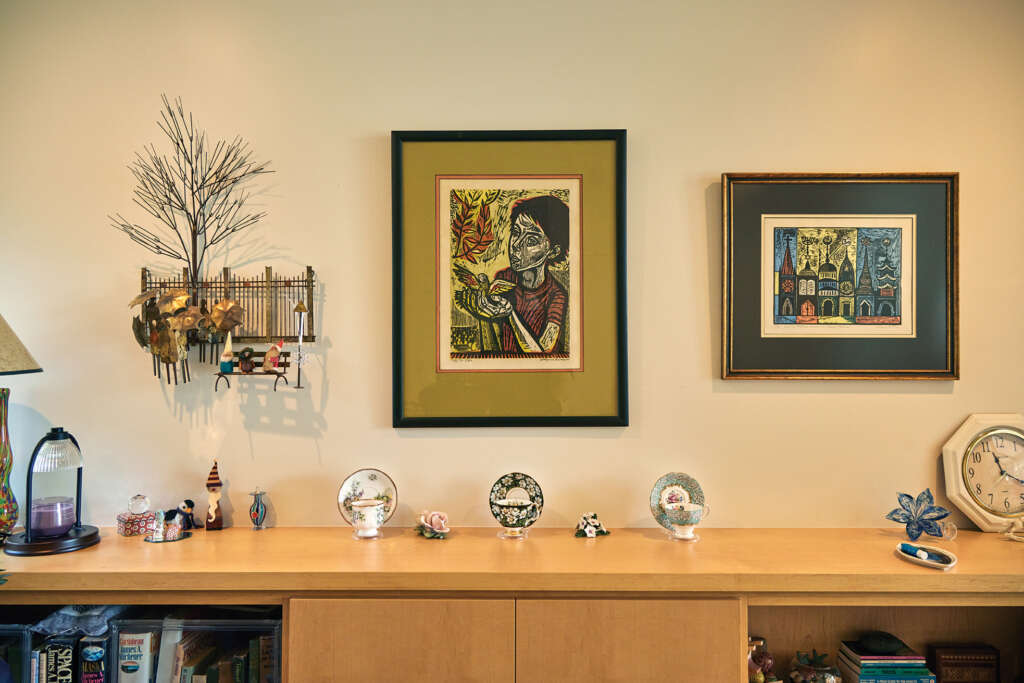
That popularity makes sense. Looking at a house from the street is one thing. Walking inside it is another. That’s where people begin to understand how the light works, how the spaces connect, how the house frames the outdoors, and how the details reveal themselves in a way a quick drive-by never could.
By the time I left Smart’s house, I understood something I hadn’t grasped at the start of our conversation. Modernist homes aren’t just visually striking leftovers from another era. They’re part of a bigger North Carolina story—one tied to innovation, design ambition, and the willingness to imagine living differently.
George Smart may have found that story through a rabbit hole in the middle of the night. The rest of us are lucky he kept following it.