By Kyle Marie McMahon | Styling by Sofia Lujan | Photos by Jessica Bratton | Tucked away in Raleigh’s Village District, Rangoni Firenze is a slice of Italian craftsmanship with a heart for…
| By Laura D’Onofrio | It started like a corny joke. What happens when a yogi/marketer/writer walks into a room with 5,000+ technologists? This was my feeling heading into All…
| By Kyle Marie McMahon | Photos by Stacey Sprenz | For anyone who has walked or driven down Glenwood Avenue, the sprawling third-floor patio at 500 Glenwood has been…
In news that is sure to delight longtime Raleigh residents, a beloved downtown institution is making its return. Kane Realty Corporation announced today that Sunflower’s Café, a downtown staple for…
By Kyle Marie McMahon For Breast Cancer Awareness Month, we are sharing a powerful local story that underscores the importance of proactive health decisions and a physician’s intuition. When Kimberly…
By Matt Rokowsky Halloween is often a time of joy for many kids, as it is filled with costumes and the excitement of trick-or-treating. However, for some families—particularly those…
Carolina Ballet and the Martin Marietta Center for the Performing Arts are teaming up to offer five FREE “Ballet 4 All” classes for kids ages 6–18. These one-hour classes…
| By Dathan Kazsuk | The team behind Oakwood Pizza Box has opened the doors to St. Pierre Wine Bar at Raleigh Iron Works, bringing a fresh, laid-back vibe to…
Raleigh residents are invited to lace up their favorite pair of Hoka shoes and take part in the annual Walk to End Alzheimer’s on Saturday, October 4, at Halifax Mall…
Story by Dathan Kazsuk. Photos by Jessica Bratton. Raleigh might be all rooftop bars and luxury apartments these days, but underneath that shiny new veneer is a city with some…
Story by Kurt Dusterberg Carolina Hurricanes coach Rod Brind’Amour spends most of his days living in the moment. For the past 37 years, his life has revolved around the National…
| By Katy Shero | The art of hosting a good dinner party goes further than the food; it’s how the table is set. The table setting establishes the ambiance…
| By Dathan Kazsuk | Raleigh’s newest plastic surgery practice isn’t just about aesthetics—it’s about artistry, restoration, and a sense of family. At the helm is Dr. Heather Levites, who…
Talk of the Triangle - 8/26/25
Missed our latest newsletter? We’ve got you covered. Every week, we share fresh stories, upcoming events, and lifestyle inspiration straight from Midtown/5 West—delivered right…
| By Dathan Kazsuk | End Bistrot Raleigh, a popular French restaurant since its opening in 2023, is entering an exciting new era. Chef William D’Auvray, celebrated for his…
Raleigh’s craft beer scene is about to get a major boost this fall with the arrival of Trophy Brewing’s newest project: Trophy Five Points. Slated to open in October, the…
Raleigh and Wake County are riding a wave of travel momentum. A new report from the Greater Raleigh Convention and Visitors Bureau (Visit Raleigh) reveals that 2024 was the largest…
Cal Riley is a U.S. Army veteran, a former Special Operations officer, a successful entrepreneur, and a business coach. These are titles that, in the traditional sense, evoke images of discipline, grit, and an unwavering focus on the objective. But behind this impressive resume is a man driven by a new, deeply personal, and urgent mission that redefines what strong leadership truly means.
In 2023, Riley’s life and purpose were forever changed after he lost his younger brother, Lucas, to suicide. This devastating loss became the catalyst for a bold mission: to prevent 100,000 suicides by 2030 by transforming how we lead in the workplace.
“I’d spent so long being a ‘human doing,’ and suddenly I wanted—I needed—to be a ‘human being.’”
Cal Riley and his debut book. Photo courtesy of Cal Riley.
At the heart of the book is a methodology Riley developed from his battle-tested principles in Special Operations and his experience in the boardroom. The framework provides a clear path for leaders to build resilient, high-impact companies rooted in genuine human connection. It challenges leaders to:
Start With Self: Understanding your own “why” before you can lead others.
Communicate With Clarity: Creating clear, consistent, and empathetic communication.
Embrace Empathy: Actively seeking to understand your team’s perspectives.
Build Real Relationships: Moving beyond transactional management to foster genuine connections.
Champion Change: Actively breaking the stigma around mental health in the workplace.
From his combat deployments, Riley saw firsthand how this stigma can silence those who are struggling. His framework is designed to show entrepreneurs and managers how to do the opposite, creating high-impact companies that are also high-empathy. To make the impact even more direct, 100% of profits from the book will benefit Stop Soldier Suicide, a national nonprofit. We had the honor of speaking with Riley about his journey, his brother’s legacy, and why he believes leadership rooted in humanity could be the key to saving lives.
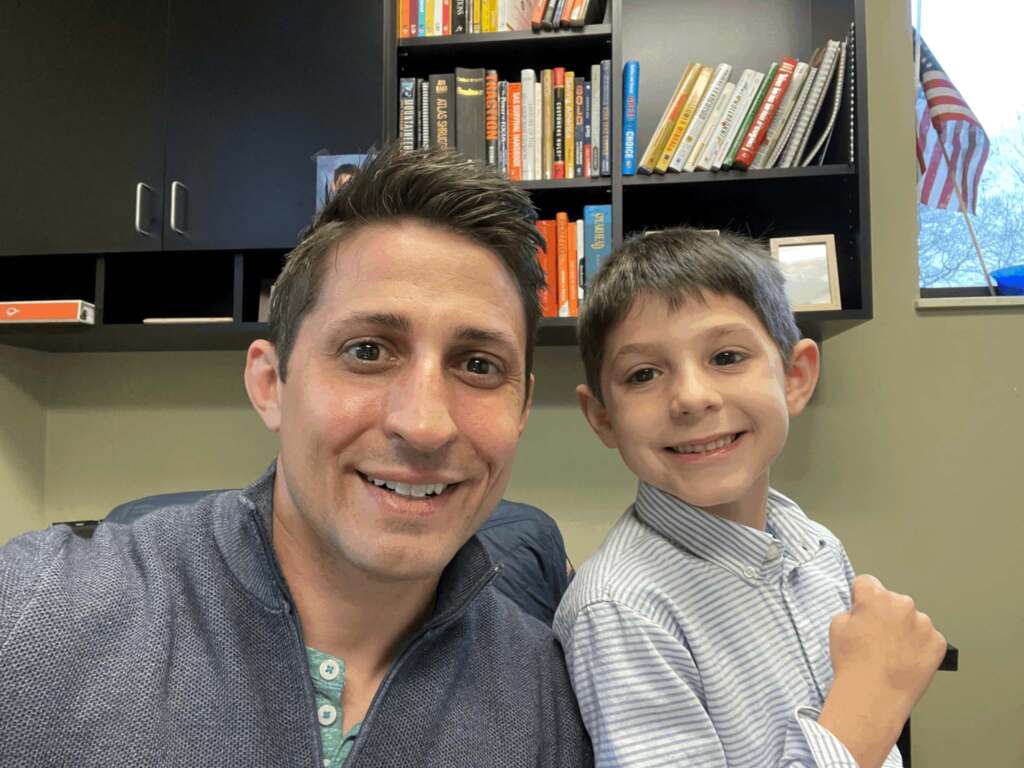
Cal Riley and his son. Photo courtesy of Cal Riley.
Midtown: First, thank you for sharing such a powerful and personal story. Could you tell us about your brother Lucas and how his tragic loss became the driving force for your mission to prevent 100,000 suicides through better leadership?
Cal Riley: Luke was my younger brother and my best friend. He was funny, loyal, and had a way of lighting up every room. When he died by suicide, it broke me in ways I didn’t understand at the time. I tried to move on, but what I realized later was that his story could help others if I was willing to tell it. Losing Luke became the reason I wrote Entrepreneurial Compassion and the reason I’ve made it my life’s work to prevent 100,000 suicides by creating one million compassionate leaders. His story taught me that leadership is not about power; it’s about presence. You never really know what someone is going through, and sometimes just noticing them can change the outcome.
The title of your book, Entrepreneurial Compassion, is very specific. In many traditional business and military settings, “compassion” is often seen as “soft,” while “discipline” is seen as essential. How do you define “entrepreneurial compassion,” and why do you believe these two traits must work together to build a thriving company?
Entrepreneurial compassion is not soft. It is the hardest form of leadership, because it demands both courage and discipline. It means you hold people accountable and care deeply about them at the same time. In the military we were taught that discipline saves lives. In business, compassion saves people. When you combine the two, you build teams that perform under pressure because they feel safe, respected, and seen. That is what creates long-term success.
As a U.S. Army veteran with combat deployments, the press release mentions that you saw the stigma around mental health firsthand. How did your experiences in the military shape your understanding of leadership and the critical need to break down that stigma, both in the service and in the boardroom?
In combat, I learned that leadership is not about rank or title. It’s about responsibility. You are responsible for the lives, the morale, and the wellbeing of the people you lead. I saw how stigma around mental health cost us good soldiers. After leaving the Army, I saw the same pattern in entrepreneurship. Founders and CEOs pushing themselves past the point of breaking, afraid to admit they are struggling. The lesson is the same in both worlds: Courage is not pretending to be invincible, it’s being honest enough to ask for help.
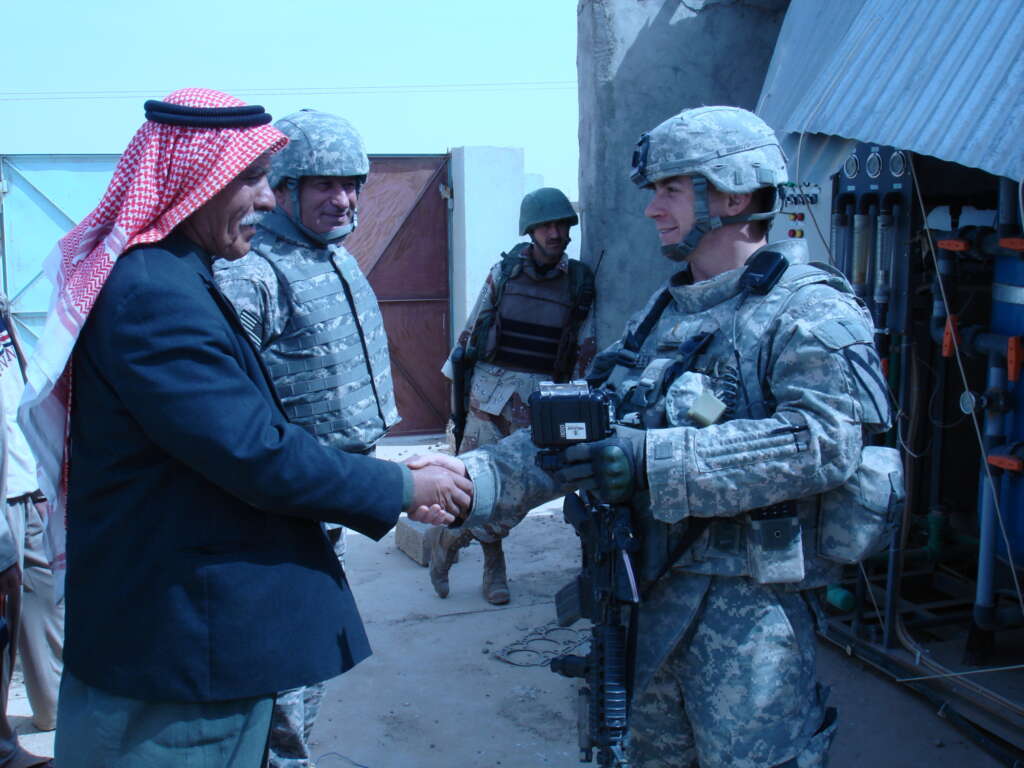
Lucas Riley (Cal's late brother) spent time overseas during his service. Photo courtesy of Cal Riley.
For a business owner or team leader in Raleigh reading this, what is one practical, actionable step they can take today to begin implementing the principles from your “Compassion Framework” and create a more supportive workplace?
Start with yourself. Most leaders want to fix their people or their company, but the real work begins inside. The first step in the Compassion Framework is self-awareness—understanding your triggers, your values, and how you show up under pressure. In the book I walk readers through exercises to notice their thoughts, name their emotions, and reconnect with their purpose before leading anyone else. You can’t give what you don’t have. When you lead yourself with clarity and compassion, your team will follow your example.
You’ve chosen to donate 100% of the book’s profits to Stop Soldier Suicide. Why was this organization the right partner for this mission, and what do you hope this book accomplishes for the veteran community specifically?
Stop Soldier Suicide is led by veterans who understand both the military and the emotional toll of service. They are data-driven, disciplined, and compassionate in their approach. They don’t just raise awareness, they save lives. Every dollar of profit from Entrepreneurial Compassion goes to them because I want Luke’s story to translate into action. My hope is that veterans who read this book see themselves in its pages and realize they are not alone, that asking for help is strength, and that leadership built on compassion can heal far more than it hurts.
Cal (far right) along with other team members, celebrate Riley's latest book. Photo courtesy of Cal Riley.
Riley’s insights serve as a powerful and necessary reminder that our work and our humanity are, and must be, intertwined. Entrepreneurial Compassion makes a compelling case that the long-held belief of “sacrificing compassion to succeed” is not only outdated, but actively harmful. His framework provides actionable steps for leaders to foster environments where team members feel seen, supported, and safe—a place where it’s okay to not be okay.
His personal story of resilience, combined with his tactical expertise, creates a guide that is both credible and profoundly moving. With 100% of the book’s proceeds benefiting Stop Soldier Suicide, purchasing Entrepreneurial Compassion is more than just a step toward better leadership; it’s a direct investment in a mission that supports our veteran community and honors the memory of his brother, Lucas. It’s a testament to the idea that the best leaders don’t just build great companies; they build up their people.