

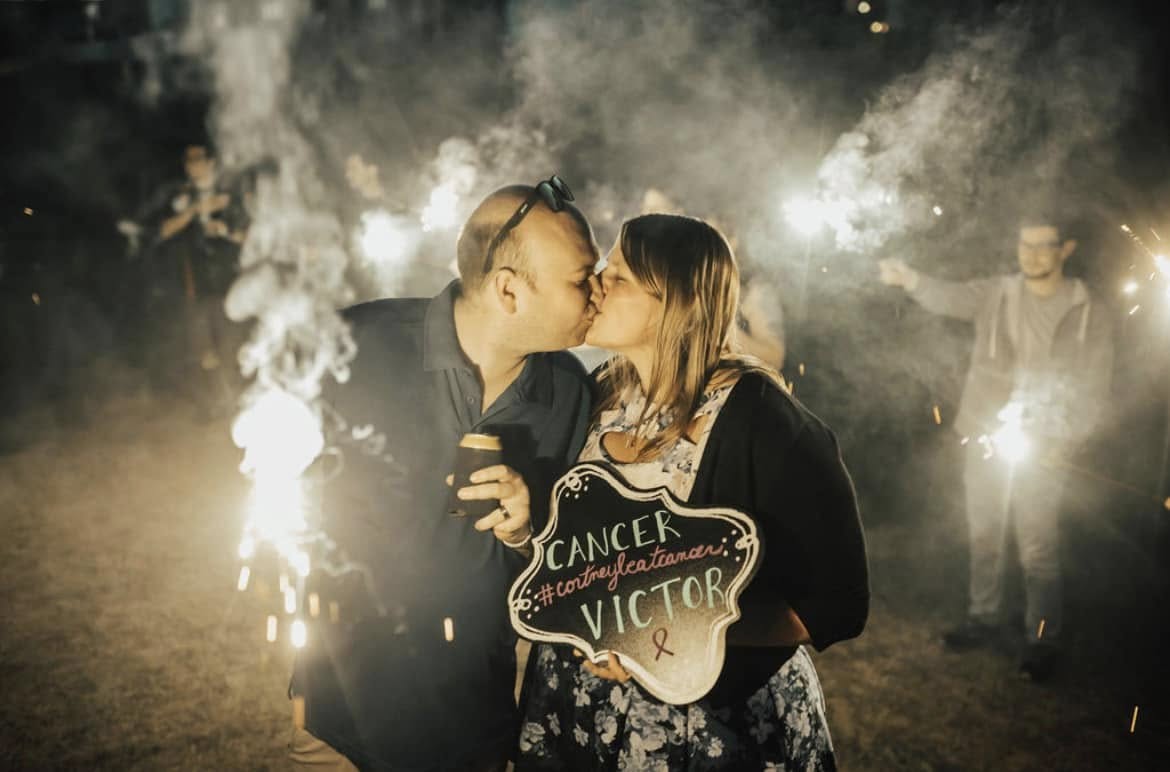
After a stage 4 cancer diagnosis at 26, the local writer turned a life-altering experience into a memoir about resilience, love, and learning to live again.
By Dathan Kazsuk
At 26, Cortney Stevens was in the best shape of her life. She was an avid runner, had recently moved from Wisconsin to Raleigh, and was looking forward to building a future with the man who would eventually become her husband.
Then came a blood clot, a frightening decline in her health, and an oncologist who was so certain she didn’t have cancer that he offered to bet his house on it.
He was wrong.
A second opinion at Duke revealed stage 4 Hodgkin’s lymphoma, beginning a journey through chemotherapy, radiation, and the often-overlooked emotional challenges of surviving cancer.
Today, the Wendell-based author is sharing that experience in her debut memoir, Surviving Chaos: A Cautionary Tale About What Happens When Your World Implodes, published in September 2026.
In this Q&A, the local writer discusses her diagnosis, her road to recovery, and why putting some of her most personal experiences on paper became an important part of healing.
You moved to the Raleigh area in 2018, shortly before your diagnosis. What brought you to North Carolina, and how did that experience shape your connection to the community?
Love and big dreams brought me to North Carolina, which, looking back, was probably the most important decision I ever made.
I moved from Wisconsin in January 2018 to be with my boyfriend, now husband, Cody. I was excited about a new state, new opportunities, and a new relationship. Things were finally looking up.
Or so I thought.
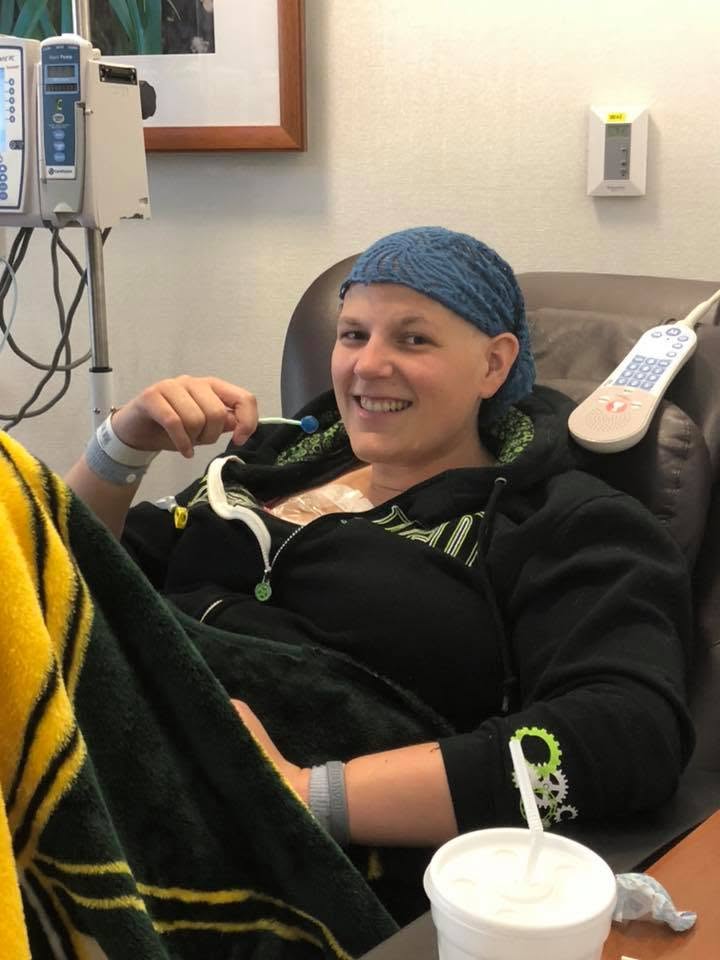
Nearly overnight, the place I had moved to for a fresh start became the place where I would fight for my life.
But it was also where I discovered just how incredible people can be. From the medical professionals who cared for me to the friends, family, and community members who supported us, North Carolina became home in a way I never anticipated.
How important was getting a second opinion at Duke, and how did it change the way you approached your medical care?
Getting that second opinion was incredibly important, both medically and emotionally.
I was exhausted, frustrated, and tired of being told I was fine when every instinct told me otherwise.
The experience taught me that advocating for yourself doesn’t mean you’re being difficult. It means you’re taking responsibility for your health.
I have tremendous respect for the medical professionals who helped save my life. But doctors are human, and sometimes they get things wrong.
It’s okay to ask questions, challenge an answer that doesn’t make sense, and seek another opinion. You can respect medical professionals while still advocating for yourself.
You entered remission in April 2019, but recovery doesn’t necessarily end when treatment does. What challenges did you face rebuilding your life?
Ahh yes, remission. Chemo is done, you ring the bell, the credits roll, and it’s happily ever after, right?
I wish it worked that way.
I entered remission on April 9, 2019, after 12 rounds of chemotherapy and approximately 20 radiation treatments. It was an incredible milestone, but in many ways, it marked the beginning of another challenge.
During treatment, everything revolves around survival. You have appointments, medications, and procedures, with one objective: get through the next round.
Then treatment ends, and suddenly you’re expected to return to normal life. Except you’re not the same person anymore.
I was dealing with neuropathy, exhaustion, physical changes, and emotional scars. There was the fear of recurrence, anxiety over every unusual symptom, and memories I hadn’t fully processed.
I had to accept that recovery wasn’t about becoming who I was before cancer. I had to learn to love this new version of myself, the one who refused to give up.
And that took time. A lot of time.
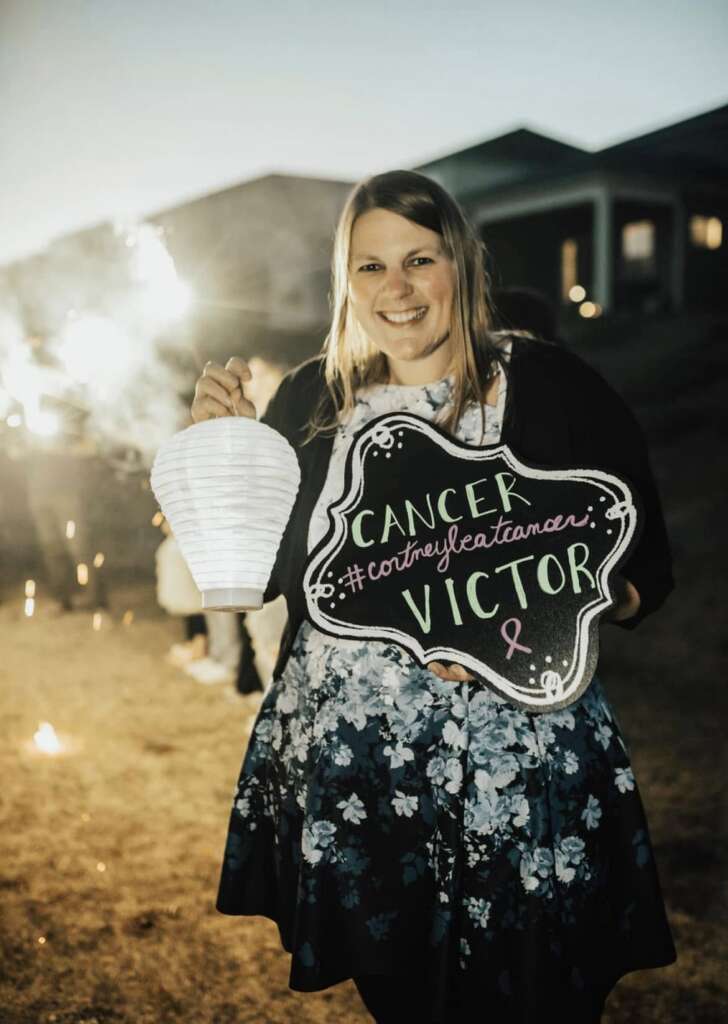
What inspired you to turn your experiences into a memoir, and how did writing affect you emotionally?
Surviving Chaos was never supposed to be a book.
It began as a private journal where I tried to process the trauma cancer had left behind. The more I wrote, the more memories resurfaced.
Eventually, I moved the story from my sparkly pink notebook to my computer and realized I was writing the book I desperately needed during treatment.
Not a medical textbook filled with statistics, but an honest account of what fighting cancer actually feels like. The fear, anger, ridiculous moments, and unexpected laughter.
I wanted others to know someone had experienced those feelings and made it through.
What surprised me was how much writing helped me heal. I confronted memories and emotions I’d carried for years, and gradually, they began to lose some of their power.
Writing also allowed me to share those experiences instead of carrying them alone.
The most emotional realization was understanding that the 35-year-old woman writing this book had become exactly the person my terrified 27-year-old self needed.
And ironically, I wouldn’t be that woman today without the courage that younger version of me showed.
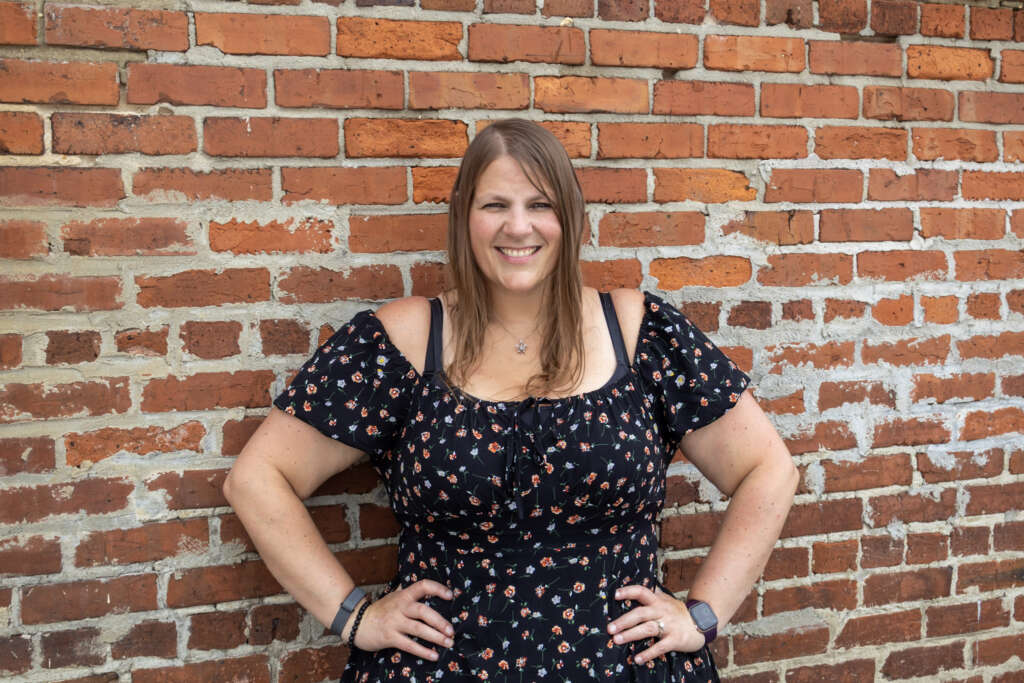
Were there particularly difficult moments to write about or experiences you initially hesitated to share?
Absolutely. Three moments brought me to tears while writing.
One was revisiting an incredibly vulnerable moment in the bathtub when I reached my emotional breaking point during treatment.
Another was remembering what it felt like to ring the bell signaling the end of chemotherapy.
But the hardest was writing about my infertility.
Before treatment, I had to make decisions about preserving my fertility and received injections intended to protect my reproductive system during chemotherapy. Unfortunately, they didn’t work.
For years, I carried the painful thought that I’d made the wrong decision, even though logically I knew I’d made the best choice with the information available.
People knew I couldn’t have biological children, but very few understood the emotional weight of that loss.
Sharing those feelings meant exposing something I’d kept private for years. I worried about being judged or appearing weak.
How has cancer changed your outlook on life, relationships, and what matters most today?
Before my diagnosis, I had a clear picture of my future. Goals, expectations, and a timeline for how everything should unfold.
Then life crumpled that timeline into a ball and threw it out the window.
For years, I struggled with what cancer had taken from me. Eventually, I realized that if I spent my life mourning the future I’d imagined, I’d miss the beautiful life I actually had.
My husband, Cody, was my rock throughout treatment. He saw me at my absolute worst and never made me feel less worthy of love. In many ways, this book is a love letter to him and everyone who helped carry me through that chapter.
Today, I care less about what life is supposed to look like and more about actually living it.
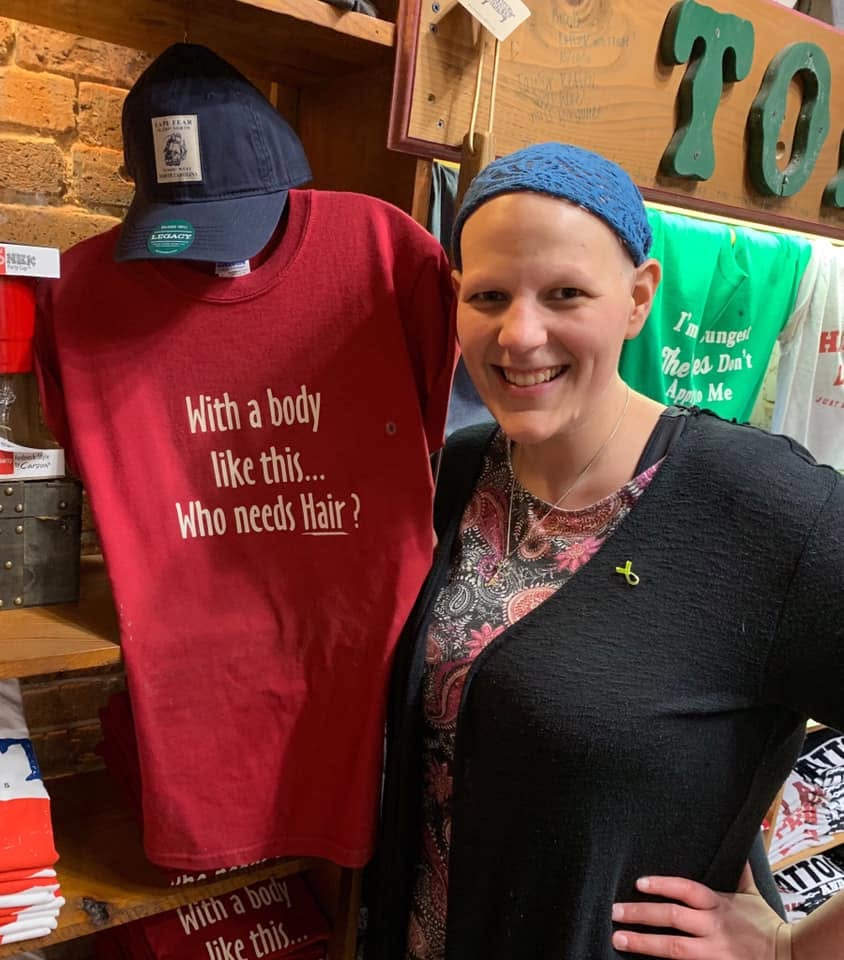
What has the response to Surviving Chaos been like, particularly from readers who have faced cancer or other major life challenges?
It’s been overwhelming in the best possible way.
When you spend years carrying such a personal story, you wonder whether anyone else will care. I knew what the book meant to me, but not what it would mean to others.
I’ve heard from cancer survivors, caregivers, and people who have experienced completely different hardships.
What’s especially meaningful is seeing readers connect with the emotions behind the story, even when their circumstances are different.
Hearing someone say my words made them feel seen or understood is incredibly rewarding.
I don’t believe everything happens for a reason, but I believe we can find purpose in what happens to us. For me, that purpose is sharing my story so someone else’s difficult chapter feels a little less lonely.
What do you hope someone facing a difficult chapter in their own life takes away from reading your story?
More than anything, I want them to know they aren’t alone.
When your world falls apart, it can feel like everyone else is moving forward while you’re standing still.
I wish someone had told me I didn’t need to have everything figured out. I didn’t have to be strong every day, find a silver lining in every terrible situation, or pretend everything was okay.
Sometimes surviving means getting out of bed. Sometimes it means crying in the bathtub. And sometimes it means finding something so ridiculous in a terrible situation that you can’t help but laugh.
There’s no perfect way to navigate chaos.
Your circumstances don’t define your worth. Your hardest moments don’t erase everything wonderful about you. And just because your life looks different from what you imagined doesn’t mean it can’t still be extraordinary.
I didn’t write Surviving Chaos because I had all the answers. I wrote it because I knew what it felt like to desperately need someone who understood.