

By Dathan Kazsuk |
Michelin Stars aren’t awarded just because a restaurant is great. They’re given when a restaurant is great the same way, every night, without fail—a standard rooted in consistency, control, and mastery.
Raleigh and Durham have incredible chefs and deeply personal menus. We have tasting concepts, bold Carolina flavors and a growing culinary identity. But Michelin’s star criteria favor restaurants that:
• run tightly structured tasting menus
• maintain near-perfect consistency
• show technical mastery
• deliver a curated, choreographed dining experience
Many North Carolina restaurants lean toward a more expressive, personal style. The heart is there. The originality is there. The talent is there. What’s still developing is the extended track record Michelin looks for.
But what we gained—strong recommendations—is the first step. The Guide’s expansion into our region is also historic. “The American South is so rich in culture and history, which has been imported from all around the world—it’s such a melding of our heritage, inherited from our ancestors, and it’s unique in such a special way,” said Megan Weddington, head of operations at Seraphine in Durham.
“The stories being told through our food, and traditions maintained and evolved, is so important to us in the South. Seeing this area of the country, which is so close to our hearts, thrive in this way is just a thrill.”
What “Michelin Recommended” Really Means
Many diners misunderstand this category. “Recommended” isn’t a runner-up ribbon—it’s one of the most important designations in the entire guide.
A Michelin-recommended restaurant has:
• quality cooking
• strong execution
• personality in the cuisine
• consistency between visits
• potential for elevation into Bib Gourmand or Star territory
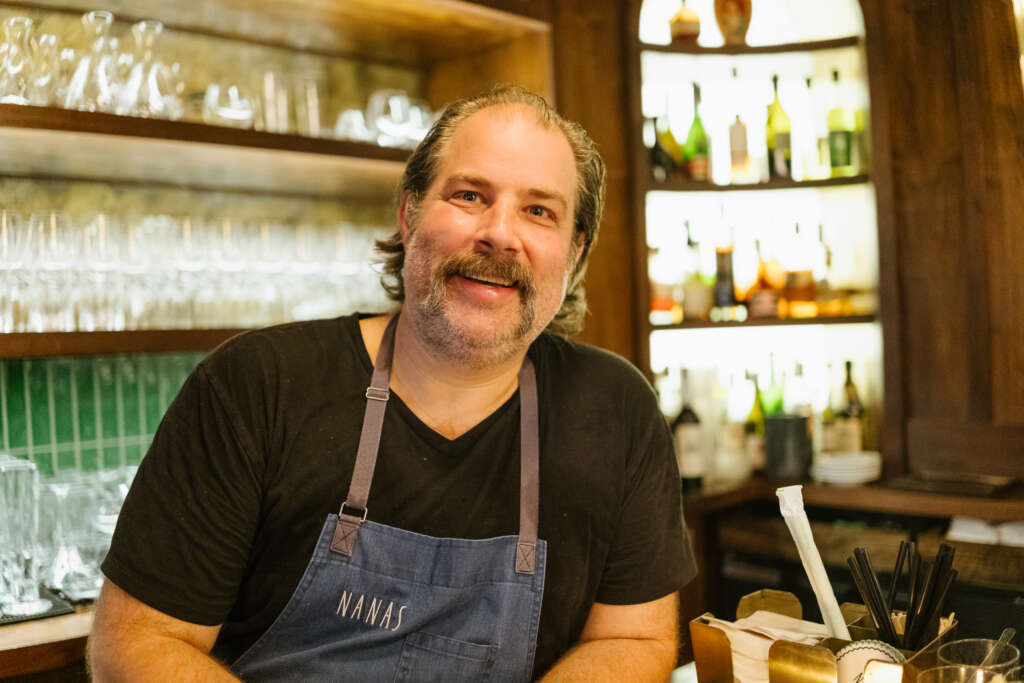
For cities in their early Michelin years—Houston, Tampa, Atlanta—this was the foundational phase. The same is happening here. Nanas chef and owner Matt Kelly sees it as a validation of hard work and a promising shift for Durham.
“I moved to Durham knowing what kind of food scene it had for a reason,” says Kelly. “Durham has a lot of traveling guests, it’s a huge educational, biotech, and technology hub, and I think shedding light on the good work that people do here is great for the community. We’re very lucky and fortunate that Michelin is exploring the Southeast. Coming to Durham, I never imagined that. I think a lot of people are going to continue to have a lot of pride in the work that’s done over the years.”
A Quick Look at Michelin’s History
It’s one of the wildest backstories in the culinary world. Michelin—yes, the tire company—launched its guide in 1900 to encourage travel, road trips, and exploration. Restaurants were included in the guide because people needed places to eat along the way.
Decades later, the guide evolved into the most respected restaurant ranking system on the planet. The modern star system solidified in 1931:
• 1 Star — A very good restaurant
• 2 Stars — Excellent cooking worth a detour
• 3 Stars — Exceptional cuisine worth a special journey
Michelin now influences tourism, restaurant economies, culinary careers, and global dining trends. Its expansion into the American South marks the guide’s first regional edition here since 2005. And the Triangle is right in the middle of that spotlight.
Why Inclusion Matters
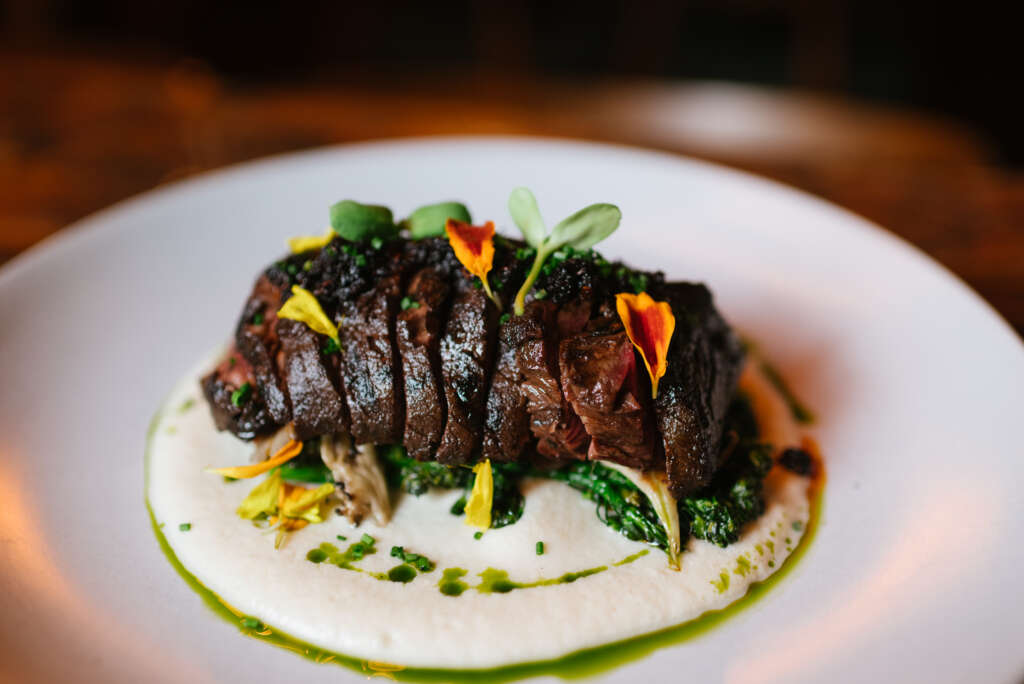
While Raleigh and Durham didn’t grab a star, the impact of being part of the guide is already clear: It validates that these two cities have been rising for years.
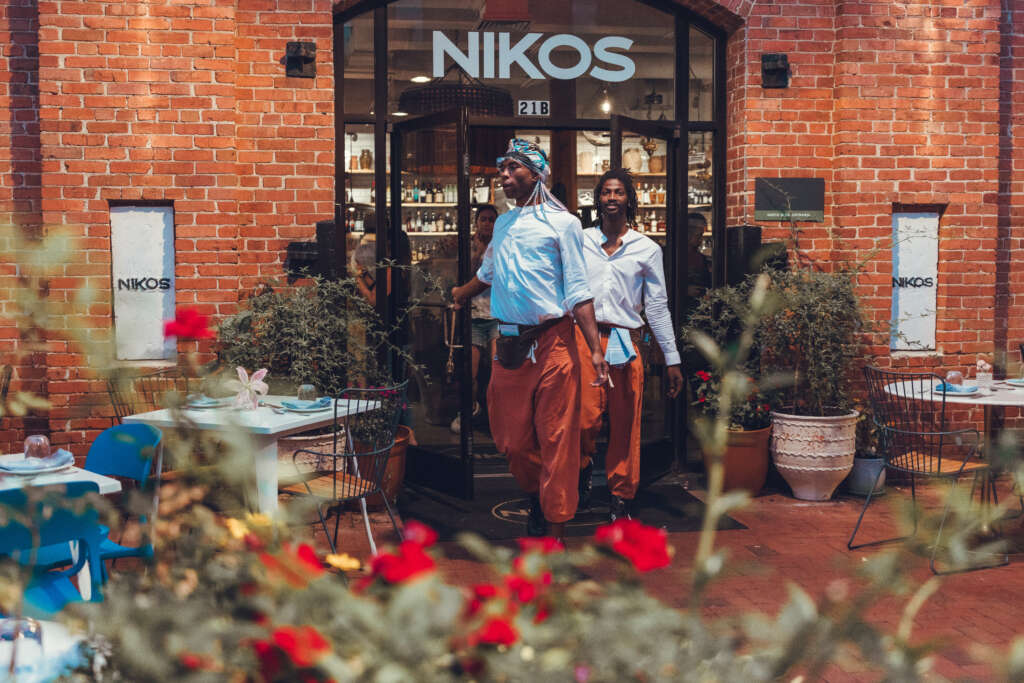
Chef Douglas Rodriguez of Nikos sees massive potential. “The Michelin Guide is a game-changer for Durham and North Carolina,” he says. “For the restaurants included, there will be an unbelievable flow in business, as [we’ve] heard and seen with others in the industry. Chefs often call it the Michelin Bump, leading to increased revenue. Don’t forget, at the same time, the opportunity to attract more talent, more chefs, and restaurateurs to open more concepts in the area. The opportunity is infinite.”
The inclusion also ties into the region’s growing culinary tourism power. The guide’s presence reinforces why people travel for food—not just for restaurants, but for culture, people, and place.
Here in Durham, that long list of accolades backs that up, from “Tastiest Town in the South” to one of America’s most creative small cities for food and drink.
Discover Durham’s chief marketing officer, Cara Rousseau, captures the sentiment perfectly. “This recognition reinforces what visitors discover every day—Durham’s restaurants, chefs, and makers offer some of the most inspired food experiences in the country,” she says.
“We expect this new spotlight to attract even more visitors eager to explore our food scene, which in turn supports local jobs, entrepreneurship, and the continued vitality of our community.”
Durham received four recommended restaurants: Seraphine and Nanas, as well as Nikos and Little Bull. Here in Raleigh, the City of Oaks landed nine: Brewery Bhavana, Brodeto, Crawford & Son, Jolie, Poole’s Diner, St Roch Fine Oysters + Bar, Stanbury, Tamasha Modern Indian, and The Pit Authentic BBQ. And rounding up the list, Dampf Good BBQ and Herons in Cary, and The Fearrington House Restaurant in Pittsboro.
This isn’t the end of the story—it’s the beginning of a new era. Michelin doesn’t enter regions lightly. When they do, they watch, revisit, and return. Chefs sharpen their focus. Diners become more curious. Investors start paying attention.
Raleigh and Durham are now officially on the global culinary map. We may not have stars today, but the foundation is here: talent, creativity, passion, and a food culture rooted in identity. Recommendations are the spark, not the finale.