Skip to content Skip to sidebar Skip to footer

Seasonal Affective Disorder: SAD vs. the Winter Blues

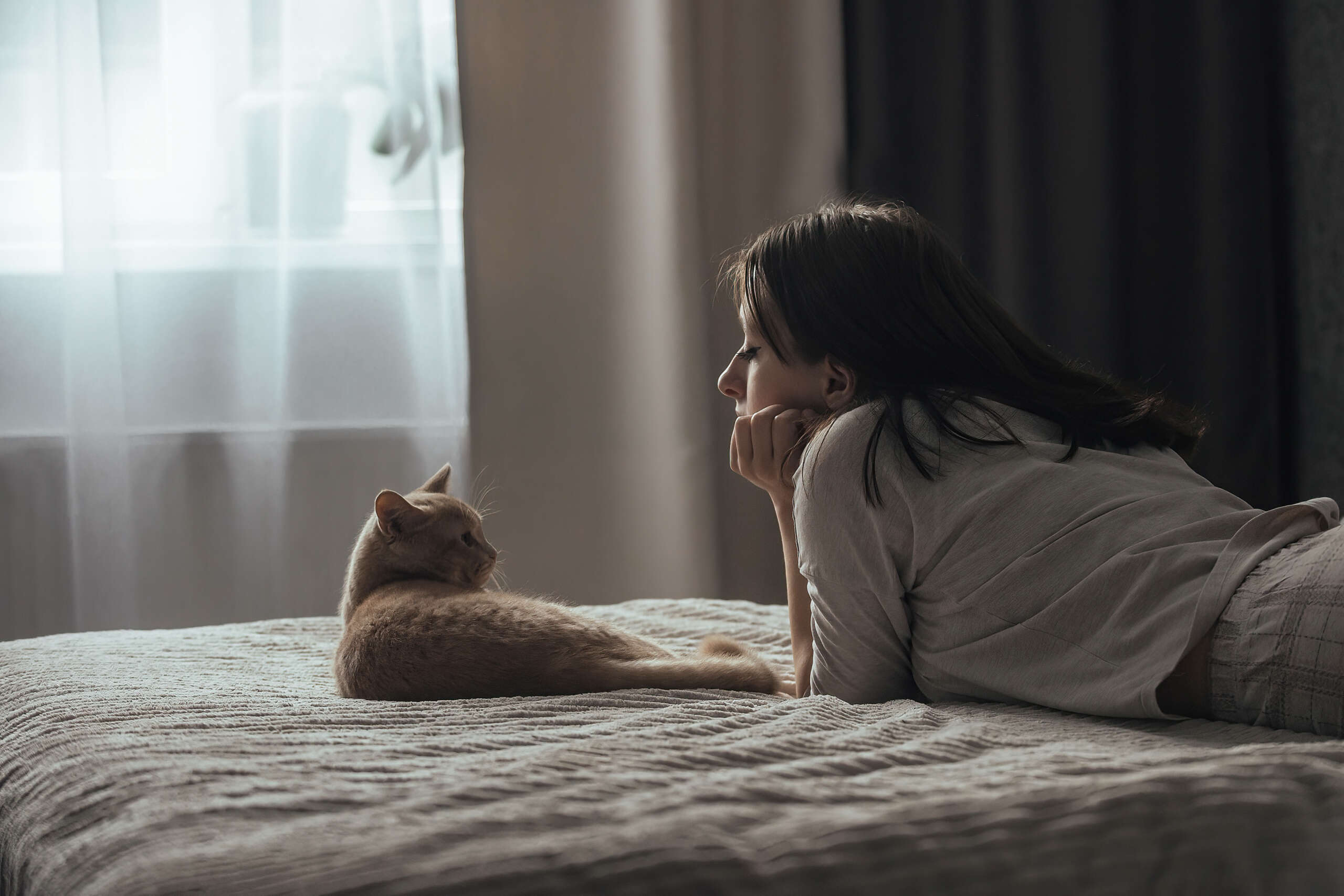
Depression Cat Woman on Bed

By Dr. Sarah Maddison

Dr. Sarah Maddison explains the difference between Seasonal Affective Disorder, major depression, and the winter or holiday blues—and when it may be time to seek help.

The days get shorter, darkness arrives before dinner, and suddenly the couch seems a lot more appealing than it did in July. For many people, winter brings a noticeable shift in energy and mood. But when does a seasonal slump become something more?

Seasonal Affective Disorder, commonly known as SAD, is more than simply wishing for warmer weather. It is a form of depression that follows a recurring seasonal pattern, most often beginning during the fall or winter months and improving as spring approaches. But its symptoms can sometimes be difficult to distinguish from the stress of the holidays, an occasional case of the winter blues, or major depression that happens to occur during the colder months.

In this installment, Raleigh physician Dr. Sarah Maddison breaks down what separates SAD from a temporary seasonal funk, the symptoms worth paying attention to, treatments that may help, and when it’s time to stop trying to simply “push through it.”

What exactly is Seasonal Affective Disorder—and is it really a form of depression?

Yes. Seasonal Affective Disorder, or SAD, is more than simply disliking cold weather or wishing the sun would stay out past 5 p.m. SAD is a form of depression that follows a seasonal pattern, most commonly beginning in the fall or winter and improving during the spring and summer.

Reduced daylight appears to play an important role. Changes in light exposure can affect our circadian rhythm—the body’s internal clock—as well as systems involved in sleep, mood, and energy.

People with winter-pattern SAD may experience persistent sadness or a loss of interest in activities they normally enjoy, low energy, difficulty concentrating, sleeping more than usual, carbohydrate cravings, weight gain, and a tendency to withdraw socially.

The important distinction is that SAD is depression. The “seasonal” part describes the pattern in which the depressive episodes occur; it doesn’t mean the symptoms are less significant.

So how is SAD different from the “winter blues”?

There is a big difference between feeling a little blah in January and experiencing clinical depression.

Shorter days, colder temperatures, less outdoor activity, and the post-holiday return to normal life can leave almost anyone feeling less energetic or motivated. You may want to stay on the couch a little longer, complain about it getting dark before dinner, or start counting the days until spring. That alone isn’t necessarily SAD.

With SAD, symptoms are more persistent and begin to interfere with everyday life. You may stop enjoying things you normally love, struggle to function at work or home, withdraw from friends and family, or experience noticeable changes in your sleep and appetite.

A helpful question to ask yourself is: “Am I just not loving winter, or am I not feeling like myself?”

If your mood affects your ability to function, or the symptoms last for weeks rather than an occasional bad day, they deserve attention.

Depression Seasonal
Stock.Adobe.com.

What about the “holiday blues”? Aren’t the holidays supposed to be the happiest time of the year?

That expectation may actually be part of the problem.

The holidays can come with surprising emotional baggage. Financial pressure, travel, disrupted routines, complicated family dynamics, loneliness, grief over people no longer with us, and the expectation that we should somehow be cheerful through it all can all play a role.

Social media doesn’t necessarily help. When everyone else’s December seems to consist entirely of matching pajamas, perfect families, elaborate parties, and beautifully decorated homes, it can be easy to feel like you’re the only person struggling.

The holiday blues are usually temporary and connected to the stresses or emotions surrounding the season. SAD, on the other hand, is a recurring depressive pattern associated with a particular season and typically lasts much longer. Major depression can occur at any time of year without a seasonal pattern.

In other words, feeling sad during the holidays does not automatically mean you have SAD—but persistent symptoms shouldn’t be dismissed as “just the holidays,” either.

How can I tell SAD, major depression, and the winter or holiday blues apart?

Think about three things: severity, duration, and pattern.

The winter or holiday blues tend to be milder, shorter-lived, and connected to identifiable circumstances. You can generally still function and enjoy parts of your life, even if you’re feeling stressed, lonely, tired, or less enthusiastic than usual.

Major depression involves more significant symptoms, such as persistent sadness, loss of pleasure, changes in sleep or appetite, fatigue, difficulty concentrating, and feelings of worthlessness or hopelessness. Those symptoms interfere with daily life, and major depression can begin during any month of the year.

SAD involves depressive episodes with a recurring seasonal pattern, typically appearing during the same part of the year and improving when the season changes. One difficult winter by itself isn’t enough to establish that pattern.

Labels matter because they can guide treatment, but you don’t need to diagnose yourself before asking for help. If you consistently don’t feel like yourself, that’s enough reason to start a conversation with your health care provider.

What can actually help with Seasonal Affective Disorder?

The good news is that SAD is treatable.

For winter-pattern SAD, one of the best-known treatments is bright-light therapy, which typically involves sitting near a specially designed light box in the morning. Timing and the type of light box matter, so discuss it with a health care professional rather than simply buying the brightest lamp you can find online.

Psychotherapy, particularly cognitive behavioral therapy, can also be helpful. For some people, antidepressant medication may be appropriate, especially when symptoms are moderate to severe or recur predictably each year.

Lifestyle habits matter, too—not as a substitute for treatment, but as part of the larger picture. Getting outside during daylight hours, exercising regularly, maintaining consistent sleep and wake times, staying socially connected, and resisting the temptation to hibernate until April can all support mood and energy.


© 2008-2025 Midtown magazine, LLC. All rights reserved. Copyright applies to all pages on this website. | Privacy Policy

By Dr. Sarah Maddison

Dr. Sarah Maddison explains the difference between Seasonal Affective Disorder, major depression, and the winter or holiday blues—and when it may be time to seek help.

The days get shorter, darkness arrives before dinner, and suddenly the couch seems a lot more appealing than it did in July. For many people, winter brings a noticeable shift in energy and mood. But when does a seasonal slump become something more?

Seasonal Affective Disorder, commonly known as SAD, is more than simply wishing for warmer weather. It is a form of depression that follows a recurring seasonal pattern, most often beginning during the fall or winter months and improving as spring approaches. But its symptoms can sometimes be difficult to distinguish from the stress of the holidays, an occasional case of the winter blues, or major depression that happens to occur during the colder months.

In this installment, Raleigh physician Dr. Sarah Maddison breaks down what separates SAD from a temporary seasonal funk, the symptoms worth paying attention to, treatments that may help, and when it’s time to stop trying to simply “push through it.”

What exactly is Seasonal Affective Disorder—and is it really a form of depression?

Yes. Seasonal Affective Disorder, or SAD, is more than simply disliking cold weather or wishing the sun would stay out past 5 p.m. SAD is a form of depression that follows a seasonal pattern, most commonly beginning in the fall or winter and improving during the spring and summer.

Reduced daylight appears to play an important role. Changes in light exposure can affect our circadian rhythm—the body’s internal clock—as well as systems involved in sleep, mood, and energy.

People with winter-pattern SAD may experience persistent sadness or a loss of interest in activities they normally enjoy, low energy, difficulty concentrating, sleeping more than usual, carbohydrate cravings, weight gain, and a tendency to withdraw socially.

The important distinction is that SAD is depression. The “seasonal” part describes the pattern in which the depressive episodes occur; it doesn’t mean the symptoms are less significant.

So how is SAD different from the “winter blues”?

There is a big difference between feeling a little blah in January and experiencing clinical depression.

Shorter days, colder temperatures, less outdoor activity, and the post-holiday return to normal life can leave almost anyone feeling less energetic or motivated. You may want to stay on the couch a little longer, complain about it getting dark before dinner, or start counting the days until spring. That alone isn’t necessarily SAD.

With SAD, symptoms are more persistent and begin to interfere with everyday life. You may stop enjoying things you normally love, struggle to function at work or home, withdraw from friends and family, or experience noticeable changes in your sleep and appetite.

A helpful question to ask yourself is: “Am I just not loving winter, or am I not feeling like myself?”

If your mood affects your ability to function, or the symptoms last for weeks rather than an occasional bad day, they deserve attention.

Depression Seasonal
Stock.Adobe.com.

What about the “holiday blues”? Aren’t the holidays supposed to be the happiest time of the year?

That expectation may actually be part of the problem.

The holidays can come with surprising emotional baggage. Financial pressure, travel, disrupted routines, complicated family dynamics, loneliness, grief over people no longer with us, and the expectation that we should somehow be cheerful through it all can all play a role.

Social media doesn’t necessarily help. When everyone else’s December seems to consist entirely of matching pajamas, perfect families, elaborate parties, and beautifully decorated homes, it can be easy to feel like you’re the only person struggling.

The holiday blues are usually temporary and connected to the stresses or emotions surrounding the season. SAD, on the other hand, is a recurring depressive pattern associated with a particular season and typically lasts much longer. Major depression can occur at any time of year without a seasonal pattern.

In other words, feeling sad during the holidays does not automatically mean you have SAD—but persistent symptoms shouldn’t be dismissed as “just the holidays,” either.

How can I tell SAD, major depression, and the winter or holiday blues apart?

Think about three things: severity, duration, and pattern.

The winter or holiday blues tend to be milder, shorter-lived, and connected to identifiable circumstances. You can generally still function and enjoy parts of your life, even if you’re feeling stressed, lonely, tired, or less enthusiastic than usual.

Major depression involves more significant symptoms, such as persistent sadness, loss of pleasure, changes in sleep or appetite, fatigue, difficulty concentrating, and feelings of worthlessness or hopelessness. Those symptoms interfere with daily life, and major depression can begin during any month of the year.

SAD involves depressive episodes with a recurring seasonal pattern, typically appearing during the same part of the year and improving when the season changes. One difficult winter by itself isn’t enough to establish that pattern.

Labels matter because they can guide treatment, but you don’t need to diagnose yourself before asking for help. If you consistently don’t feel like yourself, that’s enough reason to start a conversation with your health care provider.

What can actually help with Seasonal Affective Disorder?

The good news is that SAD is treatable.

For winter-pattern SAD, one of the best-known treatments is bright-light therapy, which typically involves sitting near a specially designed light box in the morning. Timing and the type of light box matter, so discuss it with a health care professional rather than simply buying the brightest lamp you can find online.

Psychotherapy, particularly cognitive behavioral therapy, can also be helpful. For some people, antidepressant medication may be appropriate, especially when symptoms are moderate to severe or recur predictably each year.

Lifestyle habits matter, too—not as a substitute for treatment, but as part of the larger picture. Getting outside during daylight hours, exercising regularly, maintaining consistent sleep and wake times, staying socially connected, and resisting the temptation to hibernate until April can all support mood and energy.
This Pop-up Is Included in the Theme
Best Choice for Creatives
Purchase Now