

By Dathan Kazsuk & Jennifer Primrose
Editor’s note: This story is part of a collaboration between Midtown Magazine and Triangle Around Town exploring the people and history behind the 10th season of the NCRLA Chef Showdown. Triangle Around Town will take readers behind the scenes with profiles of Heidi Billotto and Chad Blackwelder, followed by a post-event conversation with NCRLA President & CEO Allen Thomas.
Ten years ago, the NCRLA (North Carolina Restaurant & Lodging Association) Chef Showdown was supposed to be a one-night event.
Lynn Minges, then president and CEO of the North Carolina Restaurant & Lodging Association, approached culinary writer and food personality Heidi Billotto with an idea: create a chef competition to cap off the association’s two-day conference in Raleigh.
Billotto had a couple of months to make it happen.
She picked up the phone.
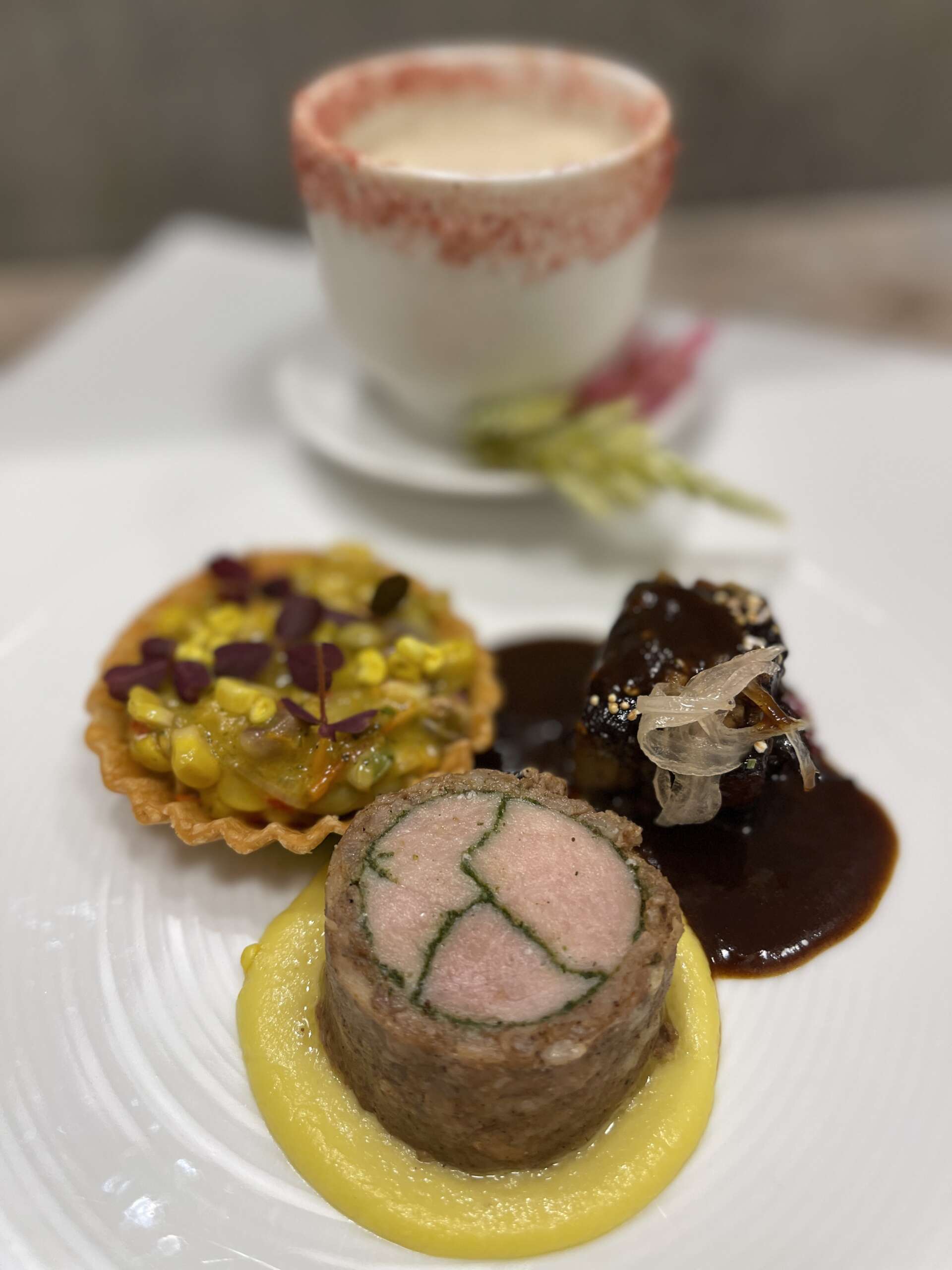
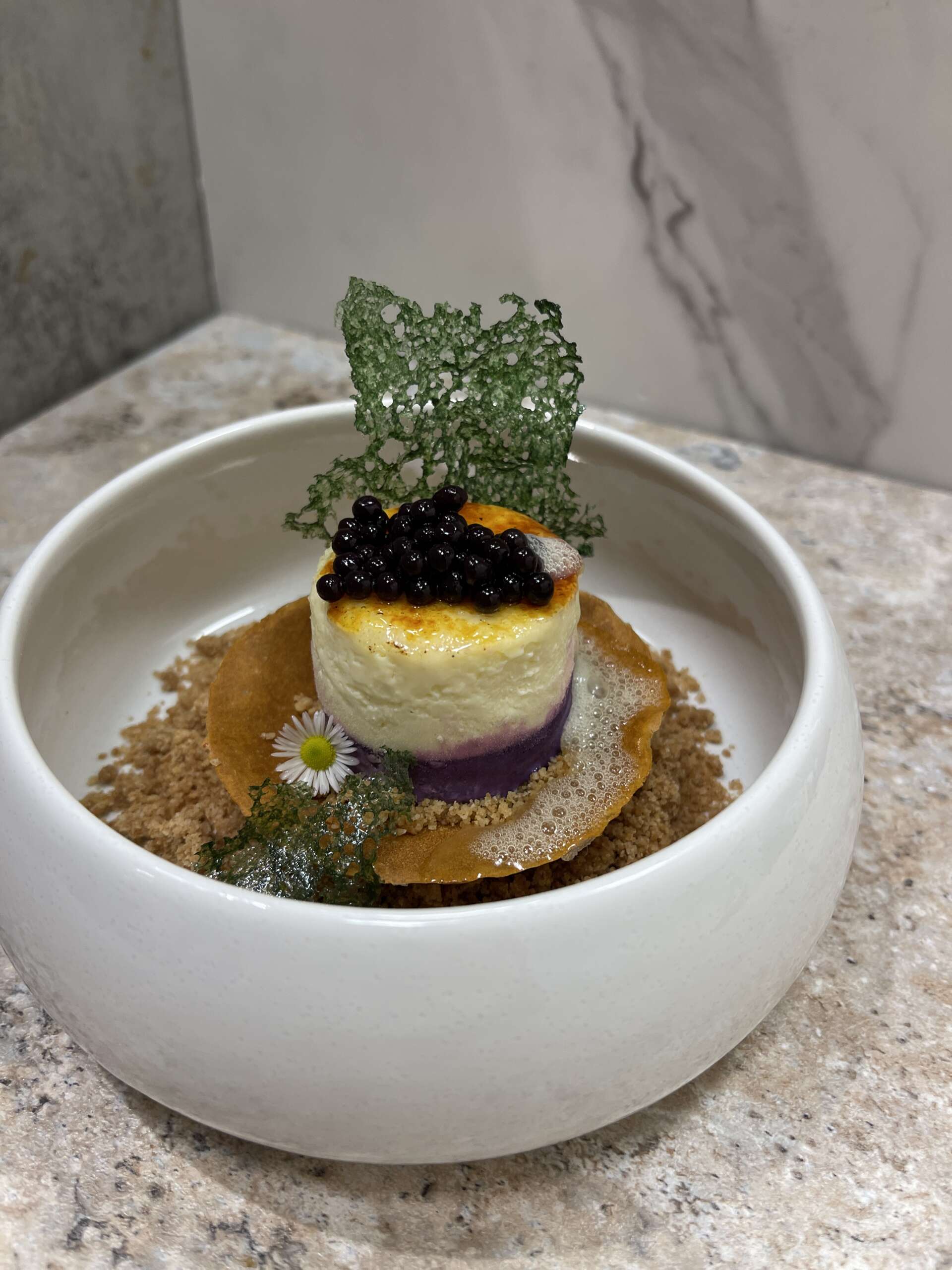
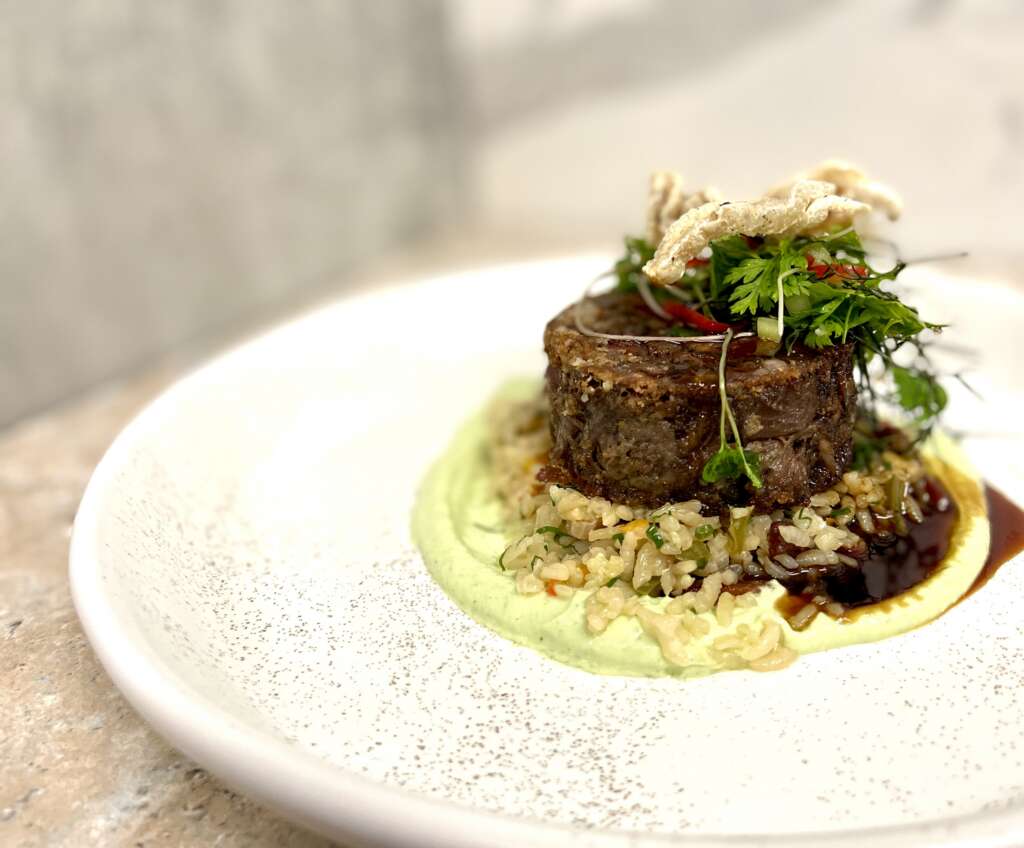
She called chefs she knew from across North Carolina, inviting them to participate and encouraging them to showcase local ingredients. The competition also opened its doors to other North Carolina chefs and pastry chefs who wanted to apply.
The first Chef of the Year was Jesse Roque of Never Blue in Hendersonville, while Jossie Perlmutter Lukacik of Sweet Affairs in Charlotte took the inaugural Pastry Chef of the Year title. What began as a single evening has since grown into a statewide competition that includes chefs, pastry chefs, mixologists, and distilleries.
Related Story: Heidi Billotto: A Decade Behind the NCRLA Chef Showdown
And in 2026, the Chef Showdown is celebrating its 10th season.
“I’m proud that we’ve grown the competition a little bit every year, slow and steady, to make it all that it is today,” Billotto said. “And I’m proud that through the years we’ve been able to give so many in the hospitality industry a platform and a chance to see and be seen, to show what they can do, and the confidence to do it!”
From One Night to 11 Rounds
The growth hasn’t been overnight.
As more chefs wanted to participate, the organizers added preliminary and regional rounds. What was once a single event became a months-long journey across the state. Today, the competition includes 11 rounds leading to the Grand Finale.
The 2026 season began with a record 102 chefs, pastry chefs, mixologists, and distilleries participating in the preliminary rounds. The competition now stretches from the mountains to the coast, ultimately narrowing the field to the finalists who will compete at the September 2 Grand Finale at Bay 7 in Durham.
Get your tickets here, and use the discount code “TAT2026” for 10% off your purchase!
Along the way, the competition itself has expanded.
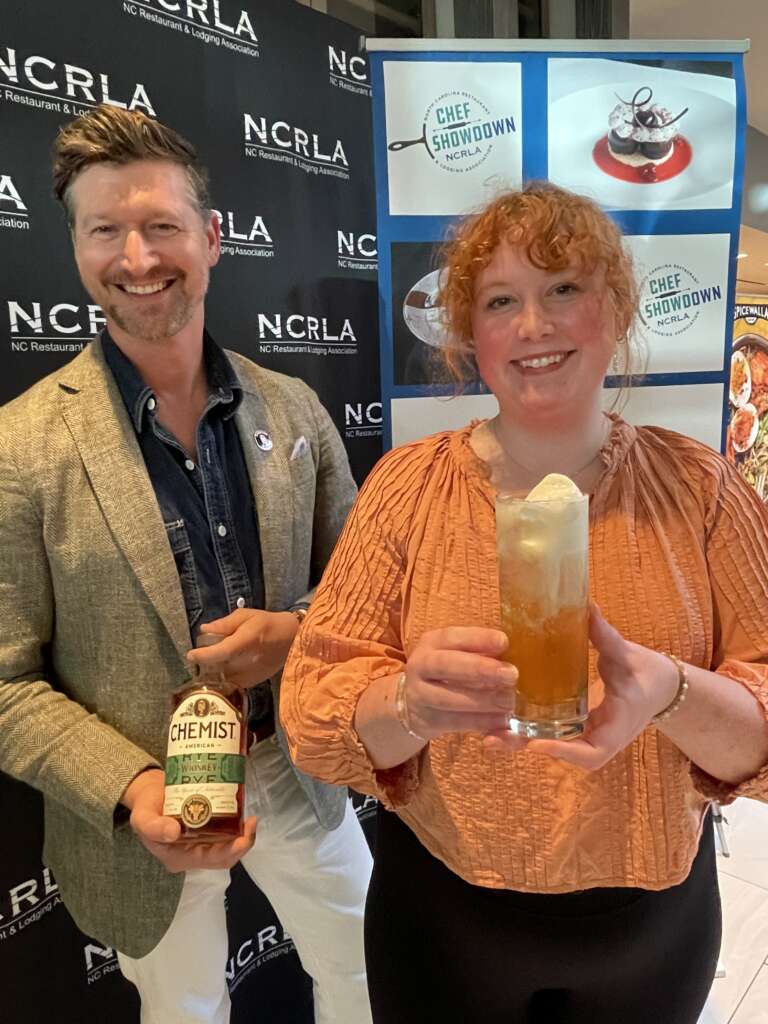
Mixology was added in 2017, pairing North Carolina mixologists with state distilleries. A mocktail component followed in 2023, broadening the beverage competition to include those who want to participate without alcohol.
The winners have represented an increasingly diverse North Carolina culinary scene.
Among the Chef of the Year winners over the years are Matthew Krenz, Travis Myers, Steven Goff, Saif Rahman, Oscar Johnson, Adé Carrena and, most recently, Mauricio Huarcaya in 2025.
The competition grows.
But the emphasis on North Carolina remains.
Related Story: Chad Blackwelder: The Man Connecting North Carolina Chefs With the Farmers Behind Their Food
The Local Ingredient Has Always Been Part of the Recipe
The connection between chefs and North Carolina agriculture wasn’t added later as a marketing strategy. Billotto says it was part of the vision from the beginning.
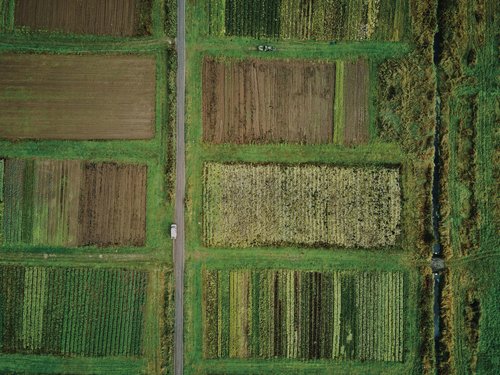
The North Carolina Department of Agriculture has been involved since the competition’s earliest days, and the state’s farmers and producers have remained central to the dishes and drinks competitors create.
Billotto said local focus mattered to her personally.
“I found it important to walk the walk and not just talk the talk,” she said.
That philosophy has created a second layer of competition: the relationships chefs form with the people who grow and make what they cook.
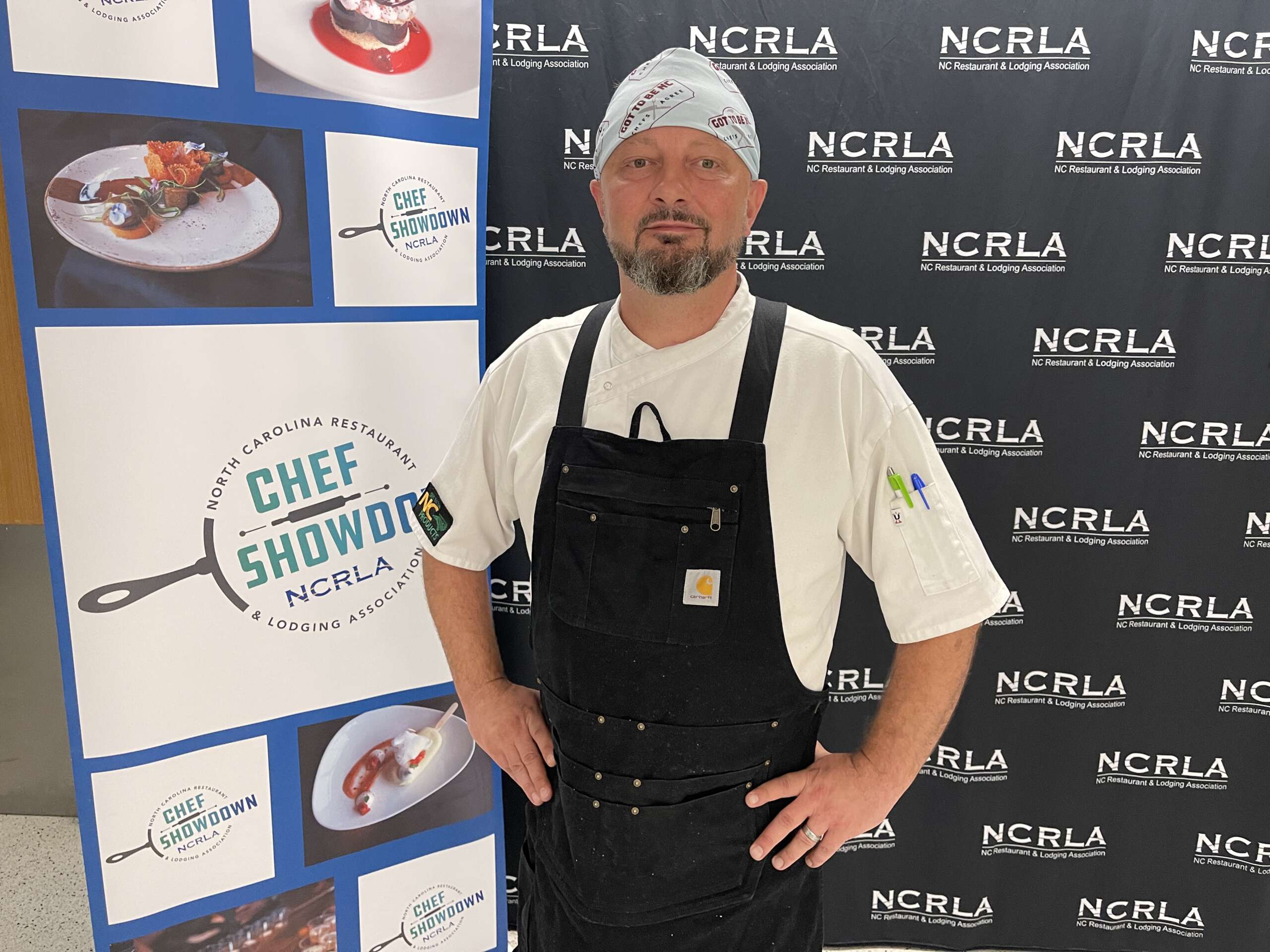
Chad Blackwelder of Got to Be NC plays an important role in those connections, helping chefs find North Carolina farmers and producers who can meet their needs.
“A big part of what I do is introducing chefs to products that they may not be aware of,” Blackwelder said. “When I see a product on a menu that is from outside of the state, I will gently suggest an NC alternative.”
Sometimes those introductions lead to a single competition dish.
Sometimes they become something much bigger.
Blackwelder points to Carolina Gold rice as one example.
“If you see Carolina Gold rice on an NC restaurant menu, it will more than likely be from Tidewater Grain Co. The NCRLA Chef Showdown has played a huge part in building those relationships,” he said.
That’s an important distinction.
The Chef Showdown isn’t simply about finding the best chef.
It’s about building connections throughout the hospitality and agricultural industries.
More Than What’s on the Plate
The same philosophy has expanded into North Carolina’s beverage industry.
North Carolina wineries had been involved in the Grand Finale for years before the NC Wine Bar was introduced. Billotto said individual wineries once contributed products for guests, but as the state’s wine, mead and cider industries grew, she wanted to create an opportunity for more producers to participate.
The result is another way for guests to discover North Carolina products alongside the food being prepared by the state’s top culinary competitors.
And that’s really the larger story of the Chef Showdown.
“From the very beginning, the NCRLA Chef Showdown has been a showcase for the entire North Carolina hospitality industry,” Billotto said. “That includes chefs and mixologists, distilleries and wineries, restaurants and bars, food trucks and lodging, too.”
At the Grand Finale, that means guests aren’t simply watching a competition.
They’re tasting the state’s hospitality industry.
The People Behind the Competition
For the public, the Chef Showdown is the Grand Finale: the food, the cocktails, the awards and the People’s Choice voting.
But the competition is actually a year-round effort.
Billotto estimates there are “a million teeny tiny details” involved, from coordinating contestants, sponsors and venues to the dozens of emails, calls and messages required to make the various rounds happen.
“It’s a team effort for sure,” she said.
And she has been part of every round for 10 seasons.
Billotto has tasted every competition dish, dessert and beverage presented over the years—something she jokes may make her the only person in North Carolina who can make that claim.
What she has seen is an industry willing to experiment, learn, and share.
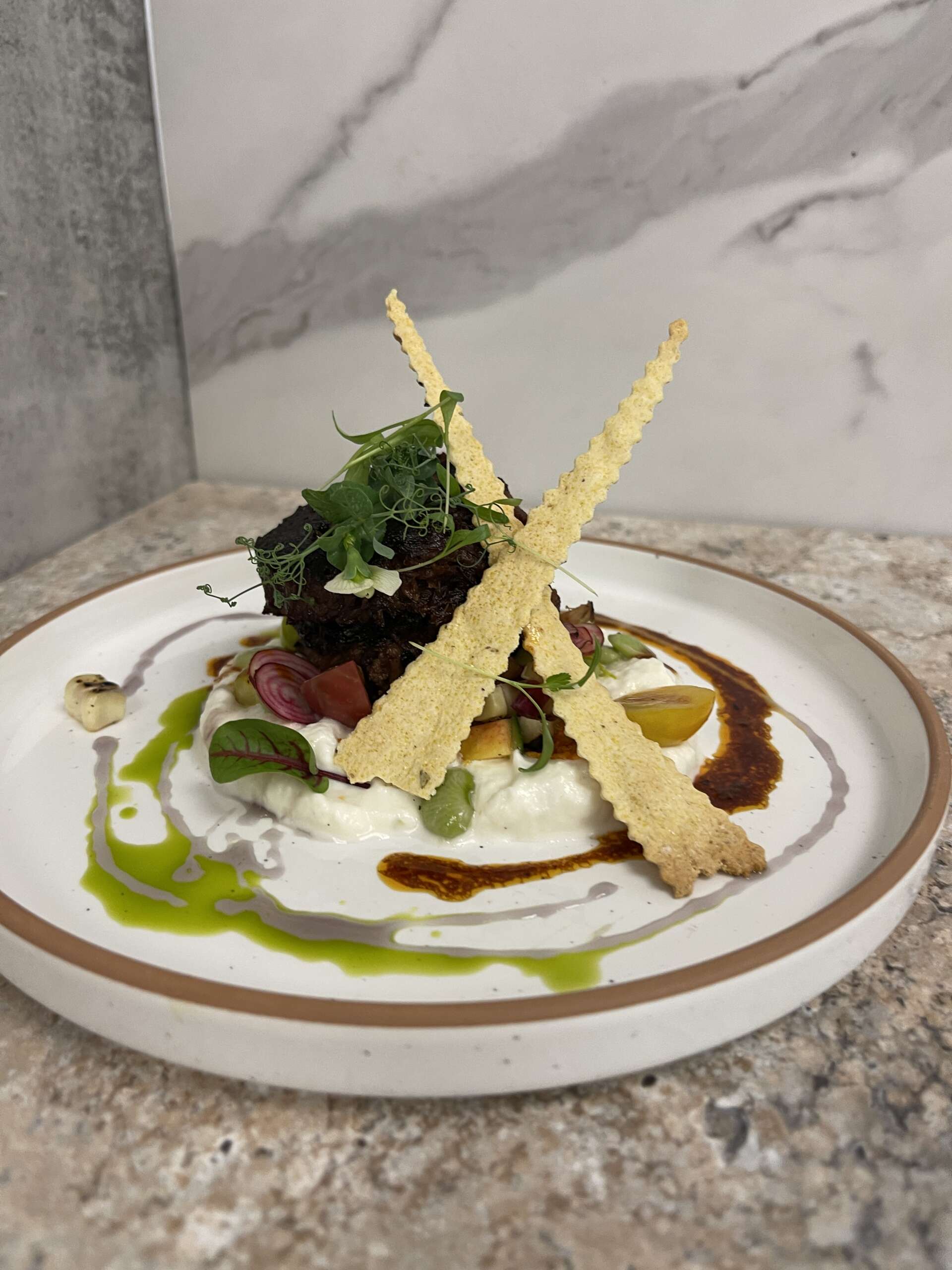
This year’s competitors have used foraged ingredients, nose-to-tail cooking, lion’s mane mushroom tinctures and even a broth made from organic grasses.
But Billotto doesn’t see the competition as a quest to make food weird.
“It’s about cooking from your heart, highlighting all sorts of local North Carolina products and serving delicious food and drink,” she said.