Skip to content Skip to sidebar Skip to footer

Death Cab for Cutie Builds Something New

Death Cab for Cutie Raleigh

By Dathan Kazsuk

For almost three decades, Death Cab for Cutie has been the kind of band people grow up with, even when they do not realize they are doing so.

The songs have scored college dorm rooms, first apartments, breakups, weddings, late-night headphones, and the quiet moments when the world around you gets a little too loud.

Now, Death Cab for Cutie is entering another chapter.

The band’s 11th studio album, I Built You A Tower, arrived June 5 on ANTI Records, marking a return to independent-label territory after two decades with Atlantic Records. The move also comes as the band heads back out on the road for its summer tour, which brings Death Cab for Cutie to Raleigh on Wednesday, July 22, at Coastal Credit Union Music Park at Walnut Creek with Japanese Breakfast as the opening act.

For bassist Nick Harmer, the new record does not feel like a reinvention as much as a continuation. Death Cab for Cutie has changed over the years, of course. So have its listeners.

“I think we are always trying to keep in front of us what we’re good at as a band and what people want from us as a band,” Harmer said. “There is just a natural sound that comes out of the five of us when we’re playing music in a room together.”

That sound, he said, is something the band tries not to overthink or overwork. But staying true to yourself does not mean staying still.

“We also like to try and push ourselves as musicians and as creative people,” Harmer said. “We don’t want to just repeat ourselves or get stuck in any creative cul-de-sacs that we can’t get out of. It’s a delicate balance.”

That balance has always been part of Death Cab’s appeal. The songs feel familiar without feeling frozen in time. Much of that comes from Ben Gibbard’s writing, which Harmer described as deeply tied to the singer’s own life, observations and emotional landscape.
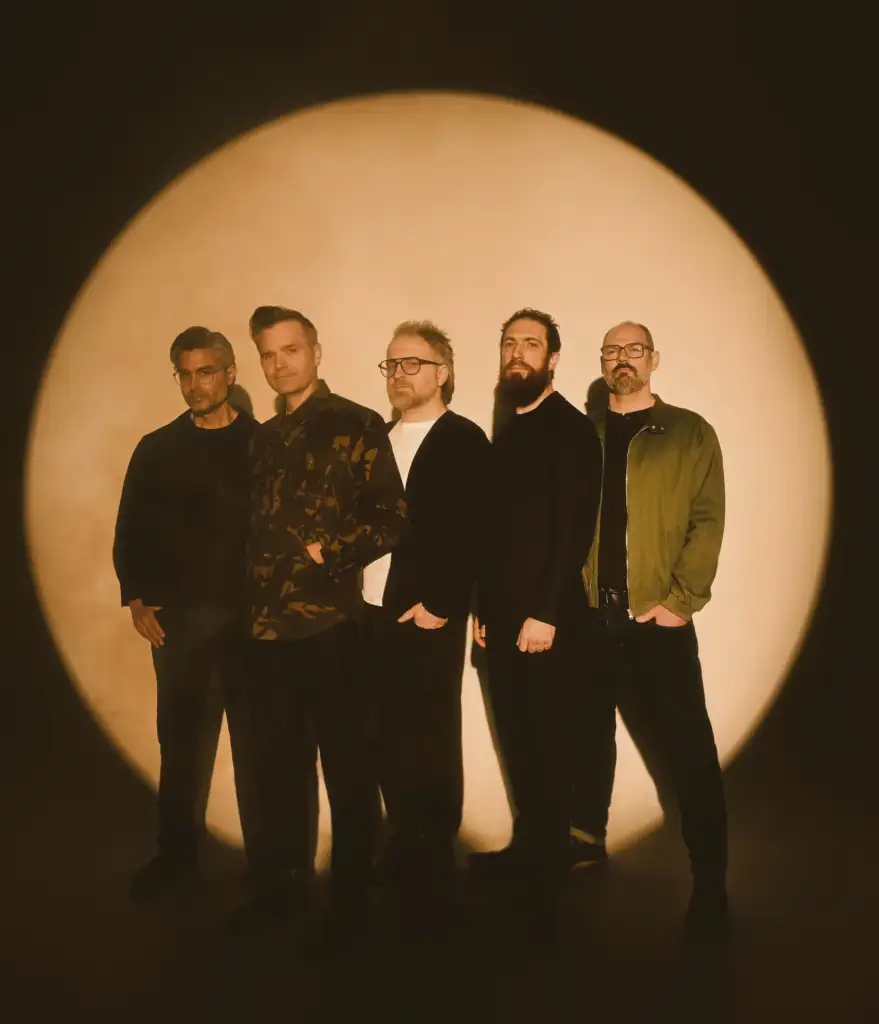
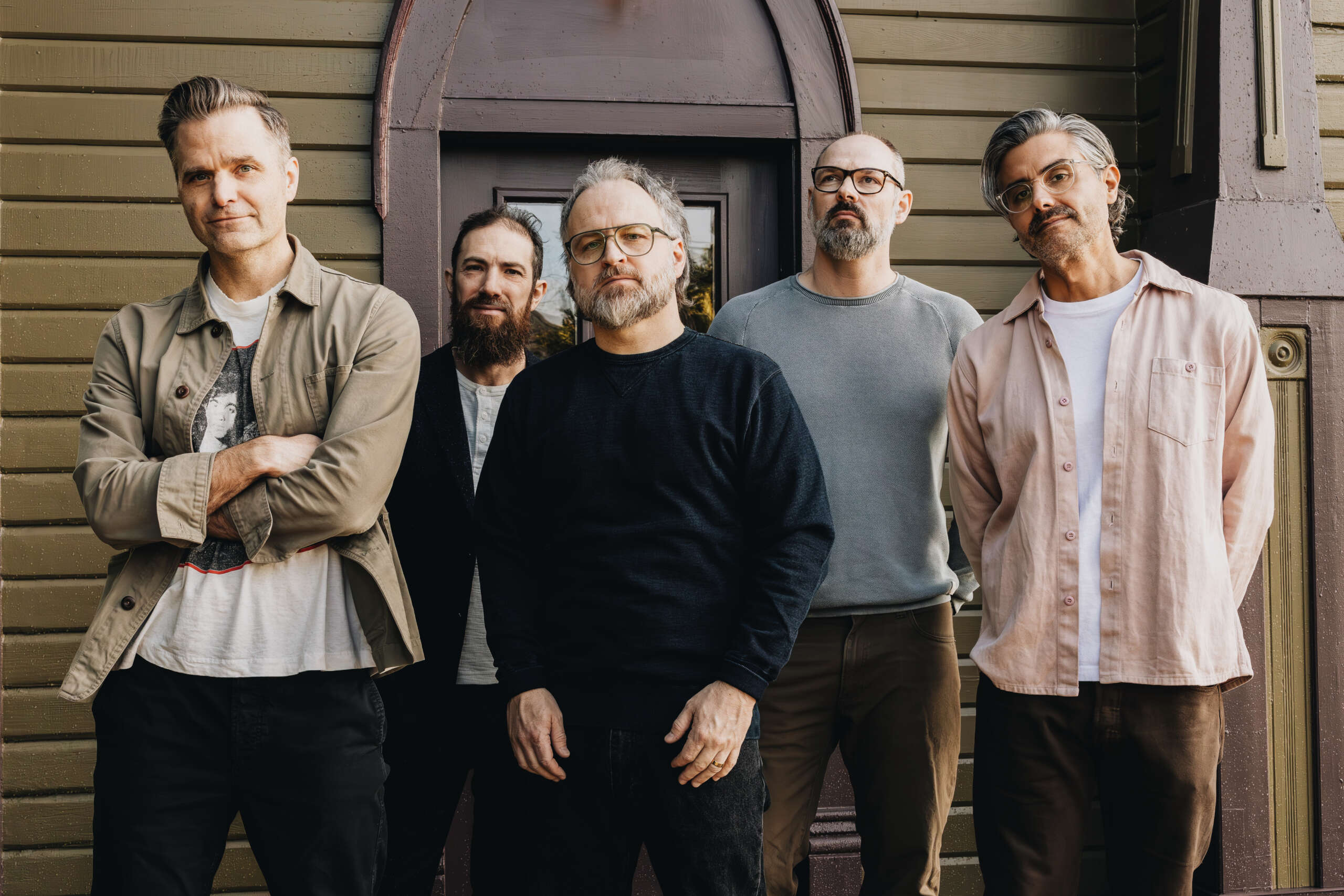
Photo of by Shervin Lainez.

Harmer says that Gibbard’s lyrics are just a continuation of his life and what matters to him. There is a natural evolution in the lyricism because, like many musicians, you’re constantly growing and changing as a person.

But for Harmer, the same emotional honesty applies to his role as a bassist and songwriter. One song on the new album, “How Heavenly A State,” grew out of what he called a failed writing experiment—and a pretty honest mood.

“I got really angry and upset with myself,” he said. “I was feeling angry and frustrated about life, and I decided I’m going to channel some of that aggression and frustration into a bass part and a skeleton of a song and see if the rest of the guys can react to it.”

In the past, Harmer said, he might have second-guessed bringing that kind of energy into a Death Cab song.

“We’re not necessarily a band that people go to for negative feelings around frustration and anger,” he said. “It’s more about sadness and melancholy a lot of times in our music. But I decided it was OK to be honest about how I was feeling emotionally.”

That honesty shifted as the song moved through the band. Guitarist Dave Depper helped flesh out the music, while Gibbard found something different inside it.

If I Built You A Tower represents a new creative chapter; the move to ANTI- Records marks a new professional one. Death Cab’s relationship with Atlantic Records was long, successful and, according to Harmer, more artist-friendly than many might assume.

Harmer states that the new label has left the band to their own devices and that there was never any real tension between them and the record executives. And that made the transition to ANTI- less about regaining creative control and more about new energy.

“ANTI- doesn’t have any interest in changing the way we work,” Harmer said. “They are very much an artist-friendly label. The main difference is we suddenly have an office full of new relationships to build, new excitement, new energy, and new ideas.”

That fresh momentum has carried into the tour.
Photo by Shervin Lainez.

“Making a new album is never complete until we get a chance to tour it,” he said. “The live show is the complement and the counter to the recording and the studio time. Until we get to play shows, the universe feels out of balance to me.”

Do not expect the band to play the entire new album front to back every night. Instead, Harmer said the group will fold select new songs into a catalog that now stretches across decades. For him and the band, one of the most exciting things is figuring out which new songs fit with the larger body of work they have compiled over the years.

And that is no small task when the band has so many albums to pull from. Harmer said Gibbard handles the setlists and keeps a running spreadsheet of shows, songs, and cities going back roughly 20 years.

“When we get to Raleigh, he’ll look back at the last two or three times we played there and see what our setlists looked like,” Harmer said. “He makes sure we’re not overly repeating ourselves.”

North Carolina also carries its own history for the band. Harmer said Death Cab formed early friendships in Carrboro, back when touring meant crashing on floors rather than checking into hotels.

“We were lucky to connect with a group of amazing people in Carrboro,” he said. “Our earliest tours, we were sleeping on their floors when we couldn’t afford hotels. As we’ve grown, they’ve continued to come out and see us, and our friendships have stayed intact.”

Death Cab for Cutie's latest release, "I Built You A Tower," was released on June 5

Those relationships, he said, are part of what keeps touring meaningful.

We get to come into cities we wouldn’t normally get to visit on vacation, and we’re there for work, but we get to see friends face to face. Without that piece, I think it would be a grind.”
The Raleigh show also brings Japanese Breakfast to the bill, a pairing Harmer said was no accident. Death Cab chooses its own support acts, building lists of artists they admire and want to spend time around.

Harmer says that the band always selects the bands that are hitting the road with them. “We want to make sure we’re on the road with people we enjoy being around, who are fun and are also ripping musicians who inspire us every night to play.”

That sense of community—between bandmates, openers, crew, longtime friends and fans—is a big part of why Death Cab for Cutie still feels alive in 2026. Not preserved. Not nostalgic. Alive.

The fans have grown up. The band has grown up. The songs have aged with them.

And on July 22 in Raleigh, another chapter gets played out loud.
From local stages and gallery walls to the artists and performers bringing them to life, click here to explore more of Midtown’s Arts coverage.

© 2008-2025 Midtown magazine, LLC. All rights reserved. Copyright applies to all pages on this website. | Privacy Policy

By Dathan Kazsuk

For almost three decades, Death Cab for Cutie has been the kind of band people grow up with, even when they do not realize they are doing so.

The songs have scored college dorm rooms, first apartments, breakups, weddings, late-night headphones, and the quiet moments when the world around you gets a little too loud.

Now, Death Cab for Cutie is entering another chapter.

The band’s 11th studio album, I Built You A Tower, arrived June 5 on ANTI Records, marking a return to independent-label territory after two decades with Atlantic Records. The move also comes as the band heads back out on the road for its summer tour, which brings Death Cab for Cutie to Raleigh on Wednesday, July 22, at Coastal Credit Union Music Park at Walnut Creek with Japanese Breakfast as the opening act.

For bassist Nick Harmer, the new record does not feel like a reinvention as much as a continuation. Death Cab for Cutie has changed over the years, of course. So have its listeners.

“I think we are always trying to keep in front of us what we’re good at as a band and what people want from us as a band,” Harmer said. “There is just a natural sound that comes out of the five of us when we’re playing music in a room together.”

That sound, he said, is something the band tries not to overthink or overwork. But staying true to yourself does not mean staying still.

“We also like to try and push ourselves as musicians and as creative people,” Harmer said. “We don’t want to just repeat ourselves or get stuck in any creative cul-de-sacs that we can’t get out of. It’s a delicate balance.”

That balance has always been part of Death Cab’s appeal. The songs feel familiar without feeling frozen in time. Much of that comes from Ben Gibbard’s writing, which Harmer described as deeply tied to the singer’s own life, observations and emotional landscape.

Photo of by Shervin Lainez.

Harmer says that Gibbard’s lyrics are just a continuation of his life and what matters to him. There is a natural evolution in the lyricism because, like many musicians, you’re constantly growing and changing as a person.

But for Harmer, the same emotional honesty applies to his role as a bassist and songwriter. One song on the new album, “How Heavenly A State,” grew out of what he called a failed writing experiment—and a pretty honest mood.

“I got really angry and upset with myself,” he said. “I was feeling angry and frustrated about life, and I decided I’m going to channel some of that aggression and frustration into a bass part and a skeleton of a song and see if the rest of the guys can react to it.”

In the past, Harmer said, he might have second-guessed bringing that kind of energy into a Death Cab song.

“We’re not necessarily a band that people go to for negative feelings around frustration and anger,” he said. “It’s more about sadness and melancholy a lot of times in our music. But I decided it was OK to be honest about how I was feeling emotionally.”

That honesty shifted as the song moved through the band. Guitarist Dave Depper helped flesh out the music, while Gibbard found something different inside it.

If I Built You A Tower represents a new creative chapter; the move to ANTI- Records marks a new professional one. Death Cab’s relationship with Atlantic Records was long, successful and, according to Harmer, more artist-friendly than many might assume.

Harmer states that the new label has left the band to their own devices and that there was never any real tension between them and the record executives. And that made the transition to ANTI- less about regaining creative control and more about new energy.

“ANTI- doesn’t have any interest in changing the way we work,” Harmer said. “They are very much an artist-friendly label. The main difference is we suddenly have an office full of new relationships to build, new excitement, new energy, and new ideas.”

That fresh momentum has carried into the tour.

Photo by Shervin Lainez.

“Making a new album is never complete until we get a chance to tour it,” he said. “The live show is the complement and the counter to the recording and the studio time. Until we get to play shows, the universe feels out of balance to me.”

Do not expect the band to play the entire new album front to back every night. Instead, Harmer said the group will fold select new songs into a catalog that now stretches across decades. For him and the band, one of the most exciting things is figuring out which new songs fit with the larger body of work they have compiled over the years.

And that is no small task when the band has so many albums to pull from. Harmer said Gibbard handles the setlists and keeps a running spreadsheet of shows, songs, and cities going back roughly 20 years.

“When we get to Raleigh, he’ll look back at the last two or three times we played there and see what our setlists looked like,” Harmer said. “He makes sure we’re not overly repeating ourselves.”

North Carolina also carries its own history for the band. Harmer said Death Cab formed early friendships in Carrboro, back when touring meant crashing on floors rather than checking into hotels.

“We were lucky to connect with a group of amazing people in Carrboro,” he said. “Our earliest tours, we were sleeping on their floors when we couldn’t afford hotels. As we’ve grown, they’ve continued to come out and see us, and our friendships have stayed intact.”

Death Cab for Cutie's latest release, "I Built You A Tower," was released on June 5

Those relationships, he said, are part of what keeps touring meaningful.

We get to come into cities we wouldn’t normally get to visit on vacation, and we’re there for work, but we get to see friends face to face. Without that piece, I think it would be a grind.”
The Raleigh show also brings Japanese Breakfast to the bill, a pairing Harmer said was no accident. Death Cab chooses its own support acts, building lists of artists they admire and want to spend time around.

Harmer says that the band always selects the bands that are hitting the road with them. “We want to make sure we’re on the road with people we enjoy being around, who are fun and are also ripping musicians who inspire us every night to play.”

That sense of community—between bandmates, openers, crew, longtime friends and fans—is a big part of why Death Cab for Cutie still feels alive in 2026. Not preserved. Not nostalgic. Alive.

The fans have grown up. The band has grown up. The songs have aged with them.

And on July 22 in Raleigh, another chapter gets played out loud.
From local stages and gallery walls to the artists and performers bringing them to life, click here to explore more of Midtown’s Arts coverage.

This Pop-up Is Included in the Theme
Best Choice for Creatives
Purchase Now