NORTH CAROLINA BAYS
Jones Lake is a classic Carolina bay, of which North Carolina State Park literature says, “Venture to Jones Lake State Park and view one of the greatest geological mysteries of the eastern United States—the phenomenon of the Carolina bays.”
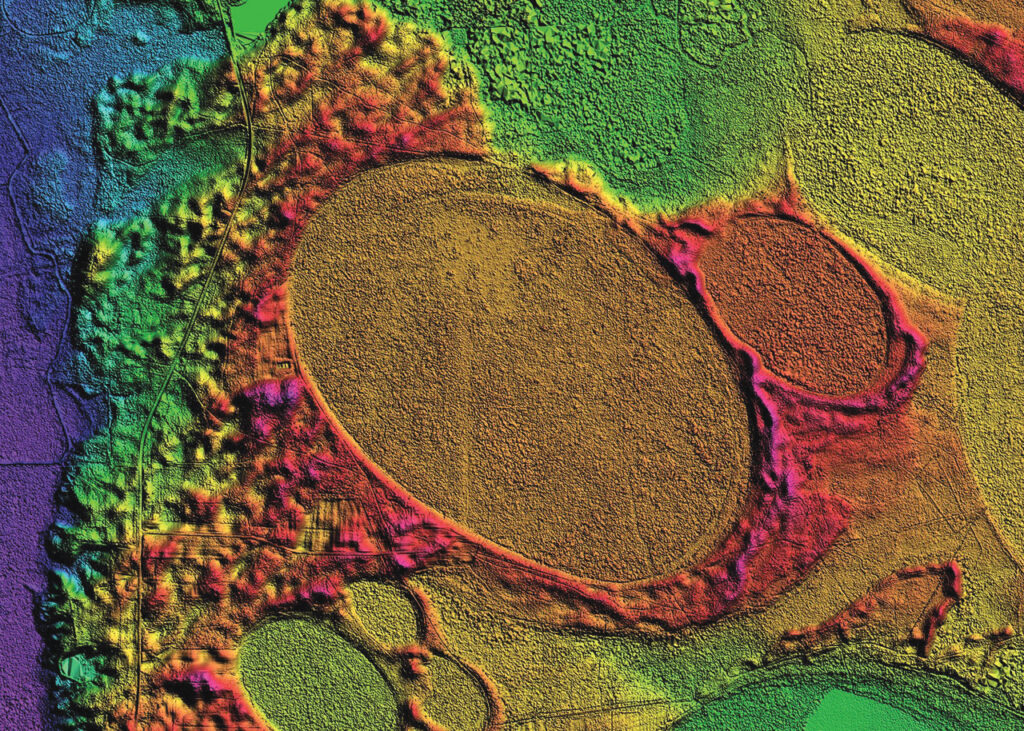
Lake Waccamaw, the largest Carolina bay in the Carolinas, enjoys two other distinctions: It’s spring-fed and forms the headwaters of the Waccamaw River. Native American legend says a bright ball falling from the heavens created it. When you see it on a map, you cannot mistake its elliptical shape. To the casual observer it looks like a man-made reservoir where nice homes fringe its shores.
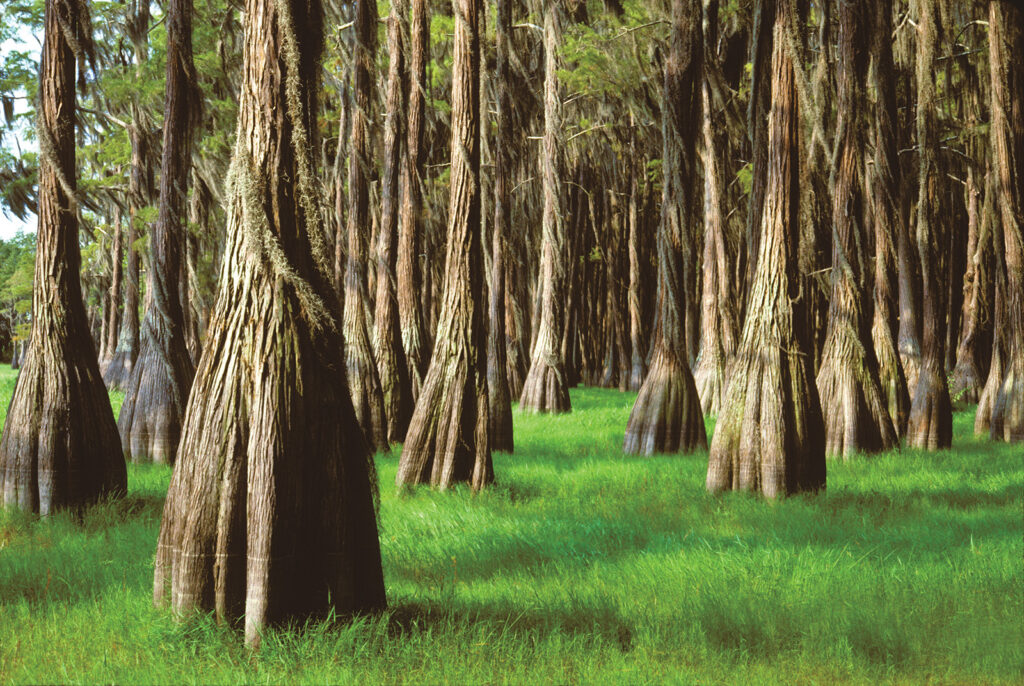
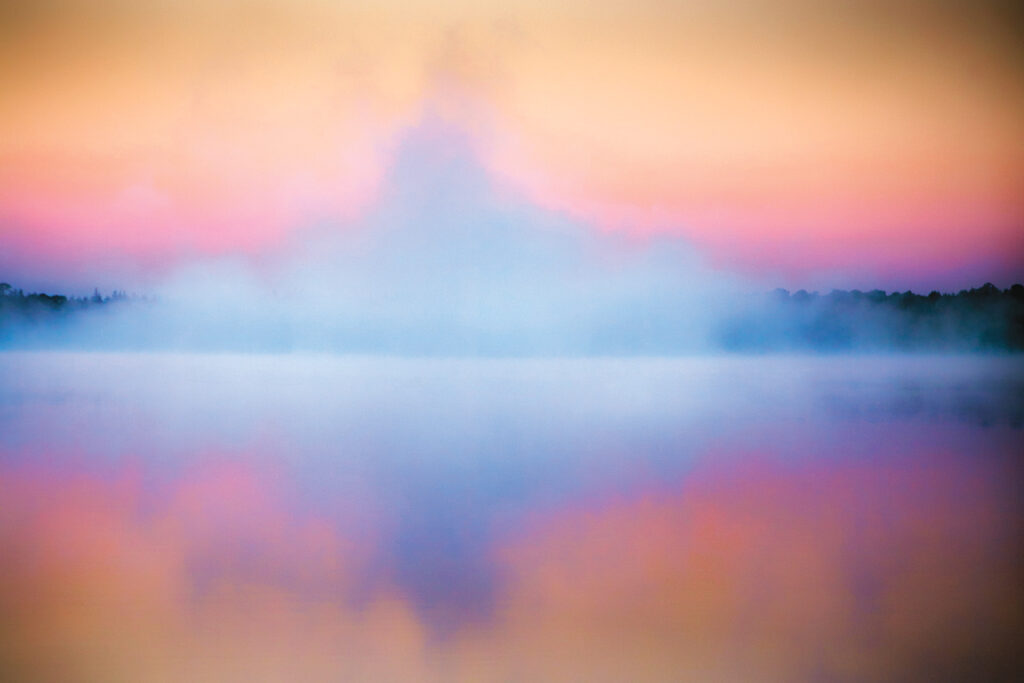
Near Elizabethtown, Singletary Lake lies within the 35,975-acre Bladen Lakes State Forest. This bay, almost 4,000 feet long, features a pier and nature trail. Buttressed cypresses draped with moss stand in the lake here and there, and when fog closes in they become apparitions.
Writers find inspiration in places like Singletary Lake. Heather Ross Miller, a North Carolina writer, lived by Singletary Lake. Her poem, “Thoreau at Night,” contains bay-inspired lines.
“Then—outside! The pond with its white sand and patient scrub of water, back again, back again.”
In an essay, she writes of origin theories. “And the conjecture was that these Carolina bays had been created several ways. By ancient winds sweeping and dipping the sand into these perfect ovals, which then filled with rainwater or swamp springs.”
Maybe Bob Welch referred to a Carolina bay when he wrote Fleetwood Mac’s “Hypnotized” and its “strange, strange pond” in the North Carolina woods. “And if any man’s hand ever made that land, then I think it would’ve showed.” Man’s hand has turned them into soybean fields, highways, golf courses, shopping centers and more. Our protected bays stand as treasures.
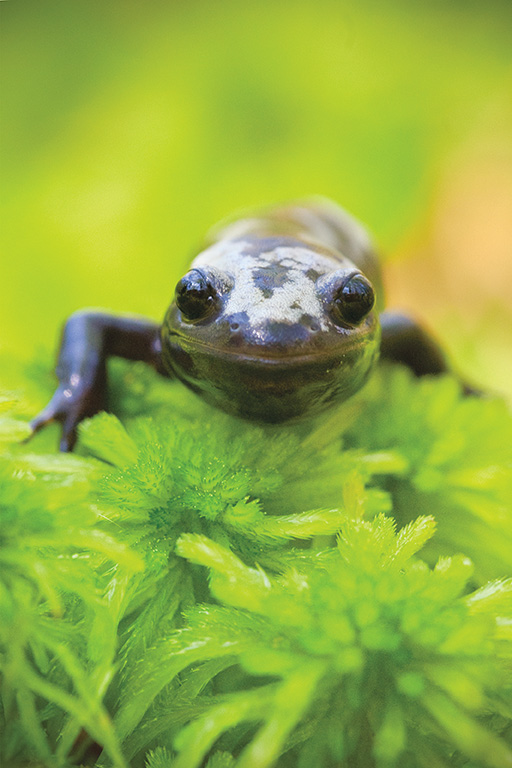
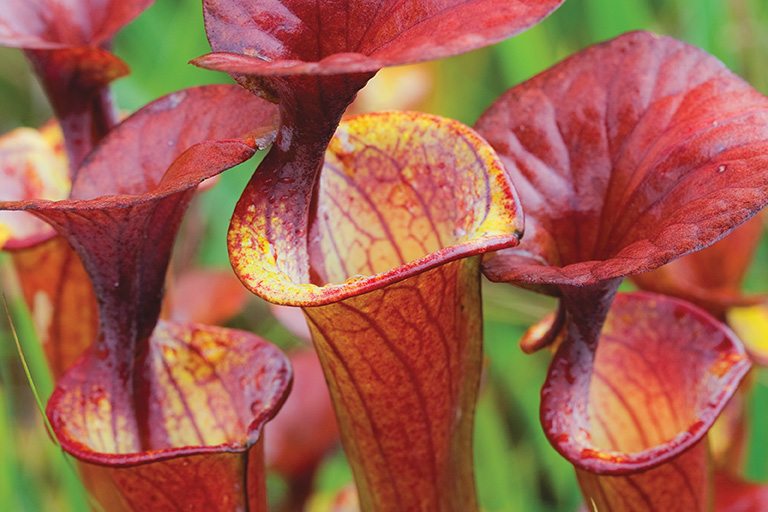
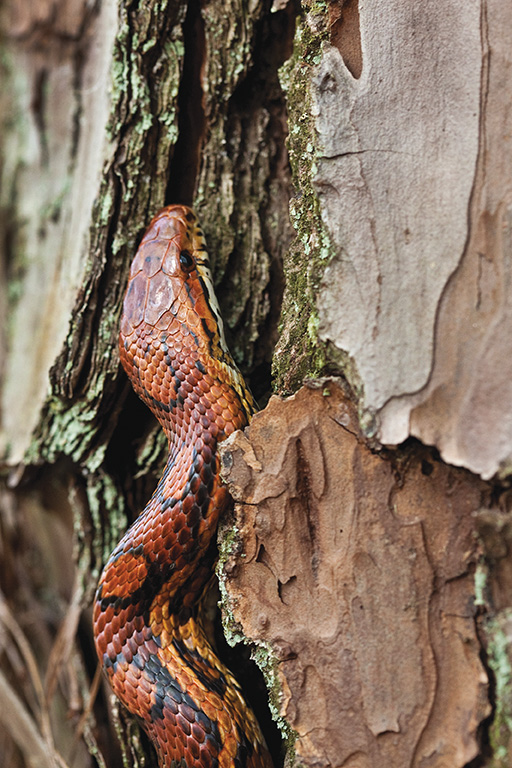
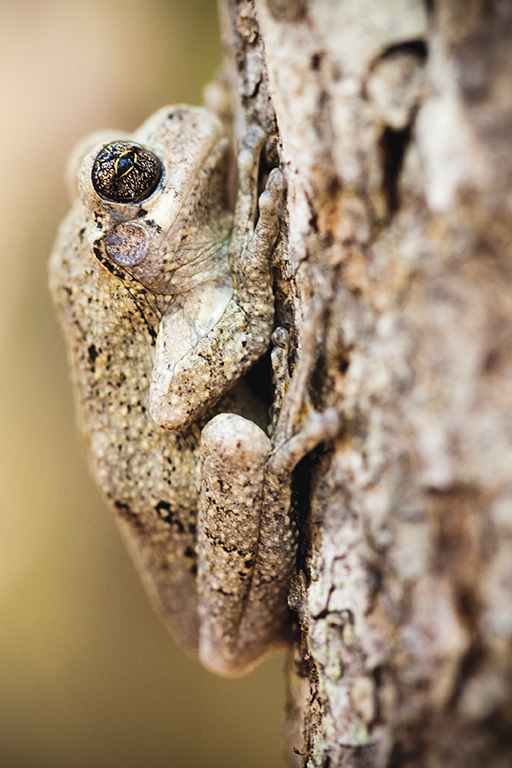
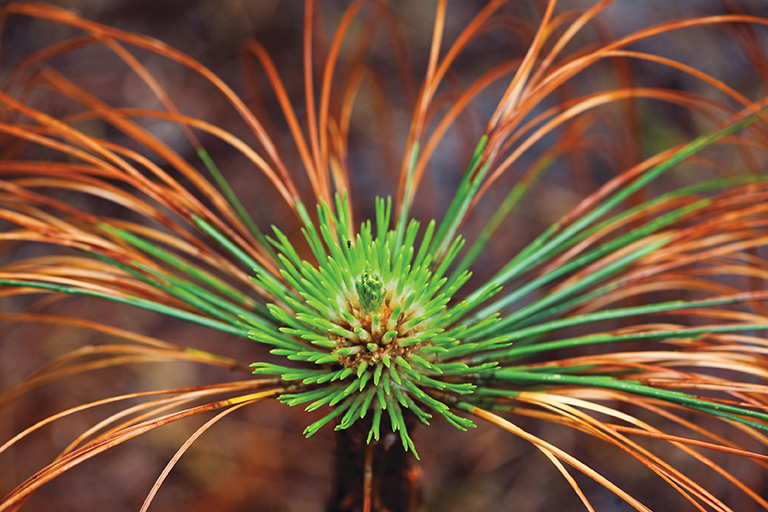
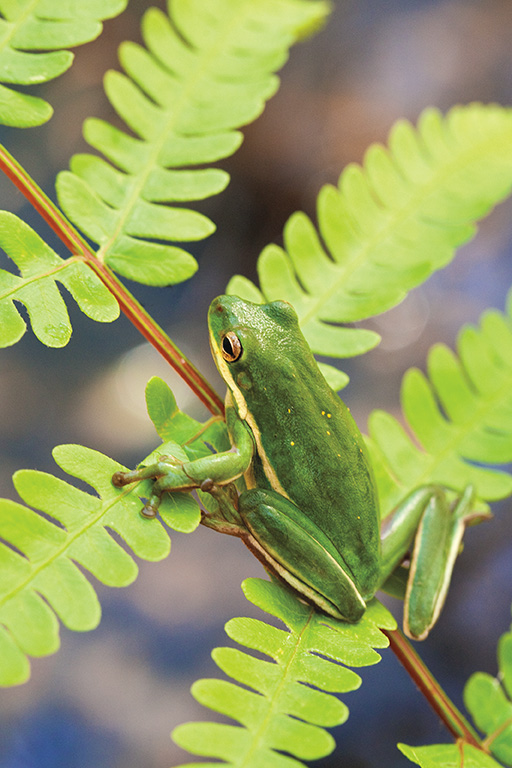
Undisturbed bays quietly do what they’ve always done: control floods, purify water, stockpile carbon and give humankind a place to sort things out. Add clean air, sediment retention and nutrient recycling to the benefits. And something vital: They give us beauty and mystery.
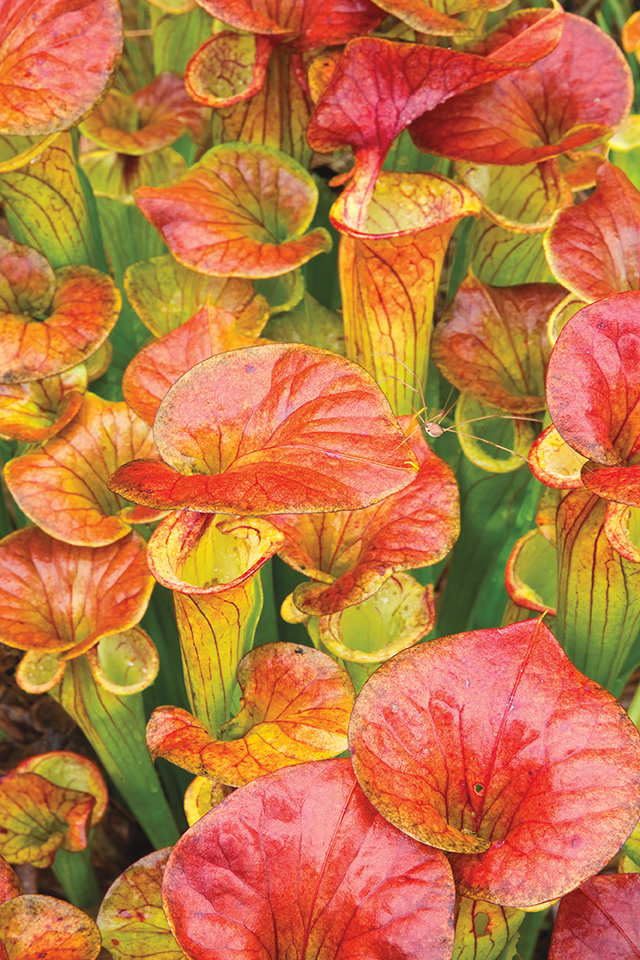
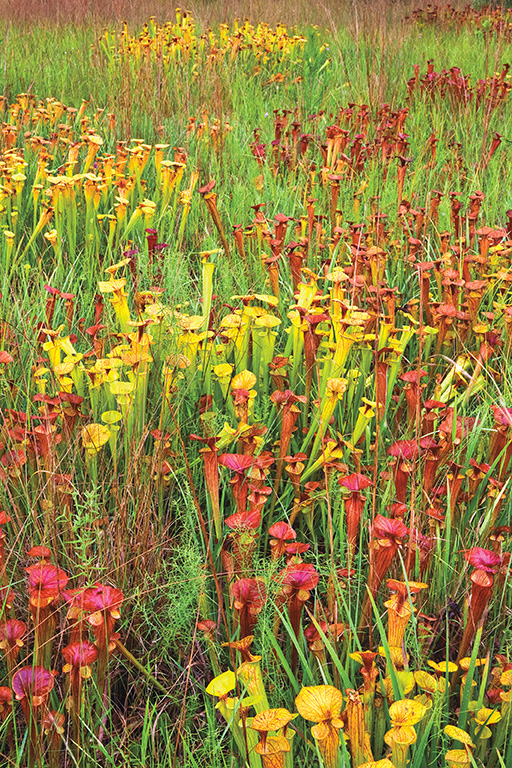
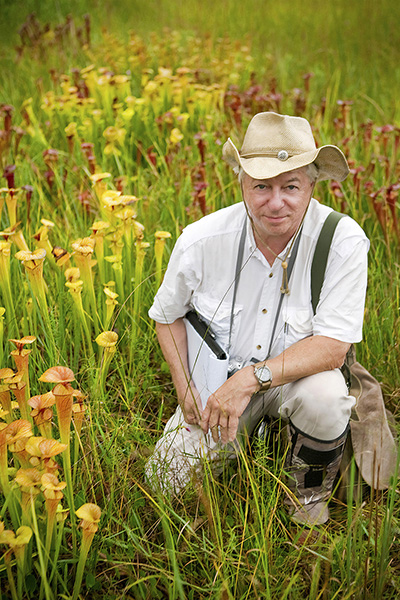
From the early 1980s when I first learned of Carolina bays to today, one thing consistently amazes me: Few people know anything about them. Here’s hoping our populace and leaders in government and industry understand just what a rare and beautiful thing Carolina bays are. I hope people will spread the word as to how Carolina bays serve as wildlife repositories. A pristine or undisturbed bay is a rarity. I hope we see more carnivorous plants and sedges; that the future brings more wildness to our part of the world, and that the mystique of the Carolina bays fascinates future generations.
Friends and I were discussing these strange and beautiful ellipses one night when a fellow broke into our conversation. He seemed knowledgeable. “Those bays are beautiful sure enough. Grew up next to one.”
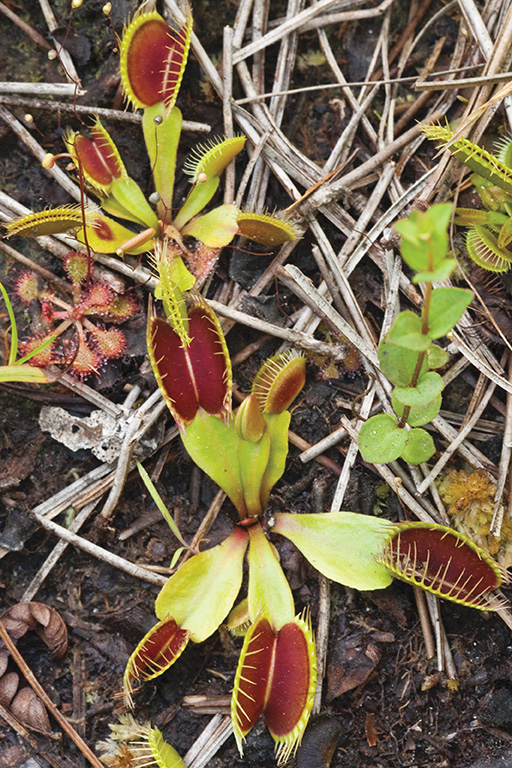
Then this. “Meteorites really did create them, you know,” he said. “Venus flytraps prove it. A plant like that had to come from outer space.”