By Dathan Kazsuk | With NA cocktails booming and THC seltzers going mainstream, Dry January is no longer a fad, but the front line of a cultural shift…
By Lisa Lee | Discover how post-hospital senior care is evolving—and why choosing providers that offer continuity across the care continuum leads to better outcomes.
January 16–19 Dreamfest Cultural Arts Celebration Various locations, Cary carync.gov Cary’s annual celebration of the life and legacy of Dr. Martin Luther King Jr. kicks off with a weekend of…
By Jenny McClendon | Staying active isn’t just for the young; it’s one of the most powerful ways seniors can protect their health, independence, and overall quality of…
By Kyle Marie McMahon | The holiday season often feels like a nutritional minefield, with families struggling to balance joyous celebration with the pressure of sensible eating.
By Dathan Kazsuk | As we close out another year of indulgence, holiday parties, and extra helpings of mashed potatoes, it’s only natural that our thoughts turn to…
By Kurt Dusterberg | Photos Courtesy of Mega Workout | For many of us, the holidays are the busiest time of the year. We’re pulled in different directions for…
By Kyle Marie McMahon For Breast Cancer Awareness Month, we are sharing a powerful local story that underscores the importance of proactive health decisions and a physician’s intuition. When Kimberly…
Are you considering breast surgery and wondering whether implants or a lift are right for you? This is a popular concern from patients at Tannan Plastic Surgery, especially as factors like…
| By Dathan Kazsuk | Raleigh’s newest plastic surgery practice isn’t just about aesthetics—it’s about artistry, restoration, and a sense of family. At the helm is Dr. Heather Levites, who…
BY SAMANTHA GRATTON
When you arrive at Lavender Oaks Farm, you’ll be charmed before you ever step inside or begin to wander the grounds. The fields of lavender surrounding the historic…
BY ELIZABETH BRIGNAC
Noticing itchier eyes than usual for this time of year? Sniffles? Sinus headaches? Has your partner or roommate been complaining that you’re snoring?
If so, take comfort in knowing…
Bariatric Surgery: My Personal Journey
BY ELIZABETH BRIGNAC
After decades of dieting, exercising, therapy and adopting a lifestyle-changing, can-do attitude, I accepted that I was running out of energy to continue the…
Horses Healing Hearts Equine-assisted therapy benefits all participants BY JANICE LEWINE Horses possess traits that are unrivaled in the animal kingdom. As prey animals highly attuned to their surroundings, equines…
Menopause and Hormone Therapy: Which Approach is Right for You?
BY ELIZABETH BRIGNAC
At the age of 53, Raleigh attorney Jenny Leisten wakes up 20 times a night due to hot flashes. “It’s…
The Diminishing Role of Primary Care
Causes, Consequences and Cures
BY KRISTEN SCHRUM
According to a recent KFF Health News article by Elisabeth Rosenthal, “The Shrinking Number of Primary Care Physicians Is Reaching…
...to keep your child engaged over the summer
BY JANICE LEWINE
Summer is in full swing, which means plenty of sun and fun. While these lazy days offer endless playtime for kids,…
BY KURT DUSTERBERG
Ryan Dailey was thinking ahead, even before his first child was born. The PGA teaching professional knew the golf course provided a good environment in which kids could…
The first bite of a crisp and juicy apple, the warmth of a creamy butternut squash soup topped with crunchy pepitas, the cozy flavor combination of cinnamon, vanilla, and nutmeg—fresh, seasonal flavors have so much to offer.
If you want to experience the freshest, most flavorful ingredients in your meals, eating what’s in season is the way to do it. Throughout the year, different growing conditions create optimal environments for produce that has just been harvested.
What does eating seasonally actually mean?
Recently harvested produce is fresher, packed with nutrients, and richer in flavor. Eating seasonally means enjoying recently harvested foods as opposed to ingredients that have been grown in another state or country and shipped in. Often, seasonal produce is locally grown, limiting the amount of time it spends getting to a market. While some grocery stores offer local produce, farmers’ markets often have more of a selection.
Eating with the seasons has become quite the buzzword recently, but it’s not a new concept. It wasn’t long ago that ‘seasonal eating’ was simply how people ate. While technological advances and shifts in food production processes have helped increase access to food year-round, many of the flavors and nutritional benefits are lost in transit.
But there’s good news. You don’t have to be a farmer or have a mega garden in your backyard to enjoy the benefits of local, seasonal eating. Luckily, our community is full of farmers who want to share their delicious fruits and vegetables with you.
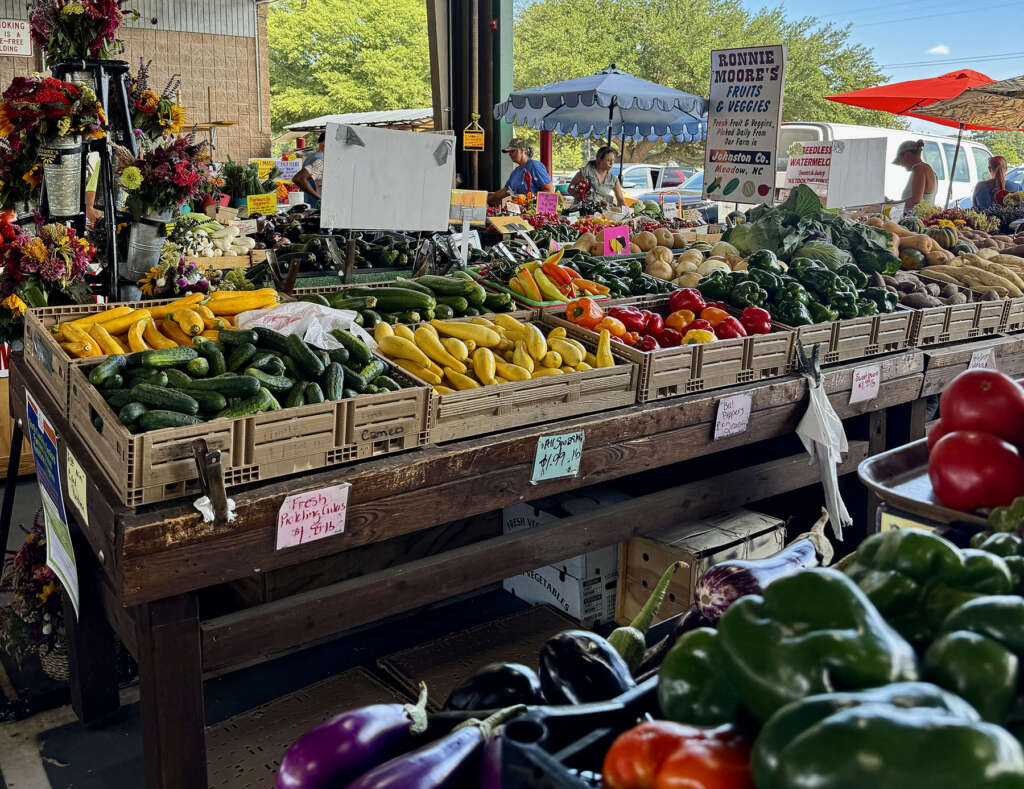
The Farmers' Market in Raleigh. All photos by Grace Barker.
Why does eating seasonally matter?
Fruits and vegetables have certain growing periods, offering different nutritional benefits depending on the time of year that they are grown. Fortunately, these benefits directly line up with what we need most throughout the year. Warming foods are in season during the winter, while cooling foods flourish during the summer. This can help regulate the body’s temperature, allowing it to thrive year-round.
Different times of year offer heartier vegetables like sweet potatoes, carrots, squash, and pears. Made up of complex carbohydrates and fiber, these can support a steady stream of energy to keep the body warm and functioning well.
Eating seasonally is not only good for your health, but for the community as well. By shopping locally, you can support local farmers and stimulate the economy where you work, play, and live. Plus, you can take the opportunity to build new relationships, learning more from the people who are passionate about growing the food we enjoy regularly.
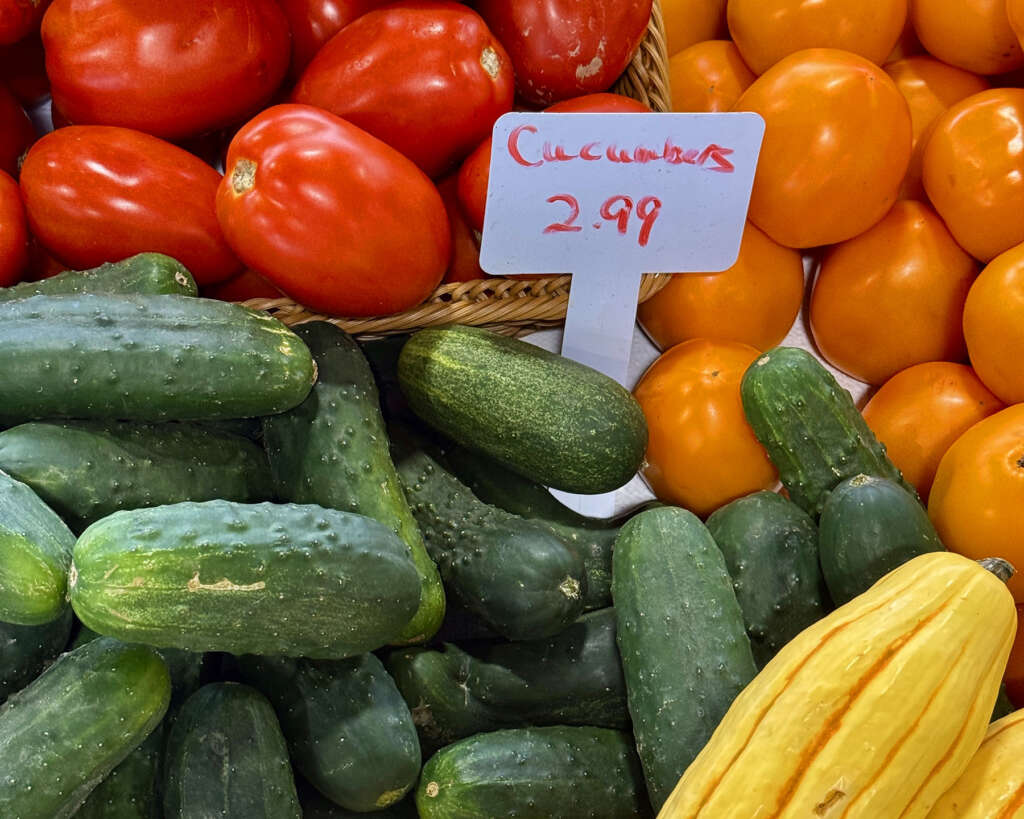
Fresh, locally grown fruits and vegetables are available at many area farmers’ markets.
What if this weekend, you grabbed a list of seasonal produce and planned a trip to your local farmers’ market with family or friends? Many markets have a variety of fresh produce, flowers, honey, meats, and spices, equipping you with everything you need to enjoy a delicious and nourishing meal at home.
From apple crumbles to mixed green salads with fresh pecans or bok choy and cabbage stir-fry, there are so many easy meals you can make with your farmers market finds. Plus, you can enjoy your meal even more knowing that you supported your health and your local community, all because you chose to eat with the seasons. What are you most excited to get at the market this weekend?