Drink up
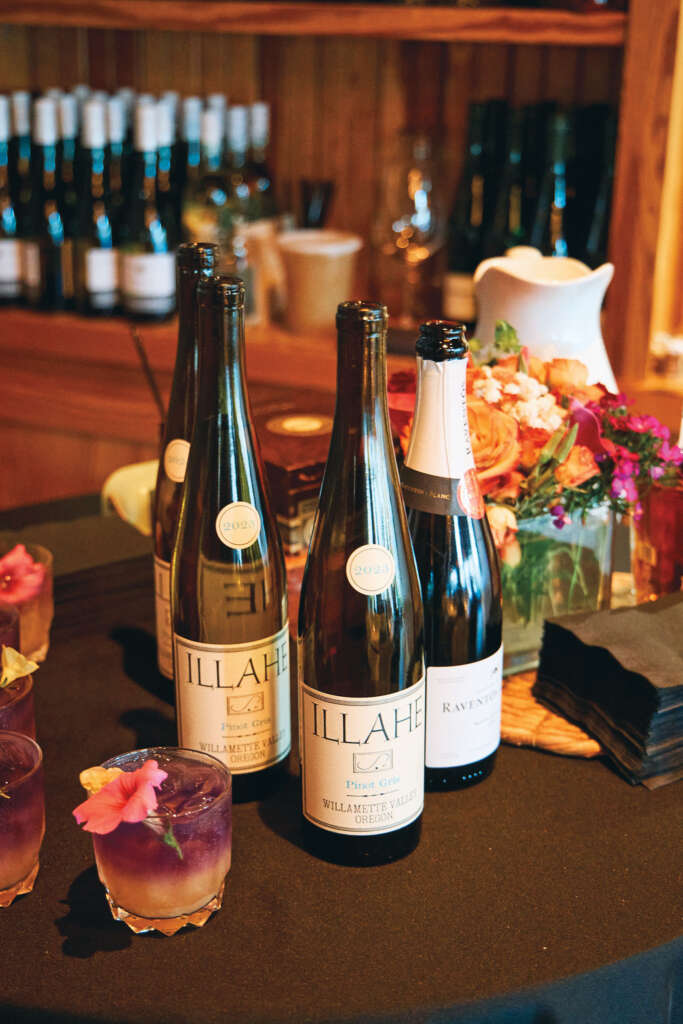
Wine still plays a big role in the weekend, but “it’s not a bacchanal,” Matt says. “Festival founders [Tim Norwood and Frank Chisholm] mandate that the beverage part be as educational as possible.” Micky Finn’s, an alcohol distributor/retailer and the festival’s largest supporter, “fuels a great focus on wine education and ensures we have the best quality of everything,” Matt says.
Ray Isle, the executive wine editor of Food & Wine and wine and spirits editor for Travel + Leisure, has led wine tastings every year since 2022.
It’s rare for a festival this size to have a beverage director, but this one has Sam Tinsley, “a well-known wine expert, importer, and sometime bartender at Apple Annie’s [Deli & Pub], a classic, beloved dive bar in Florence,” Matt says. Another big name attached to the 2026 festival is Danica Patrick, this year’s wine headliner. Best known for her success as a Nascar driver, Patrick is now retired from racing and owns a winery, Somnium, in Napa.
Come hungry
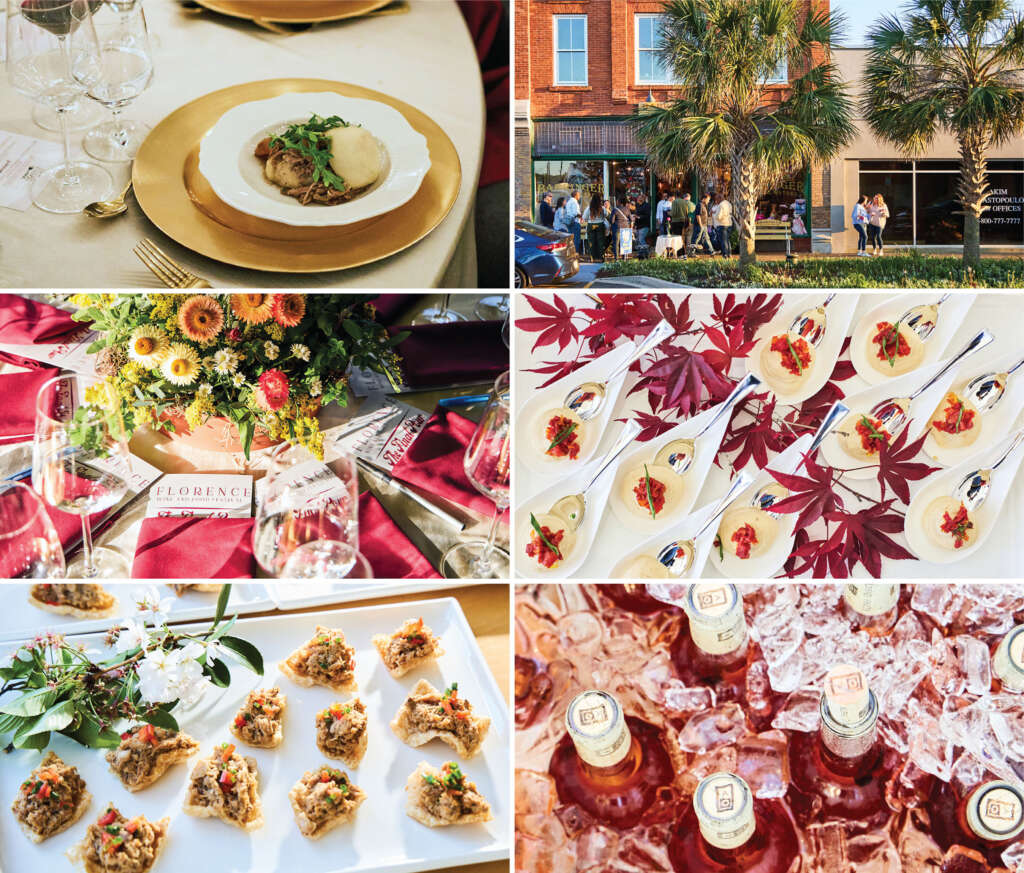
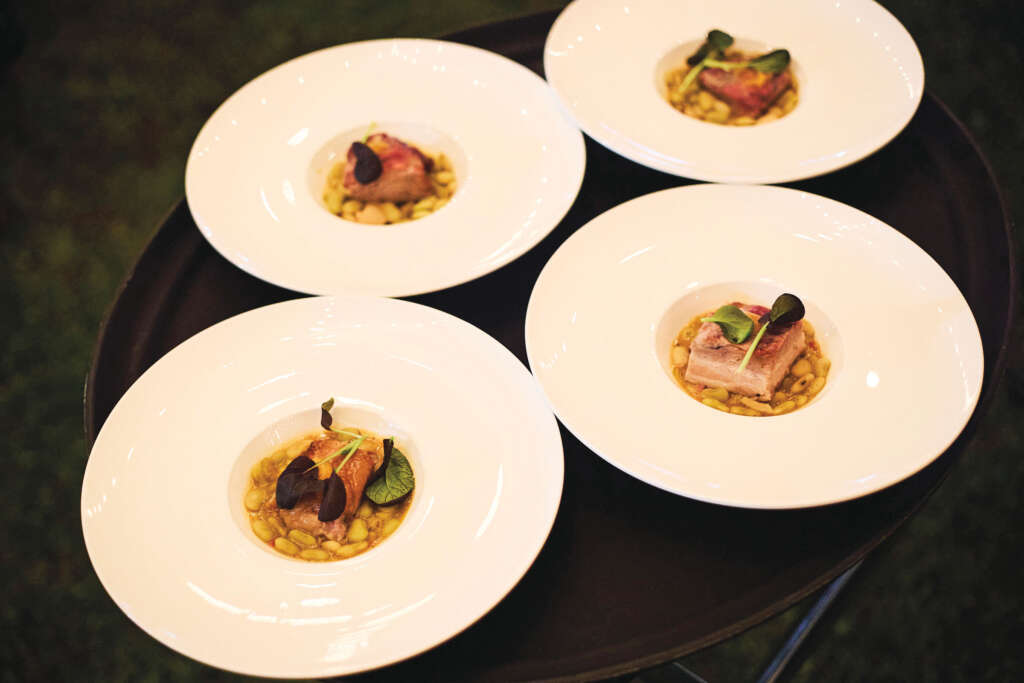
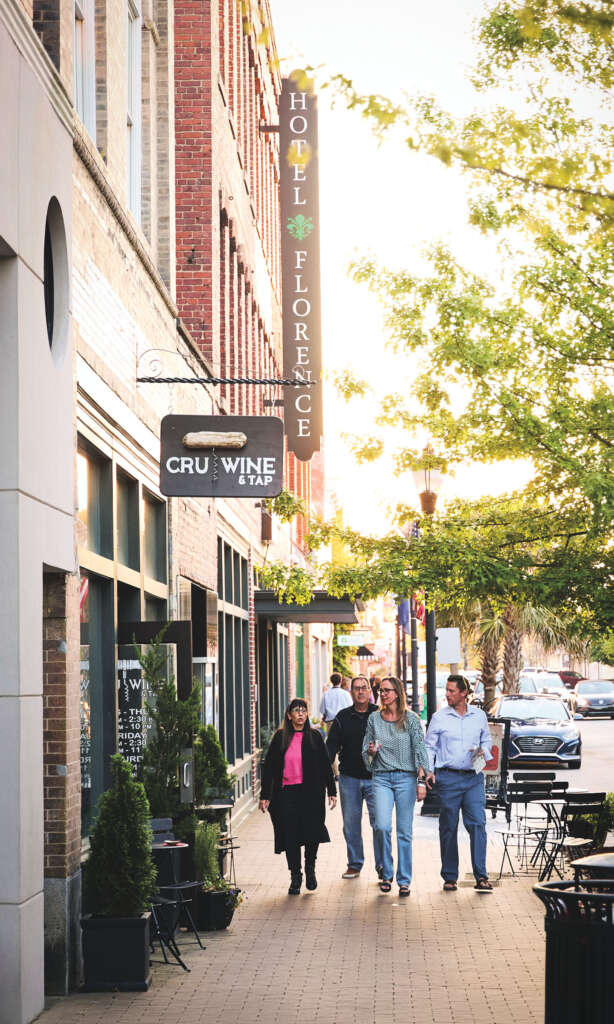
The festival offers plenty of events to choose from, but not so many that you’ll leave exhausted. Meat & Meander, the Thursday evening welcome party, is a movable feast with tasting stations that emphasize outdoor cooking, grilling, smoking, and barbecuing. After Friday’s headliner event, the Sip + Savor Wine Stroll allows you to stroll downtown Florence, popping into boutiques and other retailers for wine and appetizers.
Saturday’s Grand Tasting is what Matt calls “the heart of the festival.” If you can go to only one event, this is it, because, he said, “For a very reasonable price point, you can experience so much—tastings, entertainment, demonstrations, music—it’s all there. And it’s all you can eat and drink over three hours.”
Two downtown hotels—Hotel Florence and Hyatt Place Florence Downtown—make a great home base for your Florence stay and allow you to walk to all of the festival events.
Savor the flavor of the Pee Dee. Learn more and buy tickets for the festival that celebrates Florence’s food scene at florencewineandfood.com.