Skip to content Skip to sidebar Skip to footer

Raleigh’s Picture in My Head Turns Kids’ Art Into Fashion

Picture in My Head Bert Nowell

By Dathan Kazsuk

Children’s artwork often moves from the refrigerator to a storage box. But now, Raleigh entrepreneur Bert Nowell has created another option: turning those drawings and paintings into clothing children can proudly wear.

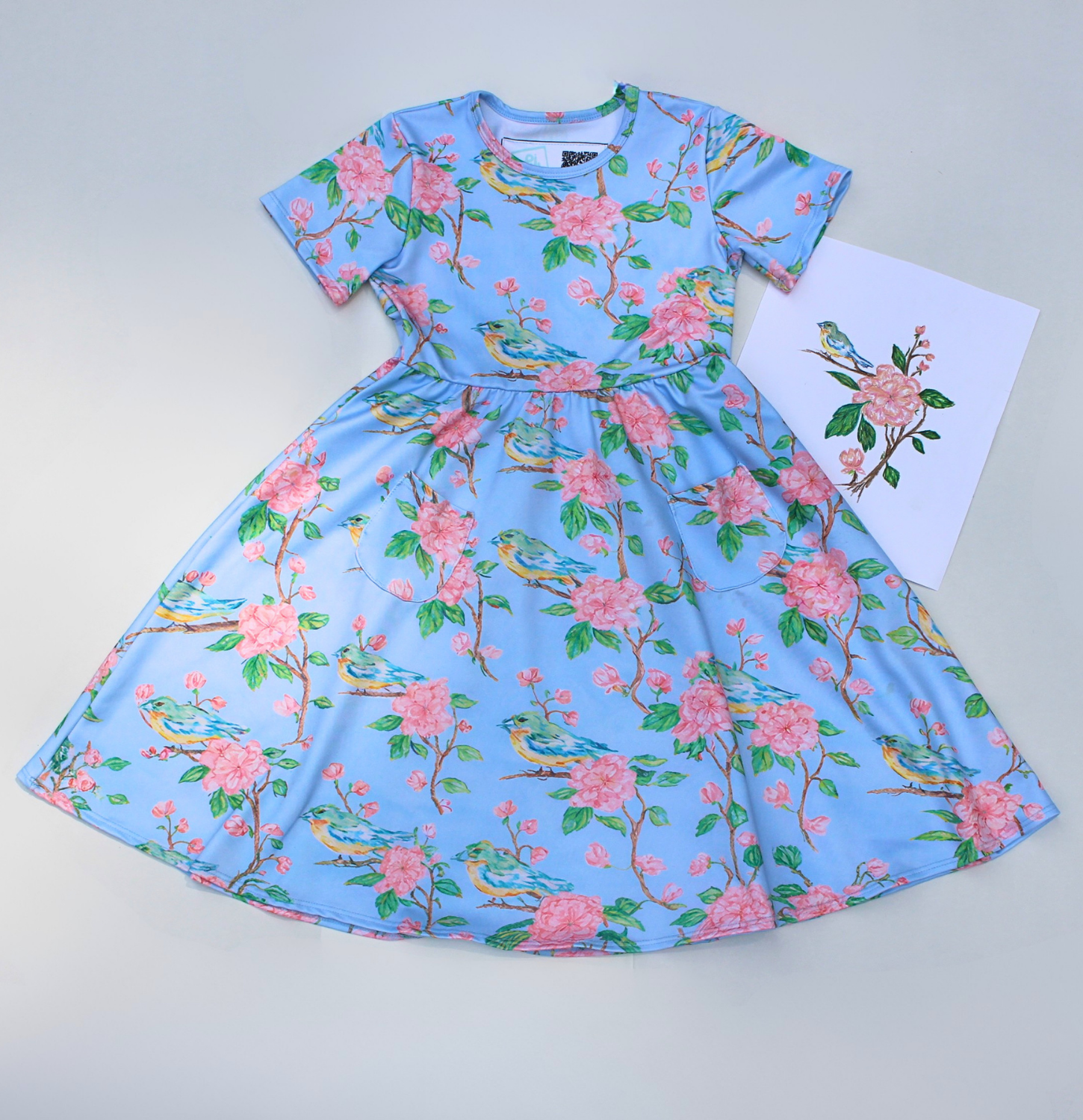
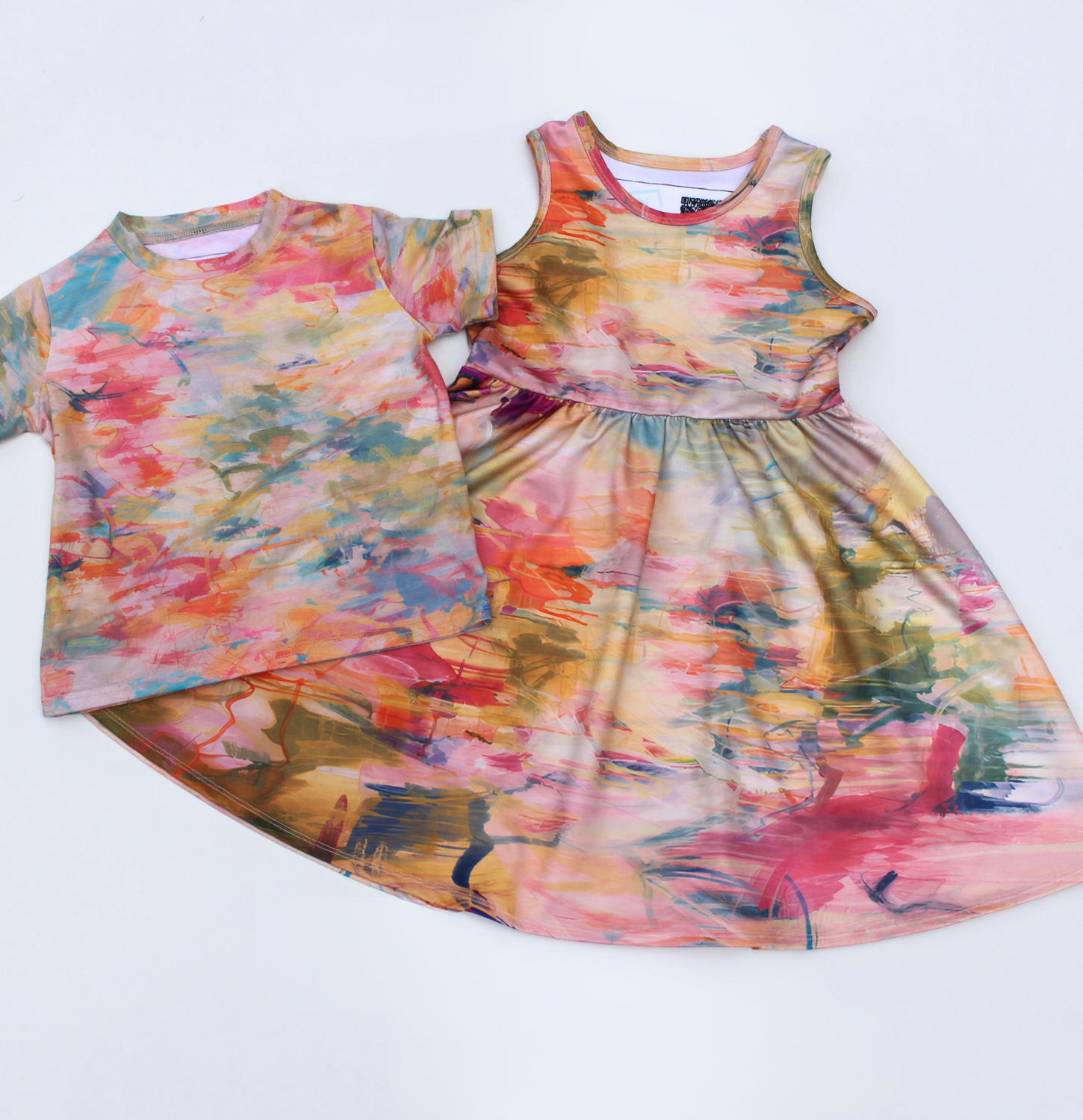
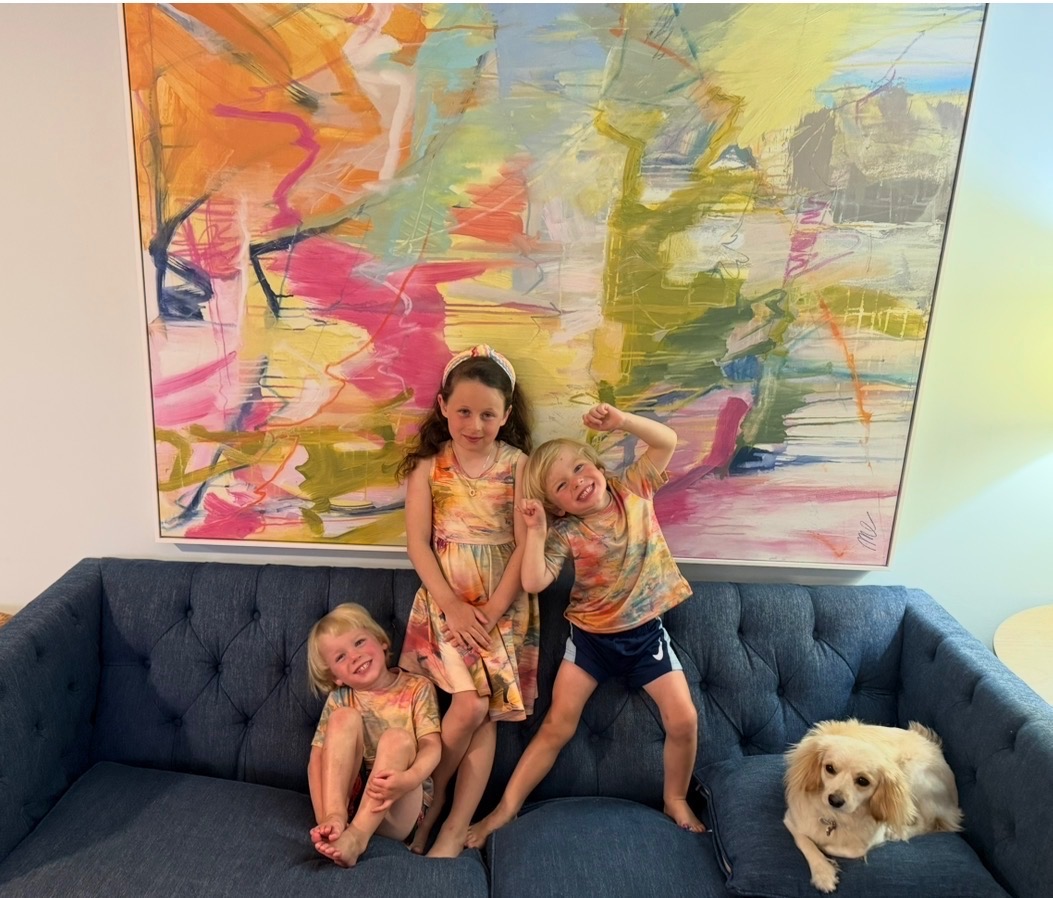
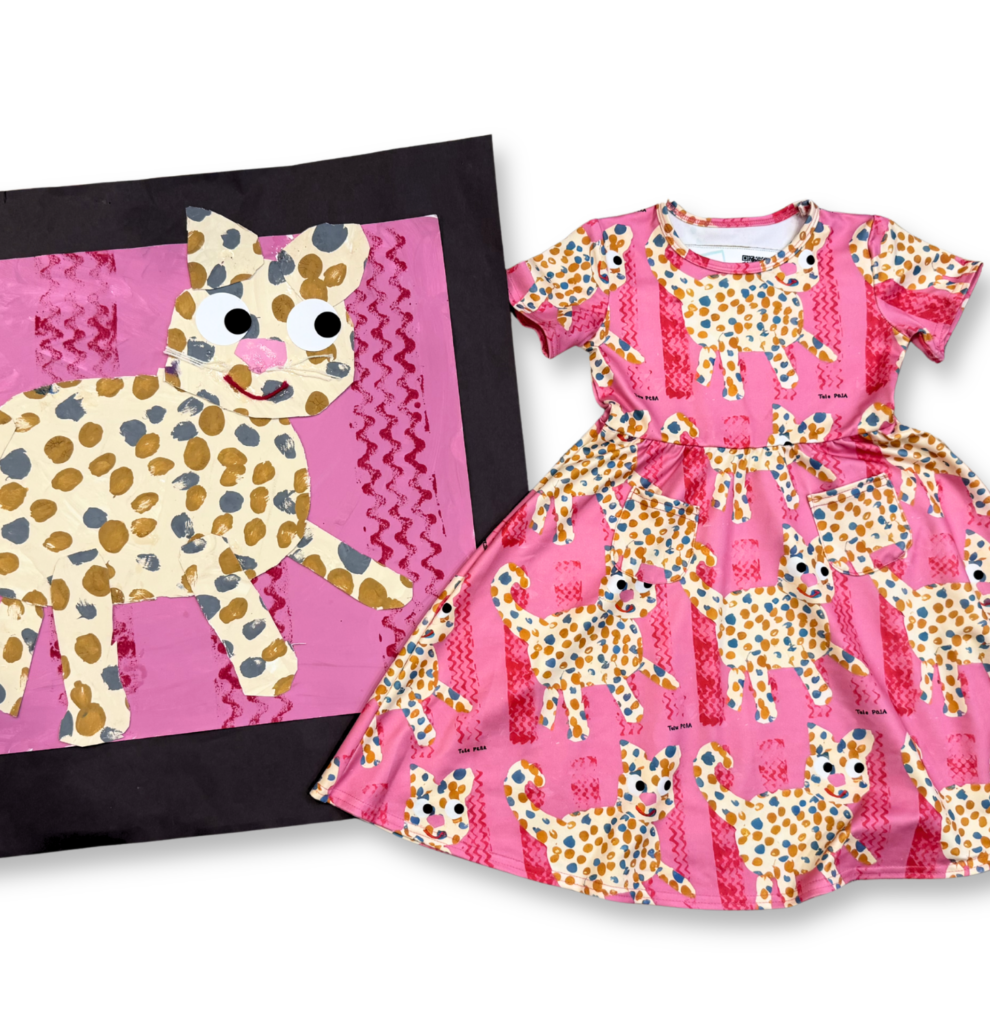
Nowell is the founder of Picture in My Head, or PIMH, a consumer brand that uses digital printing and custom technology to transform your child’s drawings into dresses, shirts, sweatsuits and other apparel. Each piece includes a label naming the child as the artist.

Midtown spoke with Nowell about the inspiration behind the company, how its technology preserves every crayon line and brushstroke, and the confidence children can gain from wearing something they created themselves.

You have an established background in Raleigh commercial real estate. What inspired you to make the unexpected jump into children’s fashion and create Picture in My Head?

The idea was inspired by my children and my love of live music. In April 2025, I attended a music festival near the Hollywood Bowl in Los Angeles. While talking with a friend about our families, I remembered something my daughter Charlotte had said years earlier: “Picture in my head.”

The phrase stayed with me throughout the weekend as I thought about imagination, creativity, and the happiness my family brings me. I’m a businessperson rather than an artist or musician, so I began asking how I could turn something from a child’s imagination into a real product.

Because I was in Hollywood, clothing came to mind. I could picture children’s artwork becoming patterns on dresses, shirts, and other garments. On the flight home, I began researching digital printing and other technology that could make the concept possible. After several weeks of testing and research, I started finding professionals who could help bring it to life.
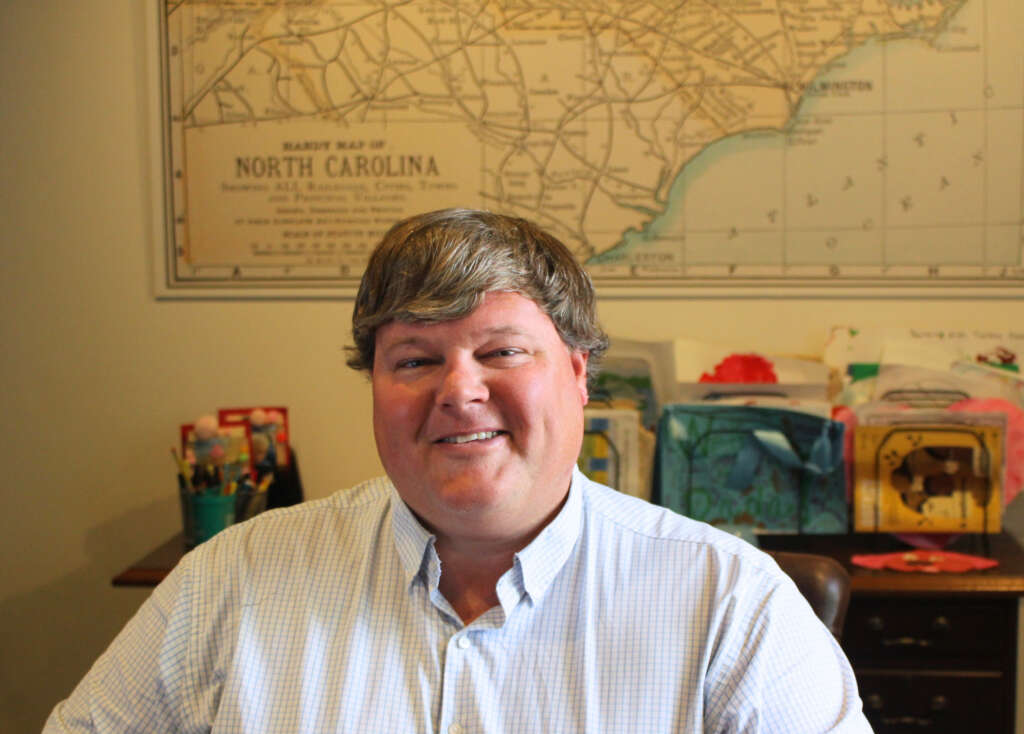
Bert Nowell is the founder of Picture in My Head.

Was there a particular child, drawing, or family experience that first made you think children’s artwork could become something they could actually wear?

There wasn’t one particular piece. It was more of a general vision.

My children often brought home artwork that was messy, abstract, and not necessarily something you would frame. At that age, you don’t expect a Renoir. But even when children create scribbles, rough sketches, glitter collages or colorful pieces covered in glue, they often choose colors that work well together.

I began imagining how those colors and textures could be repeated as patterns and transformed into an interesting dress, shirt, or other garment. When we started testing the app, I went through the piles of artwork at home looking for pieces that could create that effect.

Walk us through the process. How does a drawing on a piece of paper become a finished dress, shirt, or sweatsuit?

The original image can be a drawing, painting, photograph, or digitally edited creation. The concept is really about imagination, not just artwork on paper.

A customer selects a garment in the Picture in My Head gallery and uploads an image. About 10 seconds later, the app creates a three-dimensional mock-up showing the design as a pattern on that garment. Customers can choose an authentic treatment that closely preserves the original or select a more stylized option.

If the customer places an order, our backend technology transforms the mock-up into a high-resolution, two-dimensional sewing pattern. The design is printed onto the fabric, and the individual pieces are cut with an automated laser-cutting machine before the garment is sewn.

Children’s artwork is often imperfect, textured and wonderfully messy. How do you preserve details such as brushstrokes, finger paint, glitter, crayon marks, and uneven lines in the finished garment?

Our backend processing system enlarges the design into a 300-dots-per-inch sewing pattern while continuing to reference the original upload. That allows us to retain the textures and imperfections that make the artwork special.

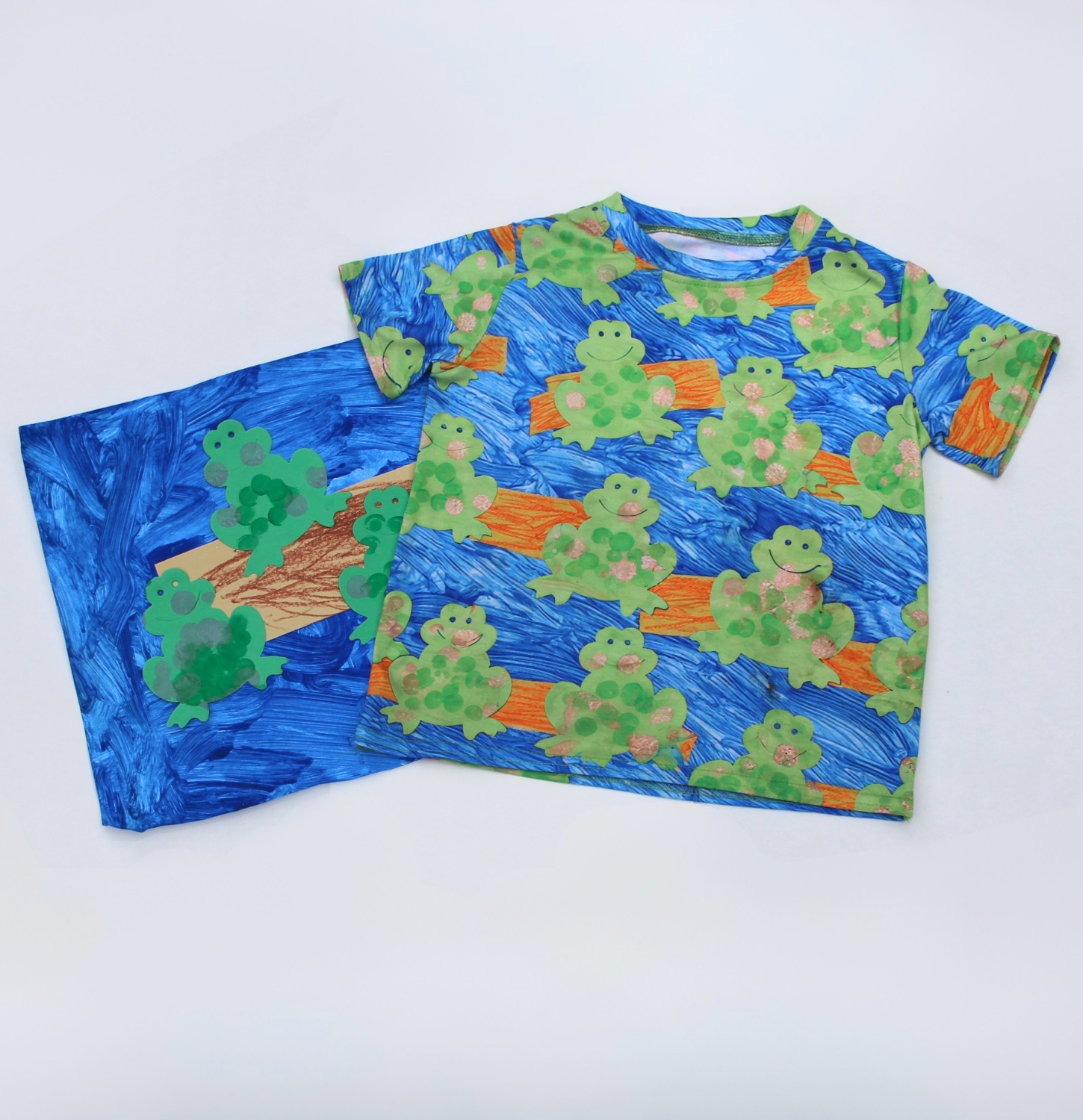
We have produced a dress from artwork painted on popsicle sticks, and the print appears to have the same depth and texture as the original. Another dress came from a multicolored duct-tape collage, preserving the tape’s texture and torn edges. We also have T-shirts that appear to have wet paint on them.

Artificial intelligence is part of the Picture in My Head technology, but you emphasize that the child—not the technology—is the artist. How do you use AI without allowing it to replace or overpower the child’s original creation?

Our base options are designed to remain realistic and authentic. The technology adjusts the image so it works as a pattern on a particular garment while keeping the original artwork recognizable.

For example, a crayon drawing of a heart might become a pattern featuring small, medium, and large versions of that same heart. The system may adjust placement and scale, but the original crayon texture and character remain.

The technology helps present the child’s artwork as fashion. It does not replace the child’s creativity or take authorship away from the artist.

What have children’s reactions been when they first see their artwork transformed into clothing and their name printed on the tag as the artist?

They are so happy. That reaction is at the heart of why Picture in My Head exists.

We want children and parents to experience what I call “that sugar”—the feeling that comes from completing an adventure or creating something meaningful. Because children made the design themselves, we often hear that the garment immediately becomes their favorite.

The label reinforces that the work belongs to them and that they deserve credit. Even very young children who are just learning to read often recognize their own names, which makes seeing the tag especially exciting.
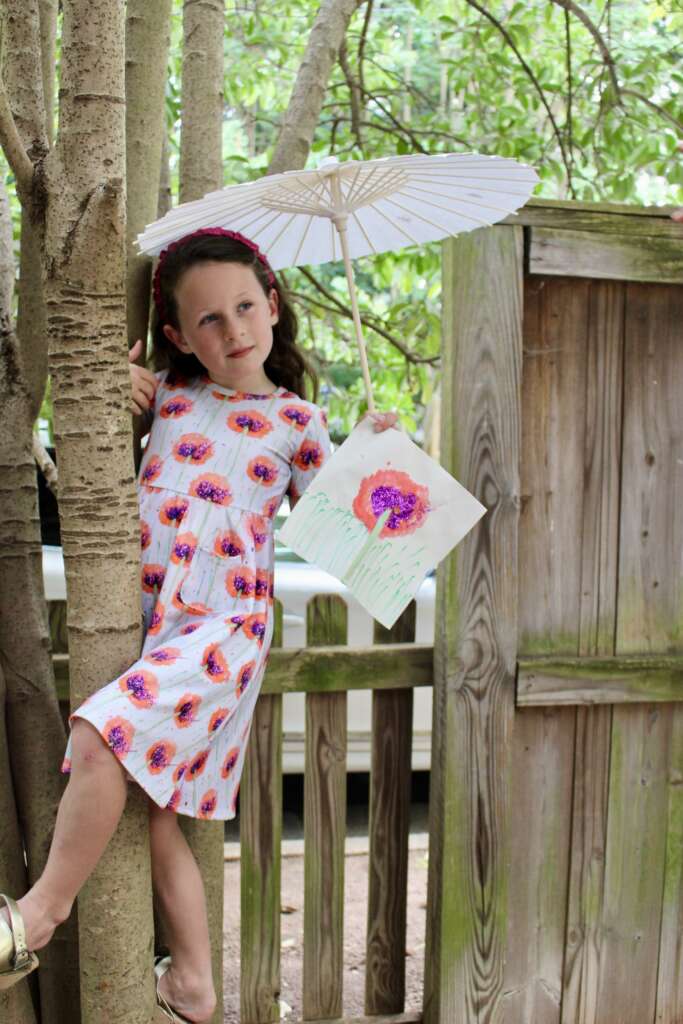
As children prepare to return to school, how can wearing something they created themselves help build confidence, individuality, and pride in their creativity?

Confidence is incredibly important, and these garments are truly one of a kind.

When we launched, my 2-year-old niece in California created several designs. Other parents and nannies began approaching her family at the park because they had never seen outfits like hers. When they learned she had created the designs herself, the clothing became even more meaningful.

Each label also includes a QR code that leads back to the design, allowing it to be reordered in another size. Seeing others admire something they created can provide children with a powerful sense of pride and social reinforcement.

We provide the tools and technology, but the idea and creativity belong to the child.

Parents already have boxes and refrigerators filled with children’s artwork. Why do you believe wearable art can become a more meaningful keepsake than simply storing the original drawing?

Nothing stays alive in the attic, folks. It gets forgotten.

Finding a box of old artwork 30 years later can be a wonderful trip down memory lane, but wearable art allows that creation to remain part of someone’s life. Once we create the pattern, it can be preserved and later applied to other garments.

Picture in My Head garments are printed and sewn in the United States. Why was American production important to you, and what challenges did that create for a young consumer brand?

Domestic production was important because Picture in My Head is a print-to-order concept. We want to deliver custom, all-over prints within a reasonable amount of time, which would be more difficult with overseas production.

To make that possible, we had to develop technology that quickly moves print-ready files to the printer. That innovation helped us produce domestically while maintaining competitive pricing.

The primary challenges were developing the software and finding the right manufacturing partner. Producing in the United States also gives us greater quality control. At this point, our fabric is also knitted in the Los Angeles area.
What is your larger vision for Picture in My Head? Could the concept eventually expand beyond children’s clothing into adult apparel, school partnerships, art programs, or other products?

Expanding into more adult apparel eventually seems logical. We already offer an adult T-shirt.

We also want to partner with schools and camps, support different communities, and introduce technology to students in a way that feels approachable rather than intimidating. Picture in My Head can help children learn about technology while creating something joyful and personal.

The concept could grow in many directions as the technology advances, but we want to remain focused on fabric printing and continue improving what we do rather than moving too far outside our lane.

© 2008-2025 Midtown magazine, LLC. All rights reserved. Copyright applies to all pages on this website. | Privacy Policy

By Dathan Kazsuk

Children’s artwork often moves from the refrigerator to a storage box. But now, Raleigh entrepreneur Bert Nowell has created another option: turning those drawings and paintings into clothing children can proudly wear.

Nowell is the founder of Picture in My Head, or PIMH, a consumer brand that uses digital printing and custom technology to transform your child’s drawings into dresses, shirts, sweatsuits and other apparel. Each piece includes a label naming the child as the artist.

Midtown spoke with Nowell about the inspiration behind the company, how its technology preserves every crayon line and brushstroke, and the confidence children can gain from wearing something they created themselves.

You have an established background in Raleigh commercial real estate. What inspired you to make the unexpected jump into children’s fashion and create Picture in My Head?

The idea was inspired by my children and my love of live music. In April 2025, I attended a music festival near the Hollywood Bowl in Los Angeles. While talking with a friend about our families, I remembered something my daughter Charlotte had said years earlier: “Picture in my head.”

The phrase stayed with me throughout the weekend as I thought about imagination, creativity, and the happiness my family brings me. I’m a businessperson rather than an artist or musician, so I began asking how I could turn something from a child’s imagination into a real product.

Because I was in Hollywood, clothing came to mind. I could picture children’s artwork becoming patterns on dresses, shirts, and other garments. On the flight home, I began researching digital printing and other technology that could make the concept possible. After several weeks of testing and research, I started finding professionals who could help bring it to life.

Bert Nowell is the founder of Picture in My Head.

Was there a particular child, drawing, or family experience that first made you think children’s artwork could become something they could actually wear?

There wasn’t one particular piece. It was more of a general vision.

My children often brought home artwork that was messy, abstract, and not necessarily something you would frame. At that age, you don’t expect a Renoir. But even when children create scribbles, rough sketches, glitter collages or colorful pieces covered in glue, they often choose colors that work well together.

I began imagining how those colors and textures could be repeated as patterns and transformed into an interesting dress, shirt, or other garment. When we started testing the app, I went through the piles of artwork at home looking for pieces that could create that effect.

Walk us through the process. How does a drawing on a piece of paper become a finished dress, shirt, or sweatsuit?

The original image can be a drawing, painting, photograph, or digitally edited creation. The concept is really about imagination, not just artwork on paper.

A customer selects a garment in the Picture in My Head gallery and uploads an image. About 10 seconds later, the app creates a three-dimensional mock-up showing the design as a pattern on that garment. Customers can choose an authentic treatment that closely preserves the original or select a more stylized option.

If the customer places an order, our backend technology transforms the mock-up into a high-resolution, two-dimensional sewing pattern. The design is printed onto the fabric, and the individual pieces are cut with an automated laser-cutting machine before the garment is sewn.

Children’s artwork is often imperfect, textured and wonderfully messy. How do you preserve details such as brushstrokes, finger paint, glitter, crayon marks, and uneven lines in the finished garment?

Our backend processing system enlarges the design into a 300-dots-per-inch sewing pattern while continuing to reference the original upload. That allows us to retain the textures and imperfections that make the artwork special.

We have produced a dress from artwork painted on popsicle sticks, and the print appears to have the same depth and texture as the original. Another dress came from a multicolored duct-tape collage, preserving the tape’s texture and torn edges. We also have T-shirts that appear to have wet paint on them.

Artificial intelligence is part of the Picture in My Head technology, but you emphasize that the child—not the technology—is the artist. How do you use AI without allowing it to replace or overpower the child’s original creation?

Our base options are designed to remain realistic and authentic. The technology adjusts the image so it works as a pattern on a particular garment while keeping the original artwork recognizable.

For example, a crayon drawing of a heart might become a pattern featuring small, medium, and large versions of that same heart. The system may adjust placement and scale, but the original crayon texture and character remain.

The technology helps present the child’s artwork as fashion. It does not replace the child’s creativity or take authorship away from the artist.

What have children’s reactions been when they first see their artwork transformed into clothing and their name printed on the tag as the artist?

They are so happy. That reaction is at the heart of why Picture in My Head exists.

We want children and parents to experience what I call “that sugar”—the feeling that comes from completing an adventure or creating something meaningful. Because children made the design themselves, we often hear that the garment immediately becomes their favorite.

The label reinforces that the work belongs to them and that they deserve credit. Even very young children who are just learning to read often recognize their own names, which makes seeing the tag especially exciting.

As children prepare to return to school, how can wearing something they created themselves help build confidence, individuality, and pride in their creativity?

Confidence is incredibly important, and these garments are truly one of a kind.

When we launched, my 2-year-old niece in California created several designs. Other parents and nannies began approaching her family at the park because they had never seen outfits like hers. When they learned she had created the designs herself, the clothing became even more meaningful.

Each label also includes a QR code that leads back to the design, allowing it to be reordered in another size. Seeing others admire something they created can provide children with a powerful sense of pride and social reinforcement.

We provide the tools and technology, but the idea and creativity belong to the child.

Parents already have boxes and refrigerators filled with children’s artwork. Why do you believe wearable art can become a more meaningful keepsake than simply storing the original drawing?

Nothing stays alive in the attic, folks. It gets forgotten.

Finding a box of old artwork 30 years later can be a wonderful trip down memory lane, but wearable art allows that creation to remain part of someone’s life. Once we create the pattern, it can be preserved and later applied to other garments.

Picture in My Head garments are printed and sewn in the United States. Why was American production important to you, and what challenges did that create for a young consumer brand?

Domestic production was important because Picture in My Head is a print-to-order concept. We want to deliver custom, all-over prints within a reasonable amount of time, which would be more difficult with overseas production.

To make that possible, we had to develop technology that quickly moves print-ready files to the printer. That innovation helped us produce domestically while maintaining competitive pricing.

The primary challenges were developing the software and finding the right manufacturing partner. Producing in the United States also gives us greater quality control. At this point, our fabric is also knitted in the Los Angeles area.

What is your larger vision for Picture in My Head? Could the concept eventually expand beyond children’s clothing into adult apparel, school partnerships, art programs, or other products?

Expanding into more adult apparel eventually seems logical. We already offer an adult T-shirt.

We also want to partner with schools and camps, support different communities, and introduce technology to students in a way that feels approachable rather than intimidating. Picture in My Head can help children learn about technology while creating something joyful and personal.

The concept could grow in many directions as the technology advances, but we want to remain focused on fabric printing and continue improving what we do rather than moving too far outside our lane.
This Pop-up Is Included in the Theme
Best Choice for Creatives
Purchase Now