
Skip to content Skip to sidebar Skip to footer

Last Call for the Old Brewery Model? What’s Next for Triangle Craft Beer

Sean Lilly Wilson Durham

By Dathan Kazsuk

For years, covering craft beer meant chasing an industry that refused to slow down. Another brewery opened. Another taproom expanded. Another industrial building filled with stainless steel tanks.

Now, the brewery-closing announcement has become its own depressing social media genre.

It begins with a heavy heart. It thanks the staff, regulars, and community. Then come rising costs, slower taproom traffic, and, finally, an invitation to share one last pint.

The Craft Beer Boom Hits a Turning Point

In 2025, the Brewers Association counted 481 brewery closures and only 300 openings. That followed 2024, the first year in roughly two decades that closures outpaced openings.

Craft production dropped 4% in 2025, compared with a 5.7% decline for the overall beer market. During the first half of 2026, craft volume fell another estimated 4%.

Sean Lilly Wilson has watched nearly the entire arc.

Before opening Fullsteam Brewing in Durham, Wilson helped lead Pop the Cap, the grassroots effort that convinced North Carolina lawmakers to lift the state’s restrictive 6% alcohol-by-volume limit on beer in 2005. Twenty-one years later, a generation of North Carolina drinkers has grown up with access to the full range of craft beer.

“That’s overwhelmingly positive,” Wilson says. “But it also brings familiarity, and dare I say what familiarity can sometimes breed?”

That familiarity is now part of craft beer’s challenge. A brewery can no longer assume people will show up simply because beer is being made on the other side of a glass wall.

“The days of opening an industrial brewery and expecting people to support you have come and gone,” Wilson says. “The breweries that are going to survive—and perhaps thrive—must offer a combination of amazing food, gracious hospitality, diverse beverages … and top-notch beer.”
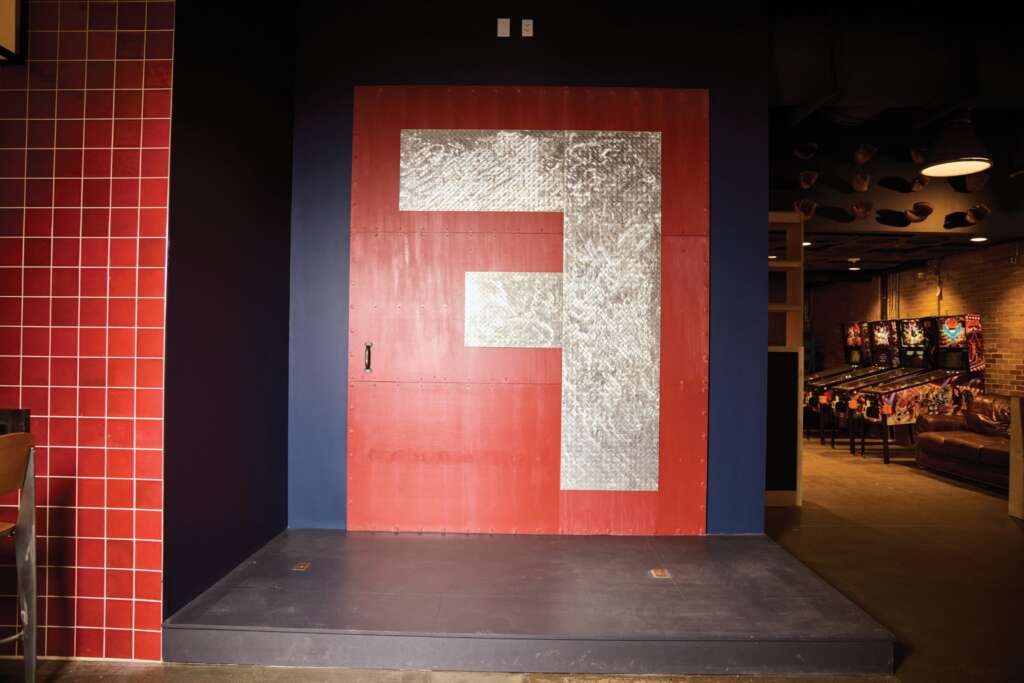
Fullsteam Durham
Fullsteam has been in the Triangle since 2010. Photo by Alonza Mitchell.

When the Numbers No Longer Work

In the Triangle, recent closures include Hatchet Brewing, Southern Pines Brewing, Mordecai Beverage Co., Cotton House, Funguys, and Ancillary Fermentation.

Proximity closed its east Durham taproom but planned to keep producing. Vicious Fishes went from multiple locations to no regular taprooms, while Durty Bull closed its Durham taproom in September.

Thomas Vincent, who has brewed at several North Carolina breweries and most recently worked at Hatchet, left about three months before it closed. He says his explanation is an inference, but describes the ending as a “death by a thousand cuts.”

Vincent believes funding likely ran out. A planned kitchen required a commercial hood that may not have been in the budget, the Selma location was losing money, and the brewery carried too many year-round beers.

The specifics belong to Hatchet. The larger story doesn’t: too many brands, too much space, costly expansion, and fewer customers walking through the door.

“We’re finally admitting the old model is gone,” says John Szymankiewicz, owner of Raleigh’s Beer Law Center. “Most breweries make their money from over-the-bar sales. That’s where the margins are. And people simply aren’t drinking the way they were before COVID.”

Grocery store cans rarely replace that income thanks to thinner retail margins. Real estate can be equally unforgiving.

“The landlord raises rent 40 or 50 percent at renewal,” Szymankiewicz says. “You can’t raise beer prices 40% overnight.”
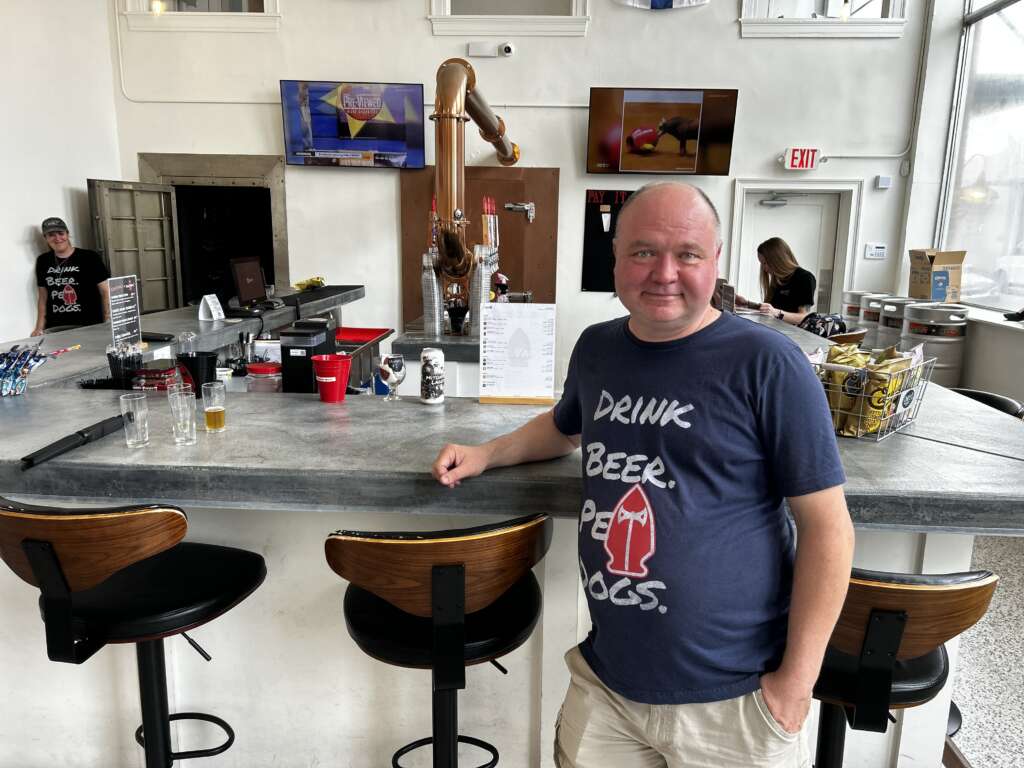
Thomas Vincent Hatchet Brewer
Hatchet Brewing's former head brewer now runs Carolina Beer Guy. Photo by Dathan Kazsuk.

Fullsteam Bets on a Different Kind of Brewery

Wilson believes breweries also need to reconsider what they actually have to own. When Fullsteam’s original Durham neighborhood shifted toward denser housing and street-level retail, the brewery faced a choice. Rather than recreate its old production model, Fullsteam looked at brewing capacity at other facilities.

“Customers don’t seem to care about necessarily seeing a brewery behind glass like they used to,” Wilson says.

That doesn’t mean every brewery should shrink. Fullsteam opened a 9,000-square-foot space at American Tobacco in Durham in late September 2026—almost defiantly large in an era of contraction. But Wilson built it less around production and more around giving people reasons to walk through the door.

American Tobacco had been missing a gathering place since Tyler’s Taproom closed, Wilson says. Fullsteam spent six months listening to what people wanted and adapting the space. The result combines a restaurant, event space, and a 100-seat theater.

“We decided to go big,” he says. “A lateral move wasn’t in the cards. After all, the brand is called Fullsteam.”

More importantly, the new location lets Fullsteam lean into hospitality in a way its original home could not.

“I’m a product of the hospitality industry,” Wilson says. “I really wanted a space where we could host, welcome, and serve the public.”

That may be the clearest glimpse of what comes next.
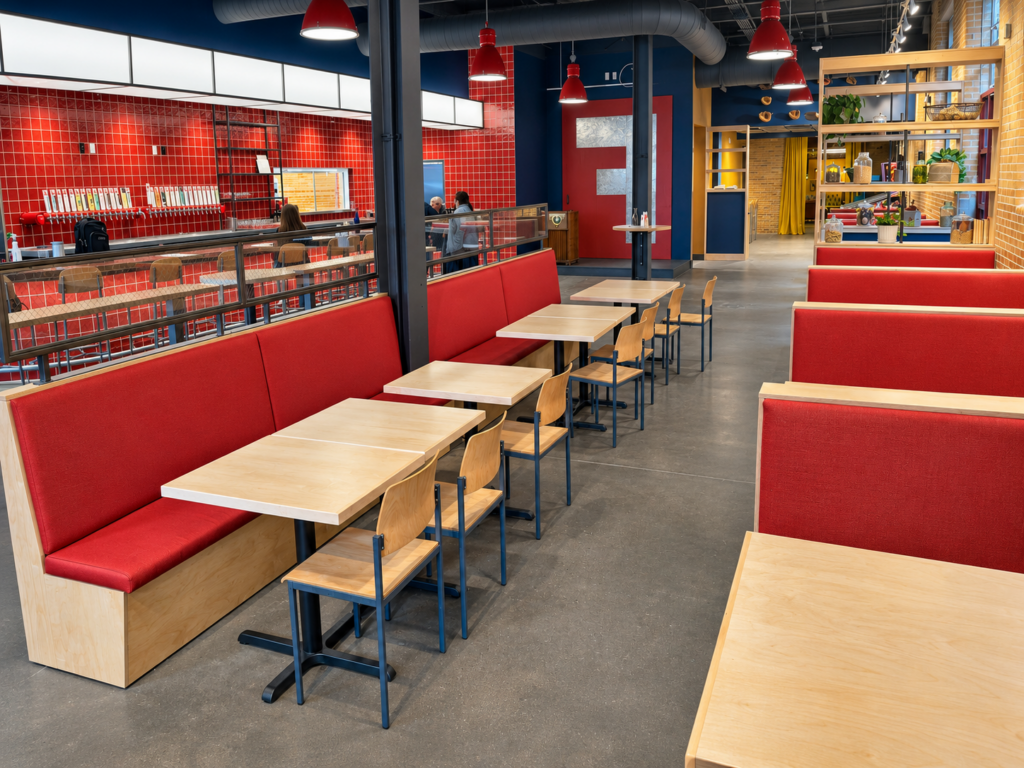
Fullsteam American Tobacco Durham
American Tobacco Campus in Durham is the new home to Fullsteam's new taproom and restaurant. Photo by Dathan Kazsuk.

There’s No One-Size-Fits-All Future

Wilson is quick to point out there is no universal blueprint. A traditional brewery can still thrive in a smaller town. A neighborhood brewery with great beer and loyal regulars can work. A highly focused niche brewery can become a destination. What no longer works is being generic.

“The days of a generic warehouse and a few Edison bulbs is probably really difficult,” Wilson says.

He also cautions against throwing events at the wall just to drive traffic, noting that the approach can exhaust both staff and customers.

A New Generation of Drinkers, New Choices

The demographic is changing, too. Vincent says Untappd’s data skewed older, though he couldn’t tell whether that reflected Hatchet’s audience or a broader trend.

“I think the break was COVID,” he says. “A generation of people turned to their screens instead of face-to-face interaction.”

Consumers also have more alternatives, from THC beverages and gummies to nonalcoholic drinks. Vincent sees lower-alcohol beer as one possible bridge, though producing nonalcoholic beer safely can require specialized equipment—another investment when breweries are trying to spend less.

Vincent is now trying to become one of the industry’s cheerleaders. Following Dave Tollefsen’s retirement, he received Tollefsen’s blessing to continue the NC Beer Guys name.

“There isn’t really another cheerleader for craft beer in the region,” Vincent says. “Given the market, it can use one. So I’m media now, evidently.”
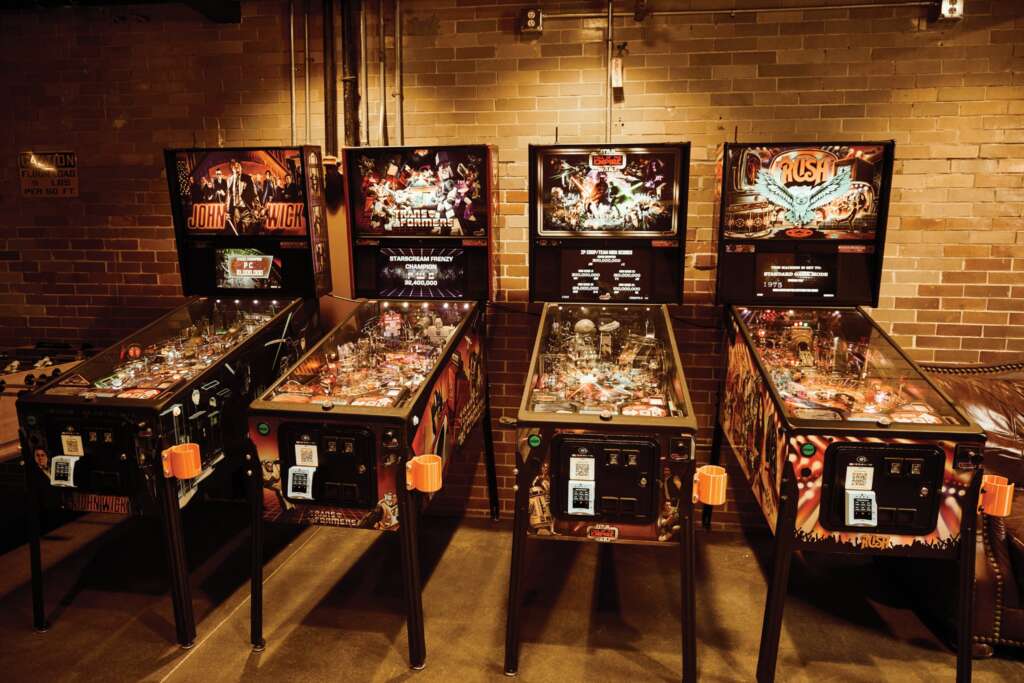
Fullsteam Brewery in Durham
Fullsteam’s new location offers a variety of indoor and outdoor seating options, a stylish lounge and a theater for movie nights, lectures and other events. Photo by Alonza Mitchell.

A Correction, Not a Collapse

Craft beer is not dead. But opening a brewery is no longer an automatic invitation to success.

“The industry isn’t collapsing,” Szymankiewicz says. “It’s correcting.”

Corrections still hurt when the names that disappeared helped build the culture around us. But Wilson, who helped create the conditions for North Carolina’s great craft beer expansion, isn’t ready to write its obituary.

“People told me 20 years ago not to open a brewery,” he says. “I ignored them.”

And if somebody still wants to try it now?

“Sounds like you’ve got balls of steel,” he says. “And I bet you’re going to be successful.”
© 2008-2025 Midtown magazine, LLC. All rights reserved. Copyright applies to all pages on this website. | Privacy Policy

By Dathan Kazsuk

For years, covering craft beer meant chasing an industry that refused to slow down. Another brewery opened. Another taproom expanded. Another industrial building filled with stainless steel tanks.

Now, the brewery-closing announcement has become its own depressing social media genre.

It begins with a heavy heart. It thanks the staff, regulars, and community. Then come rising costs, slower taproom traffic, and, finally, an invitation to share one last pint.

The Craft Beer Boom Hits a Turning Point

In 2025, the Brewers Association counted 481 brewery closures and only 300 openings. That followed 2024, the first year in roughly two decades that closures outpaced openings.

Craft production dropped 4% in 2025, compared with a 5.7% decline for the overall beer market. During the first half of 2026, craft volume fell another estimated 4%.

Sean Lilly Wilson has watched nearly the entire arc.

Before opening Fullsteam Brewing in Durham, Wilson helped lead Pop the Cap, the grassroots effort that convinced North Carolina lawmakers to lift the state’s restrictive 6% alcohol-by-volume limit on beer in 2005. Twenty-one years later, a generation of North Carolina drinkers has grown up with access to the full range of craft beer.

“That’s overwhelmingly positive,” Wilson says. “But it also brings familiarity, and dare I say what familiarity can sometimes breed?”

That familiarity is now part of craft beer’s challenge. A brewery can no longer assume people will show up simply because beer is being made on the other side of a glass wall.

“The days of opening an industrial brewery and expecting people to support you have come and gone,” Wilson says. “The breweries that are going to survive—and perhaps thrive—must offer a combination of amazing food, gracious hospitality, diverse beverages … and top-notch beer.”

Fullsteam Durham
Fullsteam has been in the Triangle since 2010. Photo by Alonza Mitchell.

When the Numbers No Longer Work

In the Triangle, recent closures include Hatchet Brewing, Southern Pines Brewing, Mordecai Beverage Co., Cotton House, Funguys, and Ancillary Fermentation.

Proximity closed its east Durham taproom but planned to keep producing. Vicious Fishes went from multiple locations to no regular taprooms, while Durty Bull closed its Durham taproom in September.

Thomas Vincent, who has brewed at several North Carolina breweries and most recently worked at Hatchet, left about three months before it closed. He says his explanation is an inference, but describes the ending as a “death by a thousand cuts.”

Vincent believes funding likely ran out. A planned kitchen required a commercial hood that may not have been in the budget, the Selma location was losing money, and the brewery carried too many year-round beers.

The specifics belong to Hatchet. The larger story doesn’t: too many brands, too much space, costly expansion, and fewer customers walking through the door.

“We’re finally admitting the old model is gone,” says John Szymankiewicz, owner of Raleigh’s Beer Law Center. “Most breweries make their money from over-the-bar sales. That’s where the margins are. And people simply aren’t drinking the way they were before COVID.”

Grocery store cans rarely replace that income thanks to thinner retail margins. Real estate can be equally unforgiving.

“The landlord raises rent 40 or 50 percent at renewal,” Szymankiewicz says. “You can’t raise beer prices 40% overnight.”

Thomas Vincent Hatchet Brewer
Hatchet Brewing's former head brewer now runs Carolina Beer Guy. Photo by Dathan Kazsuk.

Fullsteam Bets on a Different Kind of Brewery

Wilson believes breweries also need to reconsider what they actually have to own. When Fullsteam’s original Durham neighborhood shifted toward denser housing and street-level retail, the brewery faced a choice. Rather than recreate its old production model, Fullsteam looked at brewing capacity at other facilities.

“Customers don’t seem to care about necessarily seeing a brewery behind glass like they used to,” Wilson says.

That doesn’t mean every brewery should shrink. Fullsteam opened a 9,000-square-foot space at American Tobacco in Durham in late September 2026—almost defiantly large in an era of contraction. But Wilson built it less around production and more around giving people reasons to walk through the door.

American Tobacco had been missing a gathering place since Tyler’s Taproom closed, Wilson says. Fullsteam spent six months listening to what people wanted and adapting the space. The result combines a restaurant, event space, and a 100-seat theater.

“We decided to go big,” he says. “A lateral move wasn’t in the cards. After all, the brand is called Fullsteam.”

More importantly, the new location lets Fullsteam lean into hospitality in a way its original home could not.

“I’m a product of the hospitality industry,” Wilson says. “I really wanted a space where we could host, welcome, and serve the public.”

That may be the clearest glimpse of what comes next.

Fullsteam American Tobacco Durham
American Tobacco Campus in Durham is the new home to Fullsteam's new taproom and restaurant. Photo by Dathan Kazsuk.

There’s No One-Size-Fits-All Future

Wilson is quick to point out there is no universal blueprint. A traditional brewery can still thrive in a smaller town. A neighborhood brewery with great beer and loyal regulars can work. A highly focused niche brewery can become a destination. What no longer works is being generic.

“The days of a generic warehouse and a few Edison bulbs is probably really difficult,” Wilson says.

He also cautions against throwing events at the wall just to drive traffic, noting that the approach can exhaust both staff and customers.

A New Generation of Drinkers, New Choices

The demographic is changing, too. Vincent says Untappd’s data skewed older, though he couldn’t tell whether that reflected Hatchet’s audience or a broader trend.

“I think the break was COVID,” he says. “A generation of people turned to their screens instead of face-to-face interaction.”

Consumers also have more alternatives, from THC beverages and gummies to nonalcoholic drinks. Vincent sees lower-alcohol beer as one possible bridge, though producing nonalcoholic beer safely can require specialized equipment—another investment when breweries are trying to spend less.

Vincent is now trying to become one of the industry’s cheerleaders. Following Dave Tollefsen’s retirement, he received Tollefsen’s blessing to continue the NC Beer Guys name.

“There isn’t really another cheerleader for craft beer in the region,” Vincent says. “Given the market, it can use one. So I’m media now, evidently.”

Fullsteam Brewery in Durham
Fullsteam’s new location offers a variety of indoor and outdoor seating options, a stylish lounge and a theater for movie nights, lectures and other events. Photo by Alonza Mitchell.

A Correction, Not a Collapse

Craft beer is not dead. But opening a brewery is no longer an automatic invitation to success.

“The industry isn’t collapsing,” Szymankiewicz says. “It’s correcting.”

Corrections still hurt when the names that disappeared helped build the culture around us. But Wilson, who helped create the conditions for North Carolina’s great craft beer expansion, isn’t ready to write its obituary.

“People told me 20 years ago not to open a brewery,” he says. “I ignored them.”

And if somebody still wants to try it now?

“Sounds like you’ve got balls of steel,” he says. “And I bet you’re going to be successful.”
This Pop-up Is Included in the Theme
Best Choice for Creatives
Purchase Now