


By Kyle Marie McMahon
For years, the cultural conversation surrounding men and aesthetic procedures was often relegated to the shadows or dismissed as mere vanity. However, in Raleigh’s fast-paced professional and social landscape, that narrative has undergone a significant transformation—shifting from a focus on vanity to one of vitality. Today’s men view self-care as an extension of overall wellness and career longevity, and are seeking results that restore their energy rather than alter their identity.
To explore this “rested, not done” philosophy, we sat down with Dr. Heather Levites of LevityLifts, a surgeon known for her precise, conservative approach to masculine aesthetics. Alongside her is John, a local patient who recently traded “tired eyes” for a refreshed perspective. Together, they pull back the curtain on the modern experience of male aesthetics, from the initial consultation to the newfound confidence that comes with matching your reflection to your internal drive.
The Clinical Perspective: Dr. Heather Levites
Midtown: We’re seeing a significant rise in men seeking aesthetic procedures. In your experience, what has changed in the cultural conversation that is making men feel more comfortable exploring these options now?
Dr. Heather Levites: What’s really changed is permission. Men no longer feel like they have to power through looking exhausted or older than they feel. The conversation has shifted from vanity to vitality. Taking care of your appearance is now seen as part of overall wellness, confidence, and even career longevity. And, truthfully, a lot of men come through my doors after watching someone close to them have a great experience—wives, sisters, partners, or close friends. They see how happy and confident they look and think, “Okay, maybe I should look into this too.” I always joke that I treat the women first and the men tend to follow shortly after.
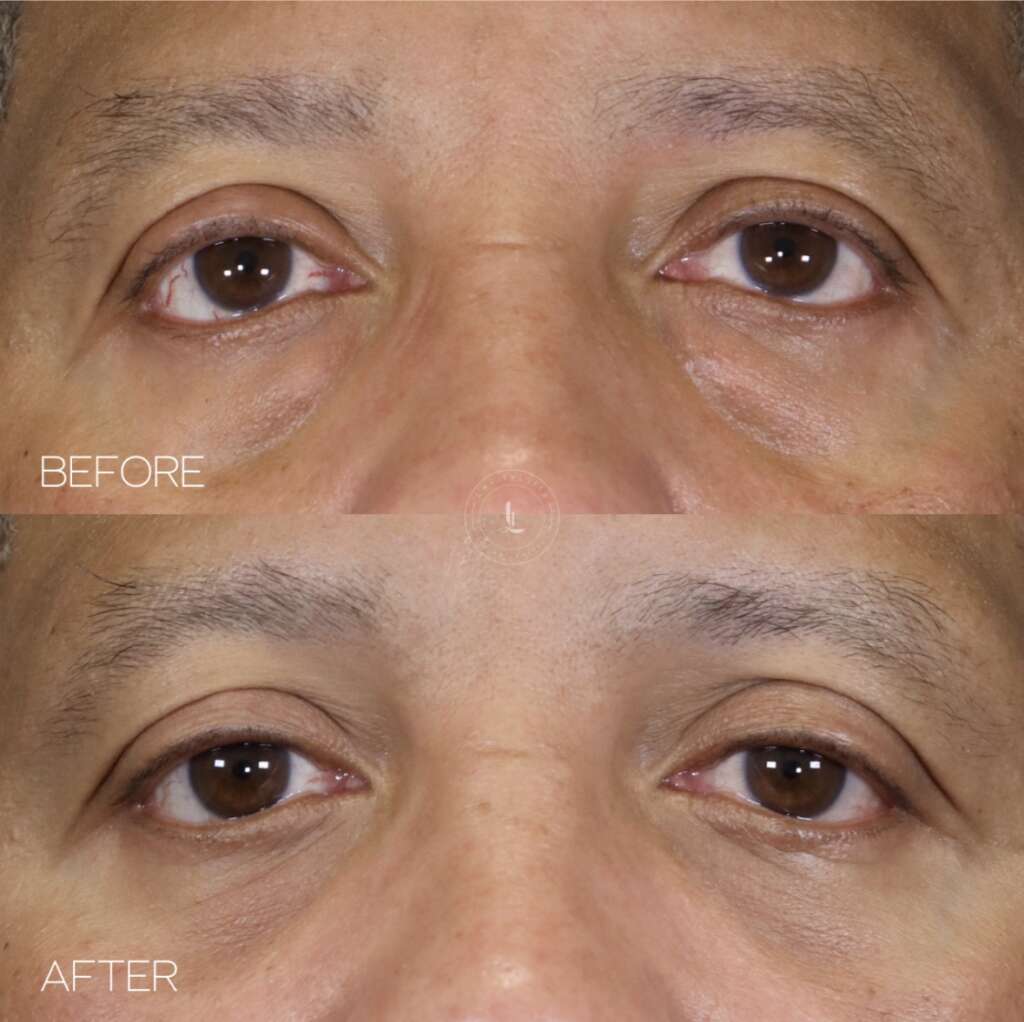
You mentioned that men often seek to look “rested” rather than “transformed.” What are the most common areas—like the jawline or eyes—where a small adjustment makes the biggest difference?
HL: The eyes and the jawline are where subtle changes go a very long way. This is also where less is absolutely more for men. Refreshing the under-eye area can instantly erase that chronically tired look without changing masculinity. Gentle refinement along the jawline can bring back definition that naturally softens with time. When these areas are overcorrected, features can become softer or even feminized, which is the opposite of what most male patients want. Precision and restraint are everything.
For someone who might be “needle-shy” or wary of surgery, what are some modern, less-invasive advancements that allow for these subtle results?
HL: This is where modern aesthetics really shines. We now have energy-based treatments and advanced laser technologies that stimulate collagen, tighten skin, and improve texture with little to no downtime, and no needles at all. Even when injectables are involved, today’s techniques are incredibly conservative and targeted. Treatments are quicker, more comfortable, and designed to enhance structure rather than add volume. The goal is always natural, quiet improvement.
What is the most common concern you hear from male patients during their first visit?
HL: Almost every man asks some version of, “Am I still going to look like myself?” That concern tells me they’re in the right place. Men worry about looking overdone or obvious. I walk them through exactly what we’re doing and why, start conservatively, and make sure they understand that we are enhancing what’s already there, not changing who they are. Once they see that approach, the nerves usually disappear.
Clinical Note: “The most common procedure I perform for men is lower eyelid blepharoplasty. It is one of the most powerful ways to rejuvenate the face without changing its character. When done thoughtfully, patients don’t look ‘done’ at all—they just look like they finally got some sleep.” —Dr. Heather Levites

The Patient Experience: John
Midtown: What was the specific moment that led you to actually book a consultation with Dr. Levites?
John: I knew that possibly one day I would look into it, but the specific moment was when I attended Dr. Levites’ grand opening. She was down-to-earth and made me feel comfortable, and I had a consultation with her that same day.
Many men worry about the process being “clinical” or intimidating. What was the actual experience like for you?
John: I was able to express what my goal was for having the procedure, and I was given the opportunity to ask questions at each visit. She and her staff made me feel comfortable with being able to be transparent. They explained every step, from the beginning of the procedure to post-op. To me, the procedure was painless with some swelling, which I was told to expect.
How did you feel the first time you saw your results?
John: I had no idea that the procedure would have a noticeable difference so quickly. During my first post-op visit, Dr. Levites showed me my before picture and I was amazed that I could tell a difference so soon. After the swelling [went down], I thought my face [looked] more refreshed.
Beyond the physical change, how has this journey impacted your daily confidence?
John: I don’t spend time thinking about my eyes anymore. I’m more confident when meeting with clients. Now what I feel on the inside matches the outside, because I don’t have the bags under my eyes anymore. I also didn’t like having pictures taken before, and now I don’t mind.
What would you say to other men in the Triangle who might be holding back because of old stigmas?
John: We as men need self-care, and I think they would be surprised at what this procedure could add to their day-to-day life. Men love to flex muscles and stay in shape, so this is just another extended part of that. Not only does it enhance your looks; it also gives you confidence.