

By Dathan Kazsuk
There is something wonderfully unexpected about hearing “Hakkeyoi!” shouted across a quiet Raleigh park on a Sunday morning.
It is not exactly the sound most people expect while walking through west Raleigh. To me, it sounds like a battle cry I’d expect to hear playing Capcom’s video game, Street Fighter!
But there it is: a Japanese term of encouragement, loosely meaning “Put some spirit in it,” ringing out as two wrestlers crash into one another inside a circle marked in the sand.
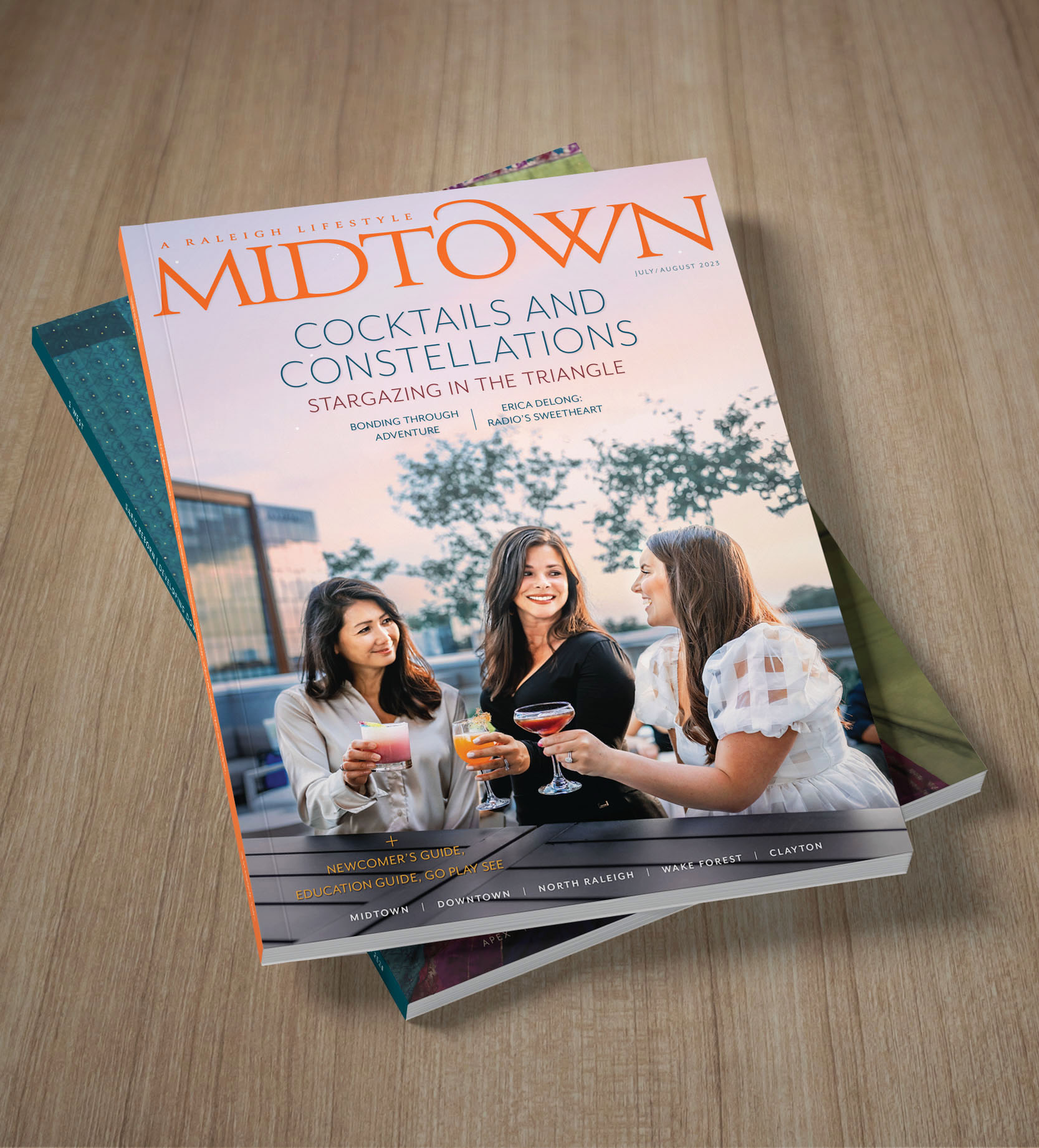
That scene, captured in Midtown’s 2025 story on Raijin Sumo Club, written by Elliot Acosta, helped show how Raleigh has become one of the more fascinating pockets for amateur sumo in the United States. What began in 2021 with cofounders Eric Hyugen and Jared Faulk practicing at North Carolina State University’s Miller Fields has grown into a club with more than 30 members, multiple United States Sumo Federation national champions, and a community that stretches far beyond the stereotype many Americans still have of the sport.
Now, sumo’s American story may be entering a new phase.
On June 16, Sumo Championship League announced plans to launch professional sumo league events in U.S. arenas beginning in fall 2026. The new league says it will bring authentic, unscripted sumo competition to major markets, with elite heavyweight athletes from around the world competing through season-long rankings, prize money, and championship positioning.
For those who have watched Raleigh’s local sumo scene grow from a garden-hose dohyo to a full community of athletes, fans, and curious first-timers, the timing feels fitting. Sumo is no longer simply something people associate with Japan from a distance. It is increasingly something Americans are trying, watching, and, in places like Raleigh, building from the ground up.
“Sumo is one of the world’s oldest and most recognizable sports, with organized competition and passionate fans across the globe,” Stuart Snyder, chairman and CEO of Sumo Championship League, said in the announcement. “What it has never had is a modern professional league structure designed to introduce the sport to broader audiences outside Japan.”
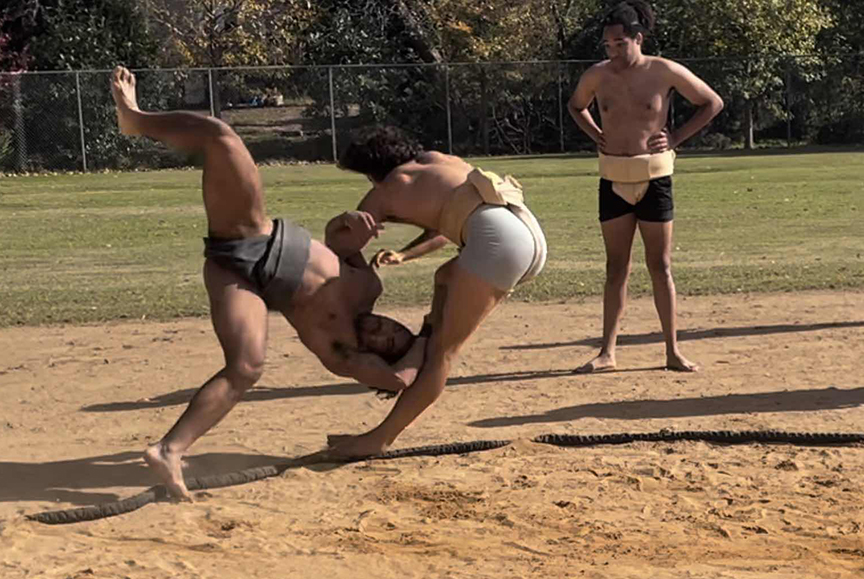
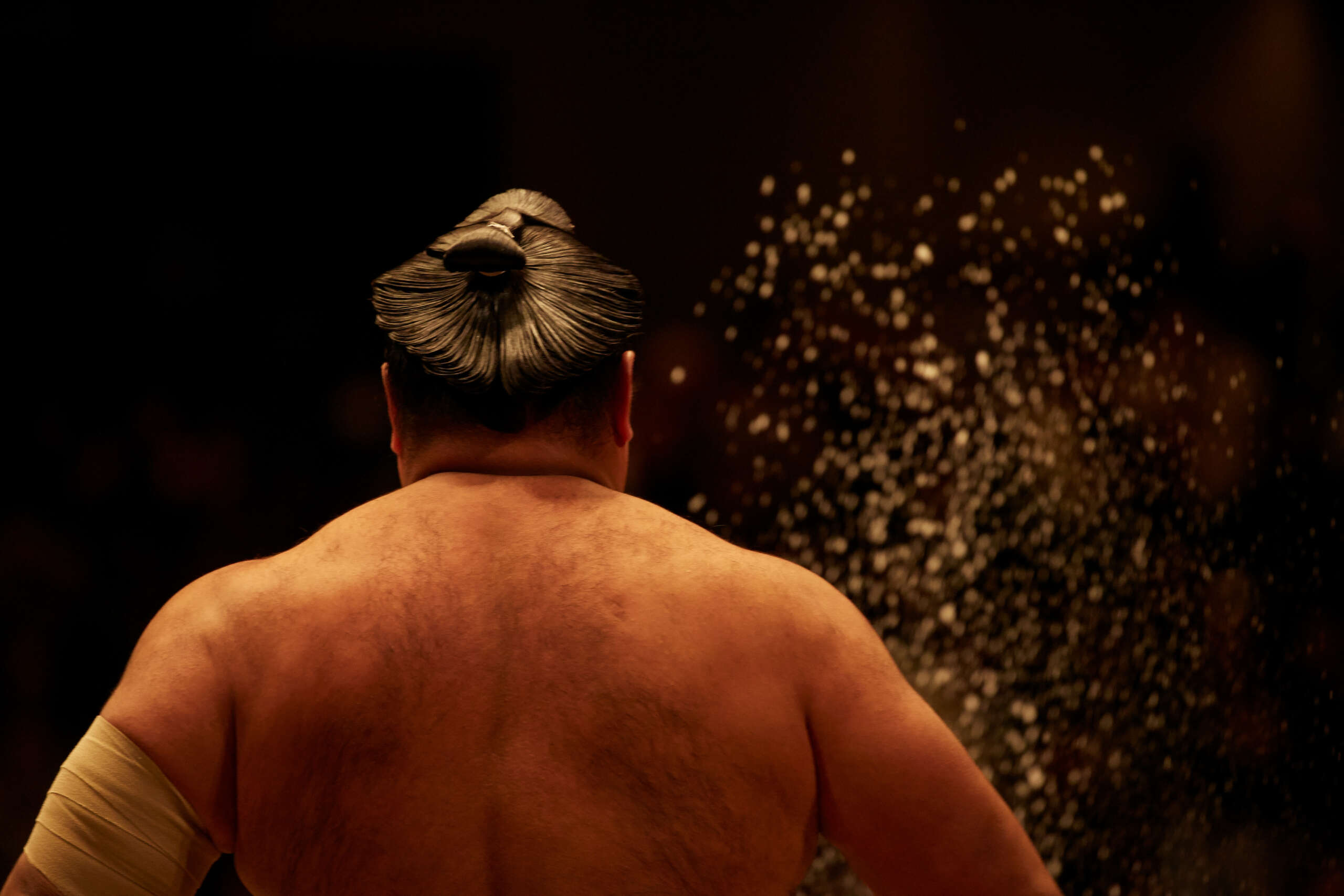
For newcomers, the rules are refreshingly easy to understand. Two wrestlers face off inside the dohyo. The goal is to force the opponent out of the ring or make any part of their body other than the soles of their feet touch the ground. A match can be over in seconds, or it can turn into a tense battle of balance, leverage, strength, and patience.
That simplicity is part of the appeal. You do not need a lifetime of rulebook study to understand what is happening. Someone goes out, someone goes down, or someone holds their ground. It is primal, technical, fast, and surprisingly human.
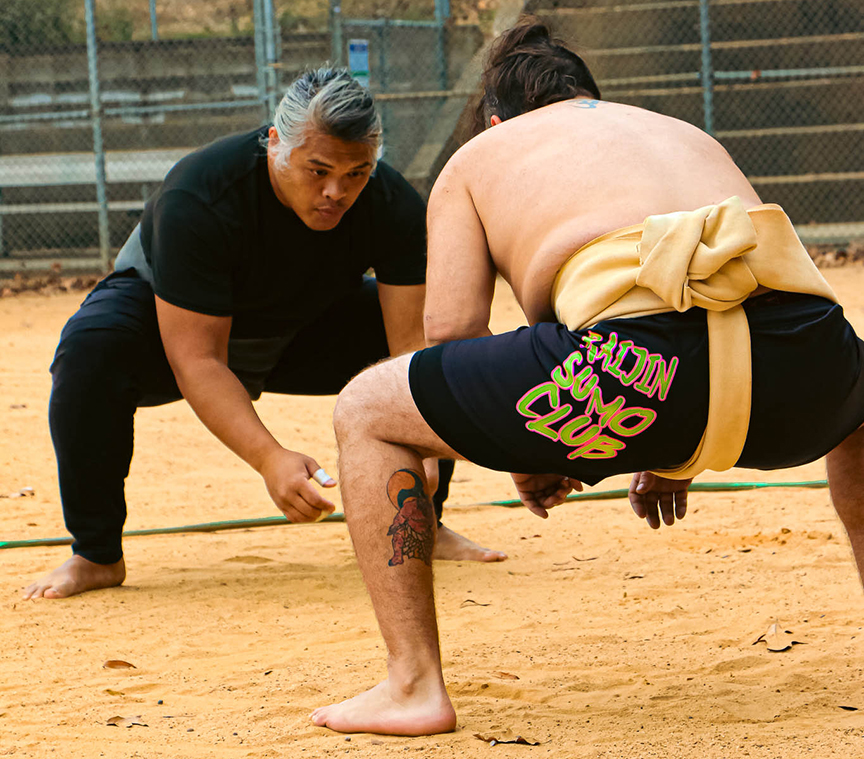
That human element is also what made the Raijin Sumo Club story so compelling. At practice, Hyugen was described as breaking down five-second bouts with the seriousness of someone analyzing an arthouse film. Footwork, grips, timing, push, pull, balance, and body position all mattered. This was not two big people smashing into each other for spectacle. It was sport, technique, and discipline.
The club has welcomed people with martial arts backgrounds, fans of Japanese culture, men, women, children, and athletes of different body types. It has also pushed against the narrow American image of sumo as a sport only for massive bodies. At Raijin, the circle has become a place for fellowship as much as competition.
“Wrestling is a pure human activity,” Faulk told Midtown in the original story. “We live in a cerebral world, and the Raijin Sumo Club is a reminder that we’re human.”
That line may be the bridge between Raleigh’s amateur scene and what Sumo Championship League hopes to build nationally.
SCL says its events will be family-friendly arena experiences that blend dramatic athlete introductions, season-defining matchups, emerging rivalries, and the raw intensity of the dohyo. The league was founded by Snyder and Toper Taylor, two sports and entertainment executives with backgrounds in live events, television, media, and audience development.
Snyder previously held executive roles with WWE, Feld Entertainment, and Turner Broadcasting’s Animation, Young Adults and Kids Media division. Taylor is an Emmy Award-winning producer and former William Morris Agency talent agent.
“There are talented sumo athletes competing all over the world today, but there has never been a professional league structure designed to bring them together under one banner,” Taylor said in the announcement. “Our goal is to create a platform where athletes can compete at the highest level, build their profiles, develop rivalries, and help introduce the sport to entirely new audiences.”
Of course, Raleigh already has its own audience being introduced to the sport, not through smoke machines and arena lights, but through sand, sweat, curiosity, and community.
Sumo may sound unusual at first. Then you watch it. Then you realize it has what all good sports have: speed, power, technique, emotion, and the possibility that everything can change in one split second.
And in Raleigh, it also has a local story.
Raijin Sumo Club did not appear because a league told people to care. It grew because two people were passionate enough to drag the sport into a public field and make a circle with a garden hose. Then others joined. Then the practices grew. Then champions came out of it. Then a community formed.
Whether Sumo Championship League will eventually bring an event to North Carolina remains to be seen. But if professional sumo is serious about finding markets where the sport already has a heartbeat, Raleigh has a pretty good case.