Story by Dathan Kazsuk | Photos courtesy of La Maison | The idea is simple—and long overdue. Midtown, the magazine, is named after Midtown, the place; yet for years we’ve…
Story by Kyle Marie McMahon | Photos by Jessica Bratton |
The transition to an empty nest is often framed as a period of loss—the loss of noise, the loss…
| Story by Dathan Kazsuk | Photos courtesy of ICG Homes | Even before the concrete dries on the St. Jude Dream Home’s foundation in Rolesville, the project will already…
| Story and photos by Beverly Hurley | From Murphy to Manteo, North Carolina is home to a variety of vibrant cities, each with its own unique charm. Whenever I…
By Matt Rokowsky Halloween is often a time of joy for many kids, as it is filled with costumes and the excitement of trick-or-treating. However, for some families—particularly those…
NCModernist is gearing up to celebrate its 18th anniversary in grand style with the annual Moon Over Modernism fundraiser and cocktail party on Saturday, October 11 at the stunning Holton…
| By Katy Shero | The art of hosting a good dinner party goes further than the food; it’s how the table is set. The table setting establishes the ambiance…
Summer brings out the fun in our style. Whether you are looking for a new accessory or
a whimsical serving pitcher, there is something for every taste. Hang it on the…
Triangle experts invite you (and your couch) to the circular economy
By Caitlin Wheeler
Dan McKenzie was an upcycler before upcycling was a thing. Circularity was a side effect of his family’s…
Your home is more than just where you live—it’s where your family grows, relaxes and creates memories. Creating a healthier and safer environment is essential, and replacing old windows and…
Workstation sinks that inspire home cooking The best meals start with more than just great ingredients; they begin with a space that makes cooking feel effortless. A smart kitchen setup…
By Kyle Marie McMahon Where to See Them, How to Grow Them, and Why These Iconic Blooms Are a Springtime Favorite Each spring, the Triangle bursts into shades of pink…
A local nonprofit is diverting waste from landfills— one step (or banana peel) at a time
BY SAMANTHA CARSON
It was a cool February day in 2024 when Cary’s second…
Sally Nicol, curator of The Cary Cottage, shares tips for finding high-quality vintage pieces at secondhand markets BY ELIZABETH BRIGNAC PHOTOS COURTESY OF SALLY NICOL EXCEPT WHERE OTHERWISE NOTED Sally…
BY MARILYN JONES From the majestic heights of the Great Smoky Mountains to the tranquil shores of Surf City, North Carolina is a haven for botanical gardens. These living works…
BY CAITLIN WHEELER PHOTOS COURTESY OF ABIGAIL JACKSON PHOTOGRAPHY Terryl Hansen has a bourbon collection; Terry Hansen loves reading a good mystery; and they both enjoy inviting friends over for…
Hang holiday decorations while protecting the health of your trees By Kyle Marie McMahon It’s holiday decorating season in the City of Oaks! In order to ensure the health and…
BY CHERYL CAPALDO TRAYLOR This is one of a series of online articles we offer on maintaining and improving your garden throughout the year. Ah, at long last, the nights…
By Eric Medlin
In our upcoming July/August issue, we include an article called Beach Fun Back in the Day that covers how people enjoyed vacations at North Carolina beaches a century…
Story by Dathan Kazsuk | Photos courtesy of La Maison |
The idea is simple—and long overdue. Midtown, the magazine, is named after Midtown, the place; yet for years we’ve skimmed past the stories unfolding right outside our own front door. North Hills isn’t just an address or a development—it’s a living ecosystem of small businesses, creative risk-takers, and people who built something lasting while the city grew up around them.
I’ve watched North Hills change firsthand. When I moved to Raleigh in the early 2000s, this area was still finding its footing. Over time, cranes arrived, buildings rose, and the district became one of the city’s most recognizable destinations. Somewhere along the way, the spotlight shifted to what was newest and loudest—while many longstanding businesses quietly continued shaping the character of the place.
That’s the gap this story aims to fill.
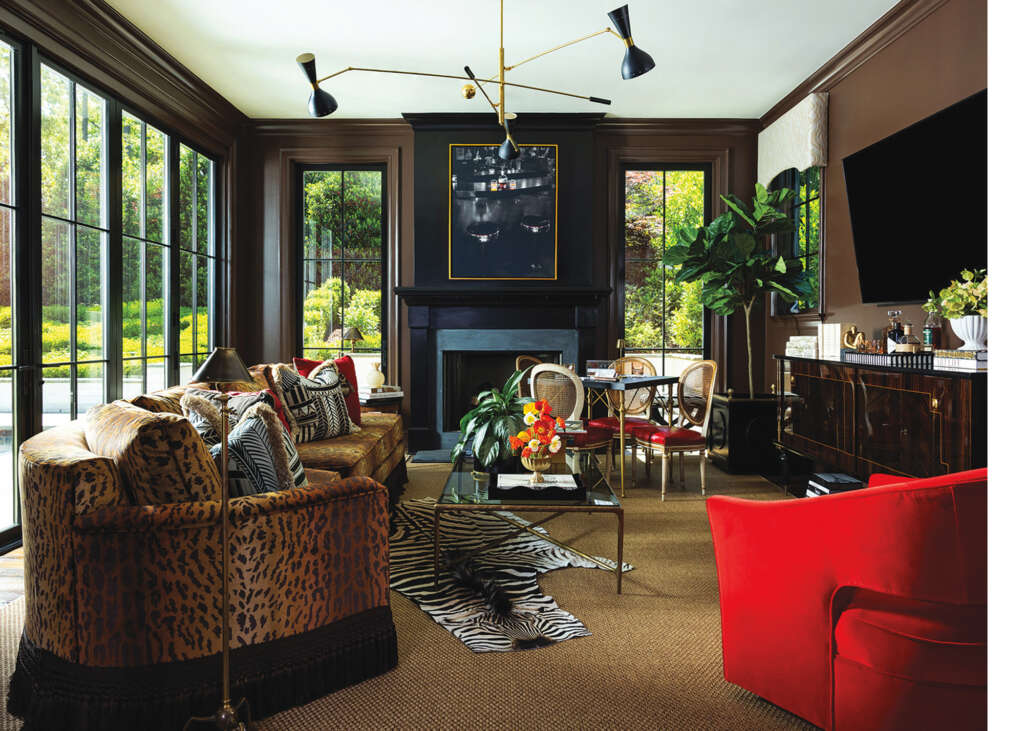
The designers at La Maison encourage clients to embrace their own unique style. Yours may not be as bold as these animal prints or as modern as these black and gold touches, but the sentiment remains true.
La Maison sits slightly off the main drag in North Hills, and if you’ve ever stepped inside, you know immediately this isn’t a store you rush through. During the holiday season, I sat down with founder and owner Martha Schneider on a plush green sofa tucked into the showroom. Around us, shoppers drifted through carefully layered vignettes—antiques paired with modern lighting, sculptural furniture softened by textiles, and coffee table books.
La Maison opened in 2014, but the idea behind it had been forming for much longer. Schneider came from a background rooted in retail and fashion, working directly with customers and running stores long before interior design became a cultural obsession. After stepping away to raise her family, she eventually returned to creative work through interior design— first from her home, then through a growing client base in Raleigh.
“At the time, I couldn’t find a place that combined old antiques with relevant contemporary pieces,” Schneider says. “There was no store that really offered accessories, furniture, lighting—and tied it all into a full-service design business.”
Raleigh was changing. Clients were traveling more. Online inspiration replaced magazines. People wanted to take a more hands-on approach to their homes—but they also wanted better guidance. La Maison was created to meet that moment: a home furnishings gallery paired with a full-service interior design firm, all under one roof.
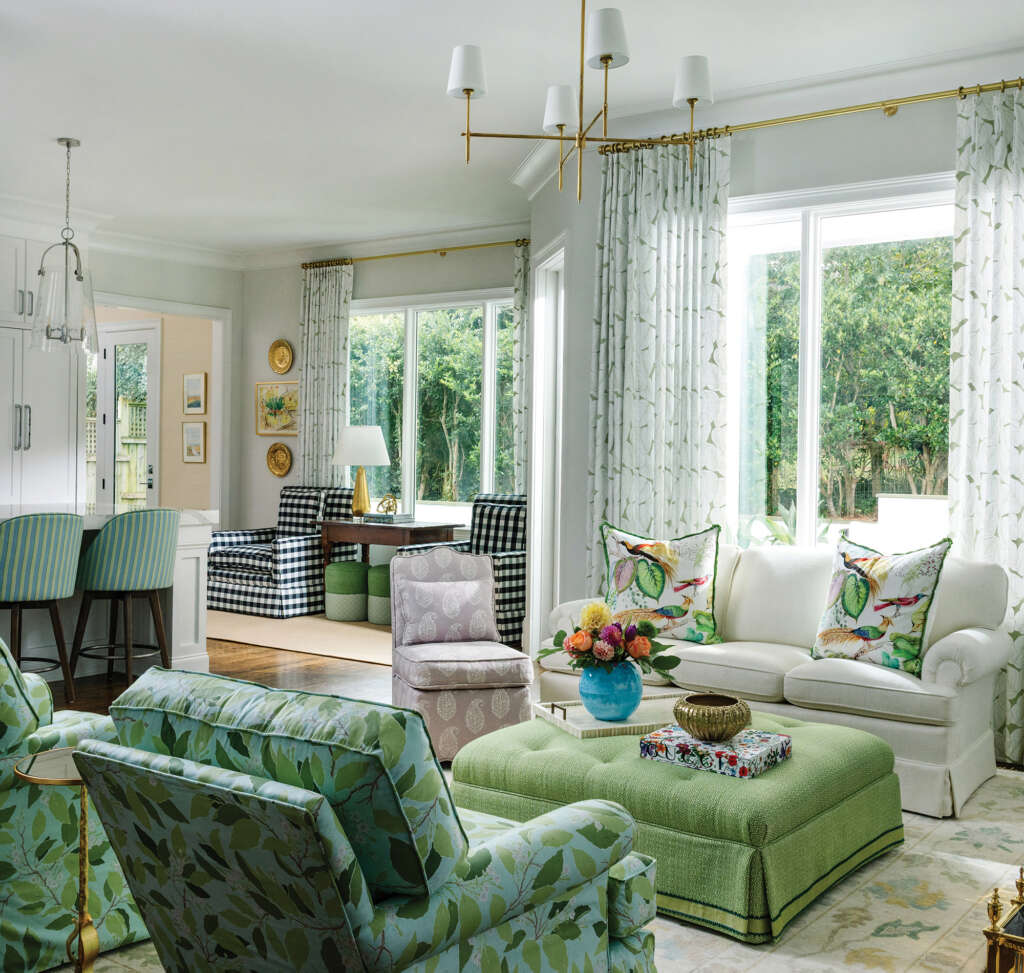
Mixing patterns can feel intimidating, but the
designers at La Maison know how to execute a design that highlights each without feeling busy.
As North Hills expanded, La Maison grew alongside it—never flashy, never trend-chasing, but intentional and rooted. Even its slightly tuckedaway location reflects the brand’s philosophy.
“Design rewards people who slow down,” Schneider says. “It’s not about rushing through a space—it’s about living with it.”
The aesthetic she describes is transitional—old meeting new. Family heirlooms paired with contemporary pieces. French antiques layered with modern lighting. “It’s about creating a real story for people’s lives. Something that feels personal and timeless.”
That philosophy eventually led to another addition: a boutique flower shop inspired by the stem-by-stem florists found in Paris and New York. Not weddings. Not large-scale events. Just thoughtful arrangements, handtrimmed topiaries, and florals chosen with the same care as the furnishings surrounding them.
“We wanted to be that little Parisian flower shop,” Schneider says. “You come in, pick out stems, and leave with something special.”
Today, La Maison employs a team of roughly 14 across the design firm and retail space. Some clients arrive with photos and questions—looking for help styling a bookshelf or refreshing a room. Others hand over the keys to entire homes.
“There’s a fine line between what we do casually in the store and what becomes a full design project,” Schneider says. “Sometimes it’s, ‘Help me style this bookcase.’ Other times, it’s, ‘I want to redesign my entire home.’ We do both.”
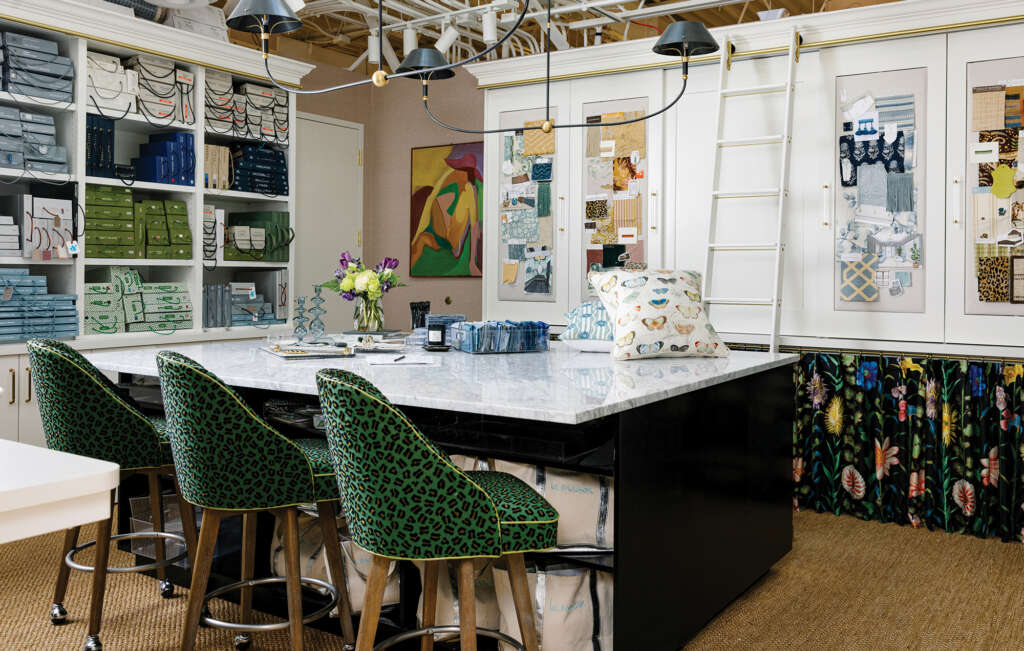
La Maison is a full-service interior design firm, which means
working with each client to ensure the design fi s not only their aesthetic, but also their lifestyle.
Curation sits at the center of everything. Many pieces are sourced through Schneider’s travels, from antiques brought back from France to original art introduced to Raleigh audiences, as well as collaborations with local artists.
“What La Maison is really about is the story behind the design. Why something matters. Why it belongs in your home.”
As our conversation wrapped, Schneider summed it up simply: “Design isn’t about trends. It’s about creating a home that feels like the place you want to come back to every day.”
Which makes La Maison exactly the kind of place that defines North Hills—quietly, thoughtfully, and with lasting impact.
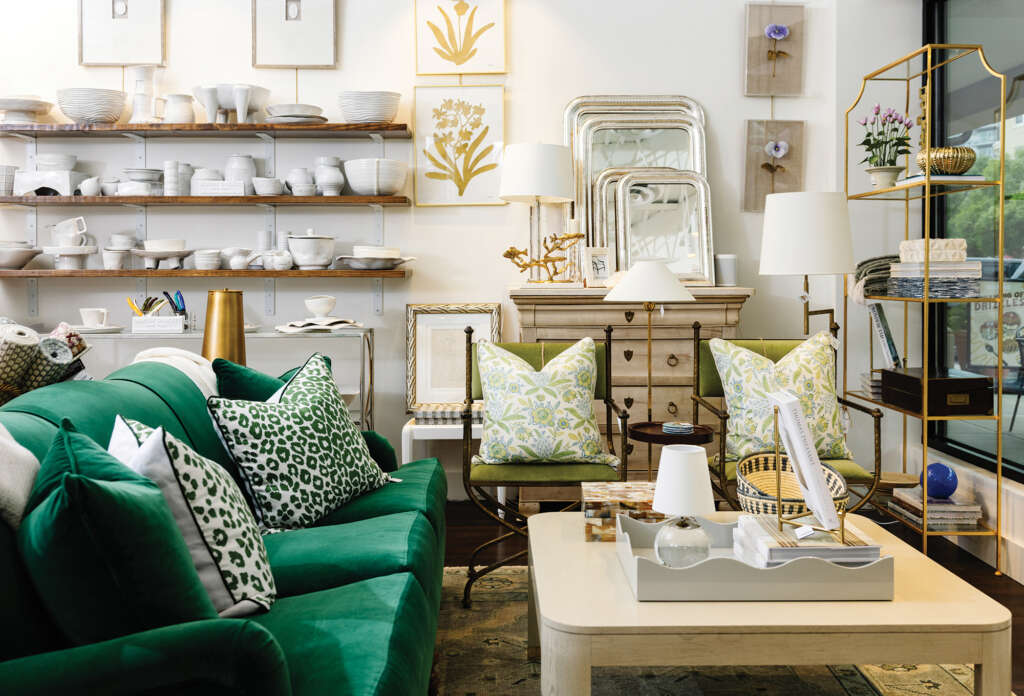
In addition to collections of home decor items, La Maison offers curated spaces to help
guests discover new and interesting ways to use
them.
DESIGN REFRESH
Tips from Martha Schneider of La Maison that make a big impact
Change the pillows. New pillows— especially different textures or colors—can shift the entire feel of a room.
Upgrade your lighting. “Lighting is the jewelry of a room,” Schneider says. Layered lighting adds warmth and depth.
Add greenery—real or faux. Plants and flo als bring life into a space. High-quality faux options work where light doesn’t reach (or pets do).
Mix old with new. One antique or statement piece can ground a room when paired with contemporary design.
Use fabric to change the mood. Drapery, bedding, or pillows introduce color and softness without a full redesign.