

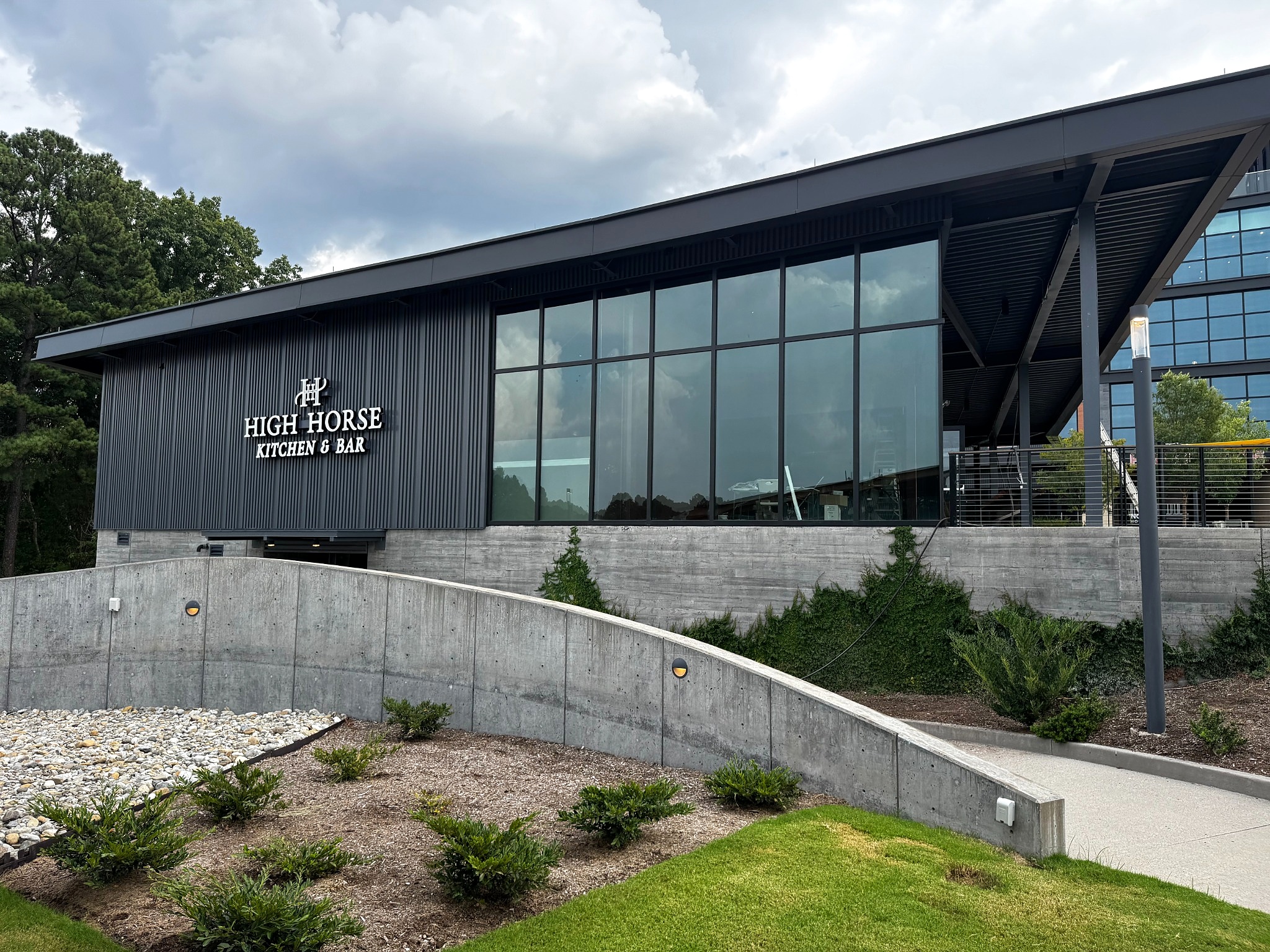
The Layla’s Son Hospitality founder talks pizza, restaurant economics, employee ownership, downtown Raleigh, the return of High Horse and whether he can finally slow down.
By Dathan Kazsuk
There really wasn’t an agenda.
I met Anthony Rapillo at V Pizza in Cary because I wanted to catch up, hear what he had been working on, and get a better idea of the person behind Layla’s Son Hospitality.
We grabbed a table at the bar and started talking.
The conversation quickly bounced from pizza and restaurant leases to chef Katsuji Tanabe, the return of High Horse, problems Rapillo believes deserve a closer look in downtown Raleigh, and why fellow entrepreneur Patrick Shanahan is someone he genuinely admires.
For someone with a lot going on, Rapillo still seems perfectly comfortable back where it all started.
He still likes making pizza
V Pizza in Cary was Rapillo’s first restaurant, and it remains one of his regular morning stops.
Born in New York City, Rapillo also lived in Italy, where he learned to make Neapolitan-style pizza.
“I really, really love pizza,” he told me. “It’s kind of like my whole life.”
His days often begin around 7 a.m. with emails and computer work—what he jokingly calls acting like the CEO—before spending a couple of hours making pizzas.
Headphones on. Dough in his hands. Answer a phone call when necessary.
Then the rest of the day starts.
Rapillo is currently balancing construction, architects, contractors, and restaurant operations. By late afternoon, he’ll usually hit the gym before spending the evening at one of his concepts.
He intentionally avoids making those visits too predictable. He’d rather show up unexpectedly and see how things are actually operating.
Bringing High Horse back
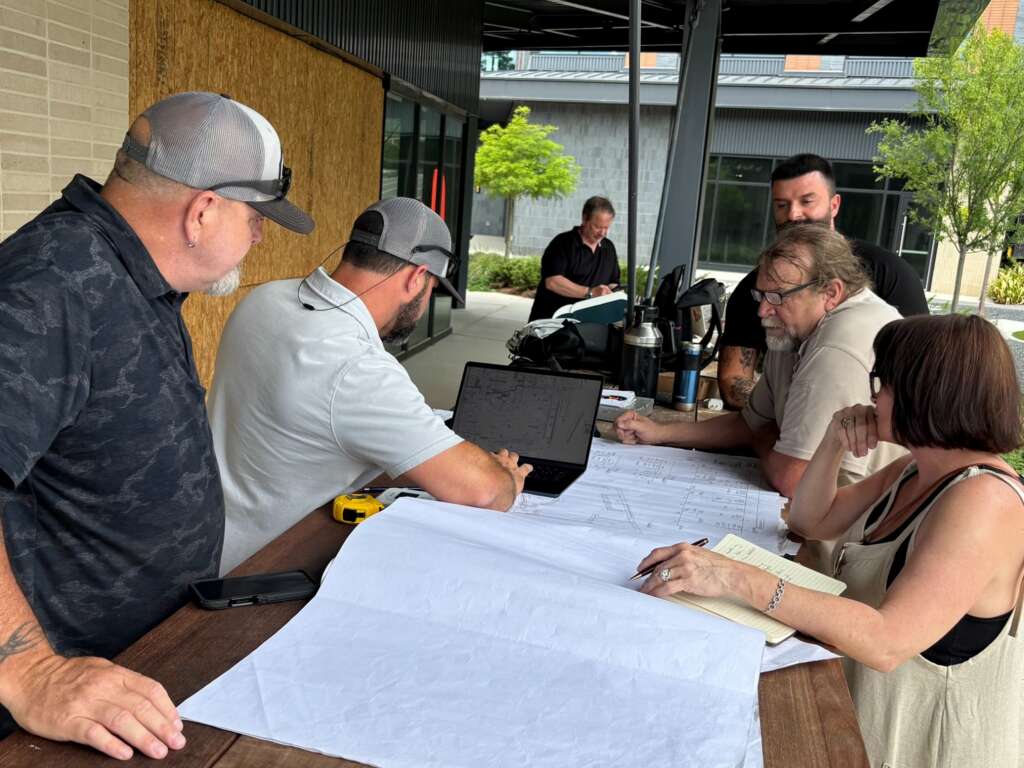
One of Rapillo’s biggest projects is High Horse.
Chef Katsuji Tanabe originally opened the restaurant in Raleigh’s City Market shortly before the pandemic. Now Tanabe and Rapillo are bringing it back at Horseshoe at Hub RTP.
The partnership makes sense once you hear Rapillo describe how the two work together.
Rapillo knows Tanabe likes television. He likes traveling. He has projects beyond North Carolina.
He’s fine with that.
Tanabe can create a menu, help establish how it should be executed, and train the team without Rapillo expecting him to stand in the kitchen every night.
“I don’t care,” Rapillo joked. “Write me a menu from Brazil.”
The titles don’t seem terribly important to him, either.
“Some days he’s a chef, some days he’s a partner,” Rapillo said. “It doesn’t make a difference. Call yourself my brother. We work together really, really well.”
Restaurants are businesses first
Spend enough time with Rapillo, and the conversation eventually gets around to restaurant economics.
His philosophy can be summed up pretty simply:
“You can’t outmanage a bad lease.”
A menu can change. A cocktail program can change. A restaurant that isn’t connecting with customers can pivot.
A bad 10-year lease is considerably harder to fix.
Rapillo believes too many restaurant owners focus on the concept while overlooking the financial structure underneath it—particularly debt, rent, and lease terms.
That interest has also taken him into restaurant consulting.
He has another approach that separates his company from some restaurant groups: Rapillo says each restaurant or bar has at least one employee with an ownership stake, allowing longtime employees to earn equity in something they helped build.
A Glenwood South conversation
Somewhere along the way, our conversation turned toward Glenwood South.
Rapillo has businesses and employees connected to downtown Raleigh, and he has strong opinions about the repeated incidents involving the nightlife district.
His frustration isn’t that those stories get reported.
It’s that he believes the reporting often stops at what happened that night rather than examining whether larger operational or security problems are contributing to what keeps happening.
Rapillo told me he has given local journalists information he believes deserves further examination and has been disappointed it hasn’t led to deeper reporting.
He gave me names. He gave me some potential places to start looking.
I’m intentionally not repeating those here.
Is this where Investigative Dathan comes in?
We’ll see.
For now, Anthony gave me some homework.
Rooting for the other guys
What I didn’t expect was how much time Rapillo spent talking about other Triangle hospitality operators he admires.
Scott Crawford came up. Rapillo talked almost like a restaurant nerd trying to reverse-engineer how Crawford generates the volume he does while maintaining the level of food and service Rapillo respects.
Then I mentioned Patrick Shanahan.
“I love Pat,” Rapillo said.
Shanahan has become someone Rapillo occasionally turns to while developing projects, particularly when it comes to design.
Rapillo is working on a downtown Raleigh speakeasy and said Shanahan has offered to look at ideas, make suggestions, and be another set of eyes.
“Somebody else in Patrick’s shoes would be like, ‘Oh, Anthony’s a competitor,’” Rapillo said.
Instead, Shanahan offered to help.
“Everything Patrick does is gorgeous,” Rapillo said. “And he’s so helpful.”
Ready to just be a restaurant guy
After this current period of expansion, Rapillo says he may finally slow down.
He wants to spend more time inside the businesses he already has—looking at food costs, labor, service, and all the little efficiencies that become difficult to study when you’re constantly opening the next place.
“In 12 months, we’ll have opened four concepts,” he said. “I’m excited to just be a restaurant guy.”
Of course, during the same conversation, Rapillo mentioned another concept he isn’t ready to announce yet.
So we’ll see how long slowing down lasts.
That’s probably the best part about sitting down with Anthony Rapillo without an agenda.
You never quite know where the conversation is going.
And there’s apparently always something else coming.