Skip to content Skip to sidebar Skip to footer

New Year, New Me? Doctor weighs in on GLP-1s, healthy habits

By Dathan Kazsuk

As we close out another year of indulgence, holiday parties, and extra helpings of mashed potatoes, it’s only natural that our thoughts turn to what’s next—namely, how we’re going to undo it all come January.

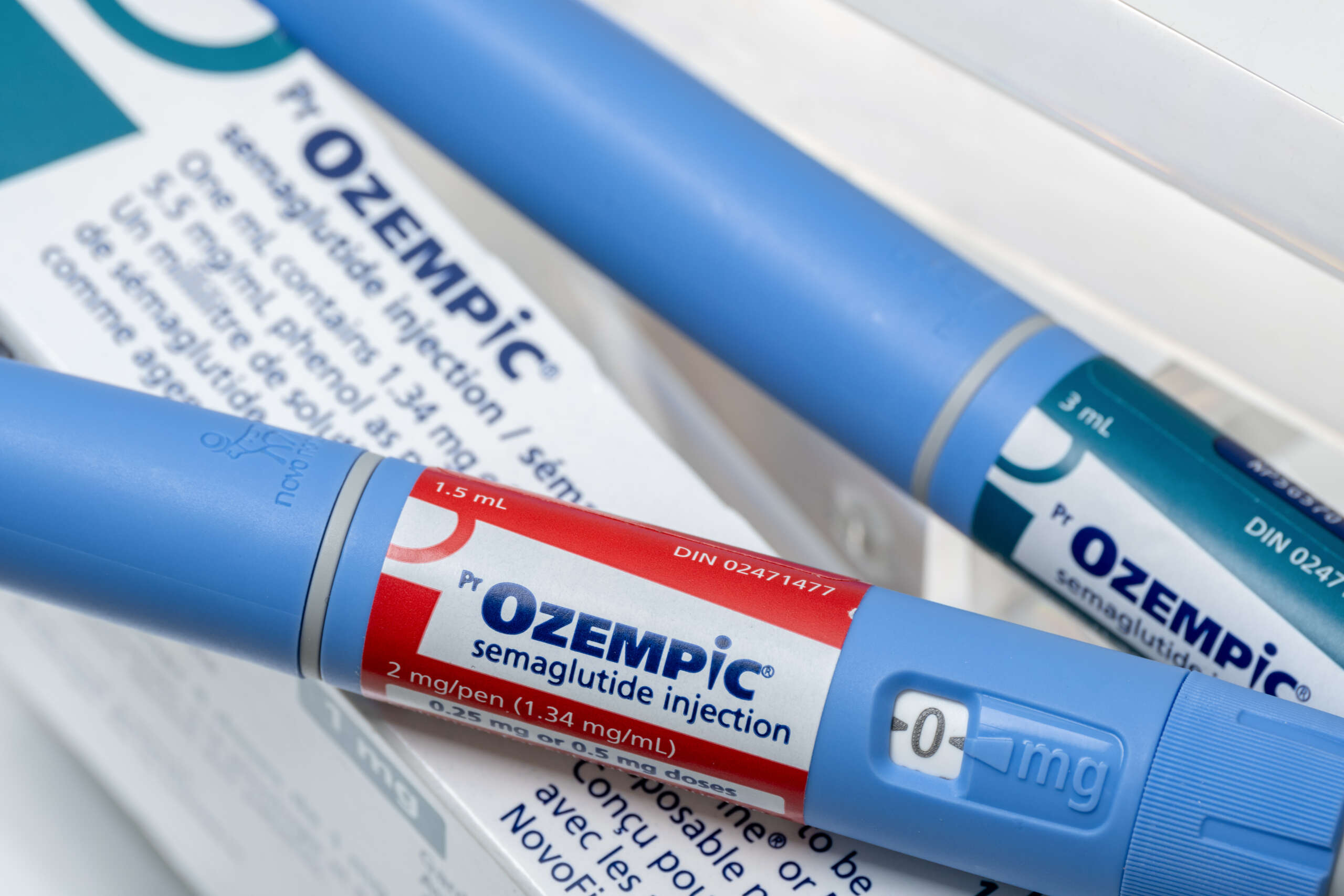
Every year, “New Year, New Me” makes its predictable return, and for 2026, it’s shaping up to be dominated by one big buzzword: GLP-1. From Ozempic and Mounjaro to online providers like Ro, Hims, and Hers, the health world has become a maze of miracle claims and celebrity endorsements, leaving plenty of people wondering—what’s actually healthy, sustainable, and safe?

That’s where Dr. Heather Levites, a board-certified plastic surgeon based in Raleigh, steps in. With experience in both aesthetic and medical wellness, she’s helping people cut through the hype to understand the real science behind these medications and the long-term effects they can have on both body and mind.

In our Q&A, Dr. Levites breaks down who GLP-1s are truly for, why diet and exercise still matter (even in the age of injections), and how to safely navigate body changes that may come after the weight loss.

Dr. Heather Levites with LevityLifts in Raleigh. Photo by Dathan Kazsuk.

Midtown: What do people misunderstand about how GLP-1s work?
Dr. Levites:
Many people assume GLP-1s melt fat on their own, but that is not how they work. They help regulate hunger cues and support healthier metabolic patterns. In my practice, they are an effective tool that supports intentional change rather than a shortcut.

What makes someone a good candidate for GLP-1 therapy?
A strong candidate is someone whose health history and goals align with long-term metabolic support. The LevityLifts weight loss team takes a look at their habits, readiness for lifestyle adjustments, and expectations. When those factors align, medication becomes a catalyst for real progress.

Why is working with your own physician different from using an online or celebrity-endorsed provider?
Seeing your own physician means your care is truly individualized. We follow your labs, understand your medical history, and adjust treatment as your body evolves. Online platforms may offer convenience, but they cannot match the depth, safety, and continuity of a dedicated doctor-patient relationship.

Why do diet and exercise still matter with GLP-1s?
GLP-1s help regulate appetite, but they do not build muscle or maintain strength. Patients who prioritize protein, resistance training, and consistent movement see better and longer-lasting results. The medication creates an opportunity, and your habits determine how far that opportunity goes.

What concerns do patients bring to you after major weight loss, and how do you help?
After major weight loss, patients often feel that their overall shape or proportions have changed more than expected. My surgical approach focuses on restoring balance, contour, and confidence in a way that feels natural. Many patients continue GLP-1 therapy after surgery because it helps maintain their results and can even improve outcomes by supporting stable weight over time.

What advice do you have for “New Year, New Me” goals in 2026?
I encourage people to focus on consistency rather than trends. Real change comes from realistic goals, steady habits, and guidance from a trusted professional. Whether someone is considering medication, surgery, or both, meaningful transformation grows from patience and commitment, not quick fixes.

As 2026 approaches and the rush for resolutions begins, Dr. Levites reminds us that real transformation doesn’t come from a syringe or a slogan—it comes from balance, guidance, and commitment. GLP-1 medications may open the door, but lifestyle, consistency, and professional support carry you through it.


Facebook
X

© 2008-2025 Midtown magazine, LLC. All rights reserved. Copyright applies to all pages on this website. | Privacy Policy

By Dathan Kazsuk

As we close out another year of indulgence, holiday parties, and extra helpings of mashed potatoes, it’s only natural that our thoughts turn to what’s next—namely, how we’re going to undo it all come January.

Every year, “New Year, New Me” makes its predictable return, and for 2026, it’s shaping up to be dominated by one big buzzword: GLP-1. From Ozempic and Mounjaro to online providers like Ro, Hims, and Hers, the health world has become a maze of miracle claims and celebrity endorsements, leaving plenty of people wondering—what’s actually healthy, sustainable, and safe?

That’s where Dr. Heather Levites, a board-certified plastic surgeon based in Raleigh, steps in. With experience in both aesthetic and medical wellness, she’s helping people cut through the hype to understand the real science behind these medications and the long-term effects they can have on both body and mind.

In our Q&A, Dr. Levites breaks down who GLP-1s are truly for, why diet and exercise still matter (even in the age of injections), and how to safely navigate body changes that may come after the weight loss.

Dr. Heather Levites with LevityLifts in Raleigh. Photo by Dathan Kazsuk.

Midtown: What do people misunderstand about how GLP-1s work?
Dr. Levites:
Many people assume GLP-1s melt fat on their own, but that is not how they work. They help regulate hunger cues and support healthier metabolic patterns. In my practice, they are an effective tool that supports intentional change rather than a shortcut.

What makes someone a good candidate for GLP-1 therapy?
A strong candidate is someone whose health history and goals align with long-term metabolic support. The LevityLifts weight loss team takes a look at their habits, readiness for lifestyle adjustments, and expectations. When those factors align, medication becomes a catalyst for real progress.

Why is working with your own physician different from using an online or celebrity-endorsed provider?
Seeing your own physician means your care is truly individualized. We follow your labs, understand your medical history, and adjust treatment as your body evolves. Online platforms may offer convenience, but they cannot match the depth, safety, and continuity of a dedicated doctor-patient relationship.

Why do diet and exercise still matter with GLP-1s?
GLP-1s help regulate appetite, but they do not build muscle or maintain strength. Patients who prioritize protein, resistance training, and consistent movement see better and longer-lasting results. The medication creates an opportunity, and your habits determine how far that opportunity goes.

What concerns do patients bring to you after major weight loss, and how do you help?
After major weight loss, patients often feel that their overall shape or proportions have changed more than expected. My surgical approach focuses on restoring balance, contour, and confidence in a way that feels natural. Many patients continue GLP-1 therapy after surgery because it helps maintain their results and can even improve outcomes by supporting stable weight over time.

What advice do you have for “New Year, New Me” goals in 2026?
I encourage people to focus on consistency rather than trends. Real change comes from realistic goals, steady habits, and guidance from a trusted professional. Whether someone is considering medication, surgery, or both, meaningful transformation grows from patience and commitment, not quick fixes.

As 2026 approaches and the rush for resolutions begins, Dr. Levites reminds us that real transformation doesn’t come from a syringe or a slogan—it comes from balance, guidance, and commitment. GLP-1 medications may open the door, but lifestyle, consistency, and professional support carry you through it.

Facebook
X
This Pop-up Is Included in the Theme
Best Choice for Creatives
Purchase Now